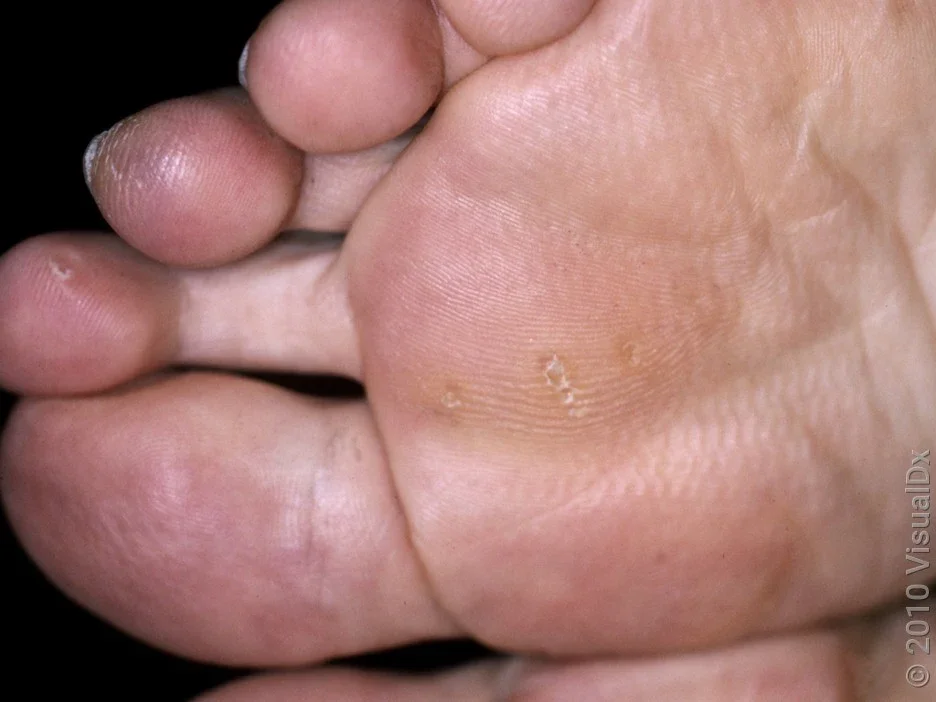
Have you noticed a small, rough bump on the bottom of your foot that just won’t go away? That’s likely a plantar wart.
It can be annoying, painful, and make walking uncomfortable. You might be wondering if you can simply cut it out yourself to get rid of it fast. Before you reach for a sharp tool, it’s important to understand what plantar warts really are, why cutting them out can be risky, and what safer options you have.
Keep reading to find out how to protect your feet and treat plantar warts the smart way.
What Are Plantar Warts
Plantar warts are small growths that appear on the soles of your feet. They are caused by a virus called human papillomavirus (HPV).
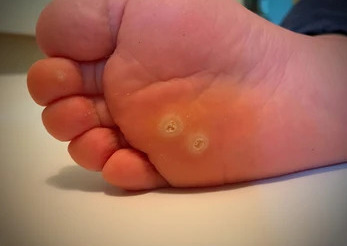
These warts can be painful and make walking uncomfortable. They often look like rough, grainy bumps with tiny black dots inside.
Causes And Symptoms
Plantar warts happen when HPV enters the skin through small cuts or weak spots on your feet. The virus causes the skin to grow quickly, forming a wart.
- Hard, thickened skin on the bottom of the foot
- Small black dots inside the wart
- Pain or tenderness when standing or walking
- Clusters of warts that may grow together
How They Spread
The virus spreads in warm, moist places like public showers, pools, and locker rooms. Walking barefoot in these areas increases the risk of getting plantar warts.
| Method | How It Happens |
| Direct Contact | Touching a wart on another person |
| Indirect Contact | Touching surfaces with the virus, such as floors |
| Self-Infection | Spreading the virus from one part of your foot to another |

Credit: www.katyfootcare.com
Risks Of Cutting Plantar Warts
Cutting plantar warts at home can cause serious problems. Many people do not know the risks involved with this practice.
This article explains the dangers of infection and possible scarring from cutting plantar warts.
Infection Dangers
Cutting a plantar wart can open the skin to bacteria and viruses. This can cause an infection that may spread.
- Infection may cause redness and swelling
- Pus or fluid may leak from the cut area
- Infections can become painful and hard to treat
- Severe infections might require antibiotics or medical care
Scarring And Complications
Cutting plantar warts can lead to scars and other skin problems. The skin on the foot is thick, so wounds can take a long time to heal.
| Possible Complications | Description |
| Scarring | Permanent marks may form on the skin after cutting |
| Bleeding | Cutting may cause bleeding that is hard to stop |
| Wart Spread | Cutting may spread the virus and cause more warts |
| Delayed Healing | Open wounds may heal slowly and cause discomfort |
Safe Home Treatments
Planters warts can be annoying and painful. They are caused by a virus and appear on the bottom of your feet. There are safe ways to treat them at home.
Some methods involve over-the-counter products, while others use natural remedies. Let’s explore these options to find what might work for you.
Over-the-counter Remedies
Several products can help you get rid of planters warts. They are easy to use and available at most drugstores.
- Salicylic acid patches or liquid: These remove layers of the wart bit by bit.
- Freeze-off treatments: These use cold to destroy wart tissue.
- Medicated pads: These pads cover the wart and help with healing.
Natural Options
Natural remedies use ingredients from your kitchen or garden. They can be gentle on the skin.
Garlic is known for its antiviral properties. Crush a clove and apply it to the wart.
Banana peels may also help. Cut a small piece and place it on the wart with the inside part touching your skin.
| Remedy | How to Use |
| Apple Cider Vinegar | Soak a cotton ball and tape it to the wart overnight. |
| Aloe Vera | Apply fresh gel to the wart daily. |

Credit: swfacenter.com
When To See A Doctor
Planters warts can sometimes go away on their own. But some warts need medical help.
Knowing when to see a doctor can stop the wart from getting worse or spreading.
Professional Removal Techniques
Doctors use safe methods to remove warts. They avoid cutting the wart themselves.
- Cryotherapy freezes the wart with liquid nitrogen.
- Electrosurgery burns the wart with electric current.
- Curettage scrapes the wart off carefully.
- Laser treatment removes the wart with focused light.
Medical Advice On Wart Care
Doctors give advice to care for warts after treatment. Follow their tips to heal well.
| Advice | Reason |
| Keep the area clean and dry | Prevents infection |
| Do not pick or cut the wart | Avoids spreading the virus |
| Use any prescribed creams | Helps remove wart cells |
| Wear shoes that fit well | Reduces pressure on the wart |
Preventing Plantar Warts
Plantar warts appear on the soles of your feet. They are caused by a virus that spreads easily in warm, moist places.
Stopping plantar warts means keeping your feet clean and protected. Simple habits can lower your risk of getting them.
Hygiene Tips
Good foot hygiene helps prevent the virus that causes plantar warts. Wash your feet daily with soap and water.
Dry your feet completely, especially between the toes. Moist areas invite the virus to grow.
- Change socks every day
- Use clean towels only for your feet
- Keep your nails trimmed and clean
Protective Measures
Wear shoes or sandals in public places like pools and locker rooms. This reduces contact with the virus.
Avoid sharing shoes, socks, or towels. The virus spreads through direct contact with infected surfaces.
- Wear flip-flops in public showers
- Keep your feet dry and cool
- Check your feet regularly for any changes
Credit: www.londonfootandanklesurgery.co.uk
Frequently Asked Questions
Can You Safely Cut Out A Plantar Wart At Home?
Cutting out a plantar wart at home is unsafe. It risks infection and scarring. Professional treatment is recommended for safe removal.
What Are The Risks Of Cutting A Plantar Wart?
Cutting a plantar wart can cause bleeding, infection, and scarring. It may also spread the virus to other skin areas. Medical removal is safer and more effective.
How Do Doctors Remove Plantar Warts?
Doctors use methods like cryotherapy, laser treatment, or minor surgery. These options are sterile and reduce infection risks. Professional care ensures proper wart removal and healing.
Can Diy Wart Removal Cause Plantar Wart Spread?
Yes, DIY cutting can spread the wart virus to nearby skin. Improper tools and techniques increase this risk. Seek professional treatment to prevent spreading.
Conclusion
Cutting out a plantar wart is not always the best choice. Some treatments work better and cause less pain. Doctors can suggest safe ways to remove warts. Home removal might lead to infection or scars. Patience is key; warts may clear on their own.
Always choose methods that protect your foot’s health. Taking care now helps avoid problems later. Keep your skin clean and dry to prevent warts. Remember, professional advice ensures the safest and best results.