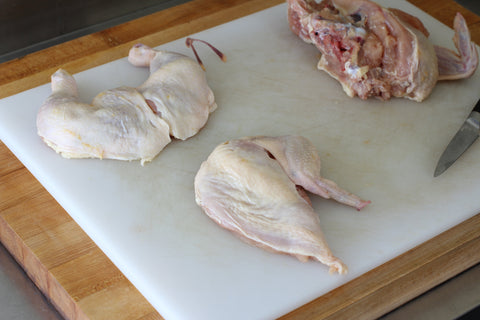
Are you wondering if it’s safe to cut raw chicken on your wooden cutting board? You might have heard different opinions, and it can be confusing.
After all, you want to keep your kitchen clean and avoid any risk of foodborne illness. You’ll discover the truth about using wood boards for raw chicken, how to protect your health, and the best practices to keep your cutting boards safe.
Keep reading—you’ll learn what you need to know to handle raw chicken confidently and avoid common kitchen mistakes.

Credit: food52.com
Risks Of Using Wood Boards For Raw Chicken
Cutting raw chicken on wood boards can be risky. Wood is a natural material that can hold bacteria.
It is important to know the dangers before using wood cutting boards with raw chicken.
Bacterial Contamination Concerns
Raw chicken often carries bacteria like salmonella and campylobacter. These can cause food poisoning.
Wood boards can trap these bacteria in small cracks. This makes cleaning harder and unsafe.
- Bacteria hide deep in wood grain and cracks
- Cleaning may not remove all bacteria
- Cross-contamination risk to other foods
Wood Porosity And Absorption Issues
Wood is porous, meaning it can absorb liquids like chicken juice. This traps germs inside.
Absorbed moisture can make the board a breeding ground for bacteria. It also causes odors and stains.
- Porous surface absorbs raw chicken juices
- Moist areas promote bacteria growth
- Wood can develop hard-to-clean stains and smells
Benefits Of Wood Cutting Boards
Wood cutting boards are a popular choice in many kitchens. They offer several benefits that make them suitable for cutting raw chicken.
Wood boards can be safe and practical when cleaned properly. They also add a natural look to your kitchen.
Natural Antibacterial Properties
Wood has natural antibacterial features that help reduce germs. Certain types of wood can trap and kill bacteria.
Studies show bacteria do not live long on wood surfaces. This can make wood safer than some plastic boards.
- Wood fibers absorb moisture and bacteria
- Bacteria die off faster on wood than plastic
- Regular cleaning keeps the surface healthy
Durability And Knife Friendliness
Wood boards last a long time with proper care. They resist deep cuts that can trap bacteria.
Wood is softer on knives than plastic or glass. This helps keep knives sharp and safe to use.
- Wood boards resist deep grooves
- Knife edges stay sharper longer
- Durable surface handles heavy use
Comparing Wood To Plastic Cutting Boards
Choosing the right cutting board is important for kitchen safety. Wood and plastic boards are common options. Each has its own benefits and challenges. This guide compares wood and plastic cutting boards for cutting raw chicken.
Many people worry about germs when using wood boards for raw chicken. Plastic boards are often seen as easier to clean. We will explore these differences to help you decide.
Ease Of Cleaning
Plastic cutting boards are smooth and non-porous. This makes them easy to wipe and wash. You can clean them well with soap and hot water. Many plastic boards are dishwasher safe too.
Wood cutting boards absorb liquids and oils. This can make cleaning harder. You cannot put most wood boards in the dishwasher. You must wash them by hand and dry them quickly to avoid damage.
- Plastic boards clean faster and dry quickly.
- Wood boards need careful hand washing and drying.
- Plastic boards can be sanitized in the dishwasher.
- Wood boards can warp or crack if soaked too long.
Sanitization Effectiveness
Plastic boards can be sanitized easily with bleach or in the dishwasher. Their smooth surface stops bacteria from hiding. This makes plastic boards safer after cutting raw chicken.
Wood has natural antimicrobial properties. Some studies show wood can kill bacteria over time. But wood’s porous surface can trap germs if not cleaned well. It needs more care to stay safe.
- Plastic boards can be sanitized quickly and well.
- Wood boards may kill some bacteria naturally.
- Wood can hide germs in small cracks or cuts.
- Plastic boards need regular sanitizing after use.
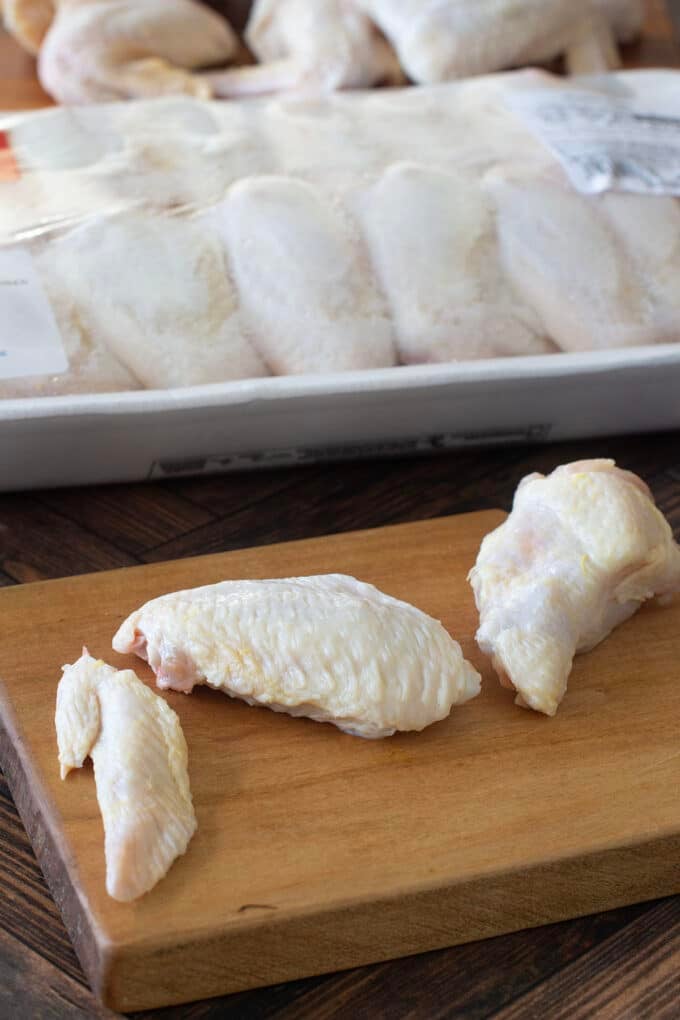
Credit: thecookful.com
Proper Cleaning Techniques For Wood Boards
Cutting raw chicken on a wood cutting board is possible if you clean the board properly. Wood can absorb liquids and bacteria. Cleaning well stops germs from spreading.
It is important to wash, dry, and disinfect wood boards carefully. This keeps your kitchen safe and your food healthy.
Washing And Drying Methods
Wash wood boards with hot, soapy water after cutting raw chicken. Use a scrub brush to remove food bits. Rinse well with clean water.
Dry the board completely with a clean towel. Let it air dry standing up to stop moisture buildup. Avoid leaving the board wet or soaking in water.
- Use hot water and soap
- Scrub all surfaces well
- Rinse with clean water
- Dry with a clean cloth
- Air dry standing up
Using Disinfectants Safely
Disinfect wood boards after washing to kill bacteria. Use a diluted bleach solution or white vinegar. Avoid harsh chemicals that can damage wood.
Apply disinfectant carefully and let it sit for a few minutes. Rinse the board with water afterward. Always dry the board well to prevent mold growth.
- Use bleach diluted with water (1 tablespoon bleach per gallon)
- Apply white vinegar as a natural option
- Let disinfectant sit for 5 minutes
- Rinse thoroughly with water
- Dry the board completely after disinfecting
Best Practices For Handling Raw Chicken
Handling raw chicken safely is important to prevent foodborne illness. Using the right cutting board helps keep your kitchen clean.
This guide explains how to use cutting boards properly when cutting raw chicken and how to keep them in good condition.
Separate Boards For Meat And Produce
Use different cutting boards for raw meat and fresh produce. This stops bacteria from spreading between foods.
- Designate one board for raw chicken and other meats only.
- Use a separate board for fruits and vegetables.
- Label boards or use different colors to avoid confusion.
- Wash hands before and after handling raw chicken.
Regular Board Maintenance
Keep your wooden cutting boards clean and in good shape. Proper care stops germs from hiding in cracks.
| Cleaning Tip | Description |
| Wash with hot soapy water | Clean after each use to remove bacteria |
| Dry completely | Prevent wood from absorbing moisture |
| Oil regularly | Keep wood from cracking and warping |
| Sand rough spots | Remove deep cuts that trap germs |

Credit: elements.envato.com
Expert Recommendations And Safety Guidelines
Cutting raw chicken on a wood cutting board needs care. Wood can absorb juices from raw chicken. This may lead to bacteria growth.
Experts give advice to keep your kitchen safe. Follow their tips to avoid foodborne illness.
Food Safety Authority Advice
Food safety authorities say wood boards can be used for raw chicken. But you must clean them well after use. Wash with hot, soapy water. Rinse and dry completely.
Some experts suggest using separate boards for raw meat and other foods. This stops cross-contamination. Use plastic boards if you want easier cleaning.
- Clean boards right after cutting raw chicken
- Use hot water and soap for washing
- Dry boards fully to stop bacteria
- Consider plastic boards for raw meat
- Keep separate boards for different foods
When To Replace Your Cutting Board
Replace your wood cutting board if it has deep cuts or cracks. Bacteria can hide in these spots. Scratches are hard to clean well.
Also change your board if it smells bad after washing. A strong smell means bacteria or mold may be inside the wood.
- Replace boards with deep grooves or cracks
- Change if the board keeps bad smells
- Inspect boards regularly for damage
- Use sanding to remove small scratches
- Replace if sanding does not fix damage
Frequently Asked Questions
Is It Safe To Cut Chicken On Wood?
Yes, it’s safe if you follow proper hygiene practices. Clean the board thoroughly after use. Use hot, soapy water to remove bacteria. Sanitize with a bleach solution or vinegar for added safety. Ensure the board is dry before storing to prevent bacteria growth.
Can Wood Boards Harbor Bacteria?
Yes, wood can harbor bacteria if not cleaned properly. Wash with hot, soapy water after use. Regularly sanitize with a vinegar solution or diluted bleach. Ensure boards are thoroughly dried to prevent bacterial growth. Proper maintenance keeps your board safe and hygienic.
Do Wood Boards Dull Knives?
Wood cutting boards are gentle on knives and generally do not dull them. The natural material offers a forgiving surface that preserves blade sharpness. Regular maintenance and proper storage of both the board and knives will prolong their lifespan and effectiveness.
How To Clean Wood Boards After Cutting Chicken?
Clean wood boards with hot, soapy water immediately after use. Rinse thoroughly to remove soap residue. Sanitize with a vinegar or diluted bleach solution. Allow the board to air dry completely. Regular oiling helps maintain the board’s condition and prevents moisture absorption.
Conclusion
Wood cutting boards can be safe for raw chicken with care. Clean the board well after each use. Use hot water and soap to kill germs. Avoid deep cuts where bacteria can hide. Some prefer plastic boards for easier cleaning.
But wood can last longer and feel better. Always dry the board fully before storing. Keep your kitchen safe by staying clean and careful. This way, you reduce the risk of illness. Choose the right board and handle raw chicken safely.