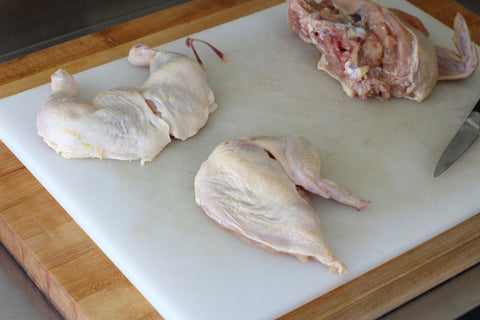
Are you wondering if it’s safe to cut raw chicken on your wooden cutting board? You’re not alone.
Many home cooks worry about germs and food safety when using wood for raw meat. But should you toss that board and switch to plastic, or can wooden boards actually be safe for your kitchen? You’ll discover the truth about wood, germs, and how to keep your cutting board clean and safe.
Keep reading to protect your health and make the best choice for your cooking routine.
Risks Of Cutting Raw Chicken On Wood
Cutting raw chicken on a wooden board can be risky. Wood can hold bacteria that cause food poisoning.
Understanding these risks helps you keep your kitchen safe and clean.
Bacterial Contamination Concerns
Raw chicken often carries harmful bacteria like Salmonella and Campylobacter. These can stay on wooden boards after cutting.
- Bacteria can survive in small cuts on the wood.
- Improper cleaning does not remove all bacteria.
- Bacteria can spread to other foods if the board is reused without washing.
Porosity Of Wooden Boards
Wood is porous and absorbs juices from raw chicken. This makes it hard to clean completely.
| Wood Type | Porosity Level | Cleaning Difficulty |
| Maple | Low | Moderate |
| Bamboo | Medium | High |
| Pine | High | Very High |
Potential Cross-contamination
Cross-contamination happens when bacteria spread to other foods or surfaces. Wooden boards can carry bacteria from raw chicken to other items.
- Using the same board for vegetables and chicken increases risk.
- Improper washing spreads bacteria around the kitchen.
- Using separate boards reduces contamination risks.

Credit: pngtree.com
Benefits Of Using Wooden Cutting Boards
Wooden cutting boards have been used in kitchens for many years. They offer several advantages for cooking and food preparation.
Using a wooden board can make your kitchen work easier and safer. Let’s explore some key benefits.
Durability And Knife Friendliness
Wooden cutting boards last a long time if cared for properly. They resist deep cuts and scratches better than plastic boards.
Wood is gentle on knives. It keeps knife edges sharper longer by absorbing the blade’s impact. This helps reduce the need for frequent sharpening.
Natural Antibacterial Properties
Wood has natural chemicals that fight bacteria. These substances help kill germs that get on the board during food preparation.
- Wood fibers trap bacteria inside, stopping them from spreading.
- Wood dries quickly, reducing the chance for bacteria to grow.
- Studies show wooden boards can be safer than plastic in some cases.
Aesthetic And Environmental Factors
Wooden boards add a warm, natural look to your kitchen. They come in many shapes and wood types to match your style.
| Wood Type | Appearance | Environmental Impact |
|---|---|---|
| Maple | Light color, smooth grain | Renewable, biodegradable |
| Walnut | Dark brown, rich texture | Renewable, durable |
| Bamboo | Striped, light green to yellow | Fast-growing, sustainable |
Proper Cleaning Techniques
Cutting raw chicken on wooden boards can be safe if you clean them well. Proper cleaning stops germs from spreading.
Wood can absorb juices from raw chicken. This makes cleaning very important to keep your kitchen safe.
Washing And Sanitizing Methods
Wash wooden boards with hot water and soap right after use. This removes most germs and food bits.
Sanitize the board using a solution of one tablespoon bleach mixed in one gallon of water. Apply it and let it sit for a few minutes, then rinse well.
- Use hot soapy water to clean first
- Rinse the board thoroughly
- Apply bleach solution for sanitizing
- Let it air dry after rinsing
Drying And Maintenance Tips
Dry wooden boards quickly to stop bacteria growth. Use a clean towel or air dry standing up.
Keep your board oiled with food-safe mineral oil. This stops cracks and keeps the wood strong.
- Dry board immediately after washing
- Store board upright to air dry fully
- Apply mineral oil monthly for care
- Avoid soaking wood in water
When To Replace Wooden Boards
Replace wooden boards if they have deep cuts or cracks. These can hide bacteria and are hard to clean.
If your board smells bad even after cleaning, it is time to get a new one for safety.
- Deep grooves or cracks mean replacement
- Persistent bad smells are warning signs
- Boards older than a few years may need replacing
Comparing Wood To Other Materials
Cutting raw chicken needs a safe and clean surface. Choosing the right cutting board helps prevent bacteria.
Wood boards are popular, but plastic, bamboo, and composites are common too. Each has pros and cons.
Plastic Cutting Boards
Plastic boards are easy to clean and can go in the dishwasher. They do not absorb liquids like wood.
They can get deep cuts from knives. Bacteria may hide in these cuts if not cleaned well.
Bamboo And Composite Options
Bamboo boards are harder and less porous than some woods. They resist water better but can dull knives.
Composite boards mix wood fibers with resin. They are durable and usually dishwasher safe.
Which Material Is Safer?
Wood has natural antibacterial properties and heals knife cuts. It needs proper cleaning and drying.
Plastic and composites can be sanitized well but may trap bacteria in deep cuts. Bamboo is durable but less tested.
- Wood: Natural antibacterial, needs hand washing
- Plastic: Dishwasher safe, can harbor bacteria in cuts
- Bamboo: Hard, water-resistant, may dull knives
- Composite: Durable, often dishwasher safe
Best Practices For Raw Chicken Preparation
Preparing raw chicken safely helps stop germs from spreading. Using the right tools and methods keeps your kitchen clean.
This guide covers how to use cutting boards and handle chicken properly to avoid food poisoning.
Separate Boards For Different Foods
Use different cutting boards for raw chicken and other foods like vegetables. This stops bacteria from spreading.
- Keep one board only for raw meat and poultry.
- Use another board for fruits and vegetables.
- Label your boards or use different colors for each type of food.
- Wash boards with hot, soapy water after each use.
Use Of Cutting Board Mats
Cutting board mats add an extra layer of protection. They are easy to clean and can be replaced often.
| Type | Benefit |
| Silicone Mats | Non-slip and easy to wash |
| Plastic Mats | Lightweight and dishwasher safe |
| Disposable Mats | Use once and throw away |
Safe Food Handling Tips
Follow these tips to keep raw chicken safe and avoid cross-contamination.
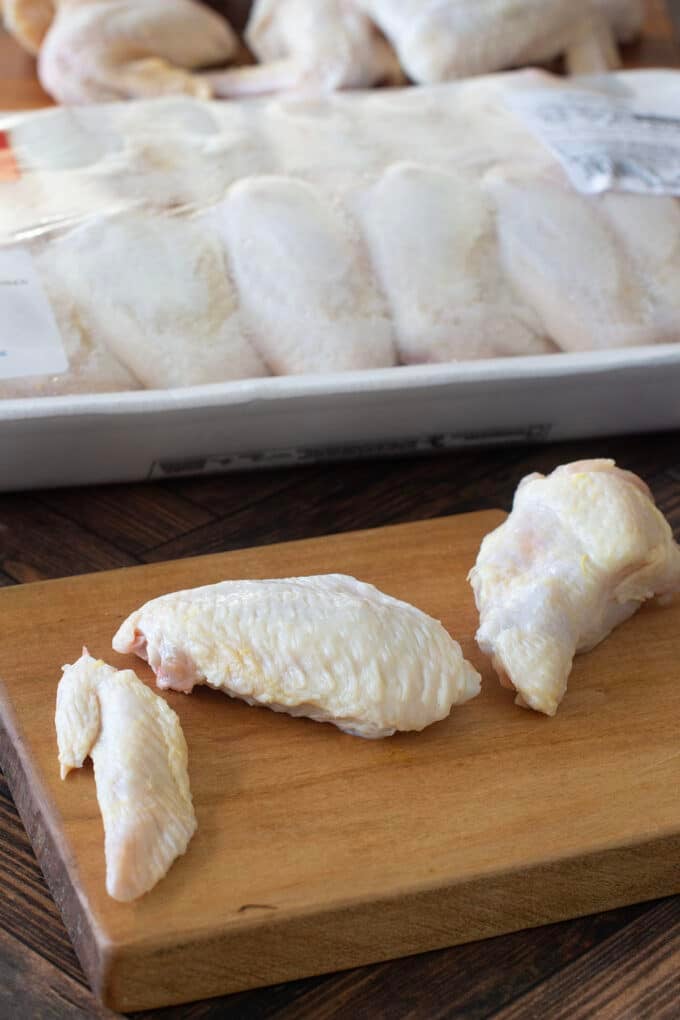
- Wash your hands with soap before and after handling raw chicken.
- Never rinse raw chicken under water; this spreads bacteria.
- Cook chicken to an internal temperature of 165°F (74°C).
- Clean all surfaces and utensils after use.
- Store raw chicken on the bottom shelf of the fridge to avoid drips.

Credit: food52.com
Credit: thecookful.com
Frequently Asked Questions
Is It Safe To Cut Chicken On Wood?
Yes, it’s safe if you maintain cleanliness. Always sanitize the board after use. Use hot, soapy water and a disinfectant. This prevents bacterial contamination. Ensure the board is well-maintained and free from deep cuts. Regular oiling can help maintain its condition.
How To Clean A Wooden Cutting Board?
Clean with hot, soapy water immediately after use. Rinse thoroughly and dry with a towel. Disinfect with a vinegar solution or diluted bleach. Avoid soaking to prevent warping. Regularly treat with mineral oil to maintain its surface.
Can Bacteria Survive On Wooden Boards?
Wooden boards naturally inhibit bacterial growth. Wood absorbs moisture, depriving bacteria of the environment they need. However, deep cuts can harbor bacteria. Regular cleaning and maintenance are essential to keep the board safe.
Why Choose Wood Over Plastic Boards?
Wood is naturally antimicrobial and gentle on knives. It provides a stable cutting surface. Unlike plastic, wood doesn’t develop deep grooves easily. It’s also biodegradable and eco-friendly. Properly maintained, it lasts longer than plastic.
Conclusion
Cutting raw chicken on a wooden board needs care. Always wash the board well after use. Use hot, soapy water to clean it fully. Dry the board completely before storing it. Consider using separate boards for meat and veggies. This keeps your kitchen safer and cleaner.
Wooden boards can work but need good care. Stay safe and keep your food fresh. Simple steps make a big difference. Your health matters most in the kitchen.