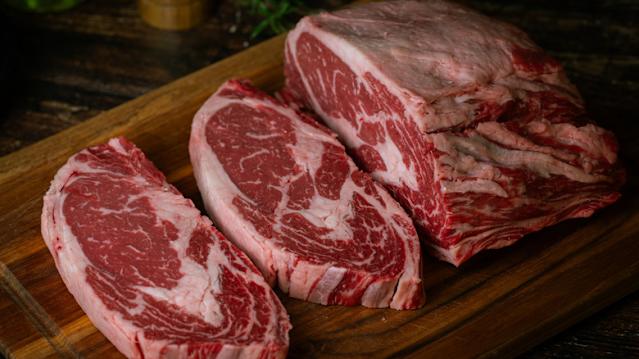
Are you wondering if it’s safe to cut raw meat on your wooden cutting board? You might have heard different opinions, and it’s easy to feel confused.
After all, keeping your kitchen clean and your food safe is a top priority. But is wood really risky when it comes to raw meat, or is it a good choice? You’ll discover the truth about cutting raw meat on wood boards, the facts you need to know, and simple tips to protect yourself and your family.
Keep reading to find out how to make the best decision for your kitchen.

Credit: www.wikihow.com
Risks Of Cutting Raw Meat On Wood
Cutting raw meat on a wood board can be risky. Wood can hold bacteria that cause illness.
It is important to understand the dangers before using wood for raw meat.
Bacterial Contamination Concerns
Raw meat carries bacteria like Salmonella and E. coli. These bacteria can stick to wood surfaces.
Wood is hard to clean completely, so bacteria may stay after washing.
Wood Porosity And Absorption
Wood has tiny holes called pores. These pores can absorb meat juices and bacteria.
Absorbed liquids make it harder to clean the board and can spread germs later.
Cross-contamination Hazards
Using the same wood board for raw meat and other foods can spread bacteria.
This cross-contamination can cause food poisoning and health problems.
- Use separate boards for raw meat and vegetables
- Clean boards well after each use
- Consider safer materials for raw meat
Credit: www.youtube.com
Benefits Of Wood Cutting Boards
Wood cutting boards are a popular choice in kitchens. They offer many benefits for daily use.
Using a wood cutting board can help protect your knives and keep your kitchen clean.
Durability And Knife Friendliness
Wood boards last a long time and resist deep cuts. They are gentle on knife edges, keeping knives sharper.
- Wood absorbs knife impact better than plastic
- Less dulling of knives over time
- Can be sanded to remove scratches
- Strong and sturdy for heavy chopping
Natural Antibacterial Properties
Certain wood types naturally fight bacteria. They help reduce germs on the cutting surface.
| Wood Type | Antibacterial Quality |
| Maple | High |
| Bamboo | Medium |
| Walnut | High |
| Cherry | Medium |
Aesthetic And Practical Appeal
Wood boards look nice in any kitchen. They add natural warmth and style to your cooking space.
- Variety of wood colors and grains
- Can be used as serving trays
- Easy to clean with simple soap and water
- Non-slip surface helps keep food steady
Choosing The Right Wood Board
Cutting raw meat on a wood board needs careful choice. The wood type affects safety and cleaning.
Picking the right wood board helps keep your kitchen clean and your meat safe to eat.
Hardwood Vs Softwood
Hardwood boards are better for cutting raw meat. They resist deep cuts and hold up over time. Softwood boards get scratched easily. These scratches can trap bacteria.
- Hardwoods include maple, oak, and walnut.
- Softwoods include pine and cedar.
- Hardwoods last longer and are less porous.
- Softwoods are softer and wear down quickly.
Grain Tightness And Surface Texture
Wood with tight grain is best for cutting raw meat. Tight grain means fewer gaps for germs to hide. A smooth surface is easier to clean and less likely to hold bacteria.
| Wood Type | Grain Tightness | Surface Texture |
| Maple | Tight | Smooth |
| Walnut | Tight | Smooth |
| Oak | Medium | Rough |
| Pine | Loose | Soft and Rough |
Size And Thickness Considerations
Choose a board size that fits your kitchen space. Bigger boards offer more cutting space. Thickness helps the board stay stable and last longer.
- At least 1 inch thick for durability.
- Large enough to hold meat without crowding.
- Heavy boards resist slipping on the counter.
- Consider storage space for larger boards.
Cleaning And Sanitizing Tips
Cutting raw meat on a wood cutting board needs careful cleaning. Wood can hold bacteria if not cleaned well.
Follow good cleaning steps to keep your board safe and ready for use.
Proper Washing Techniques
Wash your wood cutting board with hot, soapy water after every use. Use a sponge or brush to scrub all surfaces. Rinse well with clean water.
Dry the board completely with a clean towel. Then, stand it up to air dry fully. Avoid soaking the board in water, as wood can warp.
Using Vinegar And Baking Soda
Vinegar and baking soda are safe, natural cleaners. They help remove stains and kill germs on wood boards.
- Spray white vinegar on the board and let it sit for a few minutes.
- Sprinkle baking soda over the board surface.
- Scrub the board with a brush or sponge.
- Rinse with warm water and dry well.
Avoiding Harsh Chemicals
Harsh chemicals can damage your wood cutting board. They may leave harmful residues or cause cracks.
| Chemical | Risk to Wood Board |
|---|---|
| Bleach | Can dry out and crack wood |
| Strong detergents | May leave toxic residues |
| Ammonia | Harsh smell and surface damage |
Use mild soap and natural cleaners to keep your board safe and lasting longer.
Maintaining Wood Boards After Use
Wood cutting boards need special care after cutting raw meat. Proper cleaning and maintenance keep them safe and long-lasting.
Follow simple steps to dry, store, oil, and repair your wood board. This helps prevent damage and bacteria growth.
Drying And Storage Best Practices
After washing, dry your wood board quickly. Leaving it wet can cause warping and cracks.
Store the board upright or on its side. Avoid laying it flat to allow air circulation on all sides.
- Use a clean towel to dry the board immediately
- Keep the board in a well-ventilated area
- Do not store near heat or direct sunlight
Regular Oiling And Conditioning
Oiling your wood board protects it from drying out and cracking. Use food-safe mineral oil or conditioner.
Apply oil once a month or when the board looks dry. Spread it evenly and let it soak in overnight.
- Use a clean cloth to apply oil
- Rub oil into all surfaces, including edges
- Wipe off extra oil before storing
Repairing Scratches And Gouges
Scratches and cuts can trap bacteria. Smooth the surface to keep your board safe.
Use fine sandpaper to gently sand the damaged area. Clean the board after sanding and reapply oil.
- Choose 120-220 grit sandpaper for best results
- Sand along the wood grain, not against it
- Remove dust with a damp cloth before oiling
Alternatives To Wood For Raw Meat
Cutting raw meat on wooden boards can cause bacteria to hide in the wood grain. It is safer to use other materials that are easier to clean. This helps stop the spread of germs in your kitchen.
There are many good options besides wood. Each type has its own benefits. Choosing the right board keeps your food safe and your kitchen clean.
Plastic And Composite Boards
Plastic and composite boards are popular for cutting raw meat. They have smooth surfaces that do not absorb juices. This makes them easier to clean and sanitize.
Most plastic boards are dishwasher safe. This helps kill harmful bacteria. Composite boards mix wood fibers with plastic for strength and durability.
- Easy to clean and sanitize
- Non-porous surface prevents bacteria growth
- Many are dishwasher safe
- Come in different colors for food safety
Glass And Metal Options
Glass and metal cutting boards do not absorb liquids. They are very easy to clean and sterilize. You can wash them with hot water and soap or use a dishwasher.
Glass boards may dull your knives faster. Metal boards are strong but can be noisy. Both are good for raw meat because they do not trap bacteria.
- Non-porous and easy to clean
- Do not hold odors or stains
- Glass may damage knives
- Metal is durable but can be noisy
When To Use Separate Boards
Using separate cutting boards for raw meat and other foods reduces cross-contamination. This keeps harmful germs from spreading to fruits or vegetables.
Many kitchens use color-coded boards to help keep foods separate. This makes it easy to know which board is for raw meat and which is for cooked foods or produce.
- Use one board only for raw meat
- Use different boards for vegetables and cooked food
- Clean boards well after each use
- Color-code boards to avoid confusion
Expert Recommendations
Cutting raw meat on a wood cutting board requires special care. Wood boards can absorb juices from raw meat. This can lead to bacteria growth if not handled correctly.
Experts suggest ways to keep wooden boards safe and clean. Following these tips helps prevent foodborne illness and keeps your kitchen healthy.
Using Separate Boards For Meat
Use a separate wood cutting board only for raw meat. This stops cross-contamination with other foods. It is best to have different boards for vegetables, cooked foods, and meat.
Label or color-code boards to avoid confusion. Wash meat boards thoroughly after each use with hot, soapy water. Dry them well before storing.
Frequency Of Board Replacement
Wood boards wear down over time. Deep cuts and cracks can hide bacteria. Replace your wood cutting board regularly to stay safe.
- Replace boards every 1 to 2 years with regular use
- Replace sooner if there are many deep cuts or cracks
- Inspect boards monthly for signs of wear
Monitoring For Damage And Wear
Check your wood cutting board often for damage. Look for deep grooves, cracks, or warping. These can trap bacteria and make cleaning hard.
Sanding the surface can help remove small cuts. Use food-safe mineral oil to keep the wood sealed. If damage is severe, replace the board immediately.
Credit: www.timbercreekbeef.com
Frequently Asked Questions
Is It Safe To Cut Raw Meat On Wood?
Yes, it’s safe if you maintain proper hygiene. Clean the board thoroughly after each use. Use hot, soapy water and dry it completely. Regularly sanitize with vinegar or hydrogen peroxide. Avoid cross-contamination by using separate boards for meats and vegetables.
Proper maintenance ensures wood boards remain a safe choice.
How To Clean A Wood Cutting Board?
Clean with hot, soapy water immediately after use. Rinse thoroughly and dry with a clean towel. For deeper cleaning, sprinkle salt and scrub with a lemon. Rinse and dry completely. Avoid soaking in water or using a dishwasher. Regularly oil with food-grade mineral oil to maintain its condition.
Can Wood Boards Harbor Bacteria From Raw Meat?
Yes, wood boards can harbor bacteria if not cleaned properly. However, wood has natural antimicrobial properties. Regular cleaning and maintenance prevent bacteria buildup. Always sanitize after cutting raw meat. Use separate boards for different food types to avoid cross-contamination. Proper care ensures that wood boards remain hygienic for use.
Why Choose Wood Over Plastic Cutting Boards?
Wood boards are durable and gentle on knives. They have natural antibacterial properties. Properly maintained, they are safe for cutting raw meat. Plastic can harbor deep cuts where bacteria thrive. Wood offers a more eco-friendly option. Regular cleaning and oiling enhance wood board longevity and safety.
Conclusion
Wood cutting boards can be safe for raw meat with care. Clean the board well after every use. Use hot water and soap to kill germs. Let the board dry completely before using again. Avoid deep cuts where bacteria can hide.
Consider using separate boards for meat and vegetables. This simple step keeps food safer. Wood boards last long and feel good to use. Proper care makes a wood board a good kitchen tool. Stay safe and enjoy cooking with wood boards.