Are you a busy parent trying to keep up with the endless cycle of feeding and cleaning? You’re not alone.
When it comes to caring for your baby, every minute counts, and you might find yourself wondering: can you dishwash baby bottles? This seemingly simple question can lead to a lot of confusion and conflicting advice. You want what’s best for your baby, but you also need convenience.
The good news is, you’re about to discover the secrets to keeping those bottles both sparkling clean and safe for your little one. Read on to unravel the truth and find peace of mind in your daily routine.

Credit: maps-stg.ndrive.com
Dishwashing Baby Bottles
Keeping baby bottles clean is essential for your child’s health. Dishwashing baby bottles can save time and effort. It is important to know the best practices to ensure bottles are safe and free from germs.
Dishwasher Safety For Baby Bottles
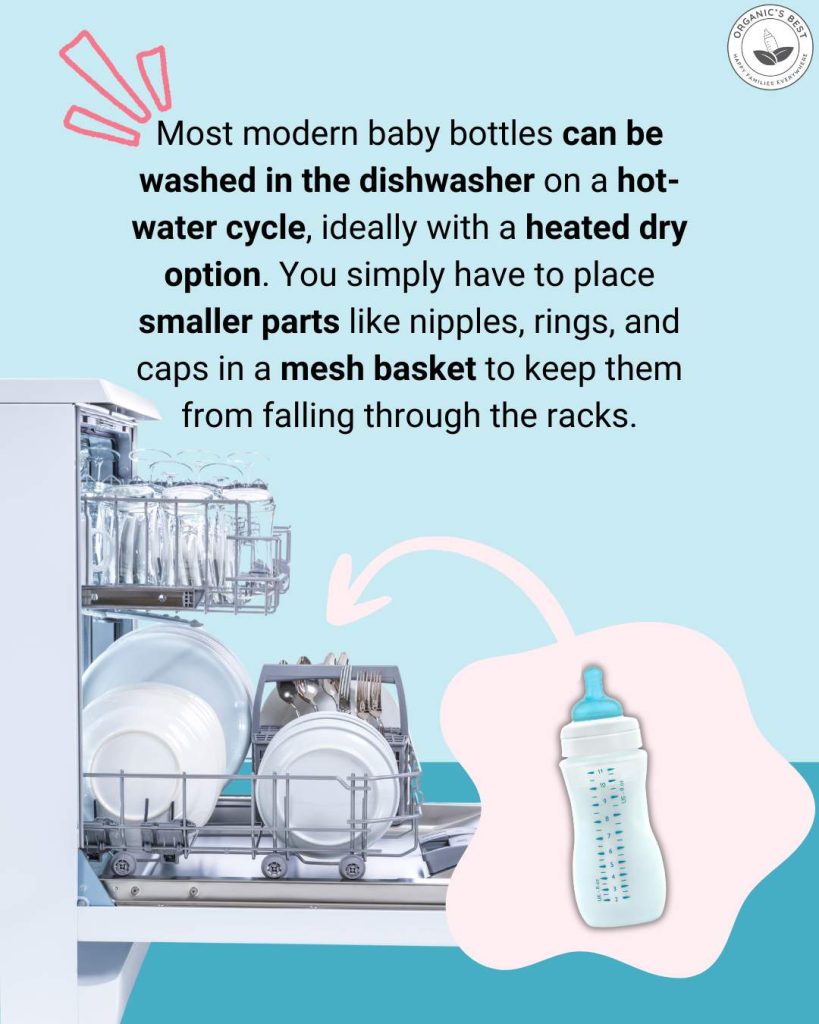
Many baby bottles are dishwasher safe. Check the bottle’s label or packaging for safety information. Place bottles on the top rack to avoid heat damage. Use a dishwasher basket to keep small parts secure. Avoid using harsh detergents that may leave residue. High temperatures help kill bacteria and sanitize bottles effectively.
Manual Washing Vs Dishwasher
Manual washing allows more control over cleaning. Use warm soapy water and a bottle brush. Rinse thoroughly to remove all soap. Dishwashers save time and clean multiple bottles at once. They use high heat that kills germs better than hand washing. Both methods work well if done correctly. Choose the method that fits your schedule and comfort.
Best Dishwasher Settings
Use a hot water cycle for better cleaning. Select a gentle or baby care setting if available. Avoid drying cycles with very high heat; air drying is safer. Use fragrance-free dishwasher detergent. Make sure bottles are spaced well for water flow. Run the dishwasher regularly to keep it clean and efficient.
Preparing Bottles For Cleaning
Preparing baby bottles for cleaning is important for thorough hygiene. Proper preparation removes leftover milk and prevents bacterial growth. It also ensures that all bottle parts get cleaned properly. Follow these simple steps to get your bottles ready.
Disassembling Bottles And Nipples
Take apart all bottle parts before cleaning. Separate the nipple, ring, and bottle body. This helps clean every corner and prevents mold. Check for any small parts or valves and remove them too.
Rinsing Residue Before Washing
Rinse each part with warm water to remove milk residue. This stops milk from drying and sticking to the bottle. Use running water to flush out any leftover milk inside the nipple and bottle.
Using Bottle Brushes
Use a soft bottle brush to scrub the inside of the bottle. Use a smaller brush or nipple brush for hard-to-reach areas. Brush gently to avoid damaging the bottle or nipple. Clean all parts thoroughly to remove milk film and dirt.
Safe Cleaning Products
Choosing the right cleaning products is crucial for baby bottle hygiene. Safe products protect your baby from harmful chemicals and keep bottles clean. Not all detergents suit baby items. Some contain strong chemicals that can irritate your baby’s skin or leave harmful residues. Careful selection ensures safety and cleanliness.
Choosing Baby-safe Detergents
Baby-safe detergents are gentle and free from dyes and fragrances. They clean effectively without harsh ingredients. Look for labels that mention “baby-safe” or “hypoallergenic.” These products reduce the risk of allergic reactions. Use only small amounts to avoid residue buildup. Rinse bottles thoroughly to remove all detergent.
Avoiding Harsh Chemicals
Avoid detergents with bleach, ammonia, or strong antibacterial agents. These chemicals can harm your baby’s sensitive skin. They may also damage the bottle material over time. Harsh chemicals increase the risk of chemical ingestion. Opt for mild formulas designed specifically for baby items. Always check ingredient lists before buying any product.
Natural Cleaning Alternatives
Natural cleaners offer a safe way to clean baby bottles. Simple ingredients like baking soda and white vinegar can clean and disinfect. They break down milk residue without harmful chemicals. Use a mixture of warm water and vinegar for a gentle wash. Rinse well to remove any vinegar smell. Natural options reduce chemical exposure for your baby.

Credit: koparoclean.com
Drying And Storing Bottles
Drying and storing baby bottles correctly is key for your baby’s health. Proper drying stops bacteria growth. Safe storage keeps bottles clean and ready to use. Follow simple steps to keep bottles hygienic and fresh.
Air Drying Techniques
Air drying is the safest way to dry baby bottles. It avoids using towels that can carry germs. Place bottles upside down on a clean surface. Let air flow freely around each bottle. Allow enough time for bottles to dry completely.
Using Drying Racks
Drying racks help organize bottles during air drying. Choose racks made of BPA-free plastic or stainless steel. Use racks with prongs to hold bottles and parts upright. Keep the rack in a clean, dry area. Clean the rack regularly to prevent mold and bacteria build-up.
Proper Storage To Prevent Contamination
Store dry bottles in a clean, closed container or cabinet. Avoid storing near cleaning supplies or trash. Use a storage box with a lid to keep dust and germs away. Store bottles in a dry place to prevent moisture and mold. Check stored bottles before use to ensure cleanliness.
Additional Sterilization Tips
Keeping baby bottles clean is essential for your baby’s health. Washing alone may not remove all germs. Sterilizing bottles ensures they are safe for every feed. Here are extra tips to help you sterilize bottles properly.
When To Sterilize Bottles
Newborns need sterilized bottles for every use. Their immune systems are still weak. Premature babies or those with health issues need extra care. Sterilize bottles after every use during the first 12 months. Once your baby starts eating solid food, sterilizing can be less frequent. Always sterilize if bottles drop on the floor or touch dirty surfaces.
Sterilization Methods
- Boiling: Place bottles in boiling water for 5 minutes.
- Steam Sterilizer: Use electric or microwave steam sterilizers designed for baby bottles.
- Chemical Sterilizing Solutions: Use cold water sterilizing tablets or liquids following package instructions.
- UV Sterilizers: Use UV light devices made for sterilizing baby items.
Choose the method that fits your schedule and resources. Always follow product instructions for safety.
Maintaining Bottle Hygiene
Wash bottles with warm soapy water right after feeding. Use a bottle brush to clean hard-to-reach spots. Rinse thoroughly to remove soap residue. Dry bottles completely before storing to prevent mold. Store bottles in a clean, dry place. Avoid touching the inside of bottles and nipples with dirty hands. Replace bottles and nipples regularly to avoid wear and tear.

Credit: attitudeliving.com
Common Mistakes To Avoid
Cleaning baby bottles in the dishwasher saves time but requires care. Many parents make simple errors that reduce cleaning effectiveness. Avoid these common mistakes to keep bottles safe and sanitary.
Using Incorrect Dishwasher Racks
Not all dishwasher racks fit baby bottles properly. Placing bottles in the wrong rack can block water flow. This leaves milk residue inside the bottles. Use racks designed for small items. Secure bottles upright to ensure full cleaning.
Skipping Pre-rinse
Milk residue can harden if not rinsed before washing. Skipping pre-rinse makes dishwasher cleaning less effective. Always rinse bottles with warm water first. This removes leftover milk and prevents odor build-up.
Reusing Damaged Bottles
Cracks and scratches in bottles harbor bacteria. Reusing damaged bottles risks your baby’s health. Check bottles regularly for wear and tear. Replace any bottle with visible damage to stay safe.
Frequently Asked Questions
Can You Wash Baby Bottles In A Dishwasher?
Yes, most baby bottles are dishwasher safe. Use the top rack and a gentle cycle to avoid damage. Always check the manufacturer’s instructions before washing.
What Dishwasher Settings Are Best For Baby Bottles?
Use a gentle or delicate cycle with hot water. Avoid high heat drying, which can warp bottles. A heated drying option is optional but effective for sterilization.
Should Bottle Nipples Be Washed Separately In Dishwasher?
Yes, wash nipples separately using a mesh bag or basket. This prevents them from falling or getting damaged during washing. Clean nipples thoroughly to avoid milk residue buildup.
Is Dishwasher Sterilization Effective For Baby Bottles?
Dishwasher sterilization can kill most germs if using hot water and heated drying. For extra safety, use a dedicated sterilizer or boil bottles occasionally. Proper cleaning before sterilization is essential.
Conclusion
Dishwashing baby bottles is safe and saves time. Use a dishwasher with a heated drying cycle. Place bottles on the top rack to avoid damage. Wash bottles soon after feeding to stop germs. Hand wash nipples and small parts for best results.
Clean bottles well to keep your baby healthy. Trust dishwasher cleaning but check for residue. Keep baby bottles fresh and ready for use. Clean bottles mean happy, healthy babies. Simple steps make bottle cleaning easy and safe.