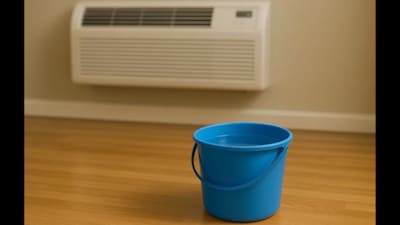
Have you ever noticed water dripping from your air conditioner and wondered, “Can I drink this water?” It might seem like a clever way to save money or stay hydrated, especially when you’re thirsty and looking for a quick source. But before you take a sip, there are important facts you need to know.
This water isn’t as simple as it looks, and drinking it could affect your health. Keep reading to find out why, and what you should really do with that water from your air conditioner. Your safety depends on it.
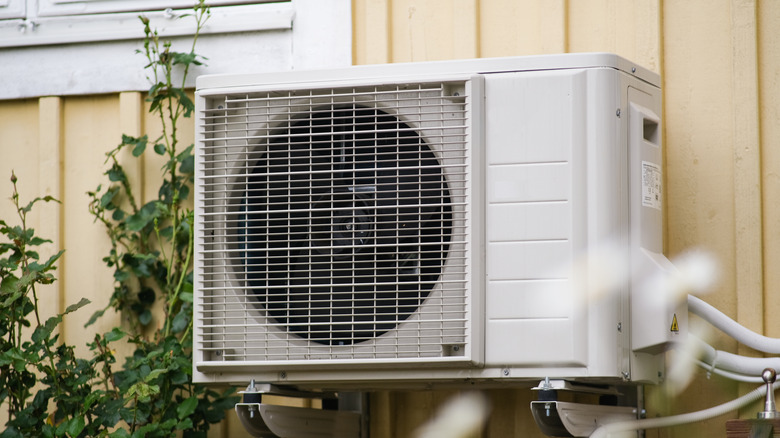
Credit: www.housedigest.com
What Is Air Conditioner Water
Air conditioner water is the liquid that forms when an AC cools the air. It is also called condensate water.
This water collects inside the AC unit and usually drains outside or into a container.
How Ac Produces Water
An air conditioner cools warm air by removing heat and moisture from it. The moisture turns into water droplets.
This process is like how water forms on a cold glass on a hot day. The AC collects this water inside.
- Warm air passes over cold AC coils
- Moisture in the air condenses into water
- Water collects in a drip pan or tube
- Water is drained outside or stored
Composition Of Ac Water
AC water is mostly pure water because it comes from air moisture. But it can contain dirt and chemicals.
The water may have dust, metal particles, or small amounts of chemicals from the AC system parts.
- Mostly water from air humidity
- Possible dust and dirt from air
- Small traces of metal or plastic
- May contain bacteria or mold if not cleaned
Credit: www.vevor.ca
Is Ac Water Safe To Drink
Many people wonder if water from an air conditioner is safe to drink. It may seem like a convenient source, but safety is a concern.
Before drinking AC water, it’s important to know about potential contaminants and health risks. Let’s explore these in detail.
Potential Contaminants
Air conditioner water can contain various contaminants. These impurities come from different sources.
- Dust and dirt from the air
- Mold and mildew from the unit
- Metal particles from the AC components
- Microorganisms like bacteria and fungi
Health Risks Involved
Drinking contaminated water can lead to health issues. It’s crucial to understand these risks.
| Contaminant | Possible Health Effect |
| Dust and Dirt | Stomach upset |
| Mold and Mildew | Allergic reactions |
| Metal Particles | Metal poisoning |
| Microorganisms | Infections |
Common Myths About Drinking Ac Water
Some people wonder if the water from an air conditioner is safe to drink. This water comes from the moisture in the air. Many myths surround its safety and cleanliness.
It is important to know the facts before drinking water from an AC unit. Misunderstandings can cause health risks and confusion.
Myth: Ac Water Is Clean And Safe To Drink
People often think AC water is pure because it comes from air moisture. But AC water can contain dust and bacteria. It is not filtered like drinking water.
Drinking this water without treatment can cause stomach problems. It is better to avoid drinking AC water directly.
Myth: Ac Water Is The Same As Distilled Water
Distilled water is boiled and condensed, removing impurities. AC water only collects moisture and does not go through purification. It may have pollutants from the air or the AC unit.
Do not treat AC water as distilled or purified water. It needs proper cleaning to be safe.
Myth: Ac Water Can Cure Dehydration
Some think drinking AC water can help with dehydration. This is not true. The water may have harmful particles that can make you sick.
Drink clean, safe water to stay hydrated. AC water is not a good source for this.
Myth: Ac Water Has No Health Risks
AC water can contain bacteria, mold, and other germs. These can cause infections or allergies. Drinking untreated AC water is risky.
Always use water from trusted sources for drinking and cooking.
Ways To Purify Ac Water
Air conditioner water comes from condensation. It is not safe to drink right away. This water can have dust, dirt, and germs.
Purifying AC water helps remove harmful particles. You can use different ways to clean it before drinking.
Filtration Methods
Filtering AC water removes solid particles and some bacteria. Use clean filters to get better water quality.
Common filters include cloth filters, sand filters, and activated carbon filters. Each filter type cleans water in a special way.
- Cloth filters catch large dirt and dust.
- Sand filters remove smaller particles and sediments.
- Activated carbon filters absorb bad smells and chemicals.
Boiling And Chemical Treatment
Boiling water kills germs and bacteria. Boil AC water for at least 5 minutes to make it safer.
Chemical treatments use small amounts of chlorine or iodine. These chemicals clean water from harmful microbes.
- Boil water for 5 minutes to kill germs.
- Add chlorine drops to disinfect water.
- Use iodine tablets for quick water treatment.
- Always follow instructions when using chemicals.
Practical Uses For Ac Water
Air conditioner water is the moisture collected from cooling systems. Many people wonder if this water can be used in practical ways. It is not safe to drink because it may contain bacteria or chemicals.
Still, AC water can be useful around the home and garden. Below are some practical uses for this water.
Gardening And Irrigation
AC water is often clean enough for watering plants. It does not have salts or chemicals found in tap water. Using it can save water and help plants grow.
- Fill plant pots and garden beds
- Use for indoor plants and houseplants
- Water lawns and shrubs
- Top up water in garden ponds
- Keep compost moist
Cleaning And Other Household Uses
AC water can also be used for many cleaning tasks at home. It reduces the use of fresh water and helps save money.
| Use | Details |
| Cleaning floors | Use AC water to mop floors and clean surfaces |
| Washing cars | Good for rinsing cars without hard water spots |
| Flushing toilets | Helps save tap water when used for flushing |
| Refilling steam irons | Can be used if filtered properly to avoid mineral build-up |
Environmental Impact Of Using Ac Water
Air conditioners produce water as they cool the air. This water comes from humidity in the air. Many people wonder if this water can help the environment.
Using AC water wisely can save fresh water and reduce waste. It is important to understand both the benefits and the drawbacks of using this water.
Water Conservation Benefits
AC water is a free source of water that can be reused. Collecting and using this water helps lower the need for fresh water from taps or wells.
Reusing AC water can reduce water bills and help save water during dry seasons. It can be used for plants, cleaning, or cooling machines.
- Saves fresh water for drinking and cooking
- Reduces water waste from air conditioning
- Helps maintain gardens and plants
- Can lower water costs at home or work
Potential Drawbacks
AC water is not clean enough to drink without treatment. It may contain dust, dirt, or small chemicals from the AC system.
Using AC water carelessly can cause mold or bacteria growth. Storing the water for a long time may also create health risks.
- Not safe to drink without cleaning
- May contain harmful particles or chemicals
- Can cause mold if stored improperly
- Needs proper handling and treatment
Experts’ Opinions On Drinking Ac Water
Air conditioners produce water as they cool the air. Some people wonder if this water is safe to drink. Experts have shared their views on drinking this water.
This article explains what experts say about the safety of AC water and why you should be careful.
What Is Ac Water?
AC water is the liquid that forms when air cools inside the air conditioner. It comes from moisture in the air. This water is not from a clean source.
Experts say this water can contain dust, dirt, and germs from the air and the AC parts.
Health Risks Of Drinking Ac Water
Doctors warn against drinking AC water. It may carry harmful bacteria and chemicals. Drinking it can cause stomach problems or infections.
Experts say the water may also have metal particles from the AC unit. These are not safe to consume.
- Contains bacteria and germs
- May have dust and dirt
- Possible chemical contamination
- Metal particles from AC parts
- Can cause illness and infections
Can You Treat Ac Water To Make It Safe?
Some people try to filter or boil AC water to make it safe. Experts say this can reduce germs but may not remove all chemicals or metals.
Experts recommend using water from clean sources instead of AC water for drinking.
When Is Ac Water Safe To Use?
Experts agree AC water can be safe for some uses. It is fine for watering plants or cleaning floors if no chemicals are added.
Experts say do not use AC water for cooking or drinking. It is better to avoid health risks this way.

Credit: www.reddit.com
Frequently Asked Questions
Can You Safely Drink Water From An Air Conditioner?
No, air conditioner water is not safe to drink. It contains dust, bacteria, and contaminants from the air and coils. Drinking it can cause health issues like stomach infections.
Why Does Air Conditioner Produce Water?
Air conditioners produce water through condensation. Warm air cools on the AC coils, causing moisture to form. This water is then collected and drained away.
Is Air Conditioner Water Clean Or Purified?
Air conditioner water is not purified. It collects dust, mold, and pollutants from the air and AC components. It requires treatment before any safe usage.
Can Ac Water Be Reused For Any Purpose?
Yes, AC water can be reused for cleaning, gardening, or flushing toilets. However, it is not suitable for drinking without proper filtration.
Conclusion
Air conditioner water is not safe to drink. It can contain dust, dirt, and germs. Drinking it may cause sickness. Use clean, filtered water for drinking instead. Always choose safe water to protect your health. Stay cautious and keep your body healthy.