
Imagine you’re rushing to an important appointment, and suddenly you notice your car has a flat tire. What do you do next?
Can you still drive your car safely, or will it cause more damage? Understanding the risks and knowing the right steps can save you from costly repairs and keep you safe on the road. You’ll discover exactly what happens when you drive on a flat tire, why it’s important to act quickly, and what options you have to get back on track without stress.
Keep reading to protect your car—and yourself—next time you face this unexpected problem.
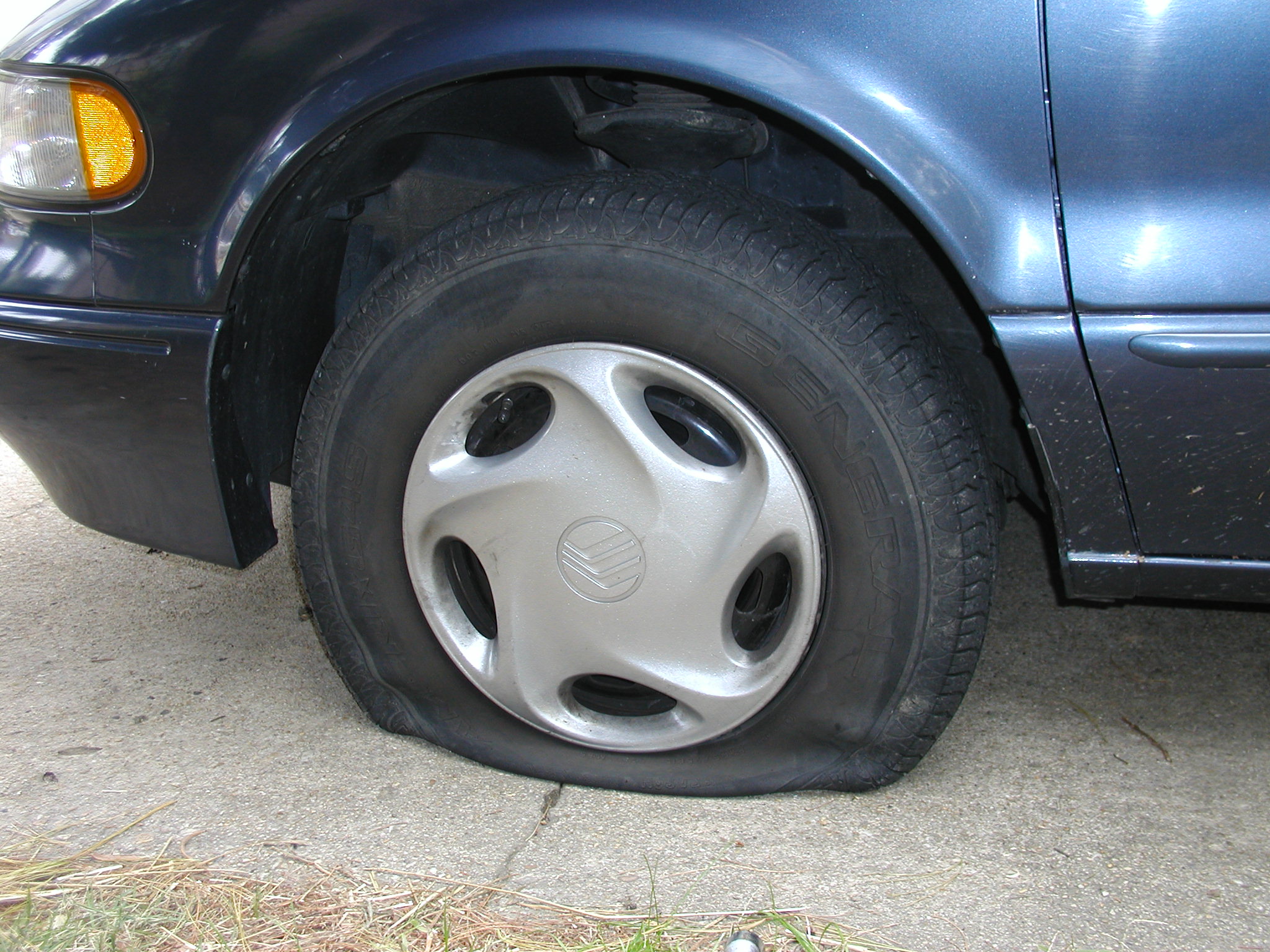
Credit: myersautoks.com
Dangers Of Driving On A Flat Tire
Driving on a flat tire is risky. It can cause serious problems for your car and safety.
Knowing the dangers helps you avoid damage and stay safe on the road.
Damage To The Wheel And Rim
A flat tire can damage the wheel and rim quickly. The rim may bend or crack without tire protection.
Driving on a flat causes metal to rub on the road. This wears down the wheel and may need expensive repairs.
- Bent or cracked rims
- Scratched or worn wheels
- Possible need for wheel replacement
Loss Of Vehicle Control
A flat tire reduces how well you control the car. Steering becomes harder and less precise.
The car may pull to one side or feel unstable. This makes driving dangerous, especially at high speeds.
- Harder steering
- Car pulls to one side
- Unstable feeling while driving
Increased Accident Risk
Driving on a flat tire raises the chance of accidents. The car can skid or stop suddenly without warning.
Other drivers may not expect your car to move erratically. This can cause collisions or dangerous situations.
- Risk of skidding
- Sudden stops or loss of control
- Higher chance of collisions

Credit: www.crossroadshelpline.com
Signs You Shouldn’t Drive
Driving with a flat tire can be dangerous. It can cause more damage to your car and put you at risk. You need to know when it is unsafe to keep driving.
Look for clear signs that show your tire is not okay. These signs help you decide when to stop driving and get help.
Severe Tire Deflation
If your tire loses air quickly or looks very flat, do not drive. Severe deflation makes the tire weak and can cause a blowout. This is very risky on the road.
Driving even a short distance on a severely flat tire can damage the wheel and suspension. It also makes it hard to control your car.
- Tire sidewalls touching the road
- Visible tire damage or collapse
- Car pulling to one side when driving
Unusual Noises And Vibrations
Strange sounds like thumping or scraping mean the tire or wheel is damaged. Vibrations in the steering wheel or seat are also warning signs.
These noises and shakes show the tire is not rolling properly. Driving in this condition can cause accidents or more car damage.
- Thumping or knocking sounds
- Car shaking at low or high speeds
- Uneven or bumpy ride feeling
Warning Lights On Dashboard
Your car may alert you with dashboard lights when there is a tire problem. The tire pressure warning light is the most common sign.
If this light turns on, check your tires right away. Do not ignore it or keep driving, as it means the tire pressure is low and unsafe.
- Tire Pressure Monitoring System (TPMS) light
- Brake system warning lights (if related)
- Check engine light if tire damage affects sensors
What To Do When You Have A Flat
Having a flat tire can be stressful. Knowing what to do helps keep you safe.
Follow simple steps to handle the situation properly and avoid damage to your car.
Pull Over Safely
Find a safe spot to stop your car. Look for a flat area away from traffic.
Use your mirrors and signals before pulling over. Stop on the shoulder or a parking lot.
Use Hazard Lights
Turn on your hazard lights to warn other drivers. This helps prevent accidents.
Keep your hazard lights on while you check the tire and wait for help.
Assess The Tire Condition
Check how bad the flat tire is. Look for visible damage or air loss.
If the tire is badly damaged, do not try to drive far. Call for roadside assistance or change the tire if you can.
Temporary Fixes And Emergency Repairs
Driving with a flat tire is risky and can cause more damage. Sometimes, you need a quick fix to get to a safe place. Temporary fixes can help you move your car short distances.
Emergency repairs are not permanent solutions. They let you drive slowly and carefully until you reach a repair shop.
Using A Spare Tire
A spare tire is a quick way to replace a flat tire. Most cars have a spare in the trunk or under the car. You need a jack and a lug wrench to change the tire.
Spare tires are usually smaller and meant for short distances. Drive slowly and avoid high speeds when using a spare tire.
- Find a safe, flat area to stop
- Loosen lug nuts before lifting the car
- Use the jack to raise the car
- Remove the flat tire and put on the spare
- Tighten the lug nuts securely
- Lower the car and tighten nuts again
Tire Sealants And Inflators
Tire sealants are sprays that plug small holes in tires. They work best for slow leaks or punctures from nails. Inflators add air and seal the hole temporarily.
Sealants do not fix big tire damage. Use them only to drive short distances to a repair shop. Read instructions carefully before use.
- Remove the object causing the leak if possible
- Attach the sealant can to the tire valve
- Spray the sealant into the tire
- Inflate the tire to the correct pressure
- Drive slowly and check tire pressure often
Calling Roadside Assistance
If you cannot fix the flat tire yourself, call roadside assistance. They can change the tire or tow your car to a mechanic. This keeps you safe and avoids further damage.
Keep your roadside assistance number handy. Some services offer help 24/7 and can reach you quickly.
- Provide your exact location
- Explain the tire problem clearly
- Follow safety instructions while waiting
- Stay inside the car if safe to do so
- Prepare payment or membership info
Long-term Tire Maintenance Tips
Taking good care of your tires helps you drive safely and saves money. Regular maintenance keeps tires in good shape for a long time.
Learn simple tips to maintain your tires. These tips include checking tire pressure, rotating tires, and picking quality tires.
Regular Tire Pressure Checks
Check your tire pressure at least once a month. Proper pressure improves fuel efficiency and tire life. Use a reliable pressure gauge for accuracy.
- Check tire pressure when tires are cold
- Compare pressure with the car manufacturer’s recommended levels
- Add air if pressure is too low
- Release air if pressure is too high
- Inspect tires for damage or unusual wear
Proper Tire Rotation
Rotate your tires regularly to ensure even wear. This helps your tires last longer and improves handling. Follow your car’s manual for rotation patterns.
| Rotation Pattern | Recommended Every |
| Front to Rear | 5,000 to 7,000 miles |
| Cross Rotation | 5,000 to 7,000 miles |
| Side to Side (for directional tires) | Check manual |
Choosing Quality Tires
Pick tires that fit your driving needs and climate. Quality tires improve safety and comfort. Look for tires with good tread life and strong sidewalls.
- Check tire size and load rating for your car
- Choose tires with proper traction for weather conditions
- Buy tires from trusted brands or dealers
- Inspect tires for manufacturing dates and defects

Credit: www.hawkchevyperu.com
Legal Considerations And Insurance
Driving with a flat tire can be risky and may break the law. It is important to know the rules and insurance details before driving.
This guide explains traffic laws about flat tires and how insurance covers tire damage.
Traffic Laws Regarding Flat Tires
Many states have laws about driving with a flat tire. Driving on a flat tire may cause accidents or damage roads.
Some rules say you must fix the flat tire before driving further. Others allow slow driving to a safe spot for repair.
- Driving on a flat tire can lead to fines or penalties.
- It is illegal to drive if the flat tire makes the vehicle unsafe.
- Use hazard lights if you must move the car to a safe place.
- Check local traffic laws for exact rules in your area.
Insurance Coverage For Tire Damage
Insurance may cover tire damage depending on your policy type. Standard policies often exclude tire wear or damage.
Comprehensive or collision coverage sometimes pays for tire repairs if damage happens in a covered event.
- Check if your insurance covers tire damage or replacement.
- Damage from road hazards may be covered under certain policies.
- Normal tire wear or flats from nails usually are not covered.
- Contact your insurance agent to understand your coverage.
Frequently Asked Questions
What Happens If You Drive With A Flat Tire?
Driving with a flat tire can damage your wheel and suspension. It may also lead to loss of control. This increases the risk of an accident. Additionally, it can cause further tire damage, requiring a complete replacement. It’s advisable to stop and address the issue immediately.
Can Driving On A Flat Tire Ruin The Rim?
Yes, driving on a flat tire can damage the rim. The tire won’t provide enough cushioning and can lead to direct contact. This can warp or crack the rim, leading to costly repairs. It’s best to replace or repair the tire promptly to avoid further damage.
How Far Can You Drive With A Flat Tire?
Driving on a flat tire should be limited to a few hundred feet. This is only to move to a safe location. Prolonged driving can cause severe damage to the tire, rim, and suspension. Always prioritize safety and address the flat tire as soon as possible.
Is It Illegal To Drive With A Flat Tire?
While not explicitly illegal, driving with a flat tire is dangerous. It poses risks to you and other road users. Authorities may issue fines if deemed reckless. It’s essential to maintain vehicle safety standards and address any tire issues promptly to ensure compliance with traffic laws.
Conclusion
Driving on a flat tire is risky and can cause more damage. It reduces control and makes the car unsafe. Stop the vehicle as soon as you notice the flat. Replace the tire with a spare or call for help.
Regular tire checks can prevent flats and keep you safe. Stay cautious and act quickly to avoid accidents. Your safety should always come first on the road.