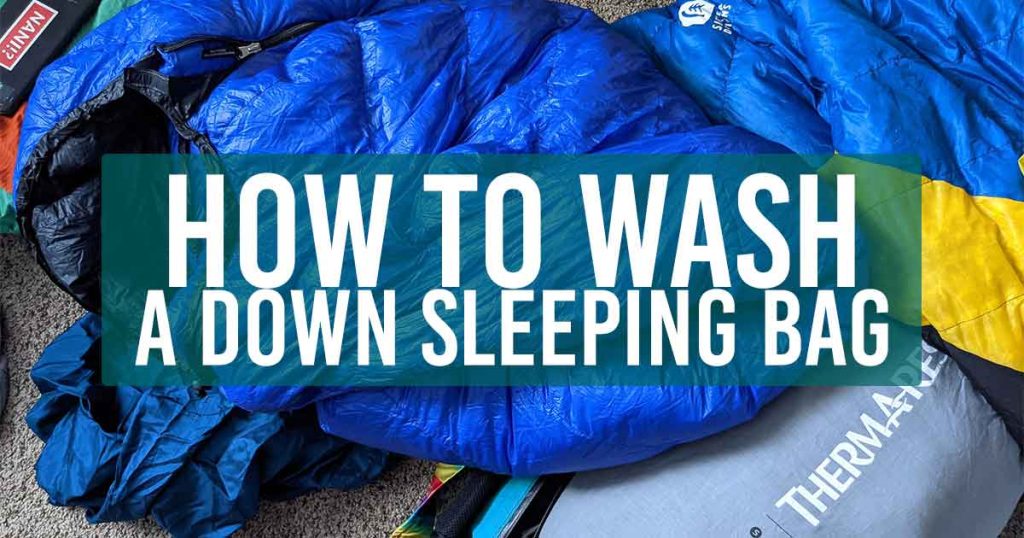
Ever wondered if you can toss your sleeping bag into the dryer? You’re not alone.
Whether you’ve just returned from a rainy camping trip or washed your sleeping bag for the first time, drying it properly can be a bit puzzling. You might be concerned about damaging the material or losing its cozy warmth. But worry not! This article will unravel the mystery of drying sleeping bags safely and effectively.
Dive in to discover the do’s and don’ts, and ensure your sleeping bag is always ready for your next adventure.
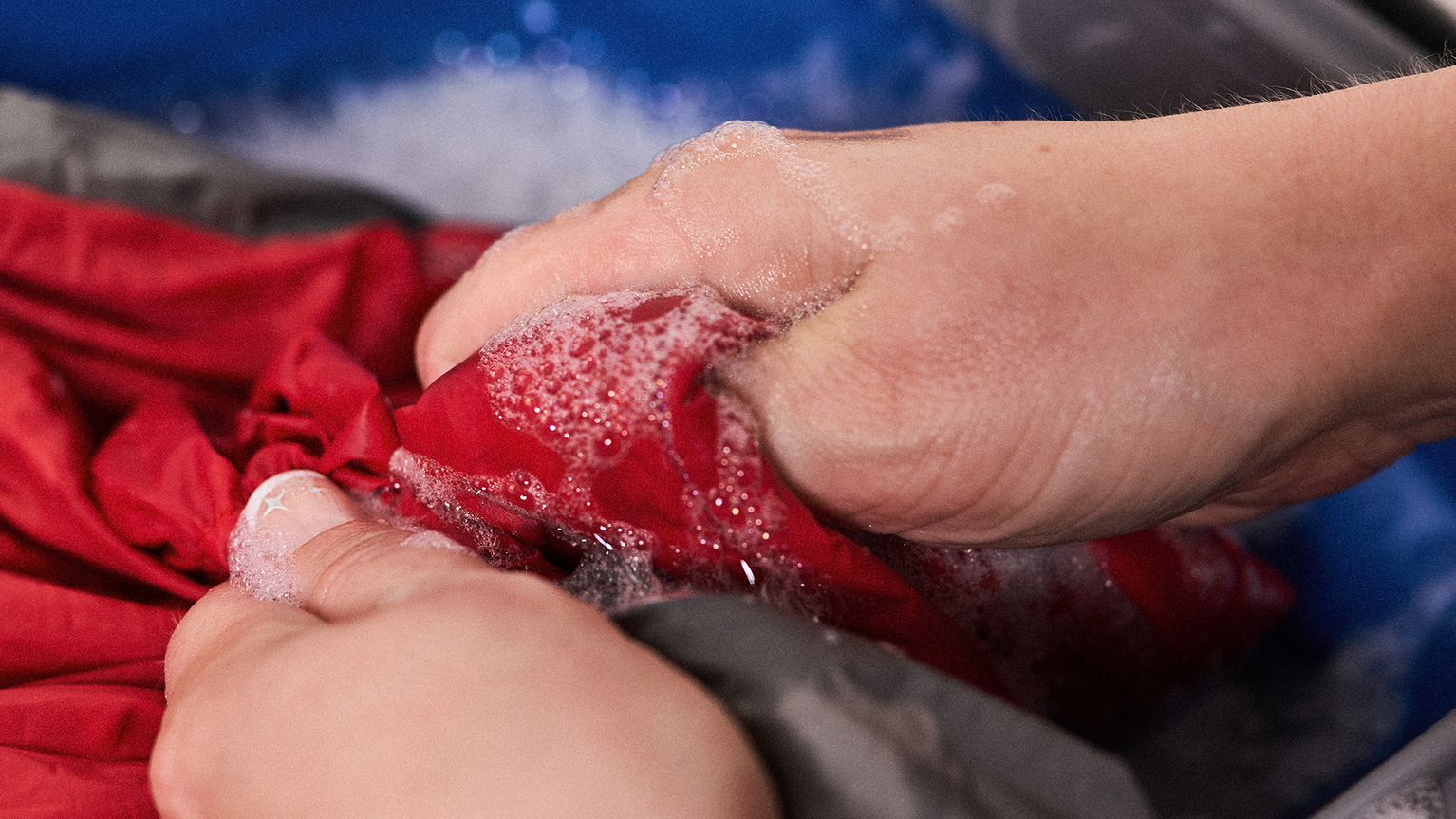
Credit: www.ellis-brigham.com
Choosing The Right Dryer Settings
Drying a sleeping bag in a dryer needs care. Using the correct settings helps keep it safe.
Wrong settings can damage the fabric or fill inside the sleeping bag. Choose wisely for good results.
Low Heat Vs High Heat
Low heat is safer for sleeping bags. It dries slowly and protects the material from damage.
High heat may dry faster but can harm the fabric and stuffing. It can cause shrinkage or melting.
- Low heat keeps the sleeping bag soft and fluffy
- High heat risks melting synthetic fibers or damaging down feathers
- Use low heat for cotton, down, or synthetic sleeping bags
- Check the care label for temperature instructions
Using Delicate Or Air Fluff Modes
Delicate mode uses gentle drying action and low heat. It helps keep the sleeping bag safe.
Air fluff mode uses no heat. It moves air to dry the bag slowly without heat damage.
- Delicate mode protects the filling and fabric
- Air fluff is best if the bag needs freshening without full drying
- Both modes reduce wear and tear on the sleeping bag
- Use dryer balls to help fluff the sleeping bag while drying
Preparing Your Sleeping Bag
Drying a sleeping bag in a dryer needs proper preparation. Getting it ready helps keep the bag safe and clean.
This guide covers how to clean before drying and how to remove extra moisture.
Cleaning Before Drying
Always clean your sleeping bag before drying it in a machine. Dirt and oils can damage the fabric if left on.
- Check the care label for washing instructions.
- Use a gentle detergent made for delicate fabrics.
- Hand wash or use a front-load washing machine on a gentle cycle.
- Rinse thoroughly to remove all soap.
- Avoid bleach or fabric softeners.
Removing Excess Moisture
Before placing the sleeping bag in the dryer, remove as much water as possible. This helps prevent damage and speeds up drying.
| Method | Description |
|---|---|
| Gentle Squeeze | Press the sleeping bag softly to push out water without wringing. |
| Towel Roll | Lay the bag on a dry towel, roll it tightly, and press to absorb moisture. |
| Spin Cycle | Use a washing machine’s spin cycle to remove water carefully. |
Dryer Safety Tips
Drying a sleeping bag in a dryer needs care to keep it safe. Using the dryer the right way protects the bag and keeps it warm.
Follow simple safety tips to avoid damage and keep insulation fluffy. These tips help your sleeping bag last longer and work better.
Avoiding Damage To Fabric
Sleeping bags have delicate fabrics that heat can harm. Drying on high heat can cause tears or melting. Use low heat settings only.
- Check the sleeping bag label for dryer instructions.
- Use a gentle or low heat cycle in the dryer.
- Avoid overloading the dryer to reduce friction.
- Use dryer balls or clean tennis balls to protect fabric.
- Remove the bag promptly to prevent wrinkles or heat spots.
Preventing Clumping Of Insulation
Insulation inside the sleeping bag can clump if dried incorrectly. Clumps lower warmth and comfort. Use careful drying to keep insulation spread out.
| Tip | Reason |
| Dry on low heat | Prevents insulation damage and melting |
| Use dryer balls | Keeps insulation loose and fluffy |
| Pause and shake the bag | Breaks up clumps during drying |
| Dry completely | Stops mildew and bad smells |
Alternative Drying Methods
Drying a sleeping bag in a dryer can be risky. Some bags may get damaged or lose loft. Using other drying methods keeps your sleeping bag safe.
These alternative ways help your sleeping bag dry fully without heat damage. They also keep the insulation fluffy and warm.
Air Drying Techniques
Air drying is the safest way to dry a sleeping bag. It uses natural air to remove moisture gently. Find a clean, dry place to hang your sleeping bag.
Spread the bag out evenly. Avoid direct sunlight to prevent fabric damage. Turn the bag occasionally to dry all sides well.
- Hang the sleeping bag on a sturdy line or rack
- Keep it away from direct sunlight and heat sources
- Flip and shake it every few hours
- Allow plenty of time for full drying
Using Dryer Balls For Fluffing
Dryer balls help keep a sleeping bag fluffy after washing. They bounce around inside the dryer and separate the insulation. This stops clumps from forming.
Use wool or plastic dryer balls. Set your dryer on low heat or air fluff mode. This method reduces drying time and keeps the bag soft.
- Place sleeping bag and dryer balls together
- Use low heat or no heat setting
- Check the bag often to prevent overheating
- Remove when the bag feels dry and fluffy
Signs Your Sleeping Bag Is Fully Dry
Drying a sleeping bag in a dryer can be quick and effective. It is important to know when the bag is completely dry. Wet spots can cause mold or bad smells.
Checking your sleeping bag carefully helps keep it fresh and warm for your next trip. Here are key signs to look for.
Checking For Damp Spots
Feel the sleeping bag inside and outside. Damp spots feel cooler and heavier than dry areas. Check especially near seams and corners.
- Press lightly with your hand to test for moisture.
- Look for darkened areas that may show wetness.
- Smell the bag for any damp or musty odor.
- Spread the bag out flat to spot wet patches easily.
Ensuring Insulation Recovery
Drying restores the loft of insulation in your sleeping bag. Proper loft means the bag traps warm air well.
| Insulation Check | What to Look For |
| Loft | Fluffy and springy, not flat or compacted |
| Weight | Feels light and airy, not heavy or damp |
| Feel | Soft and cushioned, not stiff or hard |

Credit: alpkit.com
Maintenance After Drying
After drying your sleeping bag, taking care of it properly helps keep it soft and warm. Good maintenance can prevent damage and keep it ready for your next trip.
Proper storage and care extend your sleeping bag’s life. Follow simple tips to protect the insulation and fabric after drying it in the dryer.
Proper Storage Tips
Storing your sleeping bag correctly avoids crushing the insulation and keeps it fresh. Never store it tightly packed after drying.
- Store your sleeping bag loosely in a large cotton or mesh storage sack.
- Keep it in a cool, dry place away from direct sunlight.
- Avoid damp areas to prevent mildew and odors.
- Do not hang it by the loops for long periods; this can stretch the fabric.
- Air it out occasionally to keep it fresh.
Extending Sleeping Bag Lifespan
Small habits after drying help your sleeping bag last longer. Handle it gently and keep it clean to protect the filling.
| Care Tip | Why It Helps |
| Use low heat when drying | Prevents damage to insulation and fabric |
| Clean stains promptly | Avoids permanent marks and fabric breakdown |
| Store loosely, not compressed | Keeps insulation fluffy and effective |
| Keep away from sharp objects | Prevents tears and holes |
| Use a liner inside the bag | Reduces dirt and sweat buildup |
Credit: cascadedesigns.com
Frequently Asked Questions
Can You Put Any Sleeping Bag In A Dryer?
Not all sleeping bags are dryer-safe. Always check the care label for specific drying instructions. Use low heat for synthetic bags. For down sleeping bags, use a no-heat or air-dry setting to prevent damage.
How Long Does It Take To Dry A Sleeping Bag In Dryer?
Drying time varies by bag type and dryer settings. Generally, it takes 1 to 3 hours on low heat. Frequent fluffing during drying helps restore loft and speeds up the process.
What Dryer Settings Are Best For Sleeping Bags?
Use low heat or air fluff settings. High heat can damage insulation and fabric. Add dryer balls or clean tennis balls to maintain loft while drying.
Can Drying A Sleeping Bag Damage Its Insulation?
Yes, high heat can melt synthetic fibers or clump down insulation. Always use gentle settings to preserve the bag’s warmth and longevity.
Conclusion
Drying a sleeping bag in a dryer can be safe with care. Use low heat to protect the fabric and filling. Avoid high temperatures that might damage the insulation. Add clean tennis balls to keep the filling fluffy. Check the bag often to prevent overheating.
Air drying after a short dryer cycle helps too. This method saves time and keeps your sleeping bag ready. Always follow the care label instructions for best results. Drying your sleeping bag properly ensures comfort on your next trip.