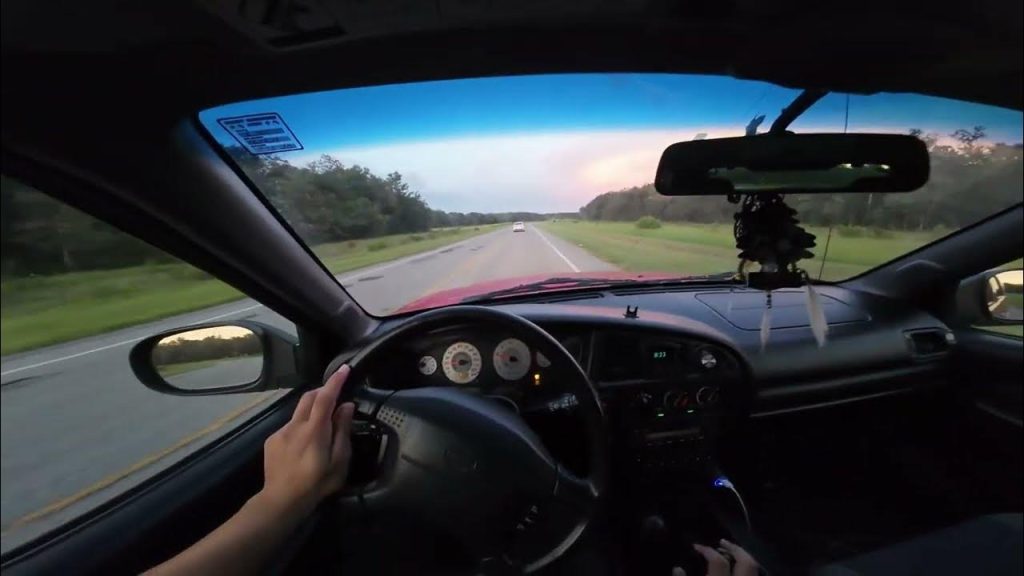
Ever wondered if you can float gears in a car? If you’ve ever been curious about how seasoned drivers make gear shifting look so smooth, you’re not alone.
Floating gears, a technique often used by truck drivers, can be a fascinating skill to learn. But can you apply this technique to your everyday car? This topic not only piques the interest of car enthusiasts but also raises questions about the potential benefits and risks involved.
Before you dive into trying it out yourself, it’s essential to understand what floating gears really means and how it can impact your driving experience. Stick around, because by the end of this article, you’ll have all the insights you need to decide if floating gears is something you want to try in your car.
What Is Floating Gears
Floating gears is a driving technique used with manual transmissions. It means shifting gears without using the clutch pedal. Drivers use this method to change gears smoothly and quickly.
The technique involves matching the engine speed to the transmission speed. This balance allows the gears to engage without grinding. Floating gears requires skill and practice to avoid damaging the car.
How Floating Gears Works
Floating gears rely on matching engine and gear speeds. The driver lets the clutch pedal stay up. Instead, they adjust the throttle to sync speeds. Then, the gear lever moves into the next gear smoothly.
Why Drivers Float Gears
- Reduce wear on the clutch parts
- Shift faster during driving
- Maintain better control in certain situations
- Useful in heavy traffic or off-road driving
When Not To Float Gears
- New or inexperienced drivers should avoid it
- Cars with sensitive transmissions may get damaged
- Floating gears is risky if engine speed is not matched

Credit: www.reddit.com
Benefits Of Floating Gears
Floating gears in a car might sound risky, but it actually offers some clear benefits if done correctly. This technique can improve your driving experience by giving you better control and smoother transitions between gears. Understanding these benefits helps you decide if floating gears fits your driving style.
Improved Gear Shift Smoothness
Floating gears can reduce the jerks and jolts that often come with traditional gear shifting. By matching the engine speed with the transmission speed, you create smoother transitions. This makes your ride more comfortable, especially during long drives or stop-and-go traffic.
Reduced Wear And Tear On Transmission
One big advantage is less strain on your car’s transmission system. When gears mesh smoothly, parts experience less friction and pressure. This can extend the life of your gearbox and save you money on repairs in the long run.
Better Fuel Efficiency
Floating gears can help you use fuel more efficiently by keeping the engine running at optimal speeds. When you avoid unnecessary clutch use and rev matching, your car uses less fuel. Over time, this small change can lead to noticeable savings at the pump.
Enhanced Driving Control
Have you ever felt like your car jerks unexpectedly when changing gears? Floating gears give you more control over the shift timing and engine speed. This control lets you react better to road conditions, giving you a safer and more confident drive.
Less Clutch Wear
Because you rely more on engine speed adjustment rather than clutch engagement, the clutch plate wears out slower. This means fewer clutch replacements and lower maintenance costs. For drivers who shift frequently, this benefit is especially valuable.
Risks Involved
Floating gears in a car means shifting without using the clutch. This technique can seem smooth and quick. Yet, it carries several risks. Understanding these dangers helps protect your car’s transmission and ensures safer driving.
Increased Wear On Transmission Components
Floating gears cause extra stress on the transmission parts. The gears may grind against each other. This wear leads to early damage and costly repairs. Over time, the transmission’s lifespan shortens noticeably.
Risk Of Gear Slippage
Without the clutch, gears might not fully engage. This causes slippage, reducing power to the wheels. Slipping gears can also lead to sudden jerks. These jerks affect vehicle control and passenger comfort.
Damage To Synchronizers
Synchronizers help match gear speeds during shifts. Floating gears bypass clutch control, stressing these parts. Damaged synchronizers result in harder shifts and gear noise. Repairing or replacing them can be expensive.
Increased Risk Of Transmission Failure
Repeated floating gears can cause major transmission failure. The transmission may seize or stop working suddenly. This failure can leave you stranded and require a full rebuild.
Safety Concerns On The Road
Floating gears affect smooth control of the vehicle. Unexpected jerks or gear slips may surprise other drivers. This loss of control raises the chance of accidents. Safe driving requires reliable gear shifting methods.

Credit: www.reddit.com
When To Use Floating Gears
Floating gears can be a useful driving technique, but knowing when to use them is crucial. It’s not something you want to try all the time, as improper use can cause wear or damage. Understanding the right moments to float gears helps you drive more smoothly and can even save fuel.
Shifting Gears On Slippery Roads
Floating gears is especially handy on slippery surfaces like ice or wet roads. Instead of using the clutch to shift, you can let the gear synchronize by carefully matching engine speed. This reduces the chance of wheel spin and helps maintain better control.
Have you ever struggled to shift gears smoothly on a slick patch? Floating might be the technique to try next time.
Downshifting Without Using The Clutch
If you need to slow down quickly but don’t want to wear out your clutch, floating gears during downshifts can help. By carefully adjusting your engine speed, you can slip into a lower gear without pressing the clutch pedal. This requires a good sense of timing but keeps your clutch from unnecessary wear.
Think about how often you press the clutch hard when slowing down—could floating gears ease that stress on your car?
Fuel Efficiency On Long Drives
Some drivers use floating gears to improve fuel efficiency on highways. By smoothly transitioning between gears without the clutch, you can maintain momentum and reduce fuel consumption. However, this technique demands precision and practice to avoid engine strain.
Imagine cruising down the highway with fewer gear shifts—would saving a bit of fuel make the effort worthwhile?
When Not To Use Floating Gears
Floating gears isn’t suited for every situation. Avoid it in heavy traffic or stop-and-go conditions where frequent, quick shifts are needed. Also, if you’re new to driving, sticking to traditional shifting methods is safer until you get more experience.
Are you confident in your gear-shifting skills, or is this a technique best saved for more skilled drivers?
How To Float Gears Properly
Floating gears is a driving skill that helps shift gears without using the clutch pedal. This technique requires smooth coordination between the engine and transmission. Doing it right can make driving smoother and save wear on the clutch. Practice is key to mastering floating gears safely and effectively.
Matching Engine And Transmission Speed
To float gears, match the engine speed with the transmission speed. This means the engine RPM should fit the gear you want to engage. Listen to the engine sound and feel the car’s speed. Adjust the throttle to raise or lower the engine speed gently. When both speeds match, the gear will slide in smoothly without grinding.
Clutch Control Techniques
Even though clutch use is minimal when floating gears, control is still important. Lightly press the clutch to release the current gear, then release it carefully once the new gear starts to engage. Avoid fully releasing the clutch too fast, as this can cause jerking. Practice soft clutch control to keep the shift smooth and safe.
Timing Your Shifts
Timing is crucial for floating gears. Shift at the right moment when engine and transmission speeds align. Do not rush or hold the gear lever too long between gears. Shift smoothly and quickly to avoid damage. Watch the tachometer and listen to engine noise to know the perfect time for shifting.
Common Mistakes To Avoid
Floating gears can save time but requires skill and care. Many drivers make mistakes that harm the transmission. Avoiding these errors protects your car and keeps it running smoothly.
Forcing The Gear Shift
Shifting without matching engine speed causes grinding. This damages gears and leads to costly repairs. Always listen to the engine and shift gently.
Ignoring Engine Speed Matching
Floating gears need precise engine speed control. Shifting at wrong RPMs stresses the transmission. Practice syncing engine speed before shifting.
Using Floating Gears In Heavy Traffic
Stop-and-go traffic is not suitable for floating. Frequent shifting increases wear and reduces control. Use normal shifting methods in busy areas.
Not Practicing Enough
Floating gears requires practice and confidence. Attempting without experience risks damage and unsafe driving. Practice in safe places before trying on roads.
Skipping Clutch Use Completely
Some clutch use helps protect the transmission. Floating with zero clutch use can cause wear. Use the clutch lightly when necessary.
Floating Gears In Different Cars
Floating gears can feel like a cool driving trick, but how you do it depends a lot on the type of car you’re in. Not every transmission handles floating gears the same way. Understanding the differences helps you decide if it’s safe or even possible to try in your vehicle.
Manual Transmissions
Floating gears in manual transmissions means shifting without using the clutch. It’s tricky because you have to match the engine speed perfectly with the transmission speed. If you get it wrong, the gears can grind or the car can jerk unexpectedly.
Some drivers enjoy the smoothness and speed it can offer once mastered. But it takes practice and a good feel for your car’s engine. Have you ever tried floating gears in your manual car? How did it feel?
Dual-clutch Systems
Dual-clutch transmissions (DCT) use two clutches for faster gear changes, making floating gears almost unnecessary. These systems are designed to shift quickly and smoothly without driver intervention. Trying to float gears in a DCT can confuse the system and cause wear.
Since the computer handles clutch engagement, forcing floating shifts might lead to unexpected behavior. So, if you drive a car with DCT, it’s usually better to let it do its job. Would you try to override such technology, or trust the system?
Automated Manual Transmissions
Automated manual transmissions (AMT) combine manual gearboxes with automated clutches. They allow gear changes without a clutch pedal but still rely on the system to engage and disengage properly. Floating gears here is generally not recommended because the system isn’t designed for it.
Attempting to shift without letting the system do its work can cause damage or jerky shifts. If you want smooth gear changes, it’s best to follow the car’s built-in process. How much control do you want over shifting when driving an AMT car?
Expert Tips For Smooth Shifting
Shifting gears smoothly is key to floating gears effectively in your car. It takes more than just moving the gear lever—you need to tune into your car’s behavior and develop a feel for its engine. Here are some expert tips to help you shift gears seamlessly and protect your transmission.
Listening To Engine Sound
Your engine’s sound is like a natural guide. When you listen closely, you can tell exactly when to shift gears without relying solely on the tachometer. A rising pitch usually means it’s time to shift up, while a dropping pitch signals a downshift.
Try this: next time you drive, focus on how your engine sounds at different speeds. Does the tone change before you feel the car struggle or lag? This awareness helps you float gears without jerking or stalling.
Using Rpm Indicators
RPM (Revolutions Per Minute) indicators offer a clear, visual cue for smooth shifting. Most drivers find it helpful to shift at consistent RPM ranges suited for their car’s make and model.
Check your car’s manual for recommended RPM zones. Staying within these ranges while floating gears prevents engine strain and improves fuel efficiency. You don’t have to shift exactly at the redline; aim for the sweet spot where the engine runs smoothly.
Practice And Patience
Floating gears isn’t a skill you master overnight. It demands practice and patience to understand your car’s unique responses. Even experienced drivers occasionally miss the perfect moment to shift.
Spend time driving in safe, low-traffic areas to experiment with clutch control and timing. Notice how small adjustments affect smoothness. Your confidence will grow, and so will your ability to float gears effortlessly.

Credit: www.youtube.com
Frequently Asked Questions
What Does It Mean To Float Gears In A Car?
Floating gears means shifting gears without using the clutch. Drivers match engine speed with road speed for smooth transitions. It requires skill and experience to avoid damaging the transmission or gears.
Is Floating Gears Harmful To My Car’s Transmission?
Yes, floating gears can cause excessive wear and tear on the transmission. Improper timing or technique can lead to gear grinding and costly repairs. It’s best avoided unless you’re trained or experienced.
Can Floating Gears Improve Fuel Efficiency?
Floating gears might slightly improve fuel efficiency by reducing clutch use. However, the risk of damaging the transmission often outweighs potential fuel savings. Using the clutch properly is safer and more reliable.
Which Cars Allow Floating Gears Safely?
Manual transmission vehicles with robust gearboxes, like trucks or racing cars, are better suited for floating gears. Most standard passenger cars are not designed for this technique and may suffer damage.
Conclusion
Floating gears in a car is a technique some drivers try. It can save fuel but may cause gear wear if done wrong. Smooth shifting and good timing matter a lot. Always pay attention to your car’s response. Practice helps you know when to float gears safely.
Remember, not all cars work well with this method. Use caution to avoid damage and keep your car running well. Driving smart keeps your vehicle healthy and your ride comfortable.