
The Future of Canine Conservation: Can You Freeze a Dog’s Sperm? As a dog owner, you’ve probably thought about the best ways to ensure your furry friend’s legacy lives on.
Whether it’s through breeding, adoption, or simply cherishing memories, you want to make the most of the time you have with your beloved pet. But what if you could preserve your dog’s genetic material for generations to come? The answer lies in dog sperm freezing, a revolutionary technique that’s sparking interest among dog owners, breeders, and conservationists alike.
We’ll delve into the fascinating world of dog sperm freezing and explore the possibilities and limitations of this cutting-edge technology. Are you ready to learn more about how you can preserve your dog’s genetic heritage and potentially change the face of canine conservation forever?
The Science Behind Dog Sperm Freezing
Freezing a dog’s sperm involves careful science and technology. It helps preserve genetic material for future use. This process allows breeders to store sperm for years. The science behind dog sperm freezing ensures the sperm stays alive and healthy after thawing.
The Process Of Cryopreservation
Cryopreservation means freezing sperm at very low temperatures. First, the sperm is collected from a healthy dog. Next, it is mixed with a special solution called a cryoprotectant. This solution protects sperm cells from damage during freezing.
The sperm is then slowly cooled to avoid ice crystals. Ice crystals can harm sperm cells and reduce fertility. After reaching very low temperatures, the sperm is stored in liquid nitrogen at -196°C. It can stay frozen for many years without losing quality.
Factors Affecting Sperm Freezing Success
Several factors influence how well sperm survives freezing. The dog’s health and sperm quality matter a lot. Fresh, high-quality sperm usually freezes better. The type of cryoprotectant and freezing speed also impact success.
Proper thawing is important to keep sperm alive. Thawing too quickly or slowly can damage cells. Storage conditions and time frozen affect sperm survival too. Careful handling at every step improves chances of success.
Current Techniques And Technologies
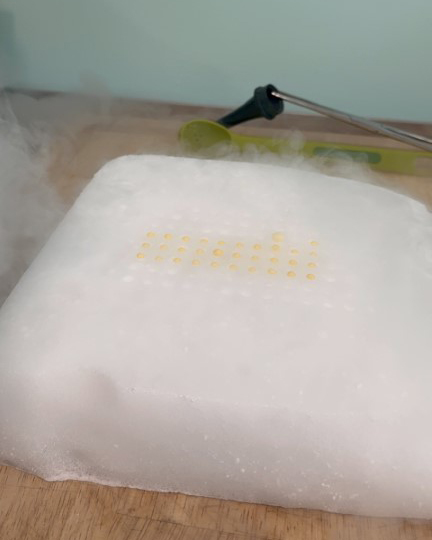
Modern freezing methods use advanced machines for precise cooling. Controlled-rate freezers allow slow, steady temperature drops. This reduces ice crystal formation and cell damage.
New cryoprotectants protect sperm better than older ones. Some labs use vitrification, a fast freezing method that prevents ice crystals entirely. Computer systems monitor storage tanks to keep stable temperatures.
Advances in technology help increase sperm survival rates and fertility after thawing. These improvements make sperm freezing a reliable option for breeders and veterinarians.
Benefits Of Freezing A Dog’s Sperm
Freezing a dog’s sperm offers many advantages for breeders and pet owners. It helps keep valuable genetics safe for future use. This process supports breeding goals and overcomes challenges that arise with natural breeding.
Stored sperm can be used later without the need for the male dog to be present. This flexibility benefits breeding programs and preserves important bloodlines. The ability to freeze sperm also helps manage fertility issues and expands breeding possibilities worldwide.
Preserving Pedigree Lines And Breeding Stocks
Freezing sperm helps protect prized pedigree lines from being lost. It keeps the genetic material of top dogs available for many years. Breeders can maintain diverse and strong bloodlines even if the dog ages or dies.
This preservation supports careful selection and improvement of dog breeds. It allows breeders to plan matings without time pressure. The genetic legacy of champion dogs stays intact.
Solving The Problem Of Male Infertility
Freezing sperm offers a solution for dogs with fertility problems. It allows sperm to be collected during the dog’s fertile period. Later, the sperm can be used even if the dog’s fertility declines.
This method increases the chances of successful breeding. It helps continue valuable genetic lines despite natural fertility challenges. Breeders gain control over the breeding process.
Enabling International Breeding Programs
Frozen sperm removes distance barriers between breeders worldwide. It allows dogs in different countries to contribute to breeding programs. Transporting sperm is easier and safer than moving dogs.
This expands the gene pool and improves breed quality globally. It creates more opportunities for partnerships and genetic exchange. Breeders can access rare or sought-after genetics without travel.
The Challenges Of Sperm Freezing In Dogs
Freezing a dog’s sperm is a complex task. It involves many challenges that affect success. The process must keep the sperm alive and healthy. Many factors can reduce sperm quality during freezing and thawing. Understanding these challenges helps improve the results of sperm preservation.
Sperm Quality And Viability
Sperm quality starts before freezing. Healthy sperm have good movement and shape. Freezing can damage sperm membranes and reduce viability. Ice crystals form inside cells, causing injury. Poor sperm quality lowers the chance of fertilization after thawing. Testing sperm before freezing ensures only the best samples are used.
The Role Of Cryoprotectants And Cooling Rates
Cryoprotectants protect sperm during freezing. They stop ice crystals from forming inside cells. Choosing the right cryoprotectant is vital. Cooling rates must be carefully controlled. Too fast cooling causes cell damage. Too slow cooling allows ice crystals to grow. Finding the perfect balance improves sperm survival.
Thawing And Handling Techniques
Thawing is as important as freezing. Rapid thawing helps reduce ice crystal damage. Handling sperm gently during thawing keeps cells intact. Using warm water baths with the right temperature is common. After thawing, sperm must be used quickly. Poor handling can lower sperm fertility even if freezing was perfect.
Credit: icsb.technicalrs.net
Real-world Applications Of Frozen Canine Sperm
Frozen canine sperm offers practical solutions that extend far beyond simple storage. It allows breeders and conservationists to maintain genetic diversity and improve breeding programs without the constraints of time and location. Understanding these real-world applications can help you appreciate the full potential of this technology.
Case Studies And Success Stories
Several breeders have successfully used frozen sperm to produce healthy litters after years of storage. One notable case involved a champion stud dog whose sperm was frozen early in his career. Years later, his genetics were used to breed puppies, ensuring his valuable traits continued.
Another story comes from a rescue organization that preserved sperm from a rare breed facing population decline. Their efforts led to the birth of puppies that helped stabilize the breed’s numbers. These examples show how frozen sperm can be a powerful tool in both everyday breeding and urgent conservation efforts.
The Impact On Dog Breeding And Conservation
Frozen sperm lets you breed dogs across great distances without moving animals or waiting for optimal timing. It opens doors for mixing genetics from different regions, improving breed health and variety. This technology also reduces the risk of spreading diseases during breeding.
Conservationists use frozen sperm to preserve endangered breeds and maintain genetic diversity. This is crucial when natural mating is impossible or impractical. By freezing sperm, you can create a genetic bank that supports future breeding programs and protects against loss of valuable traits.
Future Directions And Research Opportunities
Research is ongoing to improve freezing techniques and sperm viability after thawing. Scientists are exploring ways to enhance fertility rates and reduce damage during the freezing process. You might see advances that make frozen sperm even more reliable and accessible in the near future.
There is also growing interest in applying this technology to wild canine species. Could frozen sperm help save wolves or foxes from extinction? These possibilities highlight how your involvement in this field could contribute to important breakthroughs.
Regulatory And Ethical Considerations
Freezing a dog’s sperm involves more than just science. It raises important rules and moral questions. Understanding these helps owners and breeders act responsibly. Regulations and ethics protect the animals and maintain trust in breeding practices.
Laws And Regulations Governing Sperm Freezing
Different countries have specific laws on animal reproduction. These laws control how sperm is collected, stored, and used. Some regions require licenses for sperm freezing facilities. Animal welfare laws also apply to protect the dog’s health during the process.
Rules often cover:
- Consent from the dog owner
- Proper handling and storage of sperm
- Record-keeping for breeding purposes
- Transportation guidelines for frozen sperm
Following these laws avoids legal problems and ensures safe practices.
Ethical Concerns And Debate
Using frozen sperm raises ethical questions. Some worry about the dog’s well-being during collection. Others question if breeding for certain traits is right. Overbreeding can harm the breed’s health and genetic diversity.
Ethics also consider:
- Respect for the animal’s natural life cycle
- Welfare of puppies born from frozen sperm
- Impact on breed populations
Ethical breeding aims to balance benefits and harm carefully.
The Need For Standardization And Quality Control
Freezing dog sperm requires strict quality control. Standards help keep sperm viable and reduce risks. They ensure the sperm is safe and effective for breeding. Standard methods protect the dog’s health and the puppies’ quality.
Quality control includes:
- Testing sperm before and after freezing
- Maintaining clean, sterile equipment
- Proper training for staff handling the process
- Regular audits of freezing facilities
Clear standards build trust and improve breeding outcomes.
Credit: caninep4.com
The Future Of Canine Reproduction And Sperm Freezing
The future of canine reproduction is changing fast. Freezing a dog’s sperm has opened new doors in breeding and veterinary care. This technique helps keep valuable genes safe for years. It also offers new ways to support dog health and species preservation.
Advancements In Technology And Techniques
Freezing dog sperm is more effective today than before. Scientists improved freezing methods to protect sperm cells better. Special chemicals help sperm survive low temperatures. New machines control freezing speed for best results. These advances increase the chance of successful breeding later.
Potential Applications In Veterinary Medicine
Frozen sperm helps veterinarians treat fertility issues. It allows breeding without moving the dogs. This reduces stress and risk of injury. Frozen sperm also aids genetic testing and disease control. Vets can store sperm from healthy dogs as a backup. This helps keep breeding programs safe and diverse.
The Role Of Sperm Freezing In Preserving Biodiversity
Freezing sperm supports the survival of rare dog breeds. It preserves genetic diversity by saving unique traits. This helps fight loss of breed characteristics over time. Frozen sperm banks act like a genetic library. They protect against diseases and disasters affecting dog populations.

Credit: www.gundogmag.com
Frequently Asked Questions
Q: Is Dog Sperm Freezing A Viable Fertility Option?
A: Dog sperm freezing is a viable fertility option for canine reproduction, allowing for long-term preservation of genetic material. This technique is commonly used in breeding programs and can help maintain a dog’s genetic lineage.
Q: What Are The Benefits Of Freezing Dog Sperm?
A: Freezing dog sperm offers benefits such as convenience, flexibility, and the ability to store genetic material for future use. It also helps maintain a dog’s breeding capabilities even after retirement or passing.
Q: How Does Dog Sperm Freezing Work?
A: Dog sperm freezing involves collecting, processing, and storing the sperm at extremely low temperatures using liquid nitrogen. This method helps preserve the sperm’s viability and genetic integrity for long-term storage and potential future use.
Q: Is Dog Sperm Freezing A Common Practice?
A: Dog sperm freezing is a relatively common practice in the canine breeding industry, particularly among breeders and owners of high-value or rare breeds.
Conclusion
Freezing a dog’s sperm is a complex process that requires expertise. Specialized facilities and trained professionals are necessary for success. This technique is mainly used for breeding purposes, not as a replacement for natural mating. Preserving genetic diversity is a significant advantage of sperm freezing.
It allows breeders to select the best sires and maintain healthy lines. Sperm freezing is a valuable tool for responsible dog breeding and conservation efforts. With careful consideration and proper handling, frozen sperm can be a valuable resource for dog breeders worldwide.