
Have you ever found yourself with leftover beef broth and wondered if you can freeze it for later use? You’re not alone.
Many people find themselves in the same situation, trying to make the most out of their ingredients without wasting a single drop. Imagine the convenience of having rich, flavorful beef broth ready to go whenever you need it. By learning whether you can freeze beef broth, you could save time, reduce waste, and always have a delicious base for your soups, stews, or sauces.
We’ll uncover the truth about freezing beef broth, giving you the confidence to make informed decisions in your kitchen. Keep reading to discover how this simple trick can transform your cooking routine and make your life a little easier.
Benefits Of Freezing Beef Broth
Freezing beef broth is a smart move that can save you time and reduce waste in your kitchen. It lets you store extra broth for future meals without worrying about it spoiling. Plus, freezing helps keep the rich flavors intact, so you can enjoy hearty dishes anytime.
Preserves Freshness And Flavor
Freezing beef broth locks in its fresh taste and nutrients. Unlike refrigeration, freezing slows down the breakdown of flavors, keeping your broth rich and savory. Have you ever noticed how leftover broth sometimes tastes bland? Freezing prevents that from happening.
Extends Shelf Life
Beef broth can spoil quickly if left in the fridge for too long. Freezing extends its shelf life from a few days to several months. This means you can batch-cook broth and use it whenever you want without rushing.
Saves Time And Effort
Cooking broth from scratch takes hours, but freezing lets you skip that step later. When you need broth for soups or sauces, just thaw a portion instead of starting from zero. This saves you precious cooking time on busy days.
Reduces Food Waste
Have you ever thrown away broth because it went bad? Freezing helps you avoid that. By preserving leftovers, you minimize waste and get full value from your ingredients.
Offers Portion Control
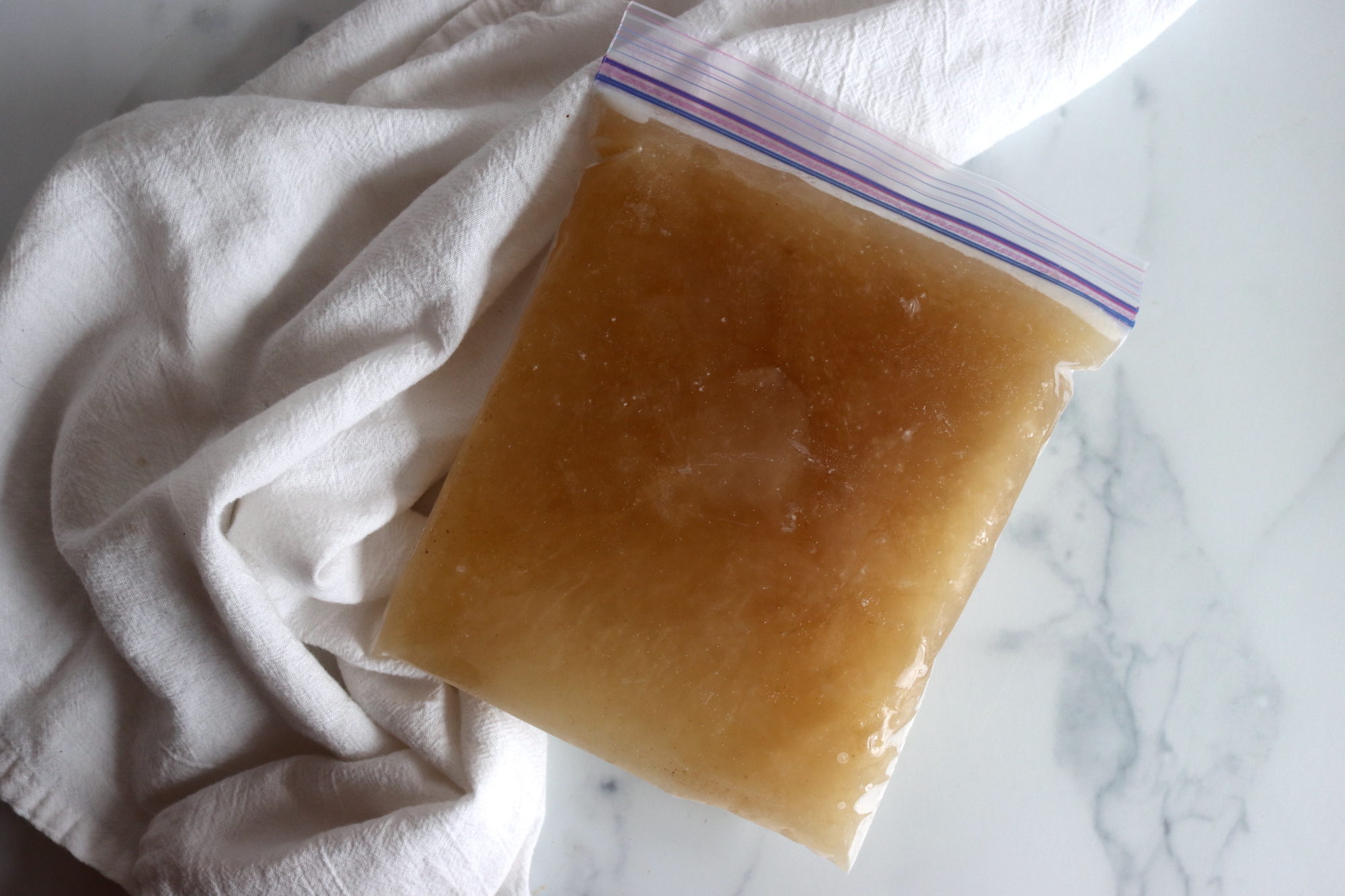
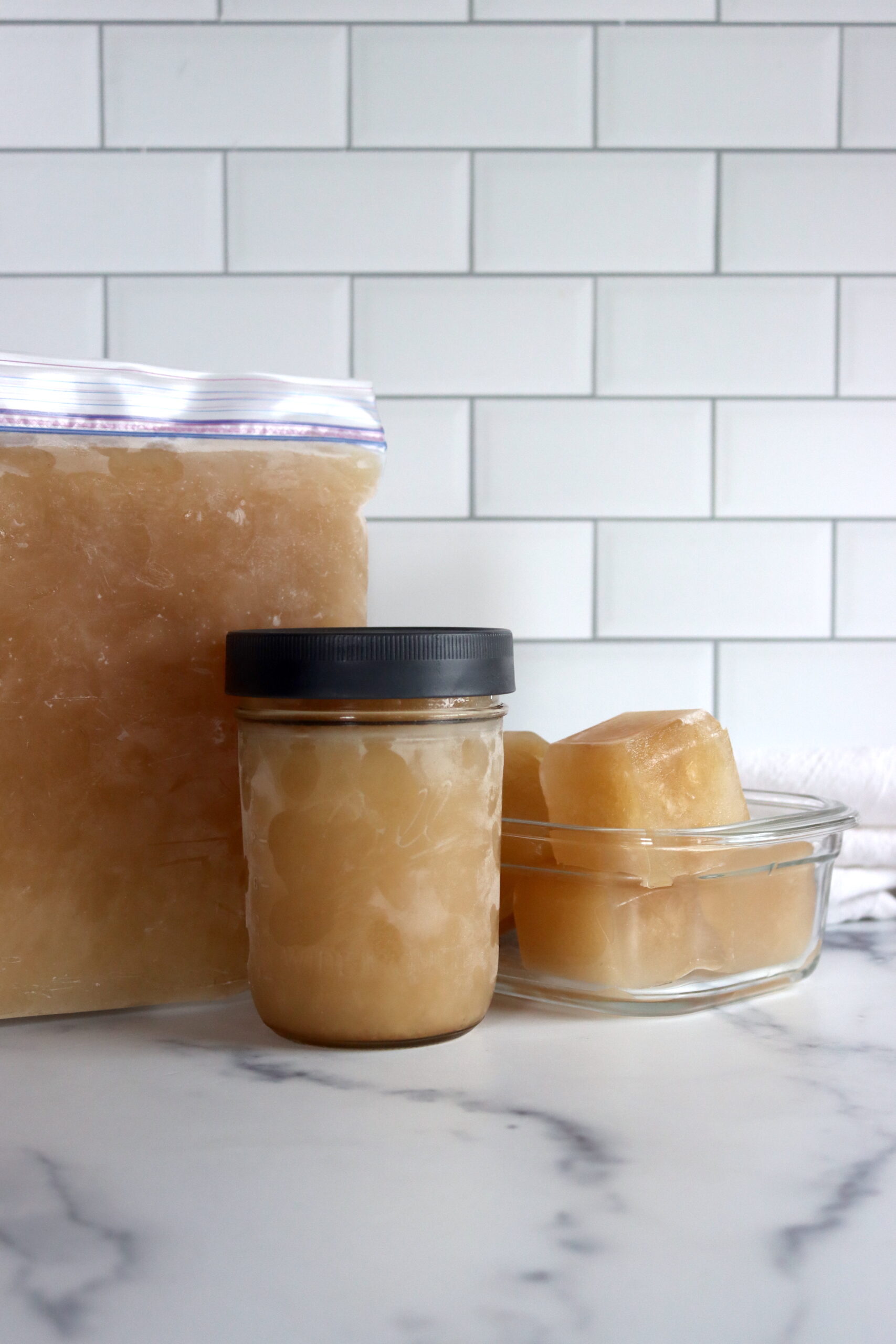
Freezing broth in small containers or ice cube trays makes it easy to use just what you need. This prevents overuse and keeps your recipes balanced. It’s perfect if you only need a little broth for a recipe.
Credit: practicalselfreliance.com
Preparing Broth For Freezing
Preparing beef broth for freezing is more than just pouring it into containers. Taking a few careful steps beforehand can preserve its flavor and texture, making sure you have a delicious base ready whenever you need it. How you handle the broth now directly affects how well it freezes and thaws later.
Straining And Cooling
Strain your beef broth to remove any solids like bones, vegetables, or herbs. Use a fine mesh sieve or cheesecloth for a clear, smooth broth. This step prevents unwanted textures and helps the broth freeze more evenly.
Cool the broth quickly by placing the pot in an ice bath or dividing it into smaller containers. Rapid cooling reduces the risk of bacteria growth and keeps the broth fresh. Have you noticed how a hot container can cause condensation inside your freezer bag? Cooling first avoids that problem.
Portioning Tips
Divide your broth into portions that match your typical recipe needs. Freezing in smaller amounts lets you thaw only what you need, saving time and reducing waste. Consider using ice cube trays for tiny portions that are perfect for sauces or gravies.
Use airtight containers or freezer bags designed for liquids. Leave some space at the top because broth expands when frozen. Label each container with the date and contents to stay organized—trust me, it saves a lot of guesswork later.
Best Containers For Freezing
Choosing the right container for freezing beef broth can make a big difference in preserving its flavor and texture. The container you pick should prevent leaks, save space, and allow easy storage. Let’s look at the best options and how to keep your broth fresh and easy to use.
Plastic Bags Vs. Containers
Plastic freezer bags are a popular choice because they save space and are flexible. You can lay them flat, which helps the broth freeze faster and stack neatly in your freezer. However, bags can sometimes leak if not sealed properly, and they might be tricky to fill without spilling.
On the other hand, rigid containers like BPA-free plastic or glass jars offer sturdy protection. They prevent spills and are reusable, which is great for the environment. Just make sure to leave some room at the top since broth expands when frozen.
Which one works better for you depends on your freezer space and how you like to organize. If you prefer quick stacking, plastic bags might be your go-to. But if you value durability and reusability, containers could be the better pick.
Labeling And Dating
Labeling your frozen beef broth is crucial to avoid mystery containers and wasted food. Use a permanent marker or freezer-safe labels to write the date and contents clearly on each bag or container.
Also, note any special flavors or additions, like herbs or spices, so you know exactly what you’re thawing. This small step saves time and helps you rotate your stock efficiently.
Have you ever found a frozen container with no label and wondered how long it’s been there? Avoid that confusion by making labeling a habit every time you freeze broth.
Credit: practicalselfreliance.com
Freezing Process And Duration
Freezing beef broth is a smart way to keep it fresh and ready for your next meal. Knowing the right freezing process and how long you can store it helps maintain its flavor and safety. Let’s break down what you need to know about freezing temperatures and storage duration to make the most of your broth.
Optimal Freezing Temperatures
To keep your beef broth at its best, freeze it at 0°F (-18°C) or lower. This temperature stops bacteria growth and preserves flavor. If your freezer’s temperature fluctuates above this, the broth’s quality can suffer faster.
Use an appliance thermometer to check your freezer’s temperature regularly. This simple step ensures your broth stays in a safe zone. Have you ever thawed broth only to find it tastes off? It might be due to improper freezing temperatures.
Storage Time Limits
Beef broth can last in the freezer for about 4 to 6 months without losing much flavor or safety. Beyond this, the taste and texture might start to decline. Label your containers with the freezing date to keep track easily.
If you freeze broth in small portions, you can thaw only what you need, reducing waste. Ever opened a container after a year and wondered if it’s still good? Stick to the 6-month limit to avoid that uncertainty.
Thawing Frozen Broth
Thawing frozen beef broth correctly keeps its flavor and safety intact. Improper thawing can lead to bacteria growth and spoilage. Using safe methods helps maintain broth quality for your recipes. Here are ways to thaw frozen broth safely and tips to reheat it well.
Safe Thawing Methods
- Place the frozen broth in the refrigerator overnight. This slow thaw keeps it at a safe temperature.
- Use a cold water bath. Seal the broth container tightly and submerge it in cold water. Change the water every 30 minutes.
- Microwave thawing works for quick use. Use the defrost setting and heat in short bursts. Stir occasionally for even thawing.
Reheating Tips
- Heat broth on the stove over medium heat. Stir often to avoid hot spots.
- Bring the broth to a gentle boil to kill any bacteria.
- Do not overheat. Overcooking can change the broth’s taste and texture.
- Use a covered pot to keep moisture and flavor inside.
Avoiding Common Freezing Mistakes
Avoiding common freezing mistakes helps keep beef broth fresh and tasty. Freezing broth is easy but small errors can affect flavor and texture. Careful handling ensures your broth stays delicious after thawing.
Simple steps prevent freezer burn and loss of nutrients. Proper storage stops spills and helps save space. Follow these tips for best results every time you freeze beef broth.
Use Appropriate Containers
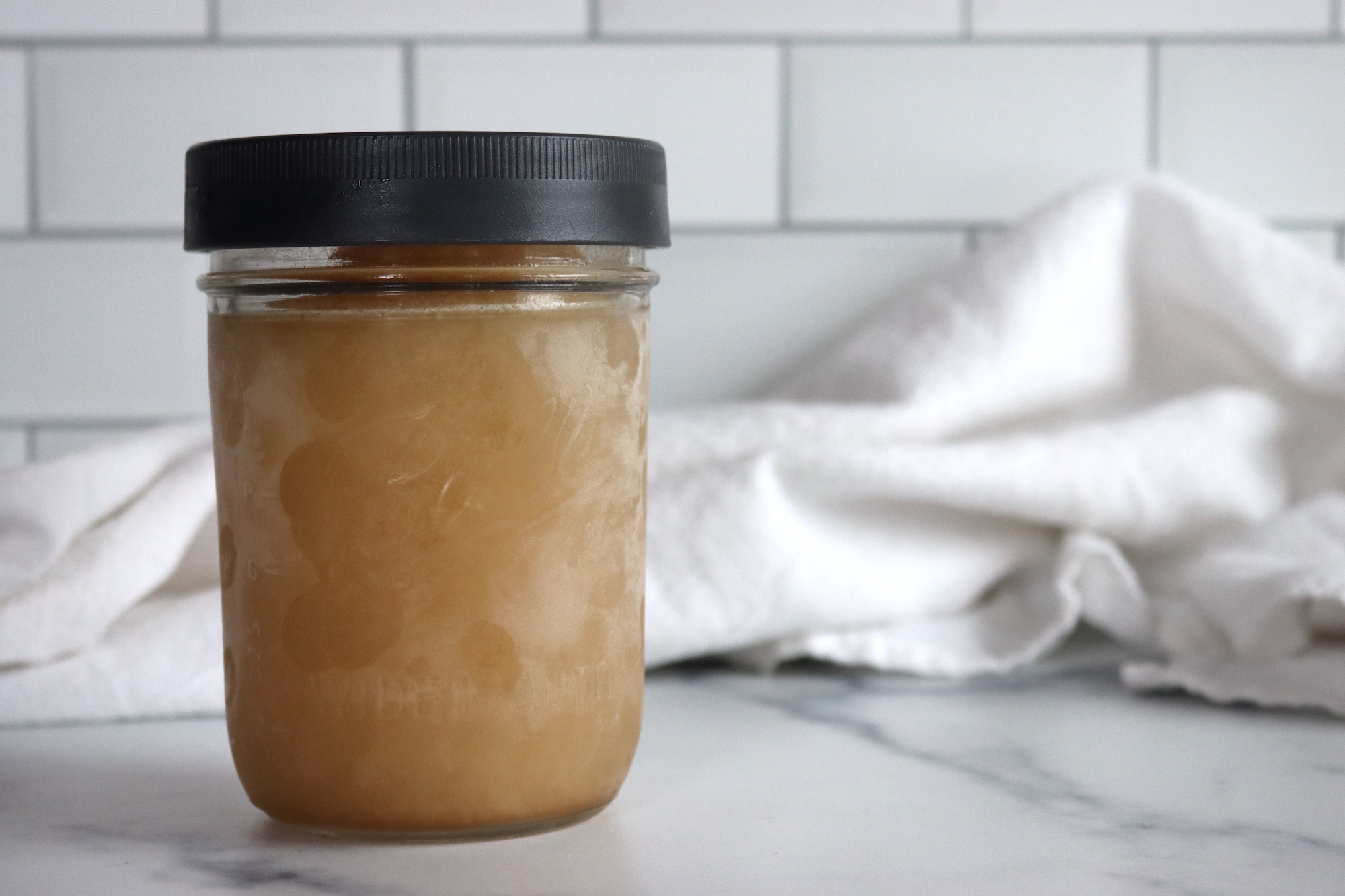
Choose containers that are airtight and freezer-safe. Glass jars with wide mouths or plastic containers with tight lids work well. Avoid thin plastic bags that can tear or leak.
Leave Room For Expansion
Broth expands when frozen. Leave about one inch of space at the top of the container. This prevents cracks or spills as the liquid freezes and expands.
Cool Broth Before Freezing
Never freeze hot broth directly. Let it cool to room temperature first. Hot liquid can raise freezer temperature and cause uneven freezing.
Label And Date Containers
Always write the freezing date on the container. Use a permanent marker or freezer tape. This helps keep track of freshness and avoid keeping broth too long.
Freeze In Small Portions
Freeze broth in small amounts for easy thawing. Use ice cube trays or small containers. This allows you to use only what you need without waste.
Thaw Properly
Thaw broth slowly in the refrigerator. Avoid microwaving or thawing at room temperature. Slow thawing keeps broth safe and preserves its flavor.
Credit: practicalselfreliance.com
Frequently Asked Questions
Can You Freeze Homemade Beef Broth Safely?
Yes, you can safely freeze homemade beef broth. Use airtight containers or freezer bags. Label with the date and freeze for up to 6 months for best flavor.
How Long Does Frozen Beef Broth Last?
Frozen beef broth lasts about 4 to 6 months. Beyond this, flavor and quality may decline. Always check for off smells before use.
Should Beef Broth Be Cooled Before Freezing?
Yes, cool beef broth to room temperature before freezing. This prevents bacteria growth and helps maintain broth quality and flavor.
Can Frozen Beef Broth Be Refrozen?
It’s best not to refreeze thawed beef broth. Refreezing can reduce flavor and texture quality and increase food safety risks.
Conclusion
Freezing beef broth is a smart way to save time and reduce waste. It keeps the broth fresh for several months if stored properly. Use airtight containers or freezer bags to avoid freezer burn. Thaw broth slowly in the fridge for best taste.
This method helps keep your meals flavorful and ready to go. Try freezing broth in small portions for easy use later. It’s a simple step that makes cooking easier and faster. Keep broth frozen, and enjoy homemade flavor anytime you want.