Have you ever found yourself with extra beef fat after cooking a delicious meal, wondering what to do with it? You’re not alone!
Many home cooks and food enthusiasts face this conundrum, questioning if their precious beef fat can be preserved for future culinary adventures. The answer might surprise you. Imagine unlocking the potential of this often-overlooked ingredient, adding rich flavors and textures to your dishes whenever you need them.
By exploring whether you can freeze beef fat, you could transform your cooking routine and reduce waste in your kitchen. Curious to know how? Keep reading to discover the secrets of preserving beef fat and learn how it can elevate your culinary creations to new heights.
Why Freeze Beef Fat
Freezing beef fat is a smart way to keep it fresh and ready for your cooking adventures. If you’ve ever trimmed meat and wondered what to do with the leftover fat, freezing is a practical solution. It lets you store the fat safely and use it later without wasting any of its rich flavor or cooking potential.
Benefits Of Freezing
Freezing beef fat helps maintain its quality over time. It stops the fat from going rancid, which can happen quickly at room temperature. This means you can save it for months without losing its taste or texture.
Another benefit is convenience. Having frozen beef fat on hand means you don’t have to buy lard or other fats separately when you need it for recipes. It’s ready whenever you want to add depth to your dishes.
Common Uses For Frozen Fat
Frozen beef fat is versatile in the kitchen. You can render it into tallow, which is great for frying or roasting. It adds a savory richness to vegetables and meats alike.
Many bakers use beef fat in pie crusts and pastries for a flaky texture. Plus, it’s perfect for making homemade dog treats if you want to use every part of the animal.
Have you ever tried roasting potatoes in beef fat instead of oil? It transforms ordinary potatoes into something special. Keeping frozen fat means you can experiment with these flavorful options anytime.
Preparing Beef Fat For Freezing
Preparing beef fat for freezing is a straightforward process that can make your cooking more efficient and reduce waste. Taking a few extra minutes to clean and portion the fat before freezing ensures it stays fresh and ready to use whenever you need it. This preparation also helps you avoid dealing with large, unwieldy chunks later on.
Cleaning And Trimming
Start by rinsing the beef fat under cold water to remove any blood or impurities. Pat it dry with paper towels to prevent ice crystals from forming during freezing.
Trim off any meat or sinew attached to the fat. Removing these parts improves the fat’s quality and flavor when you cook with it later.
Have you noticed how even small bits of meat can change the taste of rendered fat? Cleaning thoroughly helps you keep the pure beef flavor.
Portioning For Convenience
Cut the beef fat into smaller, manageable pieces. Think about the size you usually need for your recipes to avoid thawing more than necessary.
You can also shape the fat into cubes or flatten it into disks. Using silicone molds or ice cube trays works great for this purpose.
- Smaller portions freeze faster and thaw quickly.
- Pre-portioned fat saves time during cooking.
- It reduces waste by allowing you to use exactly what you need.
Have you ever tried cooking with frozen fat right after thawing? Smaller portions melt evenly and mix better with your ingredients.
Best Freezing Methods
Freezing beef fat properly preserves its flavor and texture, making it easy for you to use later in cooking. To keep it fresh and avoid freezer burn, you need to focus on how you wrap it and the containers you use. These details make a big difference in how long your beef fat stays good.
Wrapping Techniques
Start by cutting the beef fat into manageable pieces. Wrap each piece tightly in plastic wrap or aluminum foil to block out air. This step is crucial to prevent freezer burn and protect the fat’s quality.
For extra protection, consider double wrapping. After the initial wrap, place the fat in a freezer bag or an airtight container. Squeezing out as much air as possible before sealing helps maintain freshness.
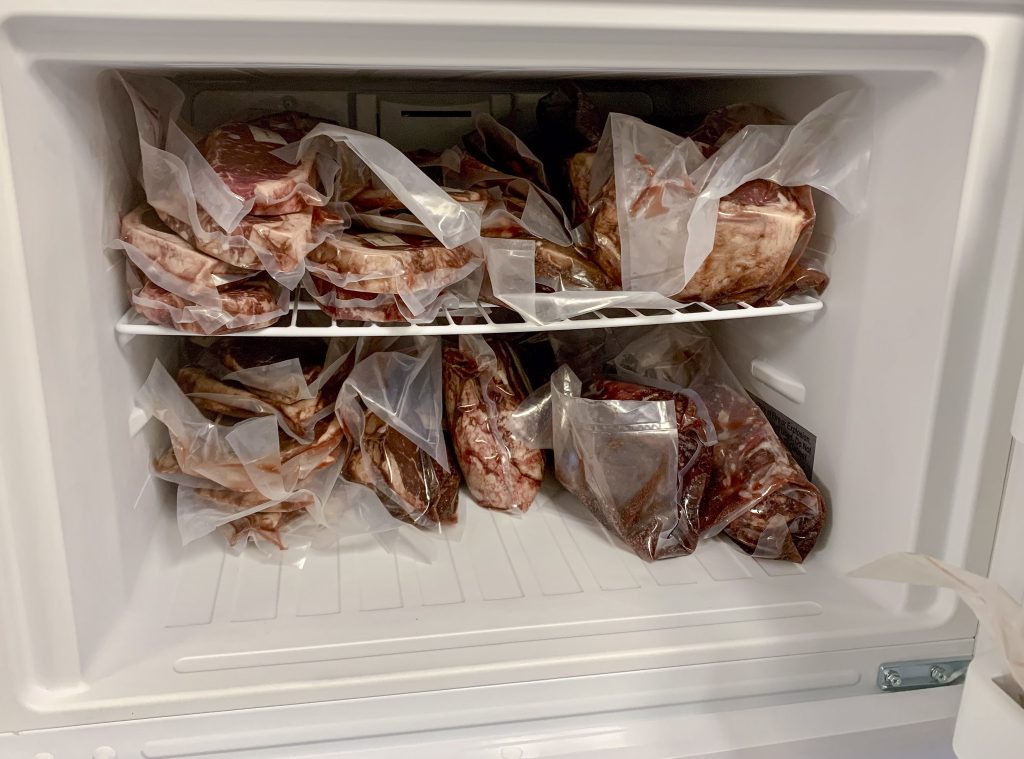
Have you tried using vacuum sealers? They remove air completely and keep the fat fresh for months. If you don’t have one, wrapping tightly and using freezer bags still works well for short to medium storage.
Choosing The Right Containers
Plastic freezer bags are popular because they save space and are easy to label. Choose thick, heavy-duty bags to avoid tears or holes. Label the bag with the date to track how long the fat has been in the freezer.
Glass containers with tight-fitting lids are another option. They protect the fat from air and odors but take up more space. Make sure the glass is freezer-safe to avoid cracking.
Do you have silicone freezer trays? They’re perfect for portioning beef fat into cubes. Once frozen, pop the cubes out and store them in a bag or container for quick use.

Credit: www.yahoo.com
Storage Duration And Conditions
Storing beef fat properly is key to keeping it fresh and flavorful for future use. How long it lasts depends heavily on the conditions you choose for freezing and the temperature you maintain. Understanding these factors helps you avoid waste and enjoy your beef fat at its best.
Optimal Freezer Temperature
Beef fat freezes best at a steady temperature of 0°F (-18°C) or lower. This temperature halts bacterial growth and slows down any enzymatic changes. If your freezer fluctuates above this point, you risk spoilage and off-flavors developing more quickly.
Consider using a freezer thermometer to keep track of your freezer’s temperature. This simple step ensures your beef fat stays in prime condition. Also, vacuum-sealing or airtight containers protect the fat from freezer burn and unwanted odors.
Shelf Life Expectations
Frozen beef fat typically keeps its quality for about 3 to 6 months. Beyond this period, the fat can develop a rancid taste or lose its texture. However, if stored perfectly at 0°F or below, some people have successfully used it even after 12 months.
Have you ever found freezer fat that didn’t smell or taste right? That’s a clear sign it’s time to discard it. Label your containers with the date you froze the fat to avoid guessing and keep track easily.
Thawing Frozen Beef Fat
Thawing frozen beef fat properly is crucial to maintain its quality and usability. If done incorrectly, you might end up with a texture that’s off or even spoil the fat. Let’s dive into how you can safely thaw beef fat without losing its rich flavor and texture.
Safe Thawing Practices
Thaw beef fat in the refrigerator to keep it at a safe temperature. This slow thawing prevents bacteria growth and keeps the fat fresh. Avoid leaving it out on the countertop, as this can cause uneven thawing and risk contamination.
If you’re in a hurry, place the sealed beef fat in a bowl of cold water. Change the water every 30 minutes to keep it cold. This method is faster but still safe if you plan to use the fat immediately.
Avoiding Texture Changes
Rapid thawing, like using a microwave, can change the texture of beef fat, making it grainy or greasy. Patience is key to keeping the fat smooth and usable for cooking.
After thawing, drain any excess liquid before using the fat. Excess moisture can affect how it cooks and its final texture. Have you noticed how a well-thawed beef fat melts beautifully into dishes? That’s what proper thawing achieves.

Credit: juicerville.com
Signs Of Spoiled Beef Fat
Knowing the signs of spoiled beef fat helps avoid food waste and health risks. Spoiled beef fat changes in appearance, smell, and texture. These changes are clear signals that the fat is no longer safe to use. Recognizing these signs early keeps your cooking safe and tasty.
Visual Indicators
- Color shifts from white or creamy to yellow or brown
- Surface may show dark spots or mold growth
- Appearance becomes slimy or sticky instead of firm
- Fat may develop a dull or cloudy look
Smell And Texture Changes
- Strong sour or rancid odor replaces fresh smell
- Texture feels greasy but sticky or tacky to the touch
- Fat may crumble or become overly soft and mushy
- Unpleasant smell often signals bacteria growth
Tips To Maintain Freshness
Maintaining the freshness of beef fat during freezing requires some care. Proper storage keeps the fat flavorful and ready for cooking. Small steps can prevent spoilage and preserve quality.
Avoiding Freezer Burn
Freezer burn dries out beef fat and changes its taste. It happens when air touches the fat’s surface. Wrap the fat tightly using plastic wrap or foil. Avoid leaving any air pockets. Store wrapped fat inside a sealed container or freezer bag. Label with the date to track freshness. Use frozen fat within six months for best flavor.
Using Vacuum Sealers
Vacuum sealers remove air before freezing. This method keeps beef fat fresher longer. Place the fat in a vacuum bag and seal it tightly. This stops moisture loss and freezer burn. Vacuum-sealed fat also takes less freezer space. Always check the seal before freezing. If a bag breaks, repackage the fat immediately.

Credit: www.smokedbbqsource.com
Frequently Asked Questions
Can You Freeze Beef Fat For Long-term Storage?
Yes, beef fat freezes well and can be stored for up to 6 months. Wrap it tightly to avoid freezer burn and maintain quality.
How Should Beef Fat Be Prepared Before Freezing?
Trim excess meat and cut fat into small pieces. Use airtight containers or freezer bags to preserve freshness and prevent odors.
Does Freezing Affect The Flavor Of Beef Fat?
Freezing beef fat preserves its natural flavor if stored properly. Avoid thawing and refreezing to maintain taste and texture.
Can Frozen Beef Fat Be Used Directly In Cooking?
Yes, you can cook with frozen beef fat without thawing. It melts quickly, making it convenient for frying or rendering.
Conclusion
Freezing beef fat keeps it fresh for a long time. Store it in an airtight container or freezer bag. Label with the date to track how long it stays good. Thaw it slowly in the fridge before use. This way, you keep flavor and quality intact.
Using frozen beef fat adds rich taste to your meals. It saves money by reducing waste. Simple steps help you enjoy beef fat anytime. Easy, smart, and practical for your kitchen needs.