
Are you wondering if you can freeze bell peppers and onions to save time and reduce food waste? Freezing these vegetables might seem simple, but there are a few key tips you need to know to keep their flavor and texture just right.
If you want to enjoy fresh-tasting peppers and onions anytime, without the hassle of daily chopping or spoilage, this guide is for you. Keep reading to discover how freezing can make your cooking easier and your meals tastier.
Freezing Bell Peppers
Freezing bell peppers is a smart way to keep their vibrant flavor and crisp texture ready for your meals anytime. It saves you from food waste and the hassle of frequent grocery trips. But to get the best results, you need to know how to select and prepare your peppers properly before freezing.
Selecting Fresh Peppers
Choose bell peppers that are firm and have smooth, shiny skin. Avoid any with soft spots or wrinkles, as these indicate they are past their prime. Bright, vivid colors usually mean the peppers are fresh and packed with flavor.
Think about how you plan to use the peppers later. If you want them for salads, pick peppers with a crisp texture. For cooking, slightly softer peppers will still work well after freezing.
Preparing Peppers For Freezing
Wash your peppers thoroughly under cold water to remove any dirt or pesticides. Then, cut them open and remove the stems, seeds, and membranes. Slice or dice the peppers based on how you will use them in future recipes.
Pat the pieces dry with a clean towel to reduce ice crystals forming during freezing. This step helps keep the texture from getting mushy once thawed.
Blanching Vs. Raw Freezing
You might wonder whether to blanch bell peppers before freezing. Blanching involves briefly boiling the peppers and then cooling them quickly in ice water. This process can help preserve color and texture but is not essential for bell peppers.
Freezing raw peppers without blanching saves time and keeps their fresh taste intact. However, if you prefer a softer texture after cooking, blanching might be worth the extra step.
Storage Tips For Bell Peppers
Use airtight freezer bags or containers to store your peppers. Remove as much air as possible to prevent freezer burn. Label the packages with the date so you can keep track of freshness.
- Freeze peppers flat on a baking sheet first, then transfer to bags to avoid clumping.
- Use frozen peppers within 6 months for the best flavor and texture.
- Consider portioning them based on your typical recipe needs to avoid thawing too much at once.
Have you tried freezing peppers before? How did the texture and taste hold up in your dishes? Experimenting with different preparation methods might help you find what works best for your cooking style.

Credit: www.numberanalytics.com
Freezing Onions
Freezing onions is a smart way to save time and reduce waste in the kitchen. Onions freeze well and keep their flavor for months. Proper preparation and storage help maintain their texture and taste.
Choosing The Right Onions
Pick fresh onions without soft spots or mold. Yellow onions work best for cooking and freezing. Sweet onions have more water and may become mushy. Red onions freeze well but may lose some color.
Chopping And Preparing Onions
Peel the onions and cut off the ends. Chop into the size needed for your recipes. You can dice, slice, or chop roughly. Avoid cutting too small to prevent loss of texture.
Freezing Methods For Onions
- Spread chopped onions on a baking sheet.
- Freeze until solid to prevent clumping.
- Transfer frozen onions to airtight bags or containers.
- Label with the date for easy tracking.
This method keeps onions easy to use straight from the freezer.
Best Practices For Onion Storage
- Use airtight bags or containers to block moisture.
- Squeeze out as much air as possible before sealing.
- Store at 0°F (-18°C) or lower for best quality.
- Use frozen onions within 6 months for best flavor.
Proper storage preserves onion taste and prevents freezer burn.
Combining Peppers And Onions
Combining bell peppers and onions is a popular choice for many recipes. They complement each other in taste and texture. Freezing them together saves time and effort. It also makes meal prep easier on busy days. Proper freezing keeps their flavor fresh and vibrant.
Freezing Together In Mixes
Cut bell peppers and onions into similar sizes. This helps them freeze evenly. Spread them on a baking sheet in one layer. Freeze until solid. Then transfer to a freezer-safe bag or container. This method prevents clumping and keeps pieces separate.
Portioning And Packaging
Divide the frozen mix into portions for easy use. Use freezer bags or airtight containers. Remove as much air as possible to avoid freezer burn. Label packages with the date to track freshness. Store in the freezer for up to 6 months.
Thawing And Cooking Tips
Use frozen peppers and onions directly in cooking. No need to thaw first. Add them to soups, stews, or stir-fries. They cook quickly and retain good texture. Avoid overcooking to keep flavors bright and fresh.
Credit: practicalselfreliance.com
Common Freezing Mistakes
Freezing bell peppers and onions is a smart way to save time and reduce waste. Yet, many people make simple mistakes that harm the quality of these vegetables. Mistakes can cause changes in texture, flavor loss, and freezer burn. Knowing what to avoid helps keep your frozen peppers and onions fresh and tasty.
Avoiding Texture Changes
Freezing raw bell peppers and onions without prepping often leads to a mushy texture. Water inside the vegetables expands during freezing, breaking cell walls. Blanching peppers and onions before freezing helps keep them firm. Cut them into uniform pieces to freeze evenly. Avoid thawing and refreezing, as it worsens texture damage.
Preventing Freezer Burn
Freezer burn happens when air reaches the vegetables. It dries them out and creates tough spots. Use airtight containers or heavy-duty freezer bags. Remove as much air as possible before sealing. Label packages with the date to use them within a reasonable time. Freezer burn affects taste and appearance but is safe to eat.
Maintaining Flavor And Color
Bell peppers and onions lose flavor if frozen incorrectly. Avoid freezing large pieces, which take longer to freeze and can spoil flavor. Blanching stops enzyme activity that causes color and flavor loss. Freeze in small batches to freeze quickly and retain freshness. Keep the freezer at 0°F (-18°C) or lower for best results.
Recipe Ideas With Frozen Peppers And Onions
Frozen bell peppers and onions save time and add flavor to many dishes. They keep well and blend easily with other ingredients. Using frozen veggies lets you cook healthy meals quickly. These recipe ideas show how to use them in simple, tasty meals.
Quick Stir-fries
Frozen peppers and onions work perfectly in quick stir-fries. Heat oil in a pan and toss in the frozen veggies. Add your choice of protein like chicken, beef, or tofu. Season with soy sauce, garlic, and ginger for a fast meal. Serve with rice or noodles for a filling dinner.
Soups And Stews
Frozen peppers and onions add great flavor to soups and stews. Just add them directly to the pot while cooking. They soften and mix well with broth and other vegetables. Try adding them to tomato soup, chili, or vegetable stew. They boost color and taste without extra prep time.
Casseroles And Bakes
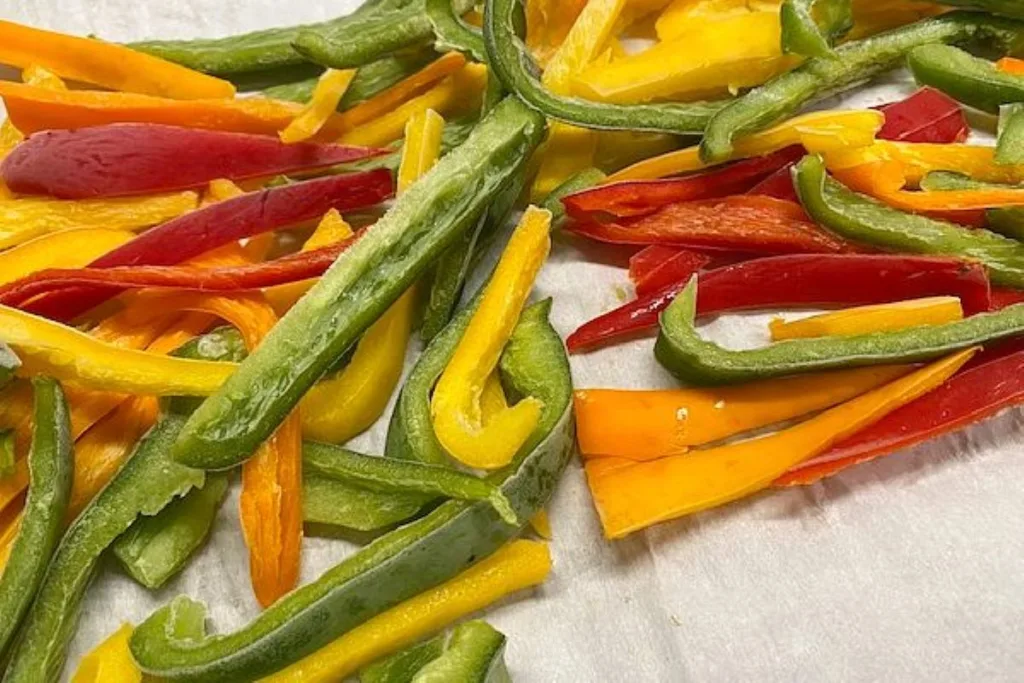
Frozen peppers and onions work well in casseroles and baked dishes. Mix them with cooked pasta, cheese, and sauce for an easy bake. They also blend into egg bakes or layered vegetable dishes. Use frozen veggies to save chopping time and still get fresh taste.
Credit: gbskitchen.com
Frequently Asked Questions
Can You Freeze Bell Peppers Raw Or Cooked?
You can freeze bell peppers both raw and cooked. Raw peppers should be chopped and blanched for best texture. Cooked peppers freeze well after cooling. Proper storage in airtight containers prevents freezer burn and preserves flavor.
How Long Do Frozen Onions Last In The Freezer?
Frozen onions maintain quality for up to 6 months. Beyond this, they may lose flavor and texture. Store them in airtight freezer bags or containers to keep them fresh and prevent freezer odors.
Do Frozen Bell Peppers And Onions Lose Nutrition?
Freezing preserves most nutrients in bell peppers and onions. Some vitamin C may reduce slightly, but fiber and minerals remain intact. Proper freezing and storage help maintain their nutritional value effectively.
Should You Blanch Bell Peppers Before Freezing?
Blanching bell peppers before freezing is recommended. It helps preserve color, texture, and flavor by slowing enzyme activity. Blanch for 2-3 minutes, then cool quickly before freezing for best results.
Conclusion
Freezing bell peppers and onions is a smart kitchen trick. It saves time and reduces waste. Chop them before freezing for best results. Use airtight bags to keep them fresh. They work great in cooked dishes later. No need to thaw before cooking.
Your meals stay tasty and nutritious. Enjoy quick and easy meal prep with frozen veggies. Perfect for busy days. Try it and see the benefits. Your freezer can be your best friend in the kitchen. Happy cooking!