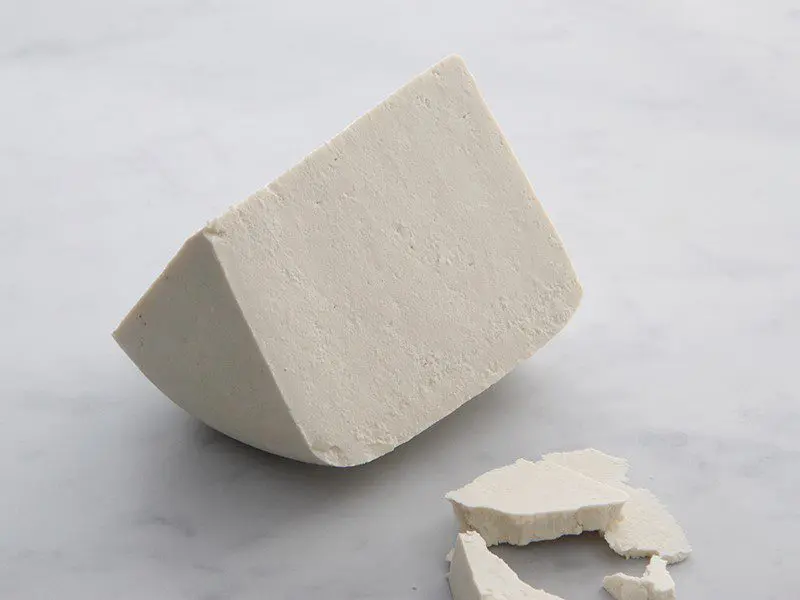
Have you ever wondered what to do with leftover blue cheese crumbles? You’re not alone.
These tangy morsels add a burst of flavor to salads and dishes, but sometimes you find yourself with more than you can use. What if you could freeze them for later? Imagine saving money and reducing waste without losing any of that signature taste.
Intrigued? Discover the secrets to preserving blue cheese crumbles, ensuring they remain fresh and delicious whenever you need them. Keep reading to uncover the surprising truth about freezing blue cheese, and never let your crumbles go to waste again.

Credit: mortadellahead.com
Freezing Blue Cheese Basics
Freezing blue cheese crumbles can be a handy trick to extend their shelf life, especially if you don’t use them quickly. However, understanding how freezing impacts this delicate cheese helps you decide if it’s the right choice for your cooking needs. Let’s break down what happens to blue cheese when it goes into the freezer.
How Freezing Affects Texture
Freezing changes the texture of blue cheese crumbles quite noticeably. The high moisture content in the cheese forms ice crystals during freezing, which can make the cheese crumbly and slightly grainy once thawed.
If you’ve ever frozen soft cheeses before, you know the texture won’t be as smooth as fresh. Still, blue cheese crumbles hold up better than whole blocks or wedges because their smaller pieces thaw more evenly.
Try using thawed blue cheese crumbles in cooked dishes like pasta or salads where texture is less critical. Have you noticed how the crumble breaks apart differently after freezing? That’s the ice crystals at work.
Flavor Changes After Freezing
Freezing can dull the bold flavor of blue cheese a bit, but it rarely ruins it. The strong, tangy taste may soften, making the cheese less pungent but still flavorful.
Some people find that freezing mellows out the sharpness, which can be a plus if you want a subtler cheese taste. However, if you prefer the full punch of fresh blue cheese, freezing might not be your best option.
To retain as much flavor as possible, wrap the crumbles tightly in plastic wrap and place them in an airtight container before freezing. Have you ever noticed a difference in taste between fresh and frozen blue cheese? It’s an interesting change worth trying out yourself.
Preparing Blue Cheese For Freezing
Preparing blue cheese for freezing takes a bit of care to keep its unique flavor and texture intact. How you portion and package the crumbles can make a big difference in how well they hold up after thawing. Let’s break down the best ways to get your blue cheese ready for the freezer.
Portioning The Crumbles
Start by dividing your blue cheese into small, manageable portions. This helps you thaw only what you need, reducing waste and preserving freshness.
Think about how you usually use blue cheese. Do you sprinkle it on salads or melt it into sauces? Portion sizes can match your typical servings.
Using a clean knife or your fingers, gently separate the crumbles instead of cutting through the cheese block. This keeps the texture better after freezing.
Choosing The Right Packaging
The key to freezing blue cheese is airtight packaging. Exposure to air causes freezer burn and changes the taste.
Wrap the crumbles tightly in plastic wrap first. Then place them in a resealable freezer bag or an airtight container.
- Remove as much air as possible before sealing.
- Label the package with the date for easy tracking.
- Consider using vacuum-sealed bags if you freeze blue cheese often.
Have you noticed how some cheeses absorb odors from the freezer? Proper packaging avoids that problem, keeping your blue cheese pure and flavorful.
Freezing Methods That Work Best
Freezing blue cheese crumbles can be tricky if you want to keep their texture and flavor intact. The right freezing method helps prevent moisture buildup and freezer burn, which can ruin the cheese’s unique taste. Let’s look at some practical ways to freeze your blue cheese crumbles effectively.
Using Airtight Containers
Airtight containers are a simple and accessible option for freezing blue cheese crumbles. Choose a small container that fits the amount of cheese you want to freeze, minimizing the air inside.
Before sealing, wrap the crumbles in parchment paper or plastic wrap to add an extra layer of protection. This helps keep moisture out and prevents the cheese from absorbing other freezer smells.
Have you noticed how even a little air can change the flavor of your frozen cheese? Airtight containers significantly reduce this risk, making your blue cheese taste fresher when thawed.
Vacuum Sealing Benefits
Vacuum sealing removes all the air around the blue cheese crumbles, which is the best way to lock in freshness. This method slows down freezer burn and keeps the cheese’s flavor sharp for longer periods.
If you have a vacuum sealer, consider sealing small portions separately. This way, you only thaw what you need without exposing the rest to air and moisture.
Think about how vacuum sealing has extended the life of your other foods—why not give it a try with blue cheese? It might just save you from wasting those precious crumbles.
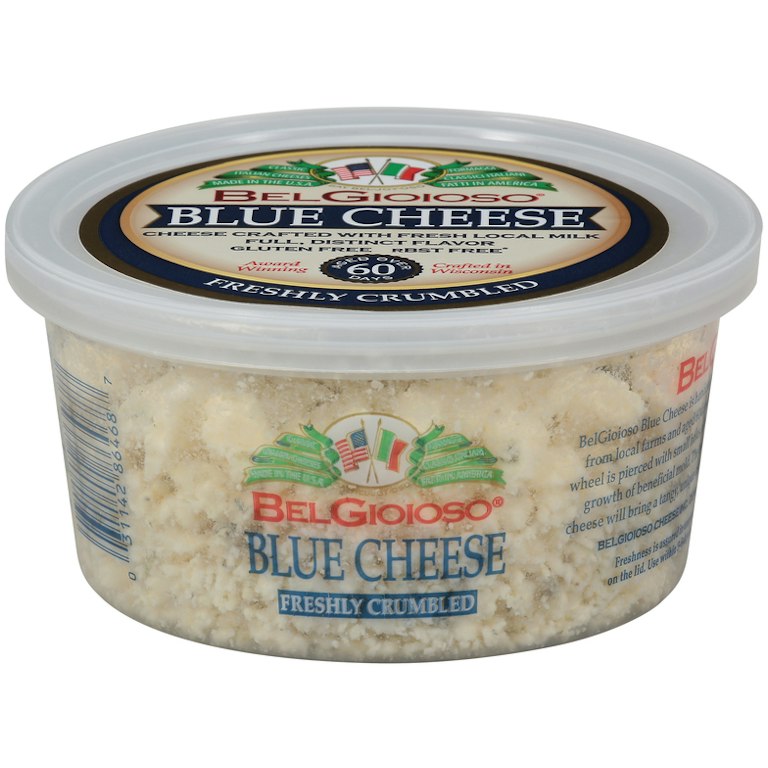
Credit: www.gianteagle.com
Thawing Blue Cheese Safely
Thawing blue cheese safely is key to keeping its flavor and texture intact. Proper thawing prevents spoilage and maintains the cheese’s creamy quality. It also helps avoid harmful bacteria growth. Handling blue cheese with care during thawing ensures you enjoy it at its best.
Ideal Thawing Techniques
The best way to thaw blue cheese is slowly in the refrigerator. This keeps the cheese cold and safe. Place the cheese in its original wrapping or a sealed container. Let it sit for 24 hours or until fully thawed. Avoid thawing at room temperature to stop bacteria growth.
Another option is to use the microwave on a low power setting. This method is faster but requires caution. Heat in short bursts and check often. Overheating can change the texture and flavor. Always finish thawing in the fridge if using this method.
Avoiding Moisture Build-up
Moisture can ruin blue cheese during thawing. Excess water makes the cheese soggy and dulls its flavor. To prevent moisture build-up, wrap the cheese in paper towels before placing it in a container. The towels absorb extra liquid.
Do not unwrap the cheese too early. Keep it sealed while thawing to control moisture levels. Once thawed, use the cheese quickly to avoid spoilage. Store leftovers wrapped tightly in fresh paper towels and a sealed container.
Using Frozen Blue Cheese Crumbles
Using frozen blue cheese crumbles can save time and reduce waste. Freezing helps keep the cheese fresh for longer periods. Once thawed, the texture may change slightly but the flavor stays strong. You can still use frozen blue cheese in many dishes. Knowing how to cook with it and which recipes suit frozen cheese makes a difference.
Cooking With Frozen Cheese
Frozen blue cheese crumbles work well in cooked dishes. The heat melts the cheese and softens its texture. Use it in sauces, soups, and casseroles for rich flavor. Avoid using frozen cheese in salads or on crackers. Thawed blue cheese can crumble easily and may be less firm. Cooking helps restore some of its creamy texture and taste.
Best Recipes After Freezing
Choose recipes that mix blue cheese into other ingredients. Some of the best options include:
- Blue cheese pasta sauce
- Cheese-stuffed burgers or meatballs
- Warm blue cheese dip
- Spinach and blue cheese quiche
- Roasted vegetables with blue cheese topping
These dishes work well with frozen and thawed blue cheese crumbles. The melting process blends the flavor evenly. It masks any slight texture changes from freezing. Use frozen blue cheese in hot dishes for the best taste.

Credit: www.numberanalytics.com
Common Mistakes To Avoid
Freezing blue cheese crumbles might seem straightforward, but many people stumble on avoidable mistakes that ruin the texture and flavor. Knowing what to avoid can save you from disappointing results and wasted cheese. Let’s look at some common pitfalls so you can keep your blue cheese fresh and tasty after freezing.
Freezing Too Long
Have you ever found forgotten cheese in the freezer that turned crumbly and lost its punch? Blue cheese doesn’t last forever in the freezer. Freezing it for more than 2-3 months can cause ice crystals to form, breaking down the creamy texture and dulling the sharp flavor.
When cheese freezes too long, it often becomes dry and crumbly after thawing. Think about how this affects your dishes—salads lose their creamy tang, and sauces become grainy. Try to label your cheese with the date you froze it and use it within the recommended timeframe.
Incorrect Storage Practices
Storing blue cheese crumbles without proper wrapping is a big mistake. Air exposure causes freezer burn, leading to off-flavors and an unpleasant texture. Using airtight containers or vacuum-sealed bags is key to preserving the cheese’s quality.
Another common error is freezing cheese alongside strong-smelling foods. Blue cheese can absorb odors easily, which changes its original taste. Keep your cheese away from items like fish or onions in the freezer to maintain its unique flavor profile.
Have you ever tried to freeze your cheese in a plastic bag that wasn’t sealed tightly? That simple slip can lead to moisture loss and freezer burn. Double-check your packaging before freezing to avoid this problem.
Frequently Asked Questions
Can You Freeze Blue Cheese Crumbles Safely?
Yes, you can freeze blue cheese crumbles safely. Use an airtight container or freezer bag to maintain freshness and prevent odors. Freeze for up to 3 months for best quality. Thaw in the refrigerator before using to preserve texture and flavor.
Does Freezing Affect Blue Cheese Taste Or Texture?
Freezing may slightly alter blue cheese texture, making it crumbly. The flavor usually remains strong but can become milder. Use frozen blue cheese mainly for cooking or baking rather than fresh salads for best results.
How To Properly Freeze Blue Cheese Crumbles?
Wrap blue cheese crumbles tightly in plastic wrap or parchment paper. Place them in an airtight freezer bag or container. Label with date and freeze. This method prevents moisture loss and freezer burn, preserving flavor and texture longer.
Can Frozen Blue Cheese Crumbles Be Refrozen?
It’s not recommended to refreeze blue cheese crumbles. Refreezing can degrade texture and taste significantly. Only freeze once, then store thawed cheese in the fridge and use promptly to enjoy the best quality.
Conclusion
Freezing blue cheese crumbles can help extend their shelf life. Keep the cheese in an airtight container to avoid freezer burn. Thaw it slowly in the fridge for the best texture. The flavor might change slightly but stays tasty. Use frozen blue cheese mainly for cooking, not fresh salads.
This method saves money and reduces food waste. Try freezing small portions to keep cheese fresh longer. Simple steps make your blue cheese last and stay useful. Give it a try and enjoy blue cheese anytime!