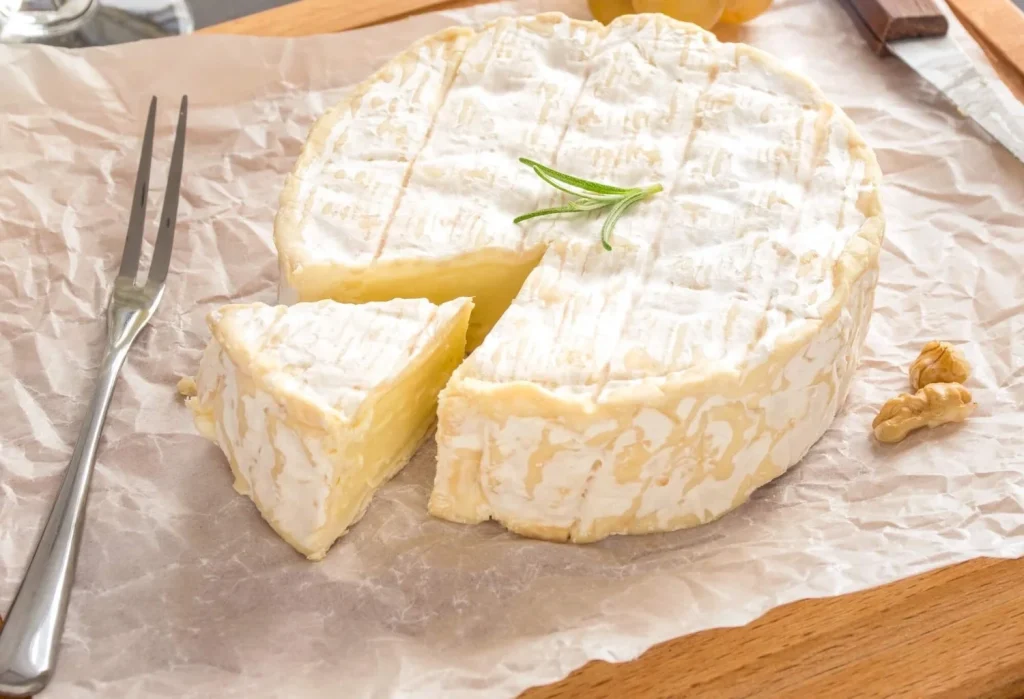
Are you staring at that creamy block of Camembert in your fridge, wondering if you can extend its life by popping it into the freezer? You’re not alone.
Many cheese lovers like you find themselves in this exact predicament. The idea of wasting such delicious cheese is heartbreaking, yet you’re unsure if freezing will maintain its rich, velvety texture. Imagine the relief of knowing your Camembert could be perfectly preserved for future enjoyment.
We’ll uncover the truth about freezing Camembert cheese. You’ll discover expert tips, potential pitfalls, and everything you need to ensure your cheese remains as delightful as the day you bought it. Stay with us, and let’s explore whether your Camembert can withstand the chill of the freezer.
Freezing Camembert Basics
Freezing Camembert cheese might seem like a convenient way to extend its shelf life, but it comes with some important considerations. Understanding the basics of freezing this soft cheese can help you decide if it fits your needs. Let’s break down what happens to Camembert when frozen and how to handle it properly.
Texture Changes After Freezing
Freezing affects Camembert’s creamy texture significantly. The water inside the cheese forms ice crystals, which can rupture the delicate structure.
Once thawed, you might notice it becomes crumbly or grainy instead of smooth and soft. This change can be a dealbreaker if you want to enjoy the cheese fresh and spreadable.
However, if you plan to cook with it, these texture shifts are less noticeable. Have you tried baking frozen Camembert? It melts well despite the change.
Flavor Impact Of Freezing
Freezing can dull the cheese’s rich, earthy flavors. Camembert’s subtle mushroom and buttery notes may become less pronounced.
Some people report a slight loss in aroma, which is key to the full Camembert experience. But freezing won’t make it taste bad—just milder.
Think about whether you want the cheese for snacking or recipes. If flavor intensity matters, fresh might be the better choice.
Best Types For Freezing
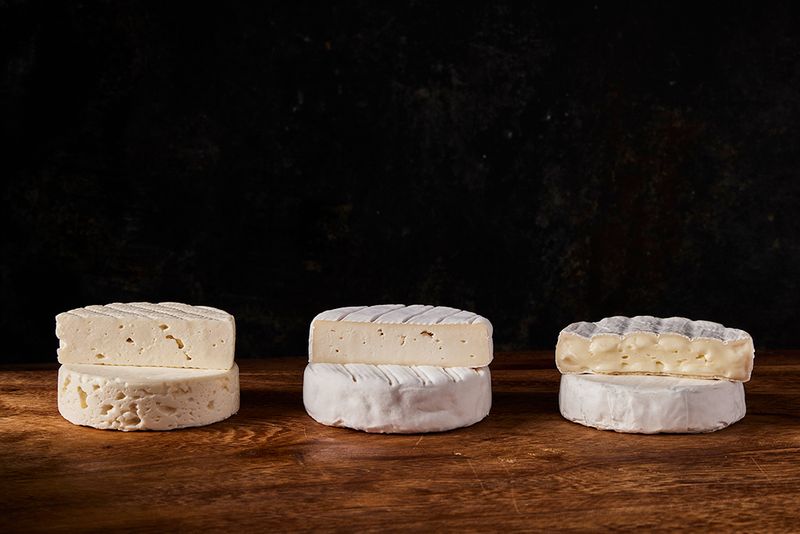
Not all Camembert cheeses freeze equally well. Younger, mild Camembert tends to hold up better than aged, stronger varieties.
Look for cheeses with lower moisture content and firmer rinds. These handle freezing with less damage to texture and flavor.
If you have a creamy, runny Camembert, freezing will likely affect it more. Have you noticed differences between brands or ages after freezing? It’s worth experimenting on a small piece first.

Credit: academyofcheese.org
Preparation Before Freezing
Preparing Camembert cheese before freezing is key to preserving its unique texture and flavor. Proper preparation helps avoid freezer burn and unwanted moisture, which can ruin the cheese. Paying attention to how you wrap, portion, and manage moisture will make a big difference when you thaw it later.
Wrapping Techniques
Wrap Camembert tightly to protect it from air exposure. Use plastic wrap or aluminum foil to cover the cheese completely. For extra protection, place the wrapped cheese inside a freezer-safe airtight container or resealable bag.
Double wrapping is a smart move if you want to avoid freezer odors mixing with your cheese. Make sure to press out as much air as possible before sealing. This will help keep the cheese fresh and prevent freezer burn.
Portioning Tips
Cut Camembert into smaller portions before freezing, especially if you don’t plan to use it all at once. Smaller pieces thaw faster and reduce waste. Wrap each portion separately to freeze only what you need.
Label each portion with the freezing date. This way, you can keep track of how long the cheese has been stored and use the oldest portions first.
Avoiding Moisture Issues
Excess moisture can damage Camembert’s creamy texture. Before freezing, pat the cheese gently with a paper towel to remove any surface moisture. Avoid washing the cheese before freezing, as added water can create ice crystals.
If the cheese is too soft or runny, chilling it in the refrigerator for a few hours before freezing can help firm it up. This simple step makes the freezing process more effective and keeps the cheese from turning mushy after thawing.
Freezing Methods
Freezing Camembert cheese requires care to keep its delicate texture and flavor intact. Choosing the right freezing method can make a big difference in how well it holds up after thawing. Below are practical ways to freeze your Camembert effectively.
Using Airtight Containers
Placing Camembert in airtight containers helps protect it from freezer burn and unwanted odors. Choose containers that fit the cheese snugly to minimize air exposure. Wrapping the cheese in parchment paper before sealing it adds an extra layer of protection.
Have you ever noticed how freezer smells can taint your cheese? Airtight containers prevent this, preserving the cheese’s natural aroma. This method also keeps the cheese from drying out, maintaining its creamy texture better.
Vacuum Sealing Benefits
Vacuum sealing is an excellent way to extend the freezer life of Camembert. By removing air, it slows down oxidation, which can spoil flavor and texture. This method is especially useful if you want to store cheese for longer than a month.
Using a vacuum sealer can feel like an investment, but it really pays off if you freeze cheese regularly. The tight seal stops moisture loss, which helps keep the rind intact. Have you tried vacuum sealing your cheese before? It often surprises people how fresh it tastes after thawing.
Freezer Temperature Settings
Setting your freezer to the right temperature is key to preserving Camembert’s quality. Ideally, keep it at 0°F (-18°C) or lower to ensure the cheese freezes quickly and stays stable. Avoid fluctuating temperatures, which can cause ice crystals to form and ruin the texture.
Do you know how often your freezer temperature changes? Frequent openings or a faulty seal can cause temperature swings that damage frozen foods. Keeping a steady cold environment helps your Camembert stay creamy and flavorful when you’re ready to enjoy it.

Credit: www.aol.com
Thawing Camembert
Thawing Camembert cheese properly is key to enjoying its rich flavor and creamy texture after freezing. If not handled carefully, thawing can lead to unwanted changes in texture and taste. Let’s look at how to thaw your Camembert safely and bring back its delightful creaminess without damaging its delicate structure.
Safe Thawing Practices
Always thaw Camembert in the refrigerator to keep it at a safe temperature. Avoid leaving it out at room temperature, as this can encourage bacteria growth.
Plan ahead and allow about 12 to 24 hours for a full thaw, depending on the size of the cheese wheel or wedge. Slow thawing preserves flavor and safety better than quick methods.
If you’re in a hurry, you can place the cheese in a sealed plastic bag and immerse it in cold water, changing the water every 30 minutes until thawed. But avoid warm water, which can harm the texture.
Restoring Creaminess
Frozen Camembert often loses some of its creamy softness, turning crumbly after thawing. To bring back that melt-in-your-mouth feel, let the cheese sit at room temperature for 30 to 60 minutes before serving.
Try gently wrapping the thawed cheese in a clean, damp cloth for 10 minutes. This can help rehydrate the surface and improve creaminess.
Have you noticed how some cheeses soften better than others? Camembert responds well to this simple trick, but don’t leave it out too long or it will spoil.
Avoiding Texture Damage
Freezing can cause Camembert’s delicate structure to break down, resulting in a grainy or dry texture. Avoid refreezing thawed cheese, as repeated freezing cycles worsen this effect.
Cut the cheese into portions before freezing, so you only thaw what you need. This limits exposure to temperature changes and helps keep the rest intact.
Handling thawed Camembert gently is crucial—avoid pressing or squeezing it, which can cause crumbling. Instead, use a soft knife and serve with care to enjoy its best texture.
Using Frozen Camembert
Using frozen Camembert offers a chance to enjoy this creamy cheese beyond its usual shelf life. However, freezing changes its texture and taste, so how you use it matters a lot. Let’s look at how frozen Camembert performs in cooking versus eating fresh, creative recipes to try, and which flavors match best.
Cooking Vs. Eating Fresh
Frozen Camembert tends to lose some of its delicate, creamy texture once thawed. It becomes a bit crumbly and less smooth, which can be off-putting if you want to eat it like fresh cheese. But this change is actually a plus when cooking.
When heated, frozen Camembert melts beautifully and holds its shape well in dishes. You can bake it, grill it, or add it to sauces without worrying about texture issues. So, if you plan to eat Camembert fresh, freezing isn’t ideal, but if cooking is your goal, it works perfectly.
Recipes For Frozen Cheese
Frozen Camembert shines in warm recipes. Try baking it with herbs and garlic for a gooey appetizer. It also melts well in pasta dishes, adding rich flavor without the freshness loss being noticeable.
- Baked Camembert with honey and walnuts
- Camembert-stuffed chicken breasts
- Camembert and mushroom risotto
- Grilled Camembert sandwiches with cranberry sauce
Have you experimented with turning frozen Camembert into dips? Mixing it with cream cheese and spices can mask any textural changes, making a perfect spread for crackers or veggies.
Pairing Suggestions
Think about stronger accompaniments to balance frozen Camembert’s altered texture. Bold fruits like figs or tart apples work well. Nuts, especially toasted almonds or pecans, add crunch that contrasts nicely.
For drinks, a crisp white wine or a light red complements the rich cheese without overwhelming it. Sparkling water with a splash of citrus also refreshes the palate between bites.
What flavors do you usually enjoy with your cheese? Trying new pairings with frozen Camembert might surprise you and create a new favorite snack or meal.
Common Mistakes To Avoid
Freezing Camembert cheese can be tricky. Many make mistakes that affect its taste and texture. Avoid these common errors to keep your cheese fresh and delicious after freezing. Pay close attention to how you store and handle Camembert before and after freezing.
Refreezing Issues
Refreezing Camembert is a big no. It damages the cheese’s texture and flavor. Each freeze-thaw cycle breaks down the cheese structure. This leads to a crumbly, dry product. Always freeze in small portions to avoid refreezing leftovers.
Ignoring Expiry Dates
Freezing does not stop spoilage completely. Using Camembert past its expiry is risky. Bacteria can still grow, even in the freezer. Always check the date before freezing. Freeze only fresh cheese for best results and safety.
Improper Storage Habits
Storing Camembert incorrectly causes freezer burn and flavor loss. Avoid wrapping the cheese in plastic wrap alone. Use airtight containers or vacuum-sealed bags instead. Label packages with the freezing date. Keep the freezer temperature steady for quality preservation.
Alternative Storage Options
If freezing Camembert isn’t your preferred choice, there are other ways to keep your cheese fresh and tasty. These alternative storage options help maintain the delicate texture and flavor of Camembert without the risks that freezing might bring. Let’s dive into practical tips you can use right now.
Refrigeration Tips
Storing Camembert in the fridge is the most common method. Keep it in its original packaging or wrap it loosely in wax paper. This allows the cheese to breathe and prevents it from becoming too moist or drying out.
Place the cheese in the vegetable drawer or a cheese box, where the temperature is stable and humidity is higher. Avoid airtight containers unless you wrap the cheese first, as lack of airflow can cause unwanted mold.
Vacuum Sealing Without Freezing
Vacuum sealing can extend Camembert’s shelf life without freezing it. Removing air slows down the growth of bacteria and mold. However, be careful not to press the cheese too much, as it’s soft and can lose shape.
If you don’t have a vacuum sealer, you can try using resealable bags and manually pushing out as much air as possible. This method helps retain freshness for several days beyond typical refrigeration alone.
Shelf Life Comparison
| Storage Method | Approximate Shelf Life | Notes |
|---|---|---|
| Refrigeration (wrapped in wax paper) | 1 to 2 weeks | Best for short-term use; maintains flavor and texture |
| Vacuum Sealing (without freezing) | 2 to 3 weeks | Extends freshness; avoid squeezing the cheese |
| Freezing | Up to 3 months | Texture changes; best for cooking rather than fresh eating |
Have you ever noticed how your Camembert tastes different after freezing? Sometimes, preserving texture is more important than extending shelf life. Think about how you plan to use the cheese before choosing your storage method.
Credit: dailydish.co.uk
Frequently Asked Questions
Can Camembert Cheese Be Frozen Safely?
Yes, you can freeze Camembert cheese safely. Wrap it tightly in plastic wrap and place it in an airtight container. Freezing may change its texture, making it crumbly, but the flavor usually remains intact.
How Long Does Frozen Camembert Last?
Frozen Camembert cheese lasts up to 3 months in the freezer. Beyond this, its taste and texture may deteriorate. Always label the package with the freezing date to track storage time effectively.
Does Freezing Affect Camembert’s Texture?
Freezing Camembert can alter its texture, making it crumbly and less creamy. It’s best used in cooked dishes after freezing, as the texture change is less noticeable when melted.
What Is The Best Way To Thaw Camembert?
Thaw Camembert cheese slowly in the refrigerator for 24 hours. Avoid quick thawing methods to preserve its flavor and texture as much as possible.
Conclusion
Freezing Camembert cheese can change its texture and taste. It stays safe to eat, but may become crumbly. Use frozen Camembert mainly for cooking or baking. Thaw it slowly in the fridge for best results. Enjoy fresh cheese for a creamy, smooth flavor.
Knowing this helps reduce waste and save money. Try freezing small amounts to test how you like it. Simple care keeps your cheese tasty and fresh longer.