
Have you ever found yourself with more challah bread than you can enjoy before it starts to lose its freshness? You’re not alone!
Many people love the rich, slightly sweet taste of challah but aren’t sure how to preserve it for longer. The thought of wasting even a slice can be disheartening. But here’s the good news: freezing challah bread might just be the perfect solution for you.
Imagine being able to enjoy that delightful, soft texture and golden crust whenever you wish, without the worry of spoilage. Curious about how to do it without compromising on flavor or texture? Stick around, and we’ll uncover the secrets to freezing challah bread successfully, ensuring every bite is as delicious as the day it was baked.
Why Freeze Challah Bread
Freezing challah bread is a smart way to keep this delicious treat fresh for longer. You might wonder why you should freeze it instead of eating it right away or leaving it at room temperature. Knowing the reasons behind freezing can help you enjoy challah without waste and with maximum flavor.
Benefits Of Freezing
Freezing challah preserves its soft texture and rich flavor much longer than leaving it out. It stops the bread from going stale, which can happen quickly due to its high egg and sugar content.
Freezing also gives you flexibility. You can bake or buy challah in larger batches and save some for later. This means you always have fresh bread ready for meals or special occasions without daily trips to the bakery.
Additionally, freezing can help you avoid food waste. Have you ever had to throw away bread because it got hard or moldy? Freezing prevents this by locking in freshness, so you only thaw what you need.
When To Freeze Challah
The best time to freeze challah is right after it cools from baking. Warm bread traps moisture, which can create ice crystals during freezing and harm the texture.
If you buy challah from a store, freeze it as soon as you get home, especially if you don’t plan to eat it within a day or two. This keeps it at peak quality for weeks.
Consider freezing smaller portions if you don’t want to thaw the whole loaf at once. This way, you only take out what you need, keeping the rest safely stored.
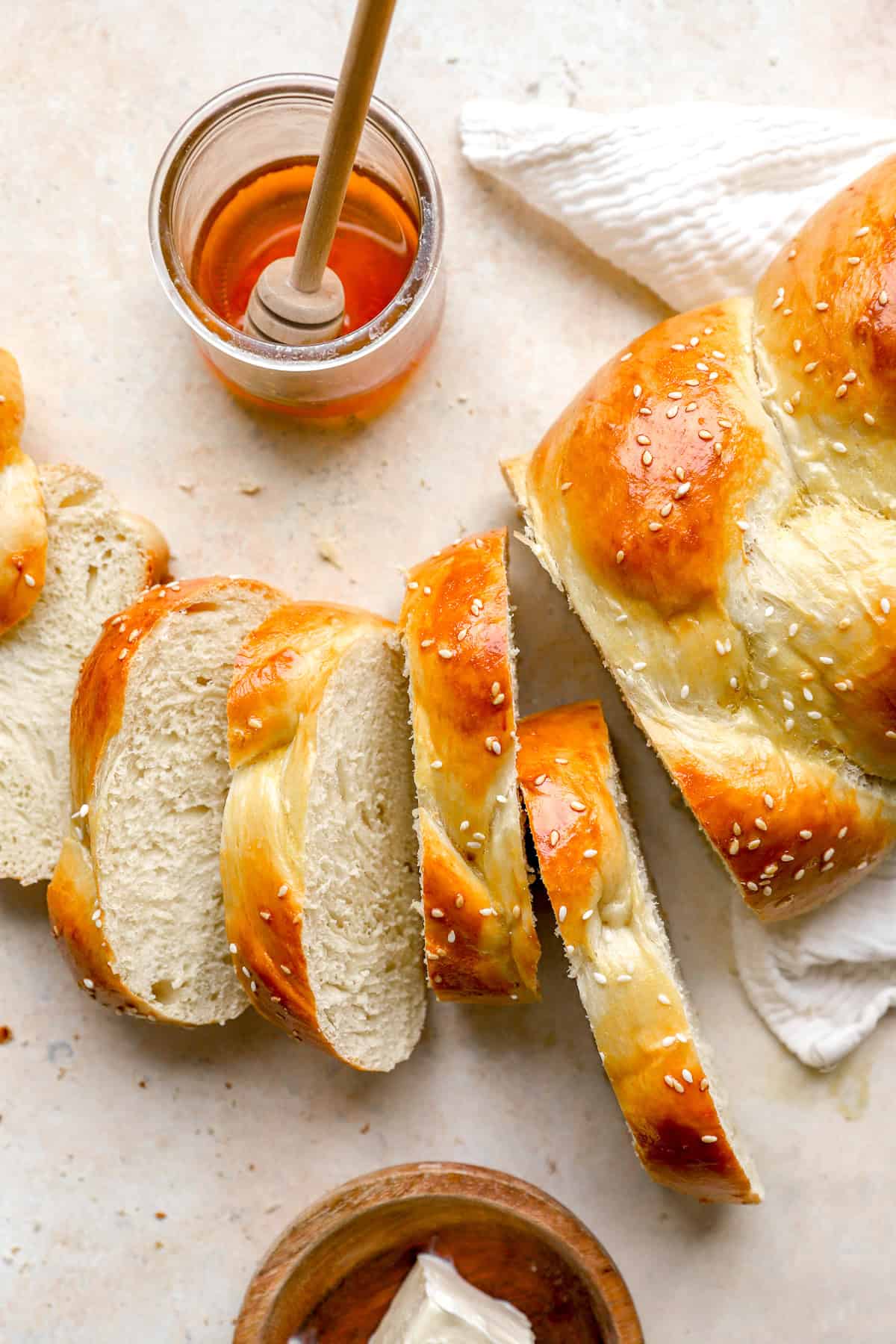
Credit: lexiscleankitchen.com
Preparing Challah For Freezing
Preparing challah bread for freezing helps keep it fresh and tasty. Proper preparation stops freezer burn and sogginess. Handle the bread gently to keep its soft texture after thawing.
Cooling The Bread
Let the challah cool completely before freezing. Warm bread creates moisture inside the packaging. This moisture leads to ice crystals and soggy bread. Place it on a wire rack for even air flow. Cooling takes about one to two hours. Avoid wrapping or freezing warm bread.
Slicing Or Whole Loaf
Decide if you want to freeze the whole loaf or slices. Slicing saves time when you want a quick snack. Wrap each slice or group of slices tightly. Use plastic wrap or freezer bags with air removed.
Freezing the whole loaf keeps the bread fresher longer. Wrap it well in plastic wrap, then in foil. Label with the date to track storage time. Both methods work well depending on your needs.
Best Freezing Methods
Freezing challah bread the right way keeps it fresh and delicious for weeks. The key is protecting its soft texture and rich flavor from freezer burn and moisture loss. You want your bread to taste almost as good as the day it was baked, even after thawing.
Wrapping Techniques
Start by tightly wrapping your challah in plastic wrap to lock in moisture. Make sure every inch is covered to prevent air from sneaking in. After that, wrap it again with aluminum foil for an extra barrier against freezer burn.
Have you ever noticed how poorly wrapped bread gets dry and crumbly? This double-layer approach really makes a difference in keeping your challah soft and fresh.
Using Airtight Containers
If you prefer not to use plastic wrap, airtight containers work well too. Choose a container that fits your challah snugly to minimize air pockets. This method is cleaner and reusable, which is great if you freeze bread often.
Remember to cool your challah completely before placing it in the container. Trapped heat can create condensation, leading to soggy bread after thawing.
Vacuum Sealing
Vacuum sealing is the best way to freeze challah if you have the equipment. It removes all the air, preserving the bread’s freshness and preventing freezer burn. This method can keep your challah tasting fresh for months.
Think about how vacuum-sealed snacks stay crisp longer—your challah benefits from the same principle. If you don’t have a vacuum sealer, wrapping and airtight containers are excellent alternatives.

Credit: wildwildwhisk.com
Freezing Duration And Storage Tips
Freezing challah bread is a smart way to keep it fresh longer. Proper freezing and storage help preserve its soft texture and sweet flavor. Knowing how long to freeze and how to store challah ensures the best taste when thawed.
Ideal Freezing Time
Challah bread stays best in the freezer for up to three months. After this time, its quality drops. The bread might dry out or lose flavor.
Freezing challah sooner after baking locks in freshness. Wrap it well before freezing to keep moisture inside. Thaw it slowly at room temperature to keep it soft.
Avoiding Freezer Burn
Freezer burn dries bread and changes its taste. Protect challah by wrapping it tightly in plastic wrap. Then place it in a freezer-safe bag or airtight container.
- Remove as much air as possible before sealing.
- Use heavy-duty freezer bags for better protection.
- Label the package with the date of freezing.
These steps block moisture loss and prevent freezer burn. Proper storage keeps challah soft and tasty after freezing.
Thawing Challah Bread
Thawing challah bread properly is key to enjoying its soft texture and rich flavor after freezing. How you thaw affects moisture, crumb, and taste. Let’s look at the best ways to bring your frozen challah back to life so it tastes fresh and inviting.
Room Temperature Thawing
Take your frozen challah out of the freezer and leave it wrapped at room temperature. This usually takes a few hours, depending on the size of the loaf.
Keeping it wrapped prevents the bread from drying out or getting a hard crust. Have you noticed how some breads get stale when exposed to air too long? This simple step keeps your challah soft and ready to eat.
Oven Reheating
If you want warm challah, preheat your oven to 350°F (175°C). Unwrap the bread and place it on a baking sheet.
Heat it for about 10-15 minutes. This method refreshes the crust and softens the inside, making it almost like freshly baked. Be careful not to overheat or the bread can become dry.
Microwave Tips
Microwaving challah is a quick fix but requires caution. Wrap a slice in a damp paper towel to keep moisture in.
Heat on medium power for 15-20 seconds. Check the bread and repeat if needed, but avoid overheating as it makes the bread chewy or tough.
Have you ever rushed to reheat bread and ended up with a rubbery mess? This simple trick with a damp towel can save your challah experience.
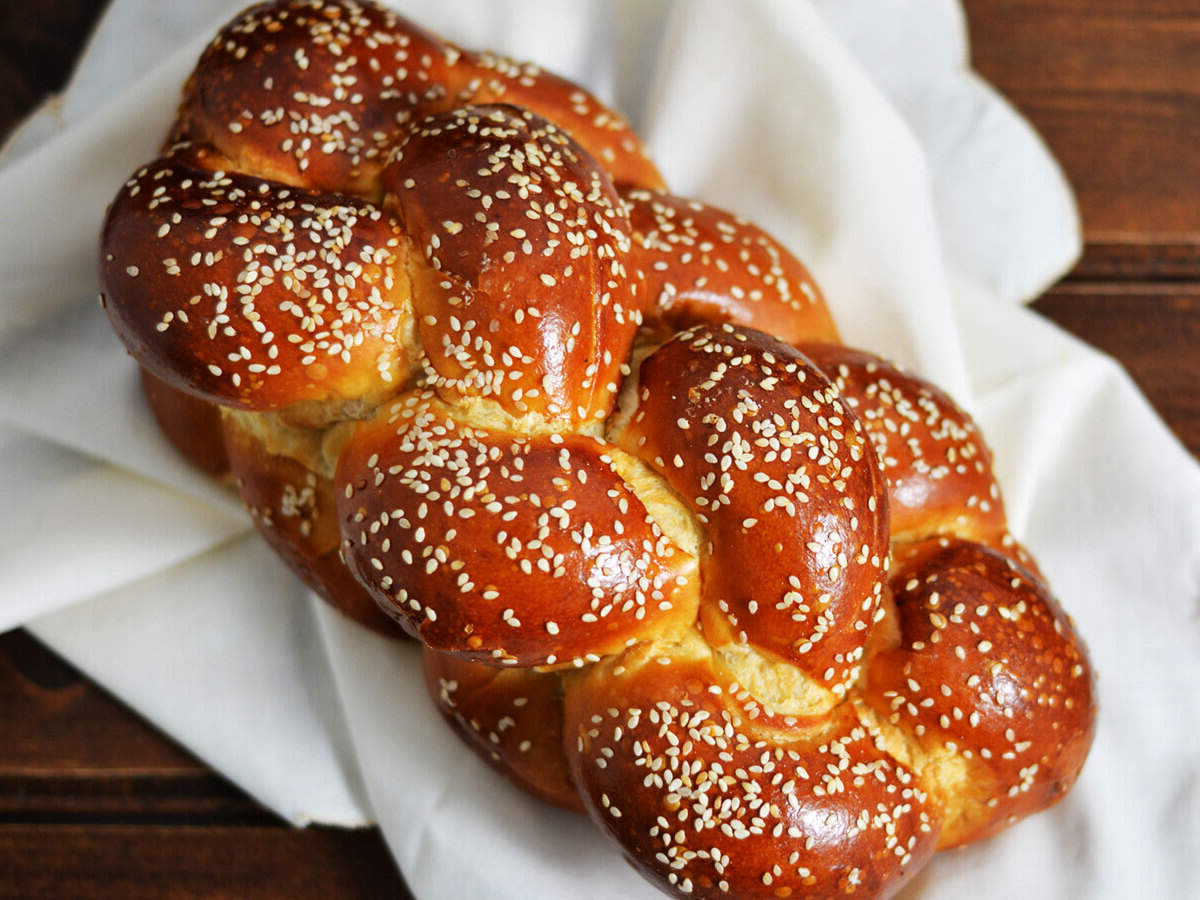
Credit: maison-kayser.com.sg
Maintaining Freshness After Thawing
Maintaining freshness after thawing challah bread is key for a tasty experience. Proper handling keeps the bread soft and flavorful. Thawed challah can sometimes feel dry or tough without the right care. Follow simple tips to keep your bread fresh and enjoyable.
Storage Options Post-thaw
Store thawed challah in a paper bag or loosely wrapped in foil. Avoid plastic wrap as it traps moisture and makes the crust soggy. Keep the bread at room temperature for up to two days. For longer storage, slice the bread and freeze again in airtight bags. This preserves freshness and stops mold growth.
Reviving Stale Challah
Stale challah can be soft again with a few tricks. Wrap the bread in foil and warm it in a 300°F oven for 10 minutes. This restores softness and brings back the crust’s crunch. Lightly sprinkle water on the crust before warming if the bread feels very dry. Avoid microwaving, which makes bread chewy and rubbery.
Common Mistakes To Avoid
Freezing challah bread is a smart way to keep it fresh longer. Avoiding common mistakes helps keep its taste and texture intact. Knowing what not to do saves time and prevents waste.
Freezing Warm Bread
Never freeze challah bread while it is still warm. Warmth creates moisture inside the wrapping. This moisture leads to soggy bread and ice crystals. Wait until the bread cools completely before freezing.
Improper Wrapping
Wrap challah tightly to prevent freezer burn and dryness. Use plastic wrap or aluminum foil first. Then place the bread inside a freezer bag. Remove as much air as possible before sealing.
Refreezing Challenges
Avoid refreezing challah once it is thawed. Refreezing causes loss of moisture and flavor. It makes the bread dry and crumbly. Freeze only what you plan to use at one time.
Frequently Asked Questions
Can You Freeze Challah Bread To Keep It Fresh?
Yes, you can freeze challah bread to maintain freshness. Wrap it tightly in plastic wrap and place it in a freezer bag. This prevents freezer burn and keeps the bread soft for up to three months.
How Do You Thaw Frozen Challah Bread Properly?
To thaw frozen challah, remove it from the freezer and keep it wrapped. Let it sit at room temperature for a few hours. Avoid microwaving as it can make the bread soggy.
Does Freezing Affect Challah Bread’s Texture Or Taste?
Freezing may slightly soften challah’s crust but preserves its flavor well. Proper wrapping prevents moisture loss, keeping the bread moist and tasty after thawing.
Can You Freeze Sliced Challah Bread?
Yes, sliced challah freezes well and is convenient for quick use. Separate slices with parchment paper before freezing to prevent sticking and allow easy portioning.
Conclusion
Freezing challah bread keeps it fresh for longer. Wrap it tightly to avoid freezer burn. Thaw it slowly at room temperature. You can also toast slices directly from the freezer. This method saves time and reduces waste. Enjoy soft, tasty challah anytime you want.
A simple step for lasting freshness. Try freezing your challah to keep its flavor and texture. It works well and is very convenient.