
Are you a fan of charcuterie boards, but find yourself with leftover meats after your gatherings? You might be wondering if you can freeze charcuterie meat to enjoy later without compromising its flavor and texture.
This question is more common than you think, and the answer might surprise you. Freezing charcuterie meat could be the game-changer you need to reduce waste and always have delicious snacks on hand. But before you toss your prosciutto or salami into the freezer, there are crucial things you should know.
Read on to discover how to preserve your charcuterie meats without losing their gourmet appeal. You won’t want to miss these essential tips!
Freezing Charcuterie Basics
Freezing charcuterie meat can be a convenient way to extend its shelf life, but it’s important to understand the basics before you stash your favorite slices in the freezer. Not all charcuterie freezes well, and the impact on texture and flavor varies widely. Getting this right means you can enjoy your cured meats without unpleasant surprises later.
Types Of Charcuterie Suitable For Freezing
Some charcuterie meats handle freezing better than others. Hard, dry-cured meats like salami and pepperoni generally freeze well because their low moisture content prevents ice crystals from damaging the texture.
Soft, fresh sausages or delicately cured hams may lose quality when frozen. Their higher moisture content tends to cause sogginess or a mushy texture after thawing.
- Dry-cured sausages (e.g., soppressata, chorizo) – Good candidates
- Hard cheeses paired with charcuterie – Freeze well together
- Fresh sausages and pâtés – Not recommended for freezing
- Cooked or smoked meats – Freeze with caution, texture changes expected
How Freezing Affects Texture And Flavor
Freezing slows down spoilage, but it can also alter your meat’s texture. Ice crystals form inside the meat fibers, which can break down the structure and lead to a crumbly or dry mouthfeel.
Flavor changes depend on the fat content and curing process. Some fats can become rancid if the meat isn’t wrapped properly, leading to off-flavors after thawing.
Here are some tips to preserve quality:
- Wrap tightly in plastic wrap and then foil to prevent freezer burn
- Freeze in portions to avoid thawing and refreezing
- Use within 1-2 months for best flavor retention
Have you ever thawed charcuterie only to find it less enjoyable? Understanding these effects can help you decide whether freezing is worth it for your favorite meats.
Preparing Meat For Freezing
Preparing charcuterie meat for freezing is a crucial step if you want to keep its flavor and texture intact. The way you package and portion the meat can make a big difference in how well it freezes and how easy it is to use later. Taking a little extra time now saves you from dealing with freezer burn or awkward defrosting sessions.
Proper Packaging Methods
Choosing the right packaging is essential. Use airtight containers or heavy-duty freezer bags to prevent air from reaching the meat. Air exposure causes freezer burn, which dries out the meat and ruins its taste.
Wrap each piece tightly in plastic wrap before placing it in a freezer bag for extra protection. If possible, remove as much air as you can using a vacuum sealer—it’s the best way to keep the meat fresh.
Label the package with the date and type of meat. This helps you keep track of how long it’s been in the freezer and avoid keeping it too long.
Portioning For Convenience
Think about how you plan to use the meat before freezing. Dividing it into smaller portions means you only thaw what you need. This prevents waste and keeps the rest of your meat fresh longer.
If you often use charcuterie meat for quick snacks, slice or separate it into snack-sized portions. For recipes, consider portion sizes that match your usual servings.
Freezing in individual servings also speeds up thawing. Have you ever waited hours for a whole package to defrost, only to use a small amount? Portioning solves that problem.
Freezing Process Tips
Freezing charcuterie meat can extend its shelf life and keep it fresh for later use. Proper freezing helps preserve flavor, texture, and quality. Follow specific tips to ensure the best results during the freezing process.
Ideal Freezing Temperatures
Set your freezer to maintain a temperature of 0°F (-18°C) or lower. This temperature stops bacteria growth and keeps the meat safe. Avoid temperature fluctuations to prevent thawing and refreezing. Store the meat in the coldest part of the freezer for consistent freezing.
Avoiding Freezer Burn
Freezer burn causes dry spots and alters the meat’s taste. Protect charcuterie by wrapping it tightly in plastic wrap or aluminum foil. Use airtight containers or vacuum-sealed bags for extra protection. Remove as much air as possible before sealing to reduce ice crystals. Label packages with the freezing date to track storage time and use meat within two to three months for best quality.
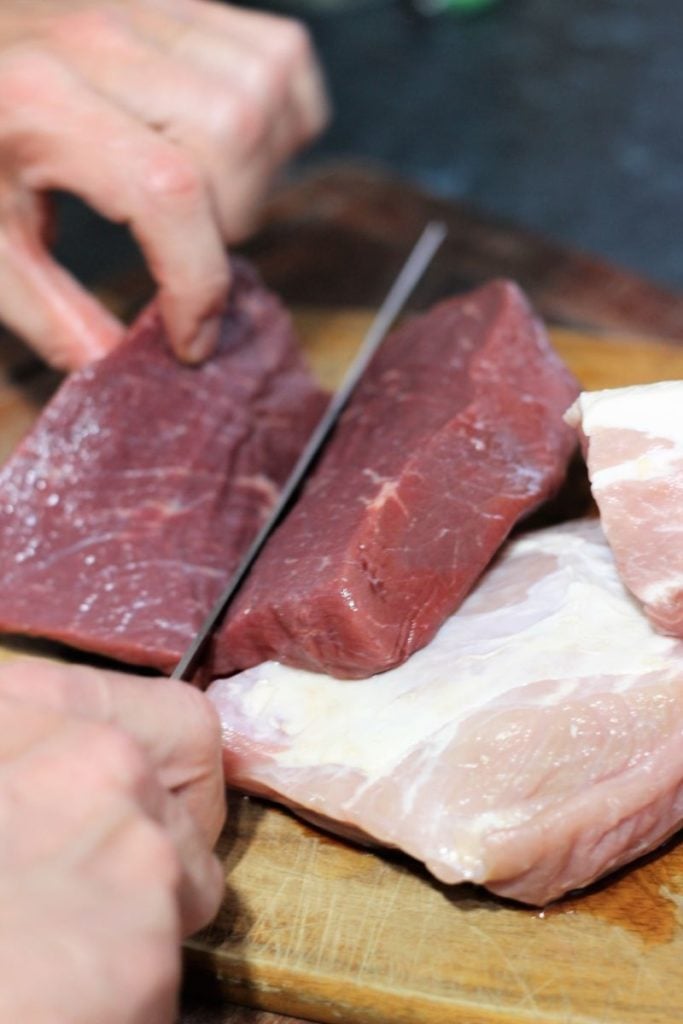
Credit: eatcuredmeat.com
Thawing Charcuterie Safely
Thawing charcuterie safely is essential to keep its flavor and texture intact. Improper thawing can cause bacteria growth and spoil the meat. Taking the right steps helps protect your health and preserves the quality of the charcuterie.
Best Thawing Techniques
Thaw charcuterie slowly in the refrigerator. This keeps the meat at a safe, steady temperature.
- Place the meat on a plate to catch any drips.
- Allow 24 hours for every 5 pounds of meat.
- Keep the package sealed to prevent contamination.
For quicker thawing, use cold water. Keep the meat in a leak-proof bag.
- Submerge the bag in cold water.
- Change the water every 30 minutes.
- Cook immediately after thawing.
Avoid thawing charcuterie at room temperature. This encourages bacterial growth and spoils the meat.
Signs Of Spoiled Meat
Check charcuterie carefully before use. Spoiled meat has clear signs.
- Unpleasant sour or ammonia-like smell.
- Sticky or slimy texture on the surface.
- Discoloration, such as gray or green patches.
- Off taste during sampling.
Throw away any meat showing these signs. Eating spoiled charcuterie can cause illness.
Storage Duration Guidelines
Knowing how long you can store charcuterie meat in the freezer is key to keeping its taste and texture just right. Freezing can preserve the meat, but it won’t last forever. Understanding the best storage duration helps you avoid waste and enjoy your charcuterie at its best.
Recommended Freezing Times
Different types of charcuterie meats have different freezing lifespans. Most cured meats like salami, prosciutto, and pepperoni can last up to 1-2 months in the freezer without losing much quality.
Fresh sausages or pâtés, however, are best used within 1 month. Beyond that, the texture may change, becoming crumbly or dry.
| Charcuterie Type | Recommended Freezing Time |
|---|---|
| Dry-Cured Meats (Salami, Prosciutto) | 1-2 months |
| Cooked or Fresh Sausages | Up to 1 month |
| Pâté and Terrines | 1 month |
Have you ever taken out meat from the freezer only to find it dry or tasteless? Sticking to these timelines can help prevent that disappointment.
Using Frozen Charcuterie In Recipes
Frozen charcuterie isn’t just for snacking; it can add rich flavors to your cooking. Thaw it slowly in the fridge to keep the texture intact.
Once thawed, sliced dry-cured meats work great on pizzas, in pasta dishes, or as sandwich toppings. Fresh sausages can be cooked into stews or grilled for a hearty meal.
- Use thawed prosciutto in salads for a salty bite.
- Add frozen sausage to soups but cook thoroughly.
- Reheat pâté gently to preserve smoothness before spreading.
Do you think frozen charcuterie limits your meal options? Trying these ideas might change your mind and inspire new dishes.

Credit: boarderie.com
Common Mistakes To Avoid
Freezing charcuterie meat might seem straightforward, but many fall into traps that affect flavor and safety. Avoiding these common mistakes ensures your meat stays delicious and safe to eat. Let’s look at key errors that can ruin your frozen charcuterie experience.
Freezing Already Opened Packages
Freezing charcuterie meat straight from an opened package can lead to freezer burn and loss of flavor. Once exposed to air, the meat’s surface dries out quickly in the freezer.
Instead, wrap the meat tightly in plastic wrap or use an airtight container before freezing. Vacuum sealing is even better to protect the meat from air and moisture.
Think about your last time freezing deli meat—did it taste dry or tough afterward? That’s a sign the packaging wasn’t sealed properly before freezing.
Refreezing Thawed Meat
Refreezing meat after it has thawed is risky and can degrade quality significantly. Each freeze-thaw cycle damages the texture and can increase the chance of bacterial growth.
If you thaw more than you need, it’s safer to cook the extra and then freeze the cooked meat instead. Cooked charcuterie meat freezes better and keeps its flavor longer.
Ask yourself: have you noticed a change in texture after refreezing meat? That’s a clear warning to avoid this practice.

Credit: boarderie.com
Frequently Asked Questions
Can You Freeze All Types Of Charcuterie Meat?
Not all charcuterie meats freeze well. Hard, dry-cured meats freeze better than soft, fresh ones. Always check the meat type before freezing.
How Long Can Charcuterie Meat Stay Frozen?
Charcuterie meat can stay frozen for 1 to 2 months. Beyond that, texture and flavor may decline. Use airtight packaging to maintain quality.
Does Freezing Affect Charcuterie Meat Taste?
Freezing can slightly alter taste and texture. Dry-cured meats handle freezing better. Fresh or soft meats may become mushy or lose flavor.
What Is The Best Way To Freeze Charcuterie Meat?
Wrap charcuterie meat tightly in plastic wrap or foil. Place it in an airtight freezer bag. Label with date and use within two months.
Conclusion
Freezing charcuterie meat helps keep it fresh longer. Wrap it well to stop freezer burn. Thaw meat slowly in the fridge for best taste. Avoid refreezing once thawed to keep quality high. Use frozen meat within a few months for safety.
This method saves money and reduces food waste. Now you can enjoy your favorite meats anytime. Simple steps make freezing easy and effective. Give it a try and keep your charcuterie tasty.