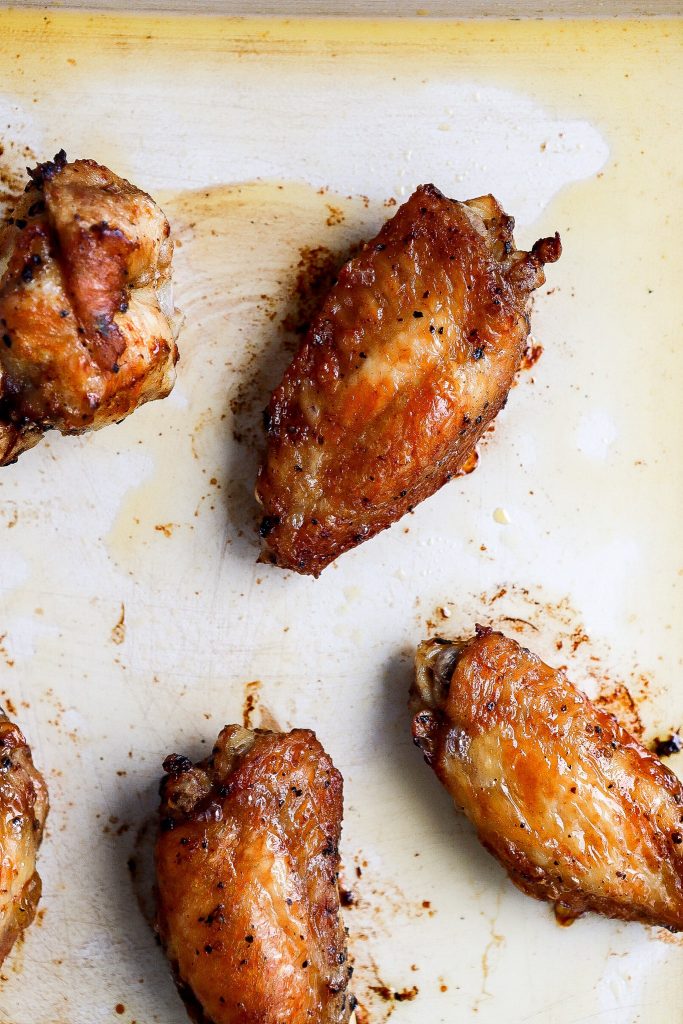
Have you ever cooked a big batch of chicken wings and wondered if you can save the leftovers for later? You might be asking yourself, “Can you freeze cooked chicken wings without losing their taste and texture?”
If you want to enjoy your wings again without wasting food or spending extra time cooking, this guide is for you. Keep reading to discover the best tips and tricks to freeze your chicken wings safely and keep them delicious every time you reheat them.

Credit: www.youtube.com
Freezing Basics For Cooked Chicken Wings
Freezing cooked chicken wings is a great way to save time and reduce food waste, but doing it right can make all the difference. Understanding the basics helps you keep your wings tasty and fresh, even after weeks in the freezer. Let’s look at what conditions work best and what changes you might notice after freezing.
Ideal Conditions For Freezing
To freeze cooked chicken wings properly, start by cooling them completely. Leaving wings to cool at room temperature for no more than two hours prevents bacteria growth.
Use airtight containers or heavy-duty freezer bags to avoid freezer burn. Removing as much air as possible is key—try pressing out excess air before sealing.
- Wrap wings individually or in small portions for easy thawing.
- Label the package with the date to keep track of freshness.
- Store at 0°F (-18°C) or lower to maintain quality.
How Freezing Affects Texture And Flavor
Freezing can change the texture of cooked chicken wings. Ice crystals form inside the meat, which might make the wings less juicy after thawing.
Flavor can also dull slightly, especially if the wings were heavily sauced before freezing. You might find that reapplying a fresh sauce after reheating brightens the taste.
Have you ever noticed your wings turning a bit dry or rubbery after freezing? That’s a common effect, but it’s manageable with proper thawing methods—thaw slowly in the fridge for the best results.
Best Methods To Freeze Chicken Wings
Freezing cooked chicken wings is a smart way to keep your meals ready for busy days. But how you freeze them makes a big difference in taste and texture later. Choosing the right method helps preserve flavor and prevents freezer burn, so your wings stay delicious.
Using Airtight Containers
Airtight containers are a simple and effective way to freeze cooked wings. They block air from reaching the food, which slows down moisture loss and keeps the wings juicy. Make sure to leave a little space at the top of the container to allow for expansion as the wings freeze.
Using containers also helps you stack and organize your freezer neatly. You can label each container with the date to keep track of freshness. Have you ever bitten into freezer-burned wings? Airtight containers help you avoid that unpleasant experience.
Vacuum Sealing Benefits
Vacuum sealing is the best option if you want to keep your wings fresh for a long time. This method removes all the air around the wings, which greatly reduces freezer burn and keeps flavors locked in. It’s like giving your wings a protective shield against the cold.
If you have a vacuum sealer, try freezing wings in small portions. This way, you only thaw what you need, reducing waste. Have you noticed how vacuum-sealed foods often taste fresher after months in the freezer? That’s the power of removing air.
Freezing In Freezer Bags
Freezer bags are a budget-friendly and flexible choice for freezing cooked chicken wings. Choose thick, heavy-duty bags designed for freezing to prevent holes and leaks. Press out as much air as possible before sealing to reduce ice crystals forming on the wings.
Organize the bags flat in the freezer for faster freezing and easy stacking. Don’t forget to label each bag with the date and contents. Have you tried freezing sauces or dips with your wings in the same bag? It’s a handy trick for complete meals ready to heat up.
Preparing Wings Before Freezing
Preparing cooked chicken wings before freezing helps keep their flavor and texture. Proper preparation stops ice crystals from forming on the wings. This also prevents soggy or freezer-burned wings after thawing. Taking a few simple steps makes reheating easier and tastier later.
Cooling And Drying Tips
Let the wings cool down at room temperature for about 30 minutes. Do not leave wings out longer to avoid bacteria growth. Use paper towels to pat the wings dry. Removing extra moisture helps prevent ice buildup. Dry wings freeze better and keep their crispiness when reheated.
Portioning For Convenience
Divide the wings into small, meal-sized portions. Use freezer bags or airtight containers for packing the wings. Label each package with the date and number of wings inside. Portioning allows quick thawing and stops freezing more than needed. It saves time and reduces waste during meal prep.
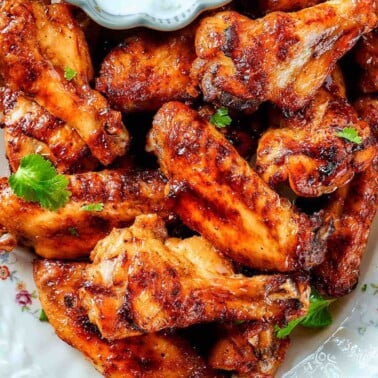
Credit: thebigmansworld.com
Storage Duration And Safety
Proper storage of cooked chicken wings is key to keeping them safe and tasty. Knowing how long you can freeze them helps avoid waste and prevents foodborne illness. Freezing slows down bacteria growth but does not stop it completely. Follow safe storage guidelines to enjoy your wings later without worry.
Recommended Freezing Time
Cooked chicken wings stay best in the freezer for up to 4 months. Beyond this time, their quality drops. They may lose flavor and become dry or tough. Store wings in airtight containers or freezer bags to prevent freezer burn. Label packages with the date to track storage time easily.
Signs Of Spoilage
Check wings carefully before eating after freezing. Look for these signs of spoilage:
- Unpleasant or sour smell
- Slime or sticky texture on the surface
- Discoloration, such as gray or green spots
- Freezer burn, which appears as dry, white patches
Discard wings showing any of these signs. Eating spoiled chicken can cause stomach upset or worse. When in doubt, throw it out.
Thawing Cooked Chicken Wings
Thawing cooked chicken wings properly is key to enjoying their original flavor and texture after freezing. If done incorrectly, you might end up with dry or soggy wings, which no one wants. Let’s look at ways to thaw your wings safely while keeping them delicious.
Safe Thawing Techniques
Thawing your cooked chicken wings in the refrigerator is the safest option. It takes time—usually overnight—but it keeps the wings at a safe temperature, preventing bacteria growth.
If you’re in a hurry, use the microwave’s defrost setting, but be cautious. Wings can start cooking unevenly if left too long, so check frequently to avoid this.
Another quick method is placing the wings in a sealed plastic bag and submerging them in cold water. Change the water every 30 minutes until thawed. This method works well if you plan to reheat immediately.
Avoiding Texture Loss
Have you ever noticed frozen wings turning rubbery or dry after reheating? This often happens because of improper thawing. Slow, gentle thawing helps retain moisture inside the wings.
After thawing, pat the wings dry with a paper towel before reheating. Removing excess moisture prevents sogginess and keeps the skin crispy.
Reheat wings at moderate heat rather than blasting them in high heat. This gradual warming preserves tenderness and flavor, making your wings taste like they just came off the grill.
Reheating Frozen Wings
Reheating frozen wings can be tricky. The goal is to warm them evenly while keeping their texture. Proper reheating prevents dryness and sogginess. It also keeps the flavor intact.
Best Reheating Methods
Oven reheating works best for frozen wings. Preheat the oven to 375°F (190°C). Place wings on a baking sheet in a single layer. Heat for 15-20 minutes, turning halfway through.
An air fryer also reheats wings quickly. Set it to 360°F (182°C). Heat wings for 8-10 minutes, shaking the basket once.
Microwaving is fastest but may cause sogginess. Use medium power and heat in short bursts. Check wings often to avoid overcooking.
Maintaining Crispiness
Keep wings crispy by reheating without covering. Moisture trapped in foil or lids softens the skin. Use a wire rack on the baking sheet for airflow.
Brushing wings lightly with oil before heating helps crispiness. Avoid stacking wings to ensure even heat exposure.
Finish reheating with a few minutes under a broiler or in the air fryer. This step restores crunch without drying out the meat.
Common Mistakes To Avoid
Freezing cooked chicken wings is a smart way to save food and time. Yet, certain errors can spoil their taste and safety. Avoid these common mistakes to keep your wings fresh and tasty after freezing.
Freezing Wings Hot
Placing hot wings directly in the freezer causes several problems. Hot food raises the freezer’s temperature. This puts other frozen items at risk.
Hot wings also create ice crystals on the surface. This leads to freezer burn and dry texture. Always let wings cool down to room temperature before freezing.
Refreezing Thawed Wings
Refreezing wings after thawing harms their quality. Thawed wings lose moisture and flavor each time frozen again.
Refreezing also increases the risk of bacteria growth. This can cause foodborne illness. Freeze wings only once and eat after thawing.
Alternatives To Freezing
Freezing cooked chicken wings is a popular way to extend their shelf life, but it’s not the only option you have. Sometimes, you might want to enjoy your wings without dealing with the texture changes that freezing can cause. Luckily, there are practical alternatives that help keep your wings fresh and tasty while fitting into your daily routine.
Refrigeration Tips
Storing cooked chicken wings in the refrigerator is a great way to enjoy them within a few days. Make sure to place the wings in an airtight container or wrap them tightly with plastic wrap to prevent drying out.
Keep your fridge temperature at or below 40°F (4°C) to slow bacterial growth. If you notice any off smells or slimy textures, it’s best to discard the wings. Do you ever wonder how long you can safely keep leftovers? Generally, wings stay good for up to 3-4 days when refrigerated properly.
Using Wings In Meal Prep
Instead of freezing, try adding your cooked wings directly into your weekly meal plan. They can be a quick protein addition to salads, wraps, or rice bowls.
Chop the wings and toss them with fresh veggies and sauces to create new dishes. This approach not only reduces waste but also saves time on busy days when cooking from scratch feels overwhelming.
Have you tried mixing wing meat into scrambled eggs or pasta? Experimenting with wings in different meals can keep your menu exciting and prevent boredom with leftovers.
Credit: www.gianteagle.com
Frequently Asked Questions
Can You Freeze Cooked Chicken Wings Safely?
Yes, you can freeze cooked chicken wings safely. Store them in airtight containers or freezer bags. Freeze within two hours of cooking for best quality. Properly frozen wings can last up to 4 months without losing taste or texture.
How Should Cooked Chicken Wings Be Stored For Freezing?
Cool the cooked wings completely before freezing. Place them in airtight containers or heavy-duty freezer bags. Remove as much air as possible to prevent freezer burn. Label the packaging with the date for easy tracking.
Will Freezing Cooked Chicken Wings Affect Their Taste?
Freezing cooked chicken wings may slightly change their texture but not taste. Proper storage minimizes flavor loss. Reheating gently helps maintain juiciness and flavor. Overall, wings remain tasty and safe to eat after freezing.
How Long Can Cooked Chicken Wings Stay Frozen?
Cooked chicken wings can stay frozen for up to 4 months. Beyond that, quality may decline. Always check for off smells or freezer burn before consuming. For best taste, consume within the recommended time frame.
Conclusion
Freezing cooked chicken wings is a smart way to save leftovers. It keeps them fresh for future meals. Always store them in airtight containers. Label with the date to track freshness. Thaw in the fridge for the best results. This method avoids bacteria growth.
Enjoy tasty wings anytime without waste. A simple step that preserves flavor. It’s cost-effective and convenient. Perfect for busy days or unexpected guests. Keep your meals exciting and delicious. Try it today and enjoy the benefits. Your future self will thank you.