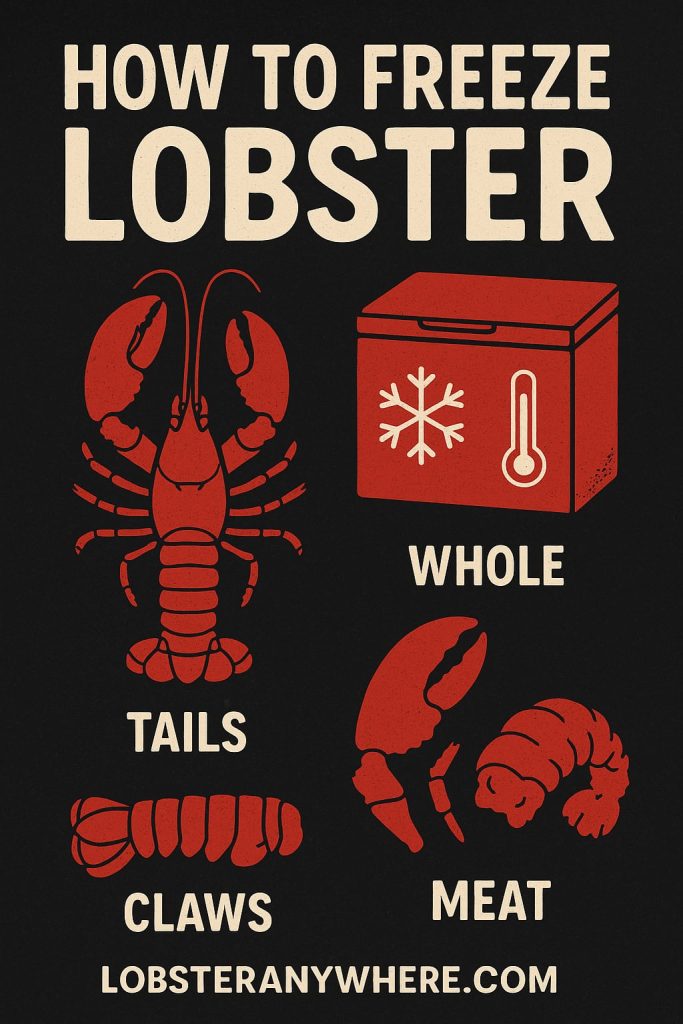
Have you ever wondered if you can freeze cooked lobster meat without losing its delicious flavor and texture? If you’ve cooked more lobster than you can eat or want to save leftovers for later, knowing the right way to freeze it can save you time and money.
But freezing seafood can be tricky—too much moisture or improper storage can turn your lobster into a rubbery mess. You’ll discover simple tips to freeze cooked lobster meat the right way, so every bite tastes fresh and satisfying. Keep reading to learn how to keep your lobster perfect for your next meal.
Freezing Basics For Lobster
Freezing cooked lobster meat helps preserve its flavor and texture. It allows you to enjoy lobster later without wasting any leftovers. Proper freezing keeps the meat fresh and safe to eat for weeks. Understanding the basics of freezing lobster meat ensures the best results.
Types Of Lobster Meat Suitable For Freezing
Not all lobster meat freezes equally well. The claw, knuckle, and tail meat are ideal for freezing. These parts have firm textures that hold up during freezing and thawing. Avoid freezing lobster meat mixed with sauces or heavy seasonings. Plain cooked lobster meat freezes best for future use.
Best Containers And Wrapping Methods
Choose airtight containers or freezer bags to keep lobster fresh. Remove as much air as possible before sealing. Wrap lobster meat tightly in plastic wrap or aluminum foil first. Then place it in a freezer bag or container for extra protection. Label the package with the date to track storage time. Proper wrapping prevents freezer burn and preserves taste.
Preparing Lobster Meat For Freezing
Preparing lobster meat for freezing is a key step to maintain its freshness and flavor. Proper preparation helps avoid freezer burn and preserves the delicate texture of the lobster. Taking the time to clean and portion your lobster meat correctly will make thawing and cooking easier later on.
Cleaning And Portioning
Start by rinsing the cooked lobster meat under cold water to remove any residual juices or debris. Pat it dry gently with a paper towel to prevent excess moisture, which can cause ice crystals during freezing.
Next, divide the lobster meat into portions based on how you plan to use it. Smaller portions freeze faster and thaw more evenly, so consider separating the meat into meal-sized packs. Using airtight containers or vacuum-sealed bags helps keep the lobster fresh and prevents freezer odors from seeping in.
Removing Shells And Veins
Carefully remove all the shells, including the small pieces hidden in the tail and claws. Leaving shell fragments can make eating unpleasant and damage freezer bags.
Check the lobster meat for any dark veins or digestive tracts and remove them. These veins can affect the taste and texture if left in. Clean meat not only tastes better but also freezes more uniformly, giving you a better dining experience when you’re ready to enjoy it.
Freezing Process And Storage Tips
Freezing cooked lobster meat can extend its freshness and keep your seafood delicious for weeks. However, the freezing process requires careful attention to temperature, packaging, and timing to maintain the lobster’s delicate texture and flavor. Let’s look at some practical tips to help you freeze your lobster meat the right way.
Optimal Freezing Temperatures
Keeping your freezer at the correct temperature is crucial for preserving lobster meat quality. Aim for a steady temperature of 0°F (-18°C) or lower. This slows down bacterial growth and prevents spoilage.
Fluctuating temperatures can cause ice crystals to form inside the meat, damaging its texture. Have you checked your freezer’s temperature recently? Investing in a freezer thermometer can make a big difference.
Avoiding Freezer Burn
Freezer burn dries out your lobster meat, leaving it tough and flavorless. The key is to seal the meat tightly to keep out air. Use vacuum-sealed bags or wrap the lobster meat in plastic wrap, then place it inside a heavy-duty freezer bag.
Removing as much air as possible from the packaging helps keep moisture locked in. Also, avoid storing lobster meat near strong-smelling foods to prevent odor absorption. Have you noticed freezer burn ruining your seafood before? Proper packaging can prevent that disappointment.
Labeling And Dating
It’s easy to forget how long your lobster meat has been in the freezer. Label each package clearly with the date you froze it. This helps you use the oldest packages first and avoid keeping lobster too long.
Cooked lobster meat is best used within 2 to 3 months of freezing for optimal taste. Keeping a simple freezer inventory list can save you time and reduce waste. How often do you check your freezer stock before cooking?
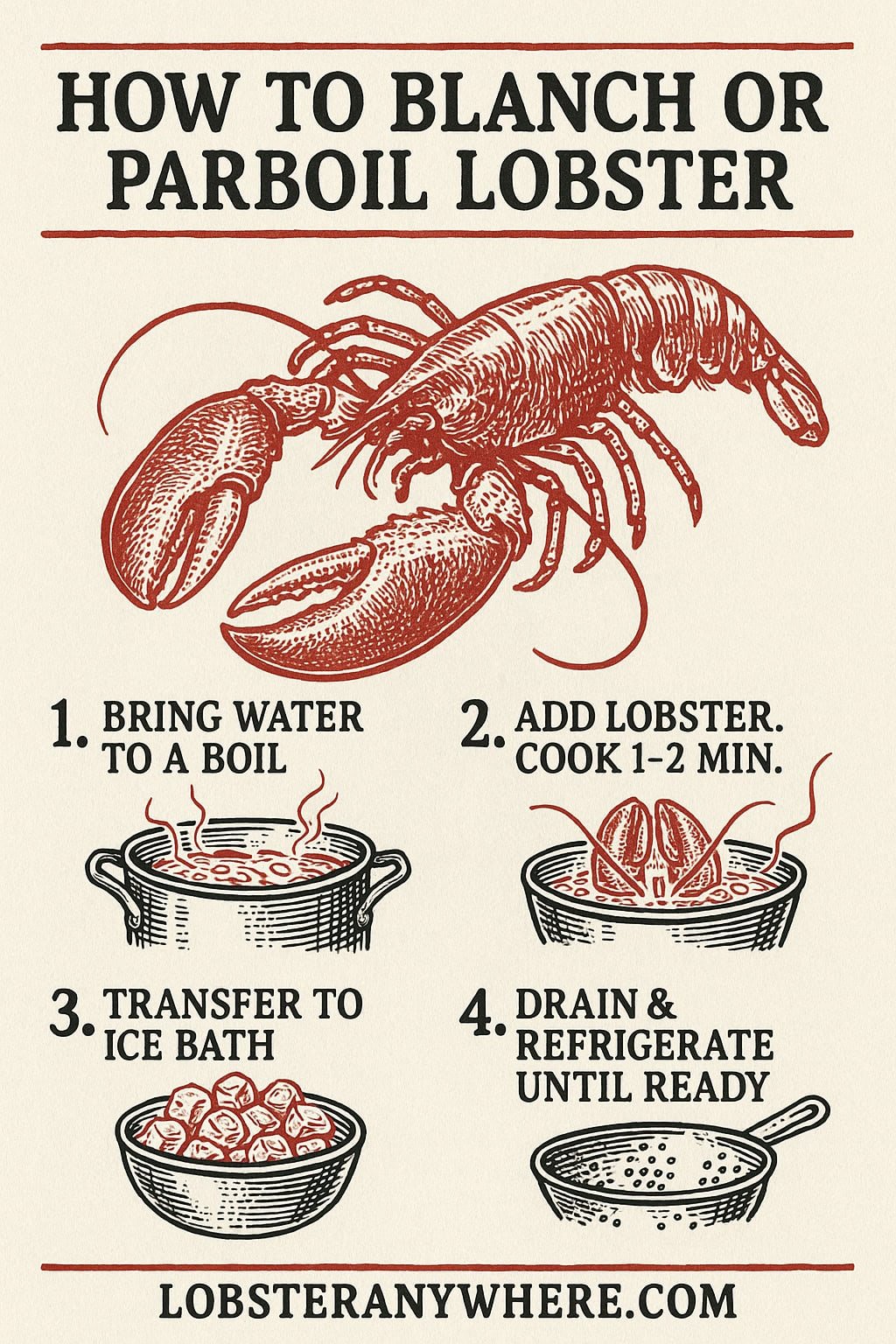
Credit: lobsteranywhere.com
Thawing Cooked Lobster Meat
Thawing cooked lobster meat correctly is key to keeping its great taste and texture. Proper thawing stops bacteria growth and keeps the lobster safe to eat. This section covers how to thaw cooked lobster meat safely and keep its delicious flavor intact.
Safe Thawing Methods
Thaw cooked lobster meat in the refrigerator for best safety. Place it in a sealed container or plastic bag to avoid contamination. Let it thaw slowly, usually overnight or about 8-12 hours.
If you need faster thawing, use cold water. Keep the lobster meat sealed in a bag and submerge it in cold water. Change the water every 30 minutes until thawed. Avoid warm or hot water to prevent bacteria growth.
Never thaw lobster meat at room temperature. This increases the risk of harmful bacteria developing on the surface.
Maintaining Texture And Flavor
After thawing, handle lobster meat gently to keep its texture firm. Avoid squeezing or pressing it hard.
Use the lobster meat soon after thawing for best flavor. Reheating multiple times can dry out the meat and reduce taste.
Store thawed lobster meat in the refrigerator if not using immediately. Consume it within 1-2 days for best quality.
Using Frozen Lobster Meat
Frozen lobster meat is a convenient ingredient to keep on hand. It saves time and reduces waste after a special seafood meal. Using frozen lobster lets you enjoy lobster flavors anytime. Proper handling ensures the meat stays tender and delicious after thawing.
Thaw frozen lobster in the refrigerator overnight. Avoid thawing at room temperature to keep it safe. Once thawed, use the meat quickly for best taste and texture. Reheating lobster properly helps prevent toughness.
Recipes Best For Frozen Lobster
Frozen lobster meat works well in many dishes that mix other ingredients. Soups, stews, and casseroles benefit from lobster’s rich flavor. Lobster pasta, salads, and rolls are simple and tasty options. Using lobster in mixed dishes hides any slight texture change from freezing.
- Lobster bisque or creamy soups
- Lobster mac and cheese
- Lobster pasta with garlic butter sauce
- Lobster salad with fresh veggies
- Lobster rolls with mayo and herbs
Avoiding Overcooking
Overcooked lobster becomes rubbery and loses its delicate flavor. Cook frozen lobster meat gently and avoid high heat. Add lobster at the end of cooking to warm it through. Use low to medium heat for reheating or mixing.
- Heat lobster just until warm, not boiling
- Stir gently when cooking with sauces
- Use a thermometer to check internal temperature, aiming for 140°F (60°C)
- Remove lobster immediately from heat once warmed

Credit: lobsteranywhere.com
Common Mistakes To Avoid
Freezing cooked lobster meat can keep it fresh, but many make mistakes that ruin its taste and texture. Avoiding these errors helps preserve the meat’s quality and flavor. Understanding common pitfalls ensures your lobster stays delicious after freezing.
Freezing Lobster Meat Too Long
Frozen lobster meat loses quality over time. Keeping it in the freezer for more than 3 months can cause dryness and tough texture. Ice crystals damage the meat’s structure, making it less enjoyable to eat. Use the meat within a reasonable time for best results.
Improper Packaging
Air exposure causes freezer burn, which affects taste and texture. Use airtight containers or vacuum-sealed bags to protect the meat. Wrap lobster tightly in plastic wrap before placing it in a bag. Proper packaging keeps moisture in and air out.
Refreezing Issues
Refreezing thawed lobster meat harms its quality. Thawing causes moisture loss, and freezing again makes it drier. Always thaw lobster in the fridge and use it quickly. Avoid refreezing to keep the meat tender and flavorful.
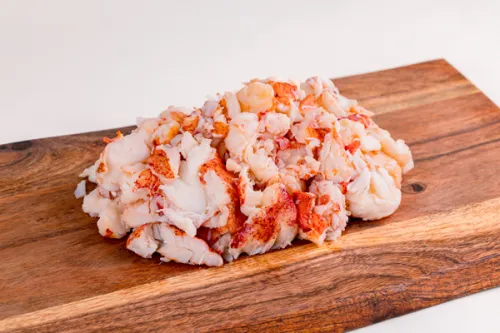
Credit: jameshooklobster.com
Frequently Asked Questions
Can Cooked Lobster Meat Be Frozen Safely?
Yes, cooked lobster meat can be safely frozen. Wrap it tightly in airtight containers or freezer bags. Proper packaging prevents freezer burn and preserves flavor. Use within 2-3 months for best taste and texture. Always thaw in the refrigerator before reheating.
How Long Does Frozen Cooked Lobster Last?
Frozen cooked lobster meat lasts about 2 to 3 months. Beyond this, quality and flavor decline. Store it properly in airtight packaging to maintain freshness. For safety, always check for any off smells or discoloration after thawing.
What Is The Best Way To Freeze Cooked Lobster?
The best way is to cool lobster meat completely. Wrap it tightly in plastic wrap, then place in a freezer bag. Remove excess air to prevent freezer burn. Label with the freezing date. Store at 0°F (-18°C) or below for optimal preservation.
Can Freezing Affect Lobster Meat Texture?
Yes, freezing can slightly change lobster meat texture. Ice crystals may form and break cell walls. This can make the meat a bit softer after thawing. However, proper packaging and quick freezing minimize texture changes. Cooking fresh lobster is best for texture.
Conclusion
Freezing cooked lobster meat is easy and practical. It keeps the flavor intact. Use airtight containers for storage. Avoid freezer burn by sealing well. Label with dates for freshness tracking. Thaw slowly in the fridge for best results. Enjoy delicious lobster dishes anytime.
Simple steps ensure your seafood remains tasty. Great for busy schedules or special occasions. Keep enjoying your favorite meals. Lobster lovers, now you know how to preserve it. Happy cooking and freezing!