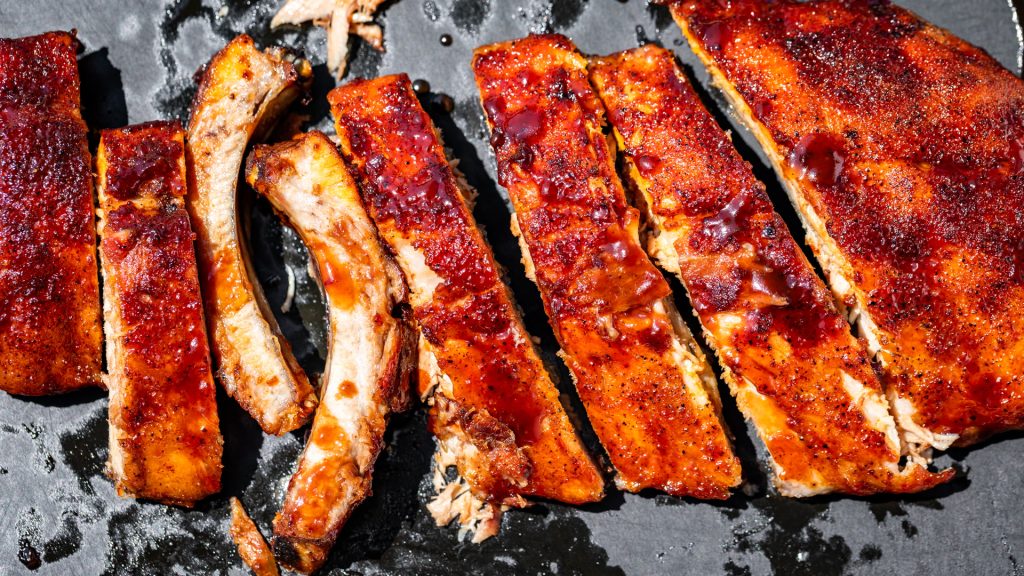
Do you ever find yourself with leftover ribs after a delicious barbecue feast? These juicy, flavorful ribs, cooked to perfection, deserve to be enjoyed again.
But how can you keep them fresh and tasty? You might be wondering, “Can you freeze cooked ribs on the bone? ” This question is more common than you think, and knowing the answer could save you from unnecessary waste.
Imagine opening your freezer to find perfectly preserved ribs, ready to be reheated and savored at a moment’s notice. The idea is tempting, isn’t it? Freezing ribs could be the secret to extending their deliciousness beyond the day they’re cooked. But before you wrap them up and toss them into the freezer, there are essential tips and tricks you need to know to maintain their texture and taste. Get ready to discover the best methods for freezing your ribs effectively. This guide will show you how to enjoy your ribs just as much the second time around. Let’s dive in and ensure your leftovers are as delightful as they were the first time!
Freezing Cooked Ribs Basics
Freezing cooked ribs on the bone is a smart way to save your delicious leftovers. It helps keep the ribs fresh and ready for another meal. Understanding the basics of freezing ribs ensures you keep their taste and texture intact. Proper freezing also stops bacteria growth and food waste.
Why Freeze Cooked Ribs
Freezing cooked ribs extends their shelf life beyond a few days. It helps you enjoy ribs later without cooking again. Freezing saves time and effort for busy days. It also locks in flavors and moisture, keeping the ribs juicy. You can prepare large meals ahead and freeze leftovers easily.
Bones And Freezing Compatibility
Ribs on the bone freeze well and keep their shape. The bone helps ribs stay tender during freezing and reheating. Bones do not affect the freezing process negatively. When wrapped correctly, ribs with bones stay protected from freezer burn. Make sure to cool ribs completely before freezing to keep quality high.
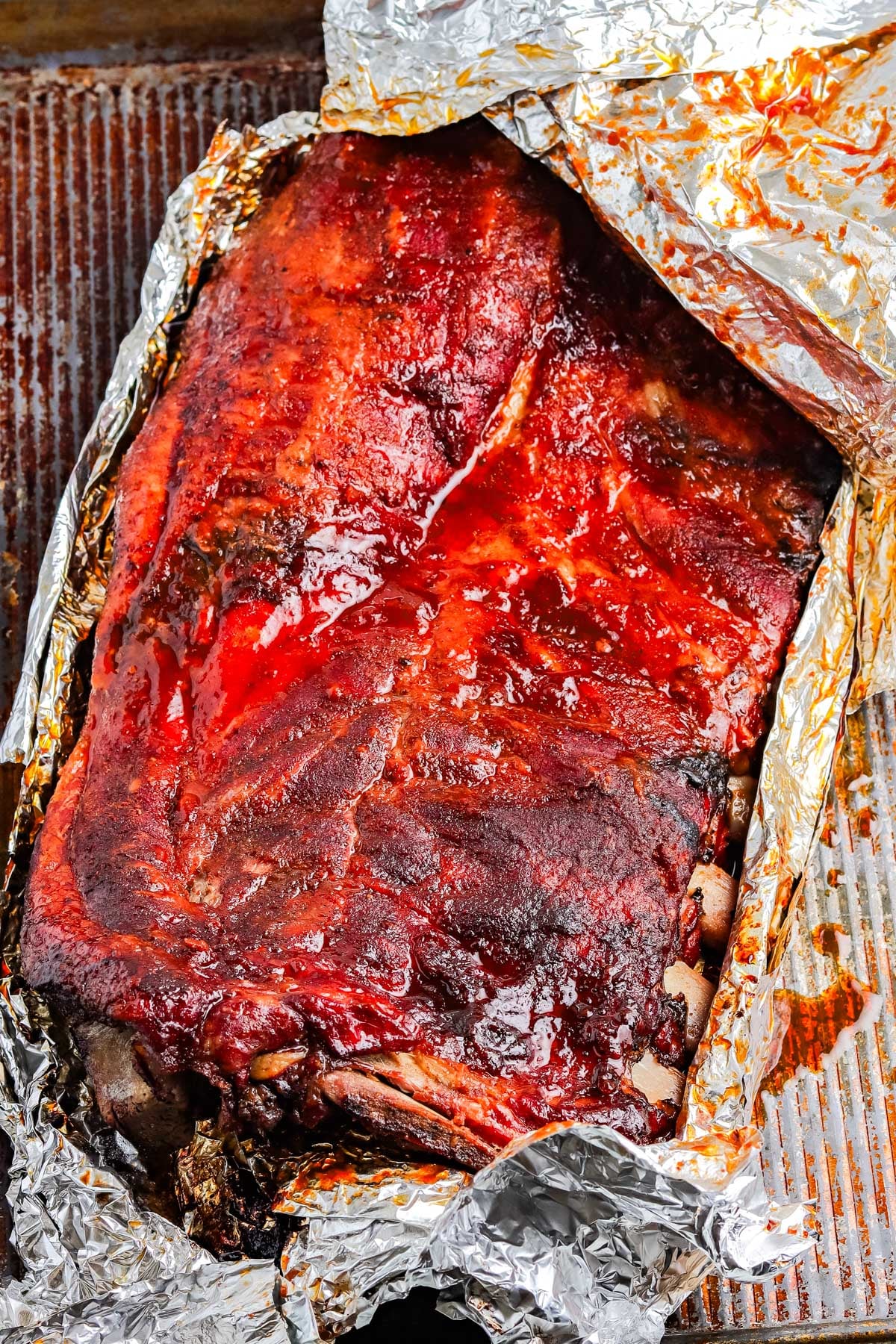
Credit: foodfolksandfun.net
Preparing Ribs For Freezing
Preparing ribs for freezing is essential to keep their flavor and texture intact. How you handle the ribs before freezing can make a big difference when it’s time to enjoy them later. Taking a little extra care now will save you from disappointing meals down the line.
Cooling Before Freezing
Never freeze ribs while they are still hot. Heat causes condensation inside the packaging, which leads to ice crystals and soggy meat once thawed.
Let your ribs cool down to room temperature, but don’t leave them out longer than two hours to avoid bacteria growth. You can speed up cooling by placing the ribs on a wire rack or cutting them into smaller pieces.
Wrapping Techniques
Proper wrapping is your best defense against freezer burn and loss of flavor. Start by wrapping ribs tightly in plastic wrap to seal in moisture.
Follow this with a layer of aluminum foil or place the wrapped ribs inside a heavy-duty freezer bag. Removing as much air as possible is key—consider using a vacuum sealer if you have one.
Portioning Tips
Think about how you’ll want to use the ribs later. Freezing in meal-sized portions makes reheating easier and prevents unnecessary thawing of large amounts.
You can separate ribs by individual bones or small clusters, depending on your preference. Label each package with the date and portion size to keep track of freshness and avoid waste.
Freezing Methods
Freezing cooked ribs on the bone properly is key to preserving their flavor and texture. Choosing the right freezing method can make a big difference in how enjoyable your ribs will be after thawing. Here’s how you can freeze ribs effectively using common household items and techniques.
Using Freezer Bags
Freezer bags are a convenient and affordable way to freeze ribs. Make sure to remove as much air as possible before sealing to reduce freezer burn. You can press the bag flat to save space and keep your ribs in a single layer for even freezing.
Label the bag with the date and contents to avoid confusion later. Have you ever found mystery bags in your freezer? Clear labeling saves you from unpleasant surprises.
Vacuum Sealing Benefits
Vacuum sealing is one of the best ways to freeze ribs on the bone. It removes nearly all air, which helps keep the ribs moist and flavorful. This method can extend the freezer life of your ribs up to 6 months or more without losing quality.
Using a vacuum sealer can feel like an investment, but it pays off if you freeze ribs often. If you don’t have one, consider sharing with a friend or borrowing—it’s a game changer for freezer organization and food preservation.
Container Options
If bags aren’t your style, airtight containers work well too. Choose rigid plastic or glass containers that seal tightly to prevent air exposure. Stackable containers help keep your freezer neat and make thawing easier since you can defrost one portion at a time.
Remember to leave some space in the container for expansion as the ribs freeze. What’s your favorite way to organize leftovers in the freezer? Containers can double as meal prep helpers, too.
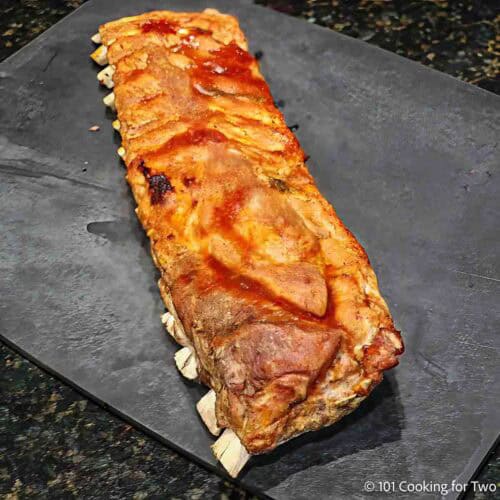
Credit: www.101cookingfortwo.com
Storage Duration And Safety
Freezing cooked ribs on the bone is a convenient way to save leftovers or prepare meals ahead of time. However, knowing how long you can store them safely and how to spot any signs of spoilage is essential. Keeping ribs frozen properly helps maintain their flavor and texture, so you enjoy every bite even after thawing.
Ideal Freezing Time
Cooked ribs on the bone stay best in the freezer for up to 3 months. Beyond this, their quality starts to drop, and they may lose moisture and flavor. If you want to keep them longer, ensure they are tightly wrapped in airtight packaging to minimize exposure to air.
Have you ever found ribs in your freezer that tasted dry or bland? That’s usually a sign they stayed frozen too long. Try to plan your meals around the 3-month window for the best experience.
Signs Of Freezer Burn
Freezer burn looks like dry, grayish-white spots on the surface of your ribs. It happens when air reaches the meat, drawing out moisture. While freezer-burned ribs are safe to eat, they tend to be tough and less tasty.
Check your ribs for any unusual discoloration or icy crystals before cooking. If you spot freezer burn, you can trim those areas off, but the rest of the meat should still be fine to enjoy.
Food Safety Guidelines
Always cool your ribs completely before freezing to prevent bacterial growth. Use freezer-safe bags or containers and remove as much air as possible to protect the meat. Label your package with the date so you can track how long it’s been stored.
When thawing, opt for the refrigerator method instead of leaving ribs out at room temperature. This keeps the meat at a safe temperature and reduces the risk of foodborne illness. Do you know how long it takes to thaw ribs safely? Usually, 24 hours is enough for a full rack.
Thawing Cooked Ribs
Thawing cooked ribs properly is key to preserving their juicy flavor and tender texture. How you thaw ribs can make a big difference in your eating experience. Let’s break down the best ways to thaw your ribs safely and effectively, so they taste just as delicious as when you first cooked them.
Refrigerator Thawing
Thawing cooked ribs in the refrigerator is the safest way to keep them fresh. Place the ribs in a shallow dish or on a plate to catch any drips. Allow 12 to 24 hours for the ribs to thaw completely, depending on their size.
This slow thawing method keeps the ribs at a safe temperature, preventing bacteria growth. It also helps maintain the meat’s moisture, so your ribs don’t dry out when reheated. If you plan ahead, this is the best option for quality and safety.
Quick Thawing Methods
Sometimes you need ribs thawed fast. You can use the cold water method by sealing the ribs in a waterproof bag and submerging them in cold water. Change the water every 30 minutes to keep it cold and speed up thawing.
Microwaving is another quick option but use it carefully. Defrost on a low setting and check frequently to avoid cooking the edges. Quick thawing works well if you’re in a hurry, but be ready to reheat and eat immediately.
Avoiding Texture Loss
Texture loss is a common problem when thawing ribs improperly. To avoid this, never thaw ribs at room temperature, as it causes uneven thawing and dry spots. Also, avoid refreezing ribs after thawing unless you plan to eat them soon.
Keeping ribs wrapped tightly in foil or plastic wrap during thawing helps retain moisture. After thawing, gently reheat ribs with a bit of moisture—like a splash of broth or barbecue sauce—to keep them tender. Have you noticed your ribs getting chewy or dry after freezing? Adjusting how you thaw them can make a big difference.
Reheating Tips For Best Flavor
Reheating cooked ribs on the bone can be tricky if you want to keep the juicy, tender texture and rich flavor intact. The key is to warm them gently without drying out the meat or overcooking the bones. Choosing the right reheating method can make a big difference in how your ribs taste and feel with every bite.
Oven Reheating
The oven is your best friend for reheating ribs while preserving their moisture. Preheat the oven to 250°F (120°C) to warm the ribs slowly. Wrap the ribs tightly in aluminum foil to trap steam, which keeps the meat tender.
Place the wrapped ribs on a baking sheet and heat for about 20-30 minutes. Check occasionally to avoid overcooking. Adding a little bit of water or broth inside the foil can help maintain juiciness.
Grill Reheating
If you want to keep that smoky flavor alive, reheating on the grill works great. Use indirect heat by placing the ribs away from the flames to avoid burning. Close the lid and warm the ribs slowly for 10-15 minutes.
Brush some barbecue sauce or your favorite glaze during the last few minutes to refresh the flavor. Have you ever noticed how the grill adds a slight char that the oven can’t replicate? It’s a game-changer for taste and texture.
Microwave Use
Microwaving ribs is the fastest way but also the riskiest for drying out your meat. To keep ribs moist, place them in a microwave-safe dish and cover with a damp paper towel. Heat on medium power for 2-3 minutes, then check and add more time if needed.
This method works best when you’re in a hurry, but be careful not to overheat. Have you tried microwaving ribs only to find them chewy or rubbery? Controlling power and time is essential to avoid that.
Common Mistakes To Avoid
Freezing cooked ribs on the bone can save you time and reduce waste, but there are some common pitfalls that can ruin your efforts. Avoiding these mistakes will help keep your ribs flavorful and safe to eat. Let’s look at what you should watch out for.
Freezing While Hot
Placing hot ribs directly into the freezer might seem like a time-saver, but it can actually harm the texture and safety of your meat.
Hot food raises the freezer’s temperature, causing other items to partially thaw and refreeze, which leads to freezer burn and bacterial growth.
Allow your ribs to cool to room temperature first, but don’t leave them out too long—two hours max—to avoid food safety issues.
Improper Wrapping
How you wrap your ribs before freezing makes a huge difference. Air exposure is the enemy here.
Simply tossing ribs into a plastic bag isn’t enough. Use a combination of plastic wrap and airtight freezer bags or heavy-duty aluminum foil to lock in moisture and flavor.
Label your package with the date to keep track of freshness. Have you ever found freezer-burned ribs that tasted dry and tough? This is why wrapping matters.
Refreezing Risks
Refreezing cooked ribs after thawing might seem convenient, but it’s risky both for taste and safety.
Repeated freezing breaks down meat fibers, making ribs dry and less enjoyable.
More importantly, thawed meat can develop bacteria quickly. If you refreeze without cooking again, you increase your chance of foodborne illness.
Plan your portions wisely to avoid having to refreeze leftovers.

Credit: www.aspicyperspective.com
Expert Tips For Perfect Frozen Ribs
Freezing cooked ribs on the bone is a smart way to enjoy your favorite meal later without losing quality. However, getting perfect ribs out of the freezer requires some expert tips. Let’s dive into how you can enhance flavor, keep moisture intact, and stay organized for the best results.
Enhancing Flavor After Freezing
Freezing can dull the flavors of your ribs, but you can bring them back to life. Before reheating, sprinkle a bit of your favorite BBQ rub or brush on a fresh layer of sauce. This simple step adds a burst of flavor that frozen ribs often lose.
Consider reheating ribs slowly in the oven or on a grill to allow the flavors to meld again. Quick microwaving might save time but can make the meat tough and the flavors flat. Have you tried adding a splash of apple juice or broth during reheating? It helps keep the meat juicy and infuses subtle sweetness.
Maintaining Moisture
Dry ribs are a disappointment, especially after freezing. To avoid this, wrap your ribs tightly in plastic wrap and then in aluminum foil before freezing. This double layer protects against freezer burn and locks in moisture.
When thawing, do it slowly in the refrigerator overnight rather than at room temperature. Slow thawing keeps the meat from drying out and preserves texture. If you want to add moisture back during reheating, cover ribs with foil and add a small pan of water in the oven—this creates steam and softens the meat.
Storage Organization
Keeping your freezer organized makes it easier to enjoy ribs anytime. Label each package with the date and type of ribs—spare ribs, baby back, or St. Louis style—so you know what you’re reaching for. Clear, airtight containers or vacuum-sealed bags save space and prevent freezer burn better than loose wrapping.
Arrange your ribs flat in the freezer to freeze evenly and stack neatly. This method also helps you thaw only the amount you need without fuss. How often do you find forgotten food at the back of your freezer? Keeping it tidy means no ribs get left behind.
Frequently Asked Questions
Can You Freeze Cooked Ribs With The Bone In?
Yes, you can freeze cooked ribs on the bone. Wrap them tightly in foil or freezer-safe bags to prevent freezer burn. Proper packaging maintains flavor and texture when thawed.
How Long Can Cooked Ribs Stay Frozen?
Cooked ribs can stay frozen for up to 3 months. Beyond that, quality and taste may decline. Always label with the freezing date.
What’s The Best Way To Reheat Frozen Cooked Ribs?
Reheat ribs slowly in the oven at 250°F (120°C) for about 20-30 minutes. This method keeps the meat tender and juicy. Avoid microwaving to prevent dryness.
Do Frozen Cooked Ribs Lose Flavor Or Texture?
Freezing cooked ribs may slightly affect texture but not flavor if stored properly. Proper wrapping and quick freezing help preserve taste and tenderness.
Conclusion
Freezing cooked ribs on the bone keeps them tasty and fresh. Wrap ribs tightly to avoid freezer burn and preserve flavor. Thaw ribs slowly in the fridge for best results. Reheat gently to keep the meat juicy and tender. This method saves time and reduces food waste.
Enjoy your ribs later without losing quality or taste. Simple steps make freezing ribs easy and effective. Try it to enjoy delicious ribs anytime you want.