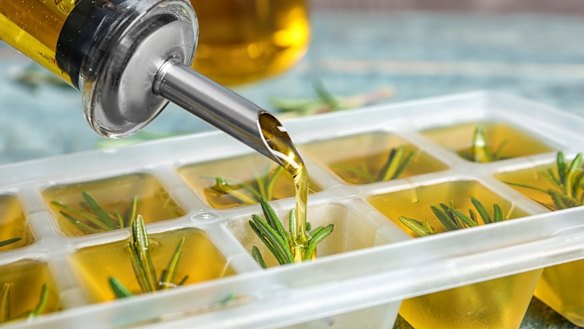
Have you ever found yourself staring at a half-empty bottle of cooking oil, wondering if there’s a way to make it last longer? You’re not alone.
Many of us have pondered the question: “Can you freeze cooking oil? ” This simple query opens up a world of possibilities for home chefs and budget-conscious individuals alike. Imagine the convenience of extending the shelf life of your cooking oil, reducing waste, and ensuring you always have some on hand when culinary inspiration strikes.
As we explore this intriguing topic, you’ll discover surprising benefits, practical tips, and perhaps even a few myths debunked. Stay with us as we unravel the mystery of freezing cooking oil and reveal how this little-known trick could change the way you think about your kitchen essentials. Are you ready to transform your cooking habits and save money in the process? Let’s dive in and find out!

Credit: fryaway.co
Freezing Cooking Oil Basics
Freezing cooking oil might sound unusual, but it’s a question many home cooks ask when trying to store oil for longer periods. Understanding the basics of freezing oil can help you decide if it’s a practical option for your kitchen. Let’s break down what happens when you freeze different types of cooking oils and whether it affects their quality.
Types Of Cooking Oils
Not all cooking oils behave the same way when frozen. Oils vary based on their fat composition and smoke points, which influence how they react to low temperatures.
- Olive oil:Tends to solidify or become cloudy in the freezer but returns to liquid at room temperature without losing quality.
- Coconut oil:Naturally solid at cooler temperatures, so freezing doesn’t change its texture much.
- Vegetable and canola oils:Usually become cloudy or thick but melt back smoothly when warmed.
- Butter and animal fats:Freeze well and keep their texture and flavor intact.
Knowing the type of oil you have helps you predict how it will respond to freezing.
How Freezing Affects Oil
Freezing changes the physical state of oil but doesn’t typically affect its chemical makeup if done properly. You might notice the oil becoming cloudy, thick, or solid, which can look strange but isn’t harmful.
However, repeated freezing and thawing can degrade some oils, especially those rich in polyunsaturated fats, leading to off-flavors. If you’ve ever stored olive oil in a cold garage and seen it turn cloudy, that’s a mild example of what freezing does.
Ask yourself: do you use your oil often enough that freezing might cause repeated thawing? If yes, freezing might not be ideal. But if you have large quantities you don’t use quickly, freezing can extend shelf life without ruining the oil.

Credit: fryaway.co
Steps To Freeze Cooking Oil
Freezing cooking oil helps extend its shelf life and maintain freshness. Following clear steps ensures the oil freezes well without losing quality. Proper preparation and storage are key. Here are important steps to freeze cooking oil effectively.
Choosing The Right Container
Select containers that seal tightly to prevent air and moisture entry. Glass jars with screw lids work well. Plastic bottles made for freezing are also good. Avoid containers that can crack or break in cold. Containers should be clean and dry before use.
Preparing Oil For Freezing
Pour the cooking oil through a fine strainer to remove impurities. This keeps the oil clear and fresh. Leave some space at the top of the container. Oil expands when frozen, so avoid filling it to the brim. Label the container with the date to track freshness.
Freezing Process Tips
Place the containers upright in the freezer. Keep them away from strong-smelling foods to avoid odor absorption. Freeze at a consistent temperature below 0°F (-18°C). Thaw oil slowly in the refrigerator before use. Avoid refreezing the oil once thawed.
Storing Frozen Cooking Oil
Storing cooking oil in the freezer can extend its usability and maintain its quality. Proper storage helps prevent the oil from going rancid or absorbing unwanted flavors. Understanding the best conditions and practices ensures your oil stays fresh and ready to use.
Ideal Freezer Conditions
Keep the freezer temperature steady at or below 0°F (-18°C). Use airtight containers to avoid moisture and air exposure. Small portions work best for freezing and thawing. Avoid storing oil near strong-smelling foods to prevent odor absorption.
Shelf Life In Freezer
Frozen cooking oil can last 6 to 12 months without losing quality. Different types of oil freeze well, but shelf life varies slightly. Label containers with the freezing date to track freshness easily. Always check the oil’s smell and appearance after thawing.
Avoiding Contamination
Use clean, dry containers to prevent bacteria growth. Do not mix old oil with fresh oil before freezing. Seal containers tightly to stop air and moisture entry. Thaw oil in the fridge, not at room temperature, to reduce contamination risk.
Credit: www.smh.com.au
Thawing And Using Frozen Oil
Thawing and using frozen cooking oil requires care to keep its quality. Proper thawing helps preserve the oil’s texture and flavor. Using the right methods avoids damage and waste.
Safe Thawing Methods
Thaw frozen oil slowly. Place the container in the refrigerator for several hours or overnight. This keeps the oil stable and prevents sudden changes.
For faster thawing, set the container in a bowl of warm water. Avoid hot water, as it can affect the oil’s quality. Stir gently to help the oil return to liquid form evenly.
Never thaw oil by microwaving. It heats unevenly and can ruin the oil’s texture and taste.
Maintaining Quality After Thawing
Check the oil for any unusual smell or cloudiness. Fresh oil should look clear and smell neutral. If the oil smells rancid or looks separated, discard it.
Store thawed oil in a cool, dark place. Use a sealed container to keep out air and moisture. Avoid exposing the oil to sunlight or heat to keep it fresh longer.
Use thawed oil within a few weeks. Prolonged storage after thawing can reduce its quality and safety for cooking.
Common Myths About Freezing Oil
Freezing cooking oil often sparks confusion and myths that can stop you from trying it yourself. Many worry it might ruin the oil’s quality or health benefits. Let’s clear up some common misunderstandings so you can make the best choice for your kitchen.
Does Freezing Change Flavor?
One common myth is that freezing oil changes its taste. In reality, most cooking oils do not lose their flavor when frozen. Some oils, especially those with delicate aromas like extra virgin olive oil, might taste slightly different if frozen for a very long time, but it’s usually subtle.
Think about storing olive oil in your fridge; it sometimes becomes cloudy or thickens but returns to normal at room temperature without a flavor loss. So, freezing is unlikely to spoil the oil’s flavor if you thaw it properly before use.
Impact On Nutritional Value
People also believe freezing oil destroys its nutrients. However, freezing actually helps preserve the oil’s nutritional qualities by slowing down oxidation. This means that the antioxidants and healthy fats stay intact longer when the oil is kept frozen.
Of course, the quality depends on the oil type and how long it’s stored. Oils high in polyunsaturated fats, like flaxseed or walnut oil, benefit most from freezing. Have you ever noticed how some oils go rancid quickly at room temperature? Freezing can prevent that spoilage, keeping nutrients safe for your meals.
Frequently Asked Questions
Can Cooking Oil Be Frozen Safely?
Yes, cooking oil can be safely frozen to extend its shelf life. Freezing slows oxidation and rancidity, preserving quality.
Does Freezing Affect Cooking Oil Quality?
Freezing does not significantly affect cooking oil quality. It maintains flavor and nutritional value when thawed properly.
How Long Can Cooking Oil Stay Frozen?
Cooking oil can stay frozen for up to one year without losing quality or flavor when sealed tightly.
Should Cooking Oil Be Refrigerated After Freezing?
Refrigeration after freezing is not necessary. Store oil in a cool, dark place once thawed to maintain freshness.
Conclusion
Freezing cooking oil is possible but not always needed. It can change the oil’s texture and taste. Store oil in a cool, dark place instead. Use airtight containers to keep it fresh longer. Remember, freezing might cause cloudiness or separation.
Just warm the oil gently to bring it back. This method works best for oils with a high smoke point. Keep your oil clean and dry for the best results. Proper storage helps maintain flavor and quality. Simple care keeps your cooking oil usable and tasty.