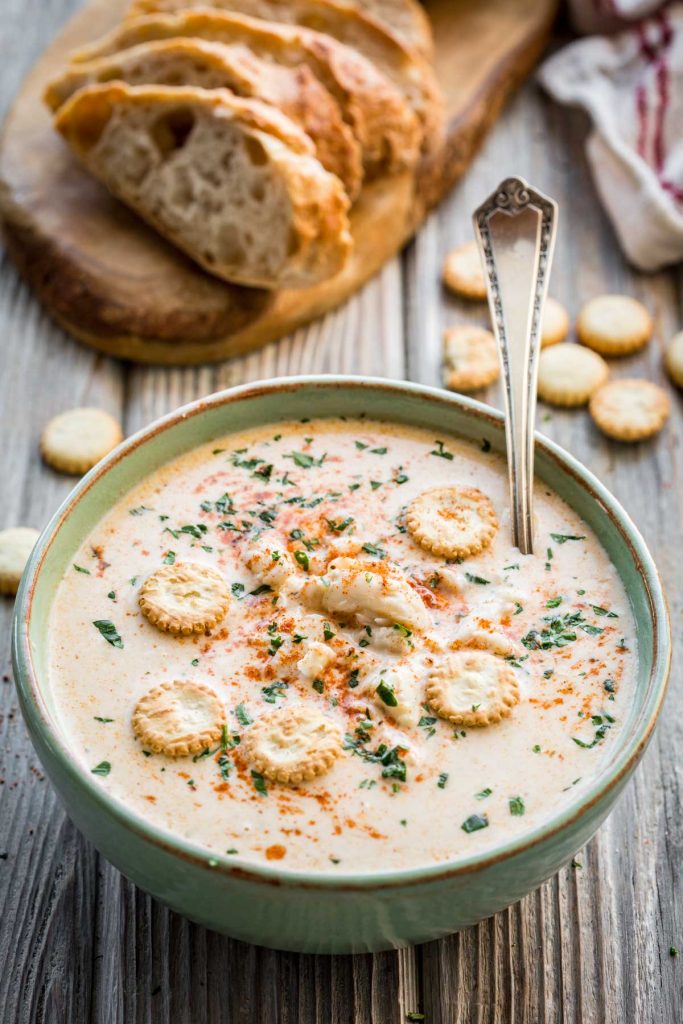
Have you ever made a big pot of crab soup and wondered if you could save some for later? Freezing your crab soup might seem like an easy way to keep that delicious flavor fresh, but there are important things you need to know before you pop it in the freezer.
If you want to enjoy your soup without losing taste or texture, this article will guide you through everything you need to freeze crab soup the right way. Keep reading to discover simple tips that will make your leftovers just as tasty as when you first cooked them.

Credit: coleycooks.com
Crab Soup Basics
Crab soup offers a unique blend of flavors and textures that can make any meal feel special. Understanding the basics of crab soup helps you appreciate what makes it so delicious and how it reacts when frozen. Before you decide to freeze your crab soup, knowing its core ingredients and flavors can guide you to preserve its taste and quality effectively.
Common Ingredients
Crab soup usually includes fresh crab meat, broth, and a variety of vegetables. You might find ingredients like onions, celery, carrots, and sometimes potatoes or corn. Cream or milk often adds richness, while herbs like parsley or thyme bring freshness.
Some recipes add a bit of spice with hot sauce or paprika, and others use tomato base for a different twist. Each ingredient plays a role in the soup’s texture and flavor balance. Have you noticed how some soups separate or lose flavor after freezing? Knowing what’s inside helps you avoid those issues.
Flavor Profiles
The flavor of crab soup ranges from light and briny to rich and creamy, depending on the recipe. The sweetness of crab meat often stands out against savory broth and aromatic vegetables. A touch of acidity, like lemon juice or vinegar, can brighten the flavors and prevent the soup from tasting flat after freezing.
Think about the last time you tasted crab soup with a hint of spice or fresh herbs. Those layers of flavor make the experience memorable. When freezing, preserving this balance is key. How do you keep that fresh, vibrant taste intact when you reheat your soup later?
Freezing Crab Soup
Freezing crab soup helps keep its rich flavor and texture for later enjoyment. It lets you save leftovers or prepare meals ahead. Proper freezing techniques prevent freezer burn and maintain freshness. Follow simple tips to store crab soup safely and deliciously.
Best Containers To Use
Choose airtight containers to avoid freezer burn and spills. Plastic containers with tight-fitting lids work well. Glass containers with snap lids are another good choice. Avoid metal containers; they can change soup taste.
Freezer bags are handy for saving space. Remove as much air as possible before sealing. Use containers that fit your freezer space comfortably. Label each container with the date to track freshness.
Ideal Freezing Temperature
Keep your freezer at 0°F (-18°C) or lower for best results. This temperature stops bacteria growth and preserves taste. Avoid frequent temperature changes to protect soup quality.
Freeze soup quickly to lock in flavor and nutrients. Thaw frozen crab soup in the fridge, not at room temperature. This helps keep the soup safe to eat and tasty.
Preparing Soup For Freezing
Preparing crab soup for freezing requires careful steps to keep the flavors fresh and the texture intact. How you cool and portion your soup plays a big role in the final taste after thawing. Taking a little extra time now saves you from disappointing meals later.
Cooling Techniques
Letting your crab soup cool properly before freezing is crucial. Hot soup placed directly in the freezer can affect the freezer’s temperature and cause uneven freezing.
To cool your soup quickly and safely, try these tips:
- Transfer soup into shallow containers to increase surface area.
- Place the containers in an ice bath or cold water bath, stirring occasionally.
- Leave the lids off until the soup reaches room temperature to prevent condensation.
Have you noticed how quickly soup cools in shallow dishes compared to deep pots? This simple trick helps avoid bacteria growth and keeps your soup tasting fresh.
Portioning Tips
Think about how you’ll use your crab soup before freezing it. Portioning the soup into meal-sized containers saves time and reduces waste.
Here are some practical tips for portioning:
- Use airtight containers or freezer bags to prevent freezer burn.
- Leave about an inch of headspace in containers to allow for expansion.
- Label each portion with the date and contents to track freshness.
Does freezing in smaller portions make reheating easier for you? I find it helpful to thaw only what I need, which keeps the rest perfect for later.

Credit: nodashofgluten.com
Thawing Crab Soup
Thawing crab soup properly is key for a tasty meal. It keeps the flavors fresh and the texture just right. Avoid rushing the process to stop any food safety risks. Let’s explore the best ways to thaw crab soup safely and keep it delicious.
Safe Thawing Methods
Thaw crab soup in the refrigerator for 12 to 24 hours. This slow thaw keeps the soup at a safe temperature. Avoid leaving it out on the counter. That can cause harmful bacteria to grow.
You can also thaw crab soup using cold water. Place the sealed container in a bowl of cold water. Change the water every 30 minutes until thawed. This method is faster but still safe.
Microwave thawing is an option but use it carefully. Use the defrost setting and watch closely. Heat spots can cause uneven thawing and spoil the soup.
Avoiding Texture Changes
Crab soup has delicate ingredients that can change texture. Thaw it slowly to keep the crab meat tender. Rapid temperature changes make the meat tough and rubbery.
Stir the soup gently after thawing. This helps mix the flavors and restore the smooth texture. Avoid reheating crab soup more than once to keep it fresh.
Store the soup in airtight containers before freezing. This stops ice crystals from forming and damaging texture. Proper storage keeps the soup’s quality intact for the next meal.
Reheating Tips
Reheating crab soup can be tricky, but with the right approach, you can enjoy it just as much as when it was freshly made. Proper reheating helps keep the flavors rich and the texture just right. Let’s look at some tips to help you bring your frozen crab soup back to life without losing its deliciousness.
Maintaining Flavor
To keep the soup tasting fresh, reheat it slowly over low to medium heat. Rapid heating can cause the flavors to become dull or uneven.
Stir the soup gently as it warms. This helps distribute the heat and prevents the spices and crab from settling at the bottom.
If you notice the soup has thickened too much after freezing, add a splash of water or broth to loosen it up. This will also help maintain its original taste and texture.
Avoiding Overcooking
Crab meat is delicate and can get rubbery if overcooked. Heat the soup just until it’s warmed through, usually around 5 to 7 minutes on the stove.
Using a microwave? Heat in short bursts of 30 seconds, stirring in between. This prevents hot spots that overcook parts of the soup.
Keep an eye on the soup and remove it from heat as soon as you see steam rising. Don’t let it boil, or you risk toughening the crab and losing that smooth, creamy consistency.

Credit: thecaglediaries.com
Signs Of Spoilage
Knowing the signs of spoilage in crab soup is crucial before deciding to freeze or consume it. Spoiled crab soup can cause food poisoning, so you need to trust your senses and judgment carefully. Identifying spoilage early helps you avoid health risks and food waste.
Smell And Appearance
Fresh crab soup should smell like the sea—briny and mild. If you notice a sour, ammonia-like, or rotten odor, it’s a clear warning sign of spoilage.
Look closely at the soup’s color and texture. Cloudiness, discoloration, or the presence of mold spots means the soup has gone bad. Also, slimy or thickened broth indicates bacterial growth.
When To Discard
If the soup has been left out at room temperature for more than two hours, it’s safer to toss it. Even if it smells okay, harmful bacteria can multiply quickly.
Trust your instincts—if you feel unsure about the soup’s freshness, don’t risk it. Eating spoiled crab soup can lead to stomach issues, so it’s better to be cautious than sorry.
Alternatives To Freezing
Freezing is not the only way to keep crab soup fresh. There are other options to preserve its taste and texture. These alternatives help maintain the soup’s quality for a short time. Knowing how to store crab soup properly can save you from waste and disappointment.
Refrigeration Guidelines
Store crab soup in an airtight container before refrigerating. Keep the fridge temperature at or below 40°F (4°C). Use the soup within 2 to 3 days for best flavor and safety. Avoid leaving soup out at room temperature for more than 2 hours. Reheat only the portion you plan to eat to prevent spoilage. Stir the soup while reheating to warm it evenly.
Vacuum Sealing Benefits
Vacuum sealing removes air and slows down spoilage. It helps crab soup last longer in the fridge or freezer. This method keeps flavors fresh and stops freezer burn. Vacuum-sealed soup can stay fresh for up to one week in the fridge. Use a vacuum sealer with proper bags or containers for best results. Label the package with the date to track freshness easily.
Frequently Asked Questions
Can You Freeze Crab Soup Safely At Home?
Yes, you can safely freeze crab soup at home. Use airtight containers to prevent freezer burn. Cool the soup completely before freezing. Consume within 2-3 months for best taste and quality.
How To Thaw Frozen Crab Soup Properly?
Thaw frozen crab soup in the refrigerator overnight. Avoid quick thawing at room temperature to prevent bacterial growth. Reheat gently on the stove until steaming hot before serving.
Does Freezing Affect Crab Soup’s Taste?
Freezing can slightly change crab soup’s texture and flavor. Use fresh ingredients and avoid overcooking before freezing. Proper storage in airtight containers helps maintain the soup’s original taste.
Can You Refreeze Thawed Crab Soup?
It is not recommended to refreeze thawed crab soup. Refreezing can degrade quality and increase the risk of foodborne illness. Only freeze soup once for safety and best flavor.
Conclusion
Freezing crab soup is simple and effective. It preserves flavor and freshness. Use airtight containers for best results. Avoid freezer burn by sealing well. Label and date your soup before freezing. Reheat slowly to retain its delicious taste. Enjoy a warm, comforting bowl anytime.
Freezing soup saves time and reduces waste. It’s a practical solution for busy days. Crab soup stays tasty and nutritious even after freezing. Perfect for quick meals or unexpected guests. Make a big batch and freeze some for later. Enjoy the convenience and flavor every time.