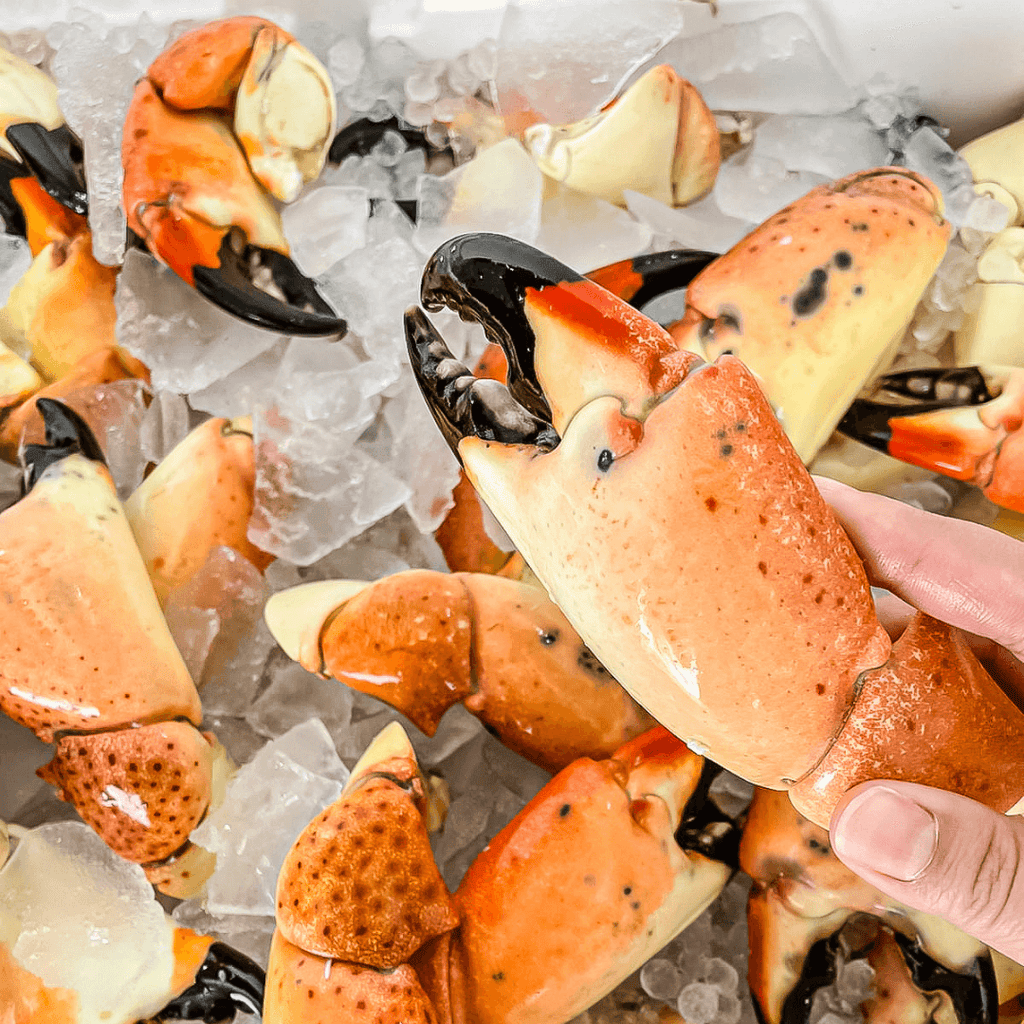
Can you freeze crab? If you love seafood, this question might have crossed your mind more than once.
Imagine savoring that delightful taste of fresh crab whenever you want, without worrying about spoilage. You’re not alone in this culinary quest! Many seafood enthusiasts are eager to find out how to preserve the deliciousness of crab for longer periods.
The good news is, you can freeze crab, but there are secrets to doing it right. In this guide, you’ll discover simple yet effective tips to ensure that your frozen crab retains its flavor and texture. Stick around, and you’ll learn how to enjoy your favorite seafood dish any time you crave it!
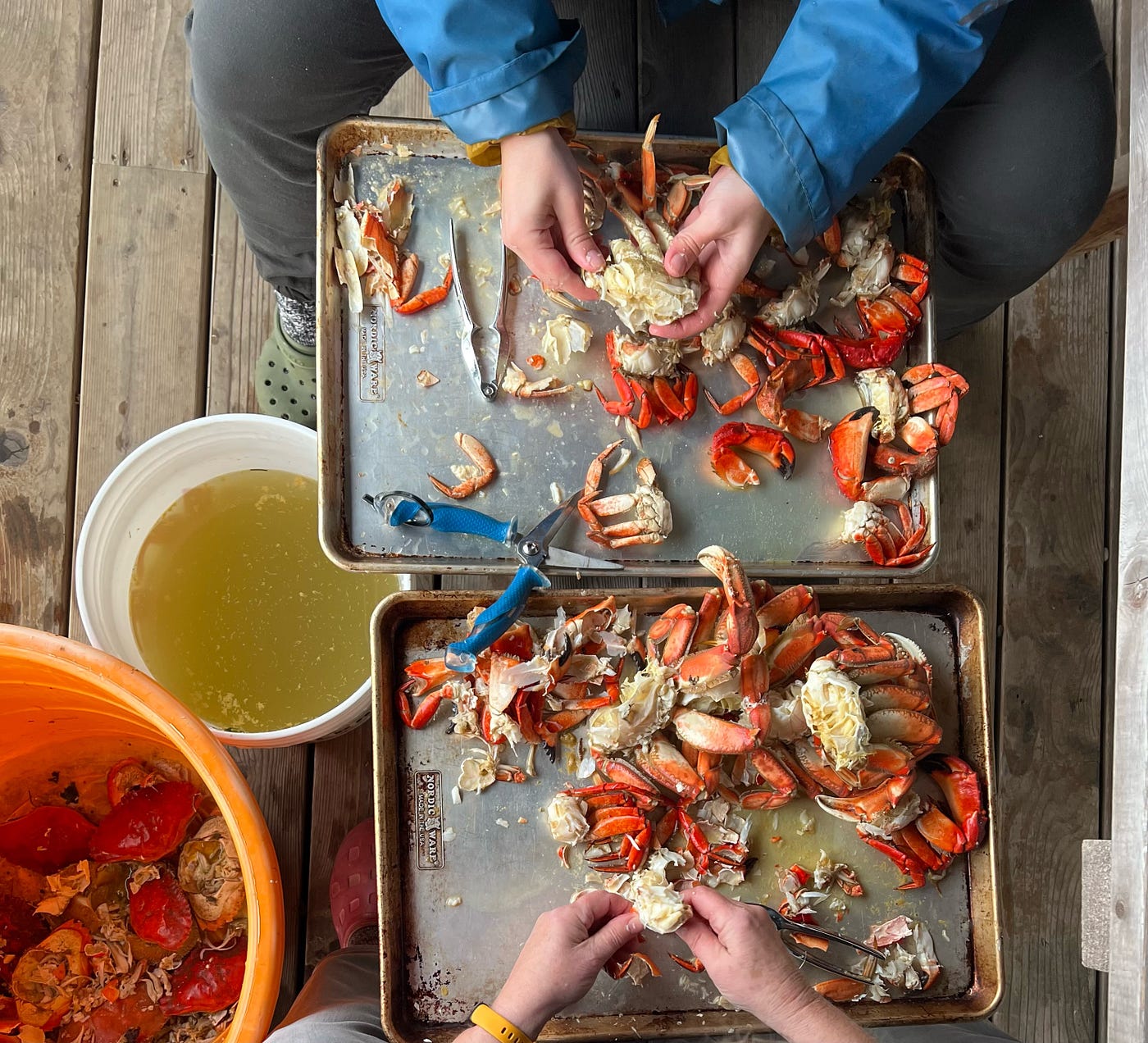
Credit: wdfw.medium.com
Why Freeze Crab
Freezing crab is a smart way to keep it fresh and tasty for longer. It helps you avoid waste and enjoy crab whenever you want. Proper freezing preserves the crab’s natural flavor and texture. It also saves money by allowing you to buy crab in bulk and store it safely.
Benefits Of Freezing
- Extends crab’s shelf life from days to months.
- Keeps the crab fresh and safe to eat.
- Allows for easy meal planning and storage.
- Prevents the crab from spoiling quickly.
- Saves money by buying crab in larger quantities.
When To Freeze Crab
Freeze crab as soon as possible after buying or cooking. Fresh crab should go in the freezer within 24 hours. Cooked crab also freezes well if cooled first. Avoid freezing crab that smells bad or looks slimy. Proper packaging before freezing is important to prevent freezer burn.

Credit: www.alaskankingcrab.com
Types Of Crab Suitable For Freezing
Not all crabs handle freezing the same way. Knowing which types of crab you can freeze helps maintain the best flavor and texture. Some crabs freeze beautifully, while others might lose their delicate taste or become tough after thawing.
Cooked Vs. Raw Crab
Freezing cooked crab is often easier and more reliable. Cooking first locks in flavor and reduces the risk of texture changes. You can freeze cooked crab meat, legs, or whole cooked crabs, and they usually thaw well for later use.
Raw crab can be frozen, but it requires more care. If frozen raw, the crab should be very fresh and cleaned properly to avoid spoilage. Freezing raw crab might cause the meat to become mushy once thawed, so it’s best if you plan to cook it soon after thawing.
Popular Crab Varieties
- King Crab:Excellent for freezing, king crab legs maintain their sweet flavor and firm texture.
- Snow Crab:These freeze well when cooked, offering tasty meat that holds up nicely after thawing.
- Dungeness Crab:Known for its tender meat, it freezes well if cooked beforehand.
- Blue Crab:More delicate, blue crab meat can lose texture if frozen raw. Cooked blue crab freezes better.
- Stone Crab:Stone crab claws are usually cooked and frozen soon after harvest, preserving their quality.
Have you ever noticed how some crab varieties taste fresher even after freezing? That’s often because of how they were prepared before freezing. Choosing the right crab and freezing method can make a big difference in your next seafood meal.
Preparing Crab For Freezing
Preparing crab for freezing is essential to keep its flavor and texture. Proper preparation prevents freezer burn and spoilage. Follow simple steps to clean, cook, portion, and package crab correctly. This helps you enjoy crab later with fresh taste.
Cleaning And Cooking
Start by rinsing the crab under cold water to remove dirt. Remove the crab’s shell and gills carefully. Clean out any sand or debris inside. Cooking the crab before freezing is best. Boil or steam the crab for about 10-15 minutes. Let it cool completely before freezing. Cooking helps maintain the crab’s quality and kills bacteria.
Portioning And Packaging
Divide the crab meat into small, easy-to-use portions. Use airtight containers or heavy-duty freezer bags. Remove as much air as possible to avoid freezer burn. Label each package with the date. Freeze the crab flat to save space and freeze faster. Proper portioning and packaging keep the crab fresh and ready to use.
Best Freezing Methods
Freezing crab properly keeps its flavor and texture fresh for longer. Using the right freezing methods stops freezer burn and preserves quality. Different parts of the crab need different care before freezing. Follow these simple tips to enjoy crab later without losing taste or freshness.
Freezing Whole Crab
Clean the crab thoroughly before freezing. Remove any dirt or debris from the shell. Wrap the crab tightly in plastic wrap to prevent air exposure. Place the wrapped crab inside a freezer-safe bag. Squeeze out as much air as possible before sealing. Label the bag with the date to track freshness. Store the crab in the coldest part of the freezer.
Freezing Crab Meat
Remove crab meat carefully from the shell. Check for any small shell pieces and discard them. Pat the crab meat dry with paper towels to reduce moisture. Place the meat in a shallow container or freezer bag. Cover the meat with a thin layer of water or broth to keep it moist. Seal the container tightly and label with the date. Freeze the crab meat flat for easy storage and quick thawing.
Vacuum Sealing Tips
- Use a vacuum sealer to remove all air from the package.
- Freeze crab in small portions for easier thawing.
- Double seal bags to prevent leaks and freezer burn.
- Label each package with the freezing date and contents.
- Freeze immediately after sealing to keep crab fresh.
Storage Duration And Safety
Proper storage duration and safety are crucial when freezing crab. Crab meat is delicate and can spoil if kept too long. Freezing helps preserve freshness but only for a limited time. Knowing how long crab lasts in the freezer ensures safe consumption. It prevents food waste and health risks.
Recommended Freezing Times
Fresh crab should be frozen within two days of purchase. Store cooked crab in the freezer for up to three months. Keep crab meat tightly wrapped or in an airtight container. This prevents freezer burn and preserves flavor. Avoid freezing crab for longer than recommended. Quality and safety decline over time.
Signs Of Spoiled Crab
Check crab for unusual smells before eating. A sour or ammonia-like odor means spoilage. Slimy or sticky texture also indicates bad crab. Discolored crab meat, especially gray or greenish, is unsafe. If crab shows any of these signs, discard it immediately. Eating spoiled crab can cause food poisoning.
Thawing Crab Properly
Thawing crab properly ensures the best taste and texture after freezing. Careful thawing keeps the meat safe and delicious. Quick or improper thawing can spoil the crab or change its texture. Follow simple steps to keep crab fresh and tasty.
Safe Thawing Techniques
Place frozen crab in the refrigerator for 8 to 12 hours. This slow thaw keeps the crab at a safe temperature. Avoid leaving crab out at room temperature, as bacteria grow fast. For faster thawing, put crab in a sealed bag. Then, submerge the bag in cold water for 1 to 2 hours. Change water every 30 minutes to keep it cold. Use crab immediately after thawing to prevent spoilage.
Avoiding Texture Loss
Do not thaw crab in hot water. Hot water cooks the crab unevenly and makes the meat tough. Avoid using a microwave to thaw crab; it can cook parts of the crab. Keep crab in its shell during thawing to protect the meat. Handle crab gently to prevent breaking the delicate meat. Eat thawed crab soon for the best texture and flavor.
Cooking Frozen Crab
Cooking frozen crab can be a game-changer when fresh options are limited. It allows you to enjoy this delicious seafood anytime without sacrificing taste or texture. However, to get the best results, you need to handle and prepare frozen crab properly.
Best Recipes For Frozen Crab
Frozen crab works wonderfully in a variety of dishes. You can steam or boil it simply with a squeeze of lemon and some butter for a classic taste.
Crab cakes are another great option. They allow you to blend crab meat with herbs, spices, and breadcrumbs, creating a crispy, flavorful dish.
Consider using frozen crab in pasta dishes too. Toss crab meat with garlic, olive oil, and fresh parsley over linguine for a quick and impressive meal.
Tips For Flavor Retention
- Thaw Slowly:Defrost crab overnight in the fridge, not at room temperature. This helps preserve its delicate texture.
- Don’t Overcook:Frozen crab is often pre-cooked. Heat it gently to avoid rubbery meat.
- Use Flavor Boosters:Fresh herbs, citrus, and garlic enhance taste without overwhelming the crab’s natural flavor.
- Keep It Moist:Steaming or poaching helps maintain moisture better than grilling or frying.
Have you ever noticed how overcooked crab turns tough quickly? Paying attention to cooking times can make all the difference in your meal. What flavors do you find best complement crab’s sweetness?
Common Mistakes To Avoid
Freezing crab might seem simple, but many people make mistakes that affect the taste and texture. Avoiding these errors can help you enjoy crab that tastes fresh even after freezing. Let’s look at some common pitfalls that can ruin your crab experience.
Freezing Freshness Errors
One major mistake is freezing crab that isn’t fresh. If the crab has been sitting out too long or isn’t properly cleaned, freezing won’t fix these problems. You might end up with crab that tastes off or has an unpleasant texture.
Another error is not removing moisture before freezing. Excess water can cause ice crystals to form and damage the delicate crab meat. Always pat the crab dry with paper towels before sealing it in an airtight container or vacuum bag.
Packaging is often overlooked. Using regular plastic bags without removing air can lead to freezer burn. Have you tried vacuum sealing or wrapping the crab tightly in plastic wrap and foil? These methods keep air out and protect the crab better.
Thawing Pitfalls
Thawing crab incorrectly can also ruin your meal. Never thaw crab at room temperature, as this encourages bacteria growth. Instead, thaw it slowly in the fridge overnight for the best results.
Many rush the process by using hot water or microwaves, which can make the crab rubbery and dry. Have you noticed how quickly crab meat changes texture when heated too fast? Patience during thawing preserves its delicate flavor and tenderness.
After thawing, don’t refreeze crab. This repeated freezing damages the meat further. Plan your portions to avoid wasting crab or risking its quality with multiple freeze-thaw cycles.
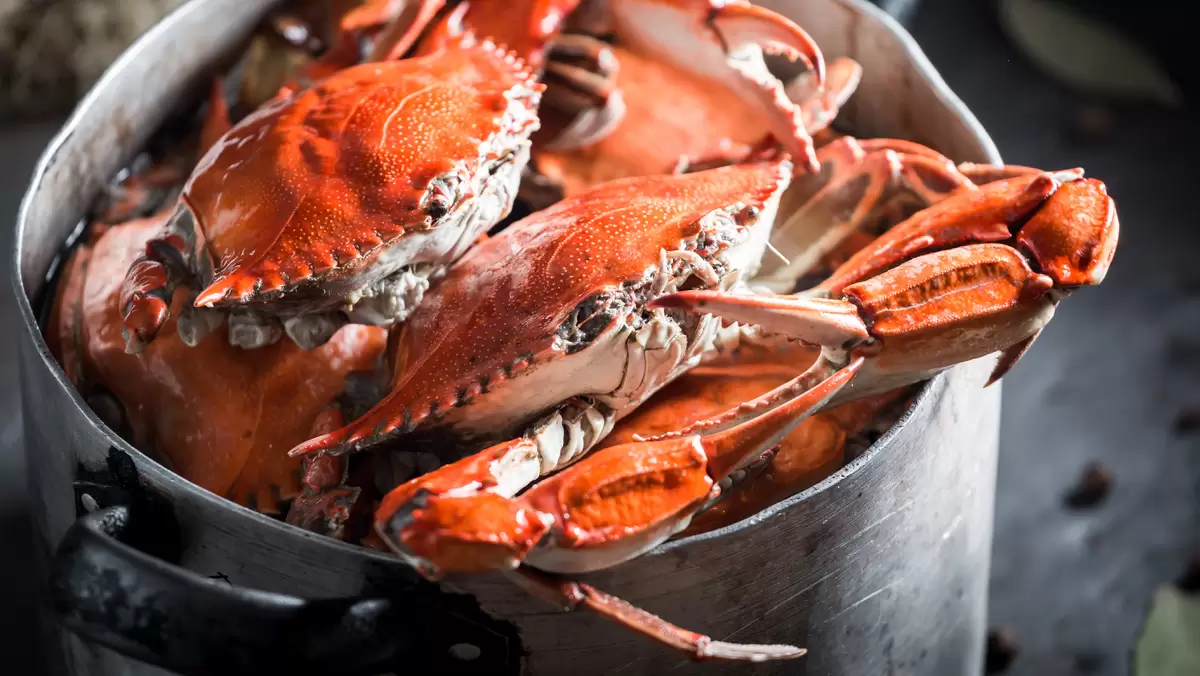
Credit: healthecooks.com
Frequently Asked Questions
Can You Freeze Cooked Crab Meat Safely?
Yes, you can freeze cooked crab meat safely. Store it in an airtight container or freezer bag. Label with the date and use within 3 months for best quality.
How Long Can Frozen Crab Last In Freezer?
Frozen crab can last up to 3-6 months. For best taste and texture, consume within 3 months. Proper packaging prevents freezer burn and maintains freshness.
Should Crab Be Frozen Raw Or Cooked?
You can freeze crab both raw and cooked. Raw crab freezes well if cleaned properly. Cooked crab freezes better for convenience and quick meals.
How To Thaw Frozen Crab Properly?
Thaw frozen crab in the refrigerator overnight. Avoid thawing at room temperature to prevent bacteria growth. For quick thawing, use cold water in a sealed bag.
Conclusion
Freezing crab keeps it fresh for longer periods. Use airtight bags or containers to avoid freezer burn. Thaw crab slowly in the fridge for best taste. Avoid refreezing crab once it thaws. Proper freezing helps maintain crab’s texture and flavor.
Enjoy crab dishes anytime by freezing leftovers safely. Small steps make a big difference in food safety. Keep these tips in mind for delicious crab meals. Your freezer can be a great tool for crab storage.