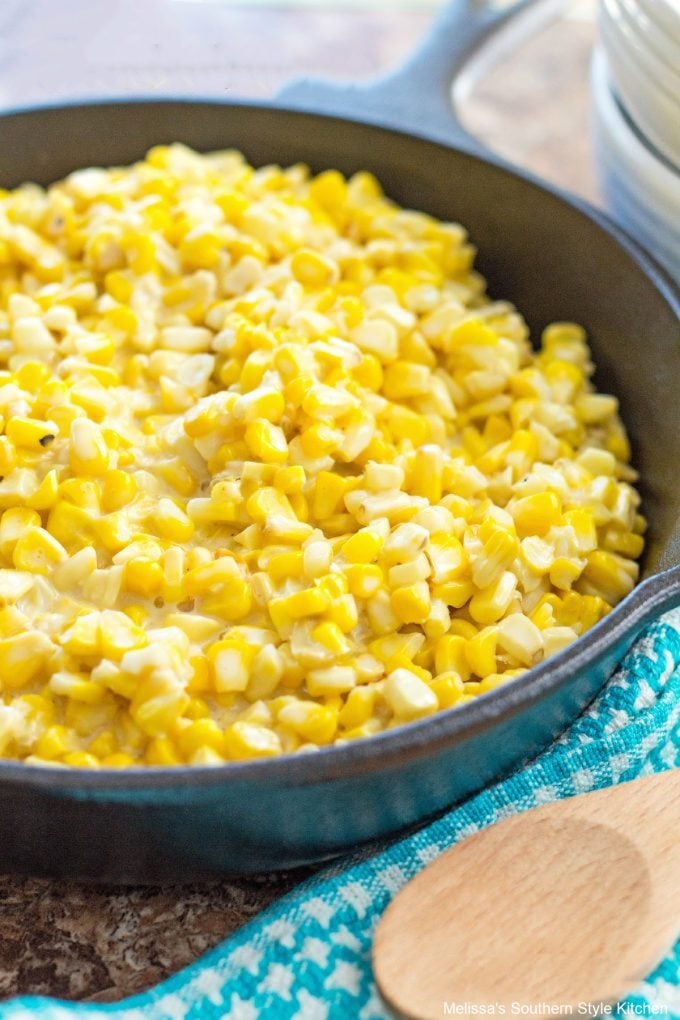
Have you ever found yourself with leftover creamed corn and wondered, “Can you freeze creamed corn?” You’re not alone.
Many of us love the creamy, sweet delight of creamed corn but sometimes end up with more than we can handle. The thought of wasting it can be frustrating, especially when it’s a dish you cherish. Imagine having a stash of it ready to enjoy whenever you crave that comforting taste.
Just think about the convenience and satisfaction of knowing you can have it anytime without starting from scratch. In this post, you’ll discover whether freezing creamed corn is a viable option and how to do it effectively, ensuring your corn remains delicious and fresh. Stick around to learn the secrets of preserving your favorite side dish and make the most out of every kernel!

Credit: hopewellheightsblog.com
Freezing Basics For Creamed Corn
Freezing creamed corn is a great way to save leftovers or prepare meals ahead. Knowing the basics helps keep its taste and texture as close to fresh as possible. Proper freezing methods prevent spoilage and maintain quality for later use.
How Freezing Affects Texture And Flavor
Freezing can change creamed corn’s texture slightly. Ice crystals can make the corn a bit softer after thawing. The creamy sauce might separate or become watery. The flavor stays mostly the same but can be less vibrant. Stirring well after thawing helps bring back some texture and flavor.
Best Containers For Freezing
Use airtight containers or freezer bags for best results. Containers should be freezer-safe and seal tightly to avoid freezer burn. Leave some space at the top for expansion as the corn freezes. Label containers with the date for easy tracking. Small portions freeze and thaw more evenly.
Preparing Creamed Corn For The Freezer
- Cool the creamed corn completely before freezing.
- Transfer it into chosen freezer containers or bags.
- Remove as much air as possible to prevent ice crystals.
- Seal tightly and label with date and contents.
- Freeze flat in bags for easier storage and faster thawing.

Credit: downshiftology.com
Step-by-step Freezing Process
Freezing creamed corn is a fantastic way to save time and reduce food waste. However, the freezing process must be done carefully to maintain its creamy texture and rich flavor. Let’s break down the steps that ensure your creamed corn tastes just as good after thawing as it does fresh.
Cooling Creamed Corn Before Freezing
Hot creamed corn should never go straight into the freezer. Putting warm food directly into the freezer can cause ice crystals to form, which ruins the texture.
Let your creamed corn cool down to room temperature first. You can speed this up by spreading it thinly in a shallow dish or placing the container in an ice bath.
Portioning For Easy Use
Think about how you usually eat creamed corn. Do you serve it in small side dish portions or large servings for a family meal? Portioning before freezing saves you from thawing too much at once.
- Use freezer-safe containers or resealable bags for individual servings.
- Leave some space at the top of containers because the corn will expand when frozen.
- Consider using ice cube trays for tiny portions, perfect for adding to soups or sauces.
Sealing And Labeling Tips
Proper sealing is critical to prevent freezer burn and maintain flavor. Remove as much air as possible from bags or containers before sealing.
Label each package with the date and contents. This simple step helps you track freshness and plan meals better.
Have you ever found mystery frozen food and hesitated to eat it? Avoid that by clearly marking your creamed corn packages.
Storage Duration And Safety
Freezing creamed corn can be a great way to save leftovers or prepare meals in advance. But how long can you safely keep it frozen without risking quality or safety? Understanding the right storage duration and knowing what signs to watch for can help you avoid food waste and keep your meals delicious.
Optimal Freezing Timeframes
Creamed corn freezes best when stored in airtight containers or heavy-duty freezer bags to prevent freezer burn. You should aim to use frozen creamed corn within 3 to 4 monthsfor the best taste and texture.
Beyond this period, the quality starts to decline, and you may notice changes in flavor and consistency. While it might still be safe beyond four months, the dish won’t taste as fresh or creamy.
Have you ever found frozen food that’s been in your freezer for ages? It’s tempting to keep it “just in case,” but setting a clear timeframe helps keep your freezer organized and your meals enjoyable.
Signs Of Spoilage After Freezing
Even though freezing slows down bacteria growth, it doesn’t kill all bacteria or stop spoilage completely. Once thawed, inspect your creamed corn carefully before reheating.
- Smell:A sour or off smell is an immediate red flag.
- Texture:If the creamed corn appears watery, grainy, or separated after thawing, it may have gone bad.
- Color:Any discoloration or mold spots indicate spoilage.
Never taste creamed corn that looks or smells suspicious. Your safety is more important than avoiding food waste.
Have you ever risked eating something just because it was frozen? It’s better to be cautious and trust your senses to avoid foodborne illness.
Thawing And Reheating Methods
Thawing and reheating creamed corn correctly keeps its flavor and texture. Proper techniques prevent sogginess and separation. Follow simple steps for the best results.
Safe Thawing Techniques
Freeze creamed corn in an airtight container or freezer bag. To thaw, place it in the refrigerator overnight. This slow thaw keeps the corn fresh and safe. Avoid thawing at room temperature to stop bacteria growth. For quick thawing, use the microwave on low power. Stir every 30 seconds to warm evenly. Do not refreeze thawed creamed corn.
Reheating Without Losing Quality
Reheat creamed corn gently to protect its creamy texture. Use a saucepan on low heat. Stir often to prevent sticking or burning. Add a splash of milk or cream if it looks too thick. Microwaving works too. Cover the container and heat in short bursts. Stir between each burst for even warmth. Avoid overheating, which can cause separation and graininess.
Common Freezing Mistakes To Avoid
Freezing creamed corn sounds simple, but many people stumble over a few common mistakes that can ruin texture and flavor. Avoiding these pitfalls ensures your creamed corn tastes fresh and creamy after thawing. Let’s look at the key freezing errors you should watch out for.
Freezing Hot Creamed Corn
Putting hot creamed corn directly into the freezer is a big no-no. It raises the freezer’s temperature, which can partially thaw other foods and cause ice crystals to form in your corn. Always let your creamed corn cool completely before freezing—it keeps the texture intact and avoids freezer burn.
Using Inappropriate Containers
Not all containers are created equal when it comes to freezing. Thin plastic bags or containers that aren’t airtight let moisture escape, resulting in freezer burn and loss of flavor. Use heavy-duty, airtight containers or freezer-safe glass jars to lock in freshness and prevent ice crystals from forming.
Refreezing Thawed Corn
Refreezing creamed corn after it has thawed can seriously damage its texture and taste. Each freeze-thaw cycle breaks down the creamed corn’s structure, making it watery and grainy. If you thaw only the amount you need, you’ll avoid wasting food and keep every bite delicious.
Alternatives To Freezing Creamed Corn
Freezing creamed corn is a popular choice for longer storage. Still, some people prefer other ways to keep it fresh and tasty. Alternatives to freezing offer different benefits and fit various needs. These methods help maintain the flavor and texture without needing a freezer.
Refrigeration Tips For Short-term Storage
Refrigeration works well for storing creamed corn for a few days. Keep it in an airtight container to avoid absorbing other smells. Use the creamed corn within 3 to 4 days for the best taste. Stir it before serving to restore its creamy texture. Avoid leaving it out at room temperature for too long to prevent spoilage.
Canning And Other Preservation Methods
Canning is a great way to store creamed corn for several months. Use sterilized jars and follow safe canning guidelines. Pressure canning is best to kill bacteria and keep the corn safe. Label jars with dates to track freshness. Besides canning, drying corn kernels for later use can be an option. Pickling corn is less common but adds a unique flavor twist.

Credit: hopewellheightsblog.com
Frequently Asked Questions
Can You Freeze Homemade Creamed Corn?
Yes, homemade creamed corn freezes well. Use an airtight container to prevent freezer burn. Thaw in the refrigerator before reheating.
Does Freezing Affect Creamed Corn Texture?
Freezing can slightly change creamed corn’s texture. It may become a bit watery. Stir well after thawing to restore consistency.
How Long Can You Freeze Creamed Corn?
You can freeze creamed corn for up to 3 months. Label the container with the date for best quality.
What’s The Best Way To Thaw Creamed Corn?
Thaw creamed corn overnight in the refrigerator. For quicker thawing, use a microwave on a low setting, stirring occasionally.
Conclusion
Yes, you can freeze creamed corn without much trouble. It stays tasty if you store it right. Use airtight containers or freezer bags to keep it fresh. Thaw it slowly in the fridge for best results. Avoid refreezing to keep the flavor and texture good.
Freezing saves time and reduces food waste. Now, you can enjoy creamed corn anytime you want. Simple, easy, and practical. Give it a try and see how convenient it is!