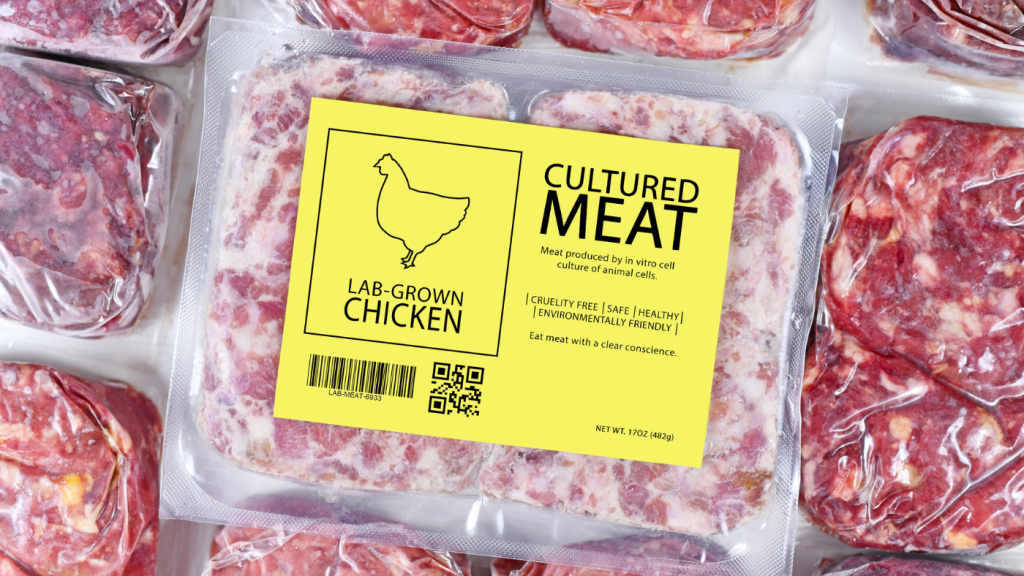
Are you a fan of cured meats like prosciutto, salami, or pancetta? These savory delights can elevate any meal, but what happens when you have more than you can use at once?
The question arises: Can you freeze cured meats? You might be wondering if the freezer could be the key to extending the life of these gourmet treats. Before you decide, it’s crucial to know how freezing affects their taste, texture, and quality.
Understanding this could save you from potential disappointment and ensure that your cured meats remain as delicious as when you first bought them. Dive into this article to discover whether your freezer could become your new best friend in preserving these culinary treasures.
Types Of Cured Meats
Cured meats come in various types, each with unique flavors and textures. Understanding these types can help you decide how best to store and freeze them without losing quality. Let’s explore the main categories of cured meats and what makes each one special.
Dry-cured Meats
Dry-cured meats are preserved by rubbing salt and spices directly onto the meat, then letting it air-dry for weeks or months. This process removes moisture, intensifying flavor and creating a firm texture. Popular examples include prosciutto, salami, and bresaola.
Because dry-cured meats have low moisture, freezing them can affect texture but often preserves taste well. Have you noticed how some dry-cured meats get crumbly after freezing? That’s why storing them properly in airtight packaging matters.
Wet-cured Meats
Wet-cured meats are soaked or injected with a brine solution containing salt, sugar, and sometimes spices. This method keeps the meat moist and tender. Ham, corned beef, and some types of bacon fall into this category.
Freezing wet-cured meats usually works fine, but the texture might become slightly softer after thawing. Do you prefer the juiciness of wet-cured meats or the concentrated flavor of dry-cured ones?
Smoked Varieties
Smoked cured meats combine curing with smoke exposure, adding a distinct smoky flavor and extra preservation. This category includes smoked sausages, smoked ham, and smoked turkey breast.
Smoking helps protect the meat during freezing, but you should still wrap these meats tightly to avoid freezer burn. Have you ever tried freezing smoked meats and noticed a change in their smoky aroma?
Freezing Basics For Cured Meats
Freezing cured meats can be a great way to extend their shelf life and keep your favorite flavors on hand. However, freezing affects these meats differently than fresh cuts. Understanding the basics helps you preserve both taste and texture, so your cured meats stay delicious after thawing.
How Freezing Affects Texture And Flavor
Freezing causes water inside the meat to form ice crystals, which can damage the texture. This often results in a slightly drier or crumbly feel once thawed.
Flavor can also change, especially if the meat is fatty or heavily spiced. Some cured meats may lose subtle seasoning notes, while stronger flavors tend to hold up better.
Have you noticed your frozen salami tasting a bit different? It’s likely due to these changes in texture and flavor during freezing.
Ideal Freezing Temperatures
Keeping cured meats at the right temperature is crucial. Aim for a consistent temperature of 0°F (-18°C) or lower to prevent spoilage and maintain quality.
Fluctuating temperatures cause thawing and refreezing, which damages the meat’s structure and increases the risk of freezer burn. A deep freezer with a steady temperature works best.
Proper Packaging Methods
Packaging is your first line of defense against freezer burn and flavor loss. Use airtight wraps like vacuum-sealed bags to limit exposure to air.
- Wrap the meat tightly in plastic wrap before placing it in a freezer bag.
- Remove as much air as possible to prevent ice crystals forming on the surface.
- Label packages with the date to keep track of storage time.
Have you tried freezing cured meats without sealing them well? Chances are you ended up with tough, dry slices. Proper packaging makes all the difference.
Step-by-step Freezing Guide
Freezing cured meats can be a great way to extend their shelf life and keep your favorite flavors fresh. But doing it right matters a lot to maintain texture and taste. Here’s a clear, easy guide to help you freeze cured meats without losing quality.
Preparing Meats For Freezing
Start by checking the meat’s condition. Make sure it’s fully cured and hasn’t passed its best-before date. If the meat has any moisture on the surface, pat it dry with a paper towel to avoid ice crystals forming during freezing.
Some cured meats, like salami or prosciutto, freeze better if sliced first. Think about how you plan to use the meat later—whole pieces freeze well for slicing after thawing, while pre-sliced portions save time during meals.
Portioning And Wrapping
Divide the meat into portions that match your usual serving sizes. This avoids thawing more than you need and reduces waste. Use airtight wrapping to prevent freezer burn—first wrap the meat tightly in plastic wrap, then add a layer of aluminum foil or place it in a freezer-safe bag.
Removing as much air as possible is key. Vacuum sealing is ideal if you have the equipment. If not, pressing out air from freezer bags with your hands before sealing works well too.
Labeling And Storage Tips
Always label your packages with the type of meat and the date you froze it. This simple step saves confusion and helps track freshness. Use permanent markers and place labels on the outside of the wrapping.
Store cured meats in the coldest part of your freezer, usually the back, to keep them at a consistent temperature. Try to keep similar items together so you can find what you need quickly and avoid unnecessary freezer door openings.
Have you ever noticed the difference in taste between freshly sliced and frozen cured meats? Your freezing method can make all the difference. How will you prepare your meats next time?

Credit: braycured.com
Thawing And Using Frozen Cured Meats
Thawing and using frozen cured meats correctly can make a big difference in taste and safety. How you handle the thawing process affects texture and flavor more than you might expect. Let’s look at some smart ways to get the best out of your frozen cured meats.
Safe Thawing Techniques
Thaw cured meats in the refrigerator to keep them at a safe temperature. Avoid leaving them out on the counter; bacteria can grow quickly at room temperature. If you’re in a hurry, place the sealed package in cold water, changing the water every 30 minutes until thawed.
Microwave thawing is possible but tricky—it can start to cook the edges, which alters texture. If you use this method, cook the meat immediately after thawing. Have you ever noticed cured meats becoming slimy or smelling off after improper thawing? That’s a clear sign to adjust your approach.
Maintaining Quality After Thawing
Once thawed, use cured meats within a few days for the best taste and texture. Keep them wrapped tightly to prevent drying out or absorbing other odors from the fridge. If you see any discoloration or unusual smells, it’s safer to discard the meat.
Freezing can sometimes change the texture, making meats a bit drier or crumbly. To combat this, slice meats thinly before freezing or store in airtight containers. How do you usually store your cured meats after thawing? Small changes can keep your snacks fresh and enjoyable.
Cooking With Frozen Meats
You can cook cured meats straight from the freezer in many cases, especially if you’re adding them to soups or stews. This saves time and minimizes texture changes. For frying or grilling, thawing first usually gives better results.
Consider the type of cured meat—hard sausages and salamis freeze better than delicate deli slices. Add frozen cured meats towards the end of cooking to keep flavors bright and textures pleasant. What’s your favorite dish that benefits from a little cured meat magic?
Common Mistakes To Avoid
Freezing cured meats can be a great way to extend their shelf life, but many people make avoidable errors that ruin the quality or safety of their food. Understanding what not to do is just as important as knowing how to freeze properly. Let’s look at some common mistakes that could cost you flavor, texture, and even your health.
Repeated Freezing And Thawing
Refreezing cured meats after they have thawed damages their texture and taste. Every freeze-thaw cycle causes moisture loss, making the meat dry and tough. Have you ever noticed freezer-burnt slices that crumble easily? That’s often the result of repeated freezing.
Try to freeze your cured meats in portions you can use all at once. This way, you avoid thawing more than you need and protect the meat’s quality.
Ignoring Packaging Quality
Poor packaging is a major reason frozen cured meats lose their freshness. Air exposure leads to freezer burn, which changes flavor and texture. Using simple plastic wrap or bags isn’t enough if they let air in.
Invest in vacuum-sealed bags or heavy-duty freezer wraps. These protect your meat better and keep it tasting closer to fresh. Have you checked if your packaging is airtight before freezing?
Freezing Already Spoiled Meats
Freezing won’t fix meat that’s already gone bad. If you notice an off smell or slimy texture before freezing, it’s safer to discard it. Freezing only pauses spoilage; it doesn’t reverse it.
Always inspect your cured meats carefully before freezing. Would you want to eat something that smelled off before it even hit the freezer?
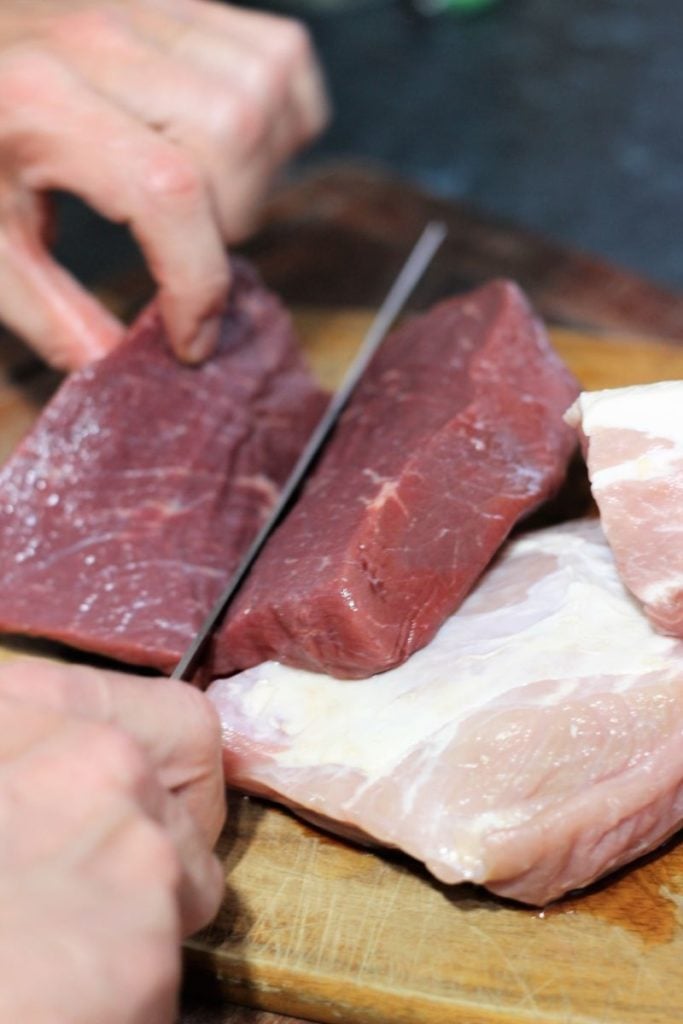
Credit: eatcuredmeat.com
Alternatives To Freezing
Freezing cured meats isn’t the only way to keep them fresh. There are several alternatives that help maintain flavor and texture without the risks that freezing might bring, like moisture loss or texture changes. Let’s look at some practical ways you can store your cured meats better.
Refrigeration Tips
Storing cured meats in the fridge is simple, but a few tricks can make a big difference. Keep them wrapped tightly in butcher paper or wax paper to prevent drying out. Avoid plastic wrap directly on the meat as it can trap moisture and cause spoilage.
Place the meat in the coldest part of your fridge, usually near the back. Check your fridge temperature regularly; it should stay around 34-38°F (1-3°C) for optimal freshness. Do you know the last time you cleaned your fridge? A clean fridge helps keep your meats tasting fresh longer.
Vacuum Sealing Benefits
Vacuum sealing cured meats removes air, which slows down spoilage and extends shelf life. It also keeps the meat’s flavors locked in, preventing them from absorbing other odors in your fridge. You can store vacuum-sealed meats for weeks without worrying about freezer burn or drying.
Using a vacuum sealer is easy and worth the investment if you buy cured meats in bulk. It’s a great way to portion your meat for future meals, too. Have you tried vacuum sealing your snacks or deli meats? It might change how you shop and store food.
Using Cured Meats Quickly
Sometimes, the best alternative is to plan meals around your cured meats so you use them quickly. Incorporate them into salads, sandwiches, or pasta dishes within a few days of purchase. This approach ensures you enjoy their best taste and texture.
Think about what meals you can prepare right after buying cured meats. Can you add them to your breakfast or pack them for lunch? Using meats quickly means less worry about storage and more enjoyment of your food.

Credit: parade.com
Frequently Asked Questions
Can You Freeze Cured Meats Safely At Home?
Yes, you can safely freeze cured meats at home. Wrap them tightly in plastic wrap or foil. Use airtight containers or freezer bags to prevent freezer burn. Frozen cured meats maintain quality for 1-2 months. Always thaw in the refrigerator for best results.
Does Freezing Affect The Taste Of Cured Meats?
Freezing may slightly alter the texture of cured meats. However, proper packaging minimizes flavor loss. When thawed slowly, cured meats retain most of their original taste. Avoid refreezing to prevent quality degradation. Overall, freezing preserves flavor well if done correctly.
How Long Can Cured Meats Stay Frozen?
Cured meats can stay frozen for up to 2 months. Beyond this, quality and flavor may decline. Vacuum-sealing extends freezer life by reducing air exposure. Label packages with freezing dates for easy tracking. Always check for off smells or texture after thawing.
Should Cured Meats Be Thawed Before Freezing?
No, cured meats should not be thawed before freezing. Freeze them fresh or already cured and packaged. Thawing before freezing can cause moisture loss and texture changes. Freeze in small portions to thaw only what you need. Proper handling preserves quality.
Conclusion
Freezing cured meats can keep them safe and tasty for longer. Wrap them well to avoid freezer burn and loss of flavor. Use airtight containers or freezer bags for best results. Thaw meats slowly in the fridge to keep their texture.
Remember, frozen cured meats stay good for a few months. Enjoy your meats without waste by freezing them properly. Simple steps help preserve their quality and taste. Keep these tips in mind for your next meal prep.