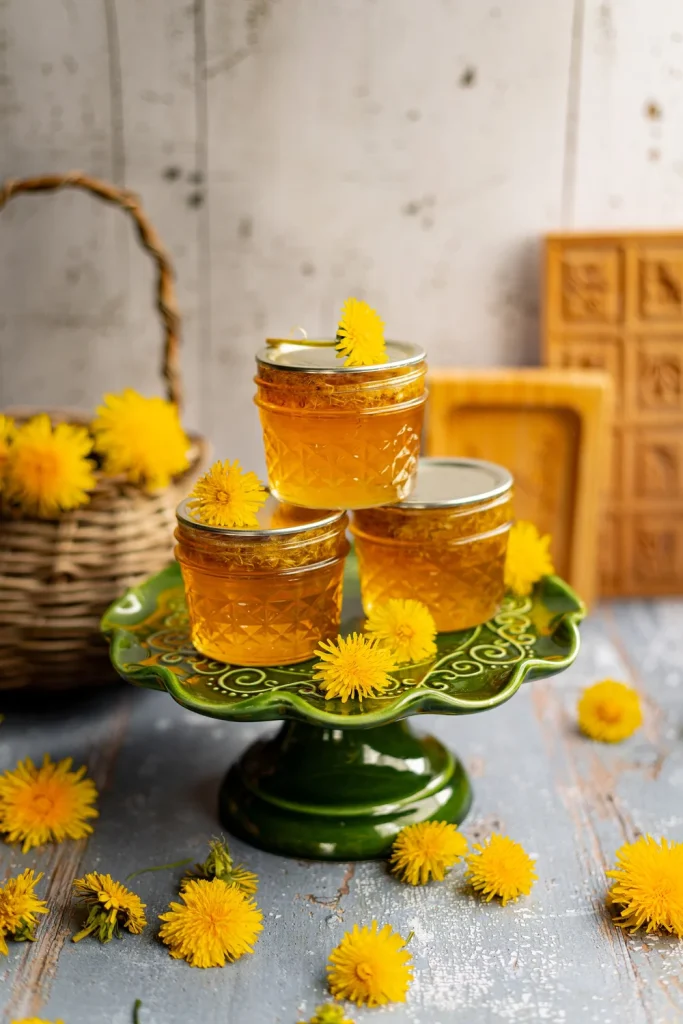
Have you ever wondered if you can freeze dandelions to enjoy their unique flavor later? Whether you’re a gardening enthusiast or someone who loves experimenting with wild greens in your kitchen, knowing how to preserve dandelions can open up new possibilities.
Freezing is a quick way to keep your harvest fresh, but is it the best method for dandelions? Keep reading to discover the simple steps you can take to freeze dandelions properly and make the most out of this versatile plant all year round.
Your taste buds and your pantry will thank you!
Why Freeze Dandelions
Freezing dandelions might not be on your mind right now, but it’s a smart way to keep these nutritious plants ready for use whenever you want. If you’ve ever harvested dandelions and wondered how to preserve their freshness without losing their flavor and health benefits, freezing is a great option. It helps you enjoy dandelions beyond their short growing season.
Benefits Of Freezing
Freezing dandelions locks in their nutrients, flavor, and color much better than drying or canning. You can keep them fresh for months, which means no rush to use them immediately after picking. This is especially helpful if you gather a large batch during spring or early summer.
When you freeze dandelions, you reduce waste and save money by extending their shelf life. You can add frozen dandelion leaves or flowers directly to smoothies, teas, or salads without defrosting. This convenience makes healthy eating easier.
Have you ever noticed how some herbs lose their taste after freezing? Dandelions, however, maintain their unique bitterness and aroma well, making them perfect for long-term storage.
Best Parts To Freeze
Not all parts of the dandelion freeze equally well. The leaves and flowers are the best candidates because they retain their texture and flavor after thawing.
- Leaves:Young, tender leaves freeze better than older, tougher ones. They work great in soups, salads, or sautés.
- Flowers:Dandelion flowers can be frozen whole or chopped. They’re perfect for making tea or adding a splash of color to dishes.
- Roots:Freezing roots is less common but possible if you want to use them later for herbal infusions or tinctures. However, they may need blanching first to preserve their quality.
Have you tried freezing other wild greens? You might be surprised how dandelions hold up better than many expect, making them a versatile addition to your freezer stash.

Credit: www.lonelypinesfarm.com
Preparing Dandelions For Freezing
Freezing dandelions preserves their freshness and nutrients for later use. Proper preparation is key to maintaining their taste and texture. Start by cleaning and sorting the leaves carefully. Then, blanch the dandelions to lock in color and flavor. These steps ensure your frozen dandelions stay delicious and healthy.
Cleaning And Sorting
Rinse dandelion leaves under cold water to remove dirt and bugs. Use your fingers to gently rub off any stubborn debris. Sort the leaves by size and discard any wilted or yellow ones. This helps keep only the freshest leaves for freezing. Drain the leaves well to avoid excess water during freezing.
Blanching Steps
Boil a pot of water and prepare a bowl of ice water. Submerge dandelion leaves in boiling water for 1 to 2 minutes. This stops enzyme action, which can spoil the leaves over time. Quickly transfer leaves to ice water to cool and stop cooking. Drain the leaves thoroughly and pat dry with a clean towel. Now, the dandelions are ready for freezing in airtight containers or bags.
Freezing Techniques
Freezing dandelions is a smart way to keep their unique flavors and nutrients available long after the growing season ends. Each part of the plant—leaves, flowers, and roots—requires a slightly different approach to freezing. Understanding the right technique helps you maintain their texture and taste, making your future dishes or remedies more enjoyable.
Freezing Leaves
Dandelion leaves freeze best when cleaned and blanched briefly. Start by rinsing the leaves under cold water to remove any dirt or insects.
Blanch the leaves in boiling water for about 1 to 2 minutes, then immediately transfer them to an ice bath to stop cooking. This step preserves the vibrant color and prevents the leaves from becoming mushy.
After drying thoroughly, spread the leaves on a baking sheet and freeze them individually before transferring to a sealed container or freezer bag. This prevents clumping and makes it easy to grab just what you need later.
Freezing Flowers
Dandelion flowers are delicate and don’t require blanching. Instead, rinse gently to remove dirt and pat dry carefully to avoid bruising.
Place the flowers in a single layer on a parchment-lined tray and freeze. Once frozen solid, transfer the flowers to airtight containers or freezer bags.
Do you want to add a splash of color to your winter teas or salads? Frozen dandelion flowers hold their shape and color well, making them perfect for visual appeal and subtle flavor.
Freezing Roots
Dandelion roots need a bit more preparation before freezing. Clean the roots thoroughly, scrubbing off all soil without damaging the skin.
Cut the roots into smaller pieces and blanch them in boiling water for 3 to 4 minutes, then cool quickly in ice water. This process helps retain their firmness and flavor.
Dry the pieces well, then freeze them spread out on a tray before storing in freezer bags. Frozen dandelion roots are great for making herbal teas or tinctures, ready whenever you need them.

Credit: homelyhens.com
Storage Tips
Proper storage is essential to keep frozen dandelions fresh and tasty. Good techniques help maintain their flavor and texture. Understanding the best ways to package and how long they last improves your experience.
Packaging Methods
Use airtight containers or freezer bags to prevent freezer burn. Remove as much air as possible before sealing. Wrapping dandelions in a paper towel helps absorb moisture. Label packages with the date to track storage time. Avoid overfilling containers to keep dandelions from getting crushed.
Shelf Life Expectations
Frozen dandelions stay good for about 6 to 12 months. Freshness is best within the first 3 to 6 months. Over time, flavor and texture may decline. Store at a consistent freezing temperature for best results. Check for signs of freezer burn or off smells before use.
Using Frozen Dandelions
Frozen dandelions keep their flavor and nutrients well. Using them is easy and adds a fresh touch to many dishes. They work great in meals that call for greens or herbs. Keep them frozen until ready to use for best taste.
Cooking Ideas
- Add frozen dandelions to soups and stews for a mild, earthy flavor.
- Mix into scrambled eggs or omelets for a healthy boost.
- Use in sautés with garlic and olive oil as a simple side dish.
- Blend into smoothies for a nutrient-rich green drink.
- Incorporate into pasta sauces or casseroles for extra texture.
Thawing Tips
- Thaw frozen dandelions in the fridge overnight for best texture.
- Use cold water to thaw quickly if short on time.
- Drain any excess water after thawing to avoid sogginess.
- Cook directly from frozen if adding to hot dishes like soups.
- Avoid refreezing thawed dandelions to maintain quality.
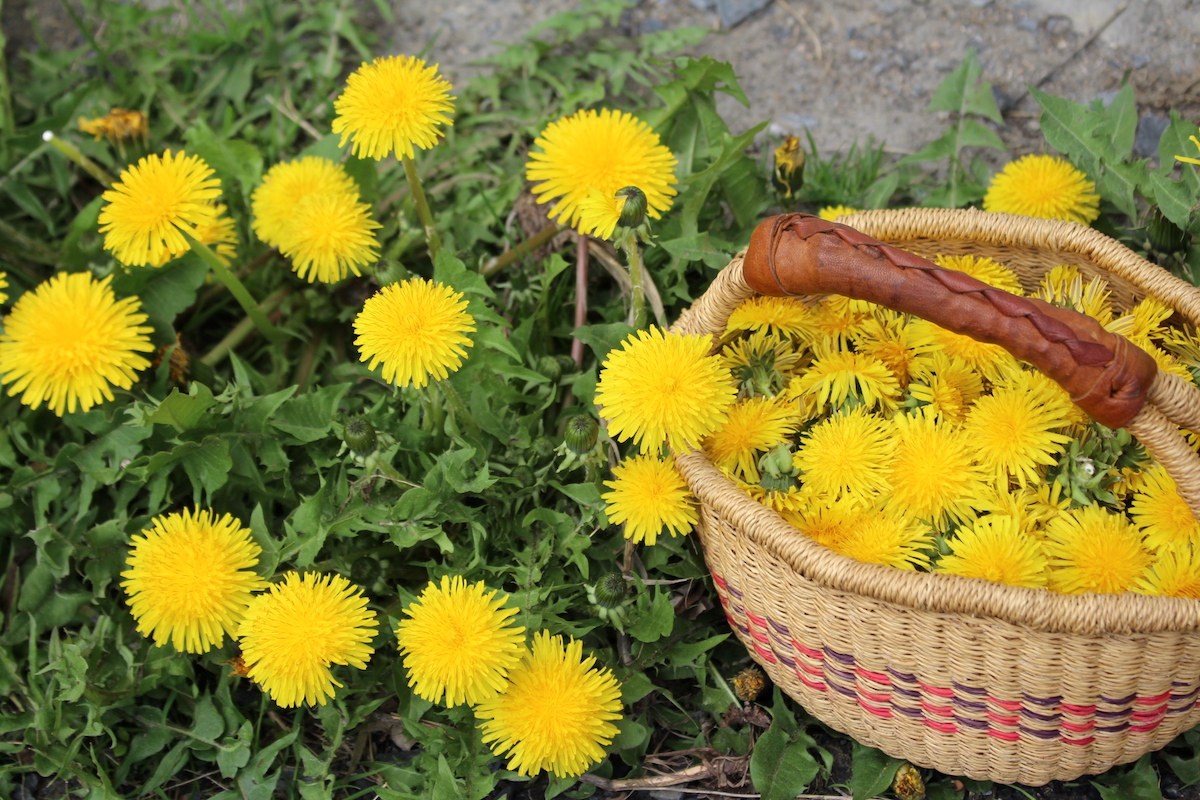
Credit: practicalselfreliance.com
Common Mistakes To Avoid
Freezing dandelions can be a great way to keep them fresh for longer. Still, mistakes during freezing can spoil their texture and flavor. Avoiding common errors helps maintain the dandelions’ quality and usefulness.
Many people freeze dandelions without proper cleaning or preparation. This leads to ice crystals, freezer burn, or mushy leaves. Understanding these mistakes saves time and effort.
Freezing Dandelions Without Washing
Not washing dandelions before freezing traps dirt and bugs. This affects taste and safety. Always rinse leaves and flowers gently under cold water.
Freezing Whole Dandelions
Freezing entire dandelions causes uneven freezing. Stems freeze slower than leaves, leading to soggy parts. Cut dandelions into smaller pieces for even freezing.
Skipping Blanching Before Freezing
Blanching stops enzyme activity that causes spoilage. Skipping this step can make frozen dandelions lose color and flavor. Boil dandelions for a short time, then cool quickly.
Using Improper Storage Containers
Thin plastic bags or containers allow air inside. This causes freezer burn and dry leaves. Use airtight containers or heavy-duty freezer bags for best results.
Freezing Dandelions In Large Batches
Large batches freeze unevenly. This causes texture loss and spoilage. Freeze dandelions in small portions for quick and even freezing.
Frequently Asked Questions
Can You Freeze Dandelion Greens For Later Use?
Yes, you can freeze dandelion greens. Blanch them first to preserve flavor and nutrients. Then dry and store in airtight containers. Frozen dandelions maintain their taste for several months.
Does Freezing Affect Dandelion Flower Quality?
Freezing dandelion flowers may slightly change texture but retains flavor. Use fresh flowers for best results. Frozen flowers work well in teas and recipes needing mild flavor.
How Long Can Frozen Dandelions Last?
Frozen dandelions last up to 6-8 months in a freezer. Proper packaging and blanching extend shelf life. After this, quality and taste may decline.
What’s The Best Way To Prepare Dandelions Before Freezing?
Wash dandelions thoroughly, then blanch in boiling water for 1-2 minutes. Cool immediately in ice water. Drain, dry, and pack in freezer bags for best preservation.
Conclusion
Freezing dandelions is a simple way to preserve their freshness. Just clean, dry, and store them in airtight bags. This method keeps their nutrients intact for later use. Enjoy the benefits of dandelions all year round. Whether for tea, salads, or natural remedies, frozen dandelions offer great versatility.
Remember to label your storage bags with the date. This helps track freshness. Explore different recipes and uses for your frozen dandelions. Keep experimenting and find what works best for you. With a little effort, dandelions can be a regular part of your diet.