
Have you ever found yourself wondering what to do with a deer heart after a successful hunt? You’re not alone.
Many hunters and food enthusiasts alike are curious about the best ways to preserve this nutrient-rich organ. The question is, can you freeze deer heart without losing its quality and flavor? Imagine serving a delicious and unique dish, knowing you made the most of your harvest.
In this blog post, we’ll uncover the secrets to successfully freezing deer heart, ensuring it remains as tasty and nutritious as the day it was harvested. Stick around, and you’ll discover tips that could transform your culinary adventures and impress your dinner guests.
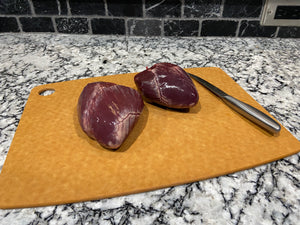
Credit: hangrybrand.com
Deer Heart Basics
Deer heart is a unique part of the animal often overlooked in cooking. It offers a rich flavor and firm texture. Many hunters and cooks value it for its versatility. Understanding the basics helps in handling and preparing deer heart properly. It is important to know its nutritional benefits and common uses before cooking or freezing.
Nutritional Value
Deer heart is packed with nutrients that support a healthy diet. It contains high protein, essential for muscle repair and growth. It is rich in iron, which helps carry oxygen in the blood. Deer heart also has vitamins B12 and B6, important for energy and brain function. Low in fat, it suits many diet plans. Eating deer heart can add variety to your nutrient intake.
Common Uses
Deer heart can be cooked in several ways. It is often grilled, fried, or slow-cooked to keep it tender. Slicing it thin makes it perfect for stir-fries or tacos. Some use it in stews or ground it for burgers. Its strong flavor pairs well with garlic, onions, and herbs. Many enjoy it as a special treat from wild game meals.
Credit: www.crossbownation.com
Preparing Deer Heart For Freezing
Preparing deer heart for freezing is an important step to preserve its quality and flavor. Proper preparation helps prevent freezer burn and extends the heart’s shelf life. Taking the time to clean, trim, and portion your deer heart correctly sets you up for success when you’re ready to cook it later.
Cleaning And Trimming
Start by rinsing the deer heart under cold running water to remove blood and any surface debris. Make sure to pat it dry with paper towels to avoid excess moisture, which can cause ice crystals during freezing.
Next, trim away any fat, connective tissue, and valves that you don’t want to eat. These parts can become tough or bitter after freezing and cooking. Focus on keeping the lean muscle intact for the best texture and taste.
Portioning Tips
Think about how you plan to use the deer heart before freezing. Cutting it into smaller portions makes it easier to thaw only what you need. You can slice it into steaks, cubes, or leave it whole depending on your future recipes.
Wrap each portion tightly in plastic wrap or butcher paper to protect it from air exposure. Then, place the wrapped pieces into airtight freezer bags or vacuum-seal them for maximum freshness. Label each package with the date so you can keep track of how long it’s been stored.
Freezing Methods
Freezing deer heart properly is key to preserving its flavor and texture. Choosing the right method can make a big difference in how long it lasts and how good it tastes when you cook it later. Let’s look at some practical ways to freeze deer heart effectively.
Using Freezer Bags
Freezer bags are a simple and accessible option. Squeeze out as much air as possible before sealing to reduce freezer burn.
Label the bags with the date to keep track of freshness. This method works well if you plan to use the heart within a few months.
Vacuum Sealing
Vacuum sealing is one of the best ways to freeze deer heart. It removes all air, which slows down freezer burn and keeps the meat fresh longer.
If you have a vacuum sealer, use it to package the heart in airtight bags. This method is ideal if you want to store the heart for six months or more.
Container Options
Plastic or glass containers can also work, but they need to be airtight. Look for containers with tight-fitting lids to prevent air and moisture from getting in.
Containers are great if you prefer not to deal with bags, but make sure to leave some space at the top for expansion as the heart freezes. Do you have a favorite container that’s saved your freezer space before?
Storage Duration And Conditions
Proper storage of deer heart preserves its freshness and taste. Knowing the right duration and conditions prevents spoilage. This helps keep the meat safe for later use. Freezing is a common method to store deer heart effectively.
Optimal Freezing Time
Deer heart should be frozen within two days after harvesting. Freezing quickly stops bacteria growth. The ideal storage time in the freezer is up to 3 months. Beyond this, the meat may lose flavor and texture. Label packages with the freezing date for easy tracking.
Temperature Recommendations
Keep your freezer at or below 0°F (-18°C) for best results. This temperature stops bacteria and slows enzyme activity. Use airtight containers or vacuum-sealed bags to prevent freezer burn. Avoid temperature fluctuations by not opening the freezer often. Proper sealing and stable temperature keep deer heart fresh longer.
Thawing And Cooking After Freezing
After freezing deer heart, how you thaw and cook it makes a big difference in taste and texture. Proper thawing keeps the meat safe and preserves its flavor. Cooking from frozen requires some adjustments to get the best results.
Safe Thawing Techniques
Thawing deer heart safely is key to avoiding bacteria growth. The best way is to plan ahead and thaw it in the refrigerator. This can take 24 hours or more, depending on the size of the heart.
If you’re in a rush, place the sealed deer heart in a bowl of cold water. Change the water every 30 minutes to keep it cold. Avoid using warm water as it encourages bacterial growth.
Microwave thawing can work but be careful—it can start cooking the edges unevenly. If you use this method, cook the heart immediately after thawing to avoid any food safety risks.
Cooking Tips For Frozen Deer Heart
Cooking deer heart straight from the freezer is possible but needs some tweaks. Expect the cooking time to increase by about 50%. Use lower heat to help the meat cook evenly and stay tender.
Marinating frozen deer heart can be tricky. It’s best to marinate after thawing to allow flavors to penetrate. If you cook from frozen, season the heart well right before cooking.
Consider slow cooking or braising frozen deer heart. These methods break down tough fibers and keep the meat juicy. Have you tried slow cooking wild game? It often brings out flavors you wouldn’t expect.
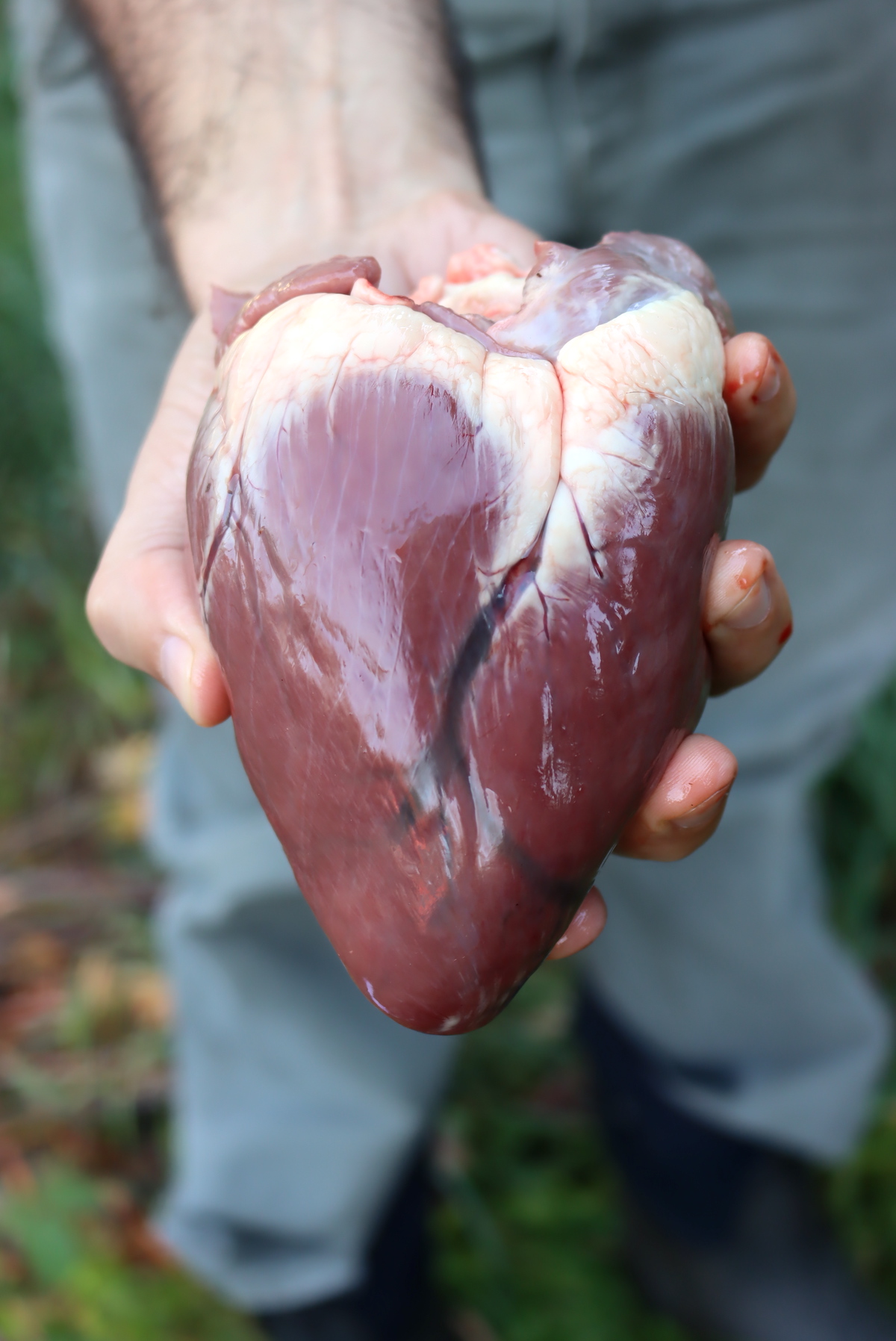
Credit: practicalselfreliance.com
Common Mistakes To Avoid
Freezing deer heart is a great way to preserve this nutrient-packed organ meat, but many people stumble over avoidable mistakes. These errors can affect the texture, flavor, and safety of your meat. Let’s look at some common pitfalls so you can freeze your deer heart properly and enjoy it later without surprises.
Freezing Without Preparation
Simply tossing a raw deer heart into the freezer isn’t enough. You need to clean the heart thoroughly and trim away any fat or blood clots before freezing. Leaving it unprepared can lead to off-flavors and faster spoilage.
Have you ever noticed a metallic taste after thawing? That’s often a sign of inadequate cleaning. Rinsing the heart under cold water and patting it dry helps maintain freshness.
Improper Sealing
Air exposure is the enemy of frozen meat. Using weak or loose packaging lets air in, causing freezer burn and drying out your deer heart. Make sure to use airtight bags or vacuum sealers for the best protection.
If you don’t have vacuum sealing, try pressing out as much air as possible before sealing. Double wrapping with plastic wrap and foil can also help keep the heart fresh. Have you checked your freezer bags for tiny holes? Even small tears can ruin your meat.
Refreezing Issues
Thawing and refreezing deer heart repeatedly can severely damage its texture and taste. Each freeze-thaw cycle breaks down muscle fibers, making the meat tough and dry. Plan your portions carefully to avoid this problem.
Once thawed, cook the heart if you don’t intend to eat it immediately. Refreezing cooked deer heart is safer and less damaging than refreezing it raw. How often have you accidentally refrozen meat without realizing the impact?
Frequently Asked Questions
Can You Freeze Deer Heart Safely?
Yes, you can safely freeze deer heart. Wrap it tightly in plastic wrap or vacuum seal it. Store it in the freezer at 0°F (-18°C) or below to maintain quality and prevent freezer burn.
How Long Can Deer Heart Stay Frozen?
Deer heart can stay frozen for up to 3-4 months. Beyond this, its texture and flavor may degrade. Proper packaging helps preserve freshness and prevents freezer burn during storage.
Should You Clean Deer Heart Before Freezing?
Yes, clean the deer heart thoroughly before freezing. Remove any blood clots, fat, or membranes. Pat it dry with paper towels to reduce ice crystals and maintain quality.
Can Freezing Affect The Texture Of Deer Heart?
Freezing may slightly change deer heart’s texture, making it a bit firmer. Proper packaging minimizes this effect. Thaw it slowly in the refrigerator for best results.
Conclusion
Freezing deer heart keeps it fresh for longer time. Wrap it well to avoid freezer burn and odors. Thaw slowly in the fridge for best taste. Use within a few months for quality and safety. Cooking from frozen is possible but not ideal.
Proper storage helps preserve nutrients and flavor. Enjoy this nutritious meat without worry by following these tips. Now you know how to store deer heart safely. Simple steps make a big difference in food quality.