
Have you ever found yourself staring at a stash of dehydrated fruit and wondering if you can freeze it to make it last even longer? You’re not alone.
Many people love the convenience and taste of dehydrated fruits but aren’t sure how to store them for the long haul. Freezing might seem like a good option, but is it the right one? This is a question that puzzles many, and the answer might surprise you.
We’ll dive into the ins and outs of freezing dehydrated fruit, so you can make the most out of your delicious stash. Stick around, and you’ll discover whether your pantry staple can find a new home in your freezer.
Freezing Dehydrated Fruit Basics
Freezing dehydrated fruit might seem like an extra step, but it can actually help you keep your snacks fresher for longer. Understanding the basics of how freezing interacts with dried fruit will help you decide if it’s right for your storage needs. Let’s look closely at what happens to fruit during dehydration and the perks of adding freezing to your preservation routine.
How Dehydration Affects Fruit
Dehydration removes most of the water from fruit, which stops bacteria and mold from growing. This process shrinks the fruit and concentrates its natural sugars, making it taste sweeter and chewier. However, some nutrients and texture can change during drying, which might affect how you want to store your fruit afterward.
For example, dried apples become leathery and soft, while dried berries can turn crunchy or brittle. The lack of moisture means these fruits are less likely to spoil quickly, but they can still absorb moisture from the air if not stored properly.
Benefits Of Freezing Dried Fruit
Freezing dehydrated fruit can extend its shelf life even more by keeping it safe from humidity and temperature changes. It locks in flavor and texture better than just storing it in a pantry or cupboard. If you have a big batch of dried fruit, freezing lets you portion it out and keep it fresh for months or even years.
- Prevents moisture absorption and mold growth
- Makes your dried fruit last longer without losing taste
- Keeps fruit ready for smoothies, baking, or snacking anytime
Have you ever noticed your dried fruit getting sticky or clumping together? Freezing can stop this from happening. It’s a simple trick that can save you money and reduce food waste by preserving your dried fruit’s quality well beyond what a sealed jar can do.

Credit: www.lixingfdfoods.com
Preparing Fruit For Freezing
Preparing fruit for freezing extends its shelf life and preserves flavor. Proper preparation stops freezer burn and moisture loss. It keeps fruit texture and taste fresh for longer.
Follow simple steps to prepare dehydrated fruit before freezing. These steps ensure the best quality and taste after thawing.
Choosing The Right Fruit
Select fruit that is fully dried but not brittle. Fruit that is too dry may lose flavor in the freezer. Fruit with some flexibility freezes better. Avoid fruit with moisture or stickiness to prevent clumping.
Consider fruits that freeze well after dehydration:
- Apples
- Bananas
- Strawberries
- Mangoes
- Pineapples
Choose fruit without bruises or mold. Quality fruit freezes and tastes better later.
Proper Packaging Techniques
Use airtight containers or freezer bags for packaging. Remove as much air as possible to prevent freezer burn. Vacuum sealing is ideal for long-term storage.
Follow these packaging tips:
- Use heavy-duty freezer bags or plastic containers with tight lids.
- Label each package with the fruit type and date.
- Divide fruit into small portions for easy use.
- Place a layer of parchment paper between fruit layers to stop sticking.
Store packages flat to save space and freeze quickly. Proper packaging keeps fruit fresh and flavorful.
Freezing Process Tips
Freezing dehydrated fruit can extend its shelf life even further, but the process requires some care to maintain the fruit’s texture and flavor. Knowing how to freeze properly prevents common issues like freezer burn and moisture buildup. Here are some practical tips to make sure your dehydrated fruit stays fresh and tasty in the freezer.
Optimal Freezing Temperatures
Set your freezer to a temperature of 0°F (-18°C) or lower. This keeps the fruit solidly frozen and slows down any residual enzymatic activity. Avoid fluctuating temperatures, as frequent thawing and refreezing can ruin the texture of dehydrated fruit.
Have you ever noticed your frozen fruit turning mushy after a few weeks? That’s usually because the freezer wasn’t cold enough. Consistent, proper freezing temperatures are key to preserving crispness and flavor.
Avoiding Moisture And Frost
Moisture is the enemy of dehydrated fruit in the freezer. Even tiny amounts of water can cause frost to build up, leading to freezer burn and soggy fruit.
Use airtight containers or vacuum-sealed bags to keep moisture out. Before sealing, try adding a small packet of food-safe desiccant or a pinch of powdered sugar to absorb any leftover moisture.
Also, avoid opening the freezer door frequently to reduce humidity changes. You want to create a stable, dry environment inside the packaging to protect your fruit.
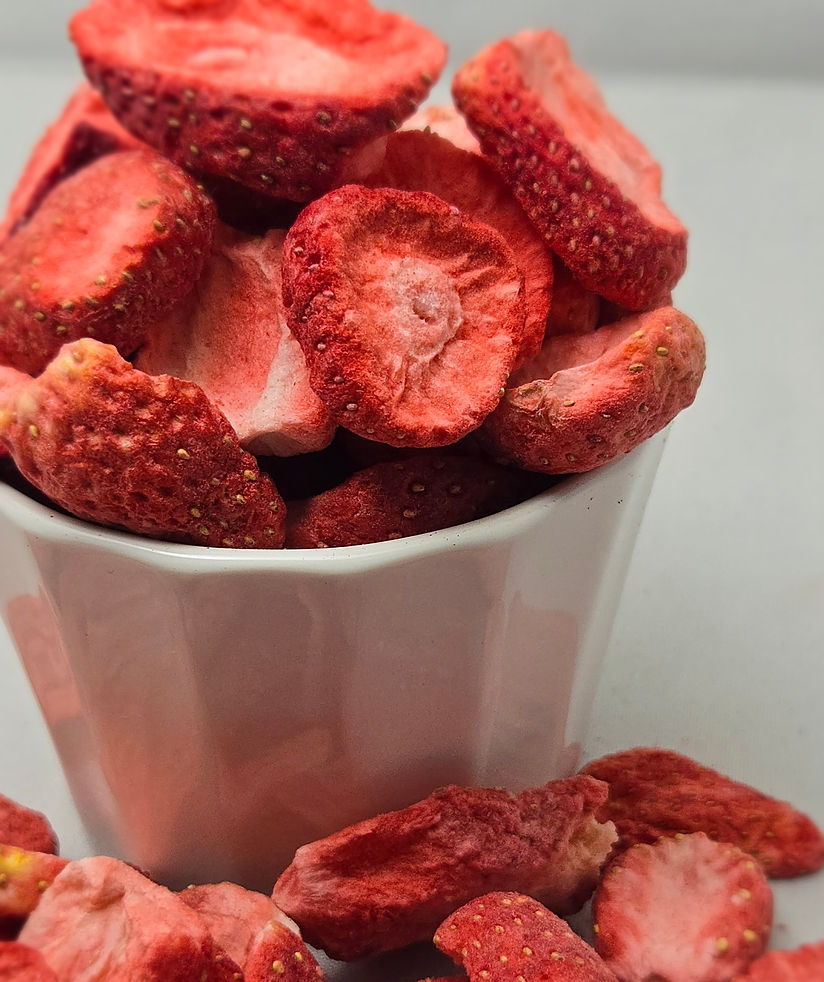
Credit: www.foreverfreezeco.com
Storage Duration And Quality
Storing dehydrated fruit properly can extend its usability, but the duration and quality depend heavily on how you freeze it. Understanding how long dehydrated fruit stays good in the freezer and what signs indicate it’s past its prime helps you avoid waste and enjoy the best flavor and texture.
Shelf Life In The Freezer
Dehydrated fruit can last in the freezer for about 6 to 12 months. Freezing slows down moisture absorption and microbial growth, which helps maintain freshness longer than storing at room temperature.
However, the exact shelf life depends on the fruit type and how well it was dried before freezing. Fruits with higher sugar content, like mangoes or pineapples, tend to keep better than berries, which might lose quality faster.
To maximize shelf life, store the fruit in airtight, freezer-safe containers or vacuum-sealed bags. Removing as much air as possible prevents freezer burn, which can degrade both texture and flavor.
Signs Of Quality Loss
Even frozen, dehydrated fruit can show signs of quality loss over time. Watch for changes in texture, such as increased toughness or excessive dryness, which make the fruit less pleasant to eat.
Discoloration is another red flag—if the fruit looks dull or has dark spots, it may have started to oxidize or spoil. Also, any off or sour smells indicate the fruit has gone bad and should be discarded.
Have you ever opened a bag of frozen fruit only to find it icy or clumped together? That’s often a sign of moisture re-entering the package, which can accelerate quality loss. Keeping your fruit well-sealed helps prevent this problem.
Thawing And Using Frozen Dehydrated Fruit
Thawing and using frozen dehydrated fruit requires care to keep its texture and flavor. Proper thawing helps the fruit regain some softness without turning mushy. Using the fruit after thawing opens many options for snacks and recipes.
Best Thawing Methods
- Place the frozen dehydrated fruit in a bowl at room temperature.
- Let it sit for 30 to 60 minutes until soft but not soggy.
- Use a microwave on low power for short bursts if in a hurry.
- Thaw in the fridge overnight for gentle, even thawing.
- Drain any excess moisture before use to keep texture firm.
Creative Uses After Freezing
- Add thawed fruit to oatmeal or cereal for a sweet twist.
- Mix into yogurt for added flavor and texture.
- Use as toppings on cakes, muffins, or pancakes.
- Blend into smoothies or shakes for natural sweetness.
- Cook into sauces or jams for a fruity boost.
- Enjoy as a quick snack after thawing with nuts or cheese.

Credit: www.reddit.com
Common Mistakes To Avoid
Freezing dehydrated fruit can extend its shelf life, but some mistakes can ruin your efforts. Avoid common errors to keep the fruit fresh and tasty. Understanding these pitfalls helps preserve quality and flavor.
Freezing Without Proper Drying
Dehydrated fruit must be fully dry before freezing. Moisture inside the fruit causes ice crystals to form. This leads to soggy texture and faster spoilage. Check the fruit carefully for any softness or stickiness. Proper drying ensures the fruit stays crisp and lasts longer in the freezer.
Improper Storage Materials
Using the wrong containers can harm dehydrated fruit during freezing. Avoid thin plastic bags that let air and moisture in. Use airtight, freezer-safe containers or heavy-duty freezer bags. Label containers with the date to track freshness. Good storage prevents freezer burn and maintains fruit quality.
Frequently Asked Questions
Can You Freeze Dehydrated Fruit To Extend Shelf Life?
Yes, freezing dehydrated fruit can extend its shelf life by preserving freshness. Use airtight containers to prevent moisture. Thaw at room temperature before use.
Does Freezing Affect Dehydrated Fruit’s Texture Or Taste?
Freezing may slightly change texture but usually retains taste well. Proper packaging reduces freezer burn and flavor loss. Overall, flavor remains mostly intact.
How Long Can Dehydrated Fruit Stay Frozen Safely?
Dehydrated fruit can stay frozen safely for up to 12 months. Proper sealing and consistent freezing temperature help maintain quality and prevent spoilage.
Should Dehydrated Fruit Be Sealed Before Freezing?
Yes, sealing dehydrated fruit in airtight bags or containers prevents moisture and freezer burn. This preserves taste, texture, and overall quality during freezing.
Conclusion
Freezing dehydrated fruit can keep it fresh longer. It slows down spoilage and preserves flavor well. Make sure to store the fruit in airtight containers. Avoid moisture to keep the fruit dry and tasty. Use frozen dehydrated fruit within a few months.
This method works best for most dried fruits. Try it to save fruit for future snacks or recipes. Simple steps can extend your fruit’s shelf life easily. Give freezing a try for your dehydrated fruit storage.