
The Future of Canine Reproduction: Can You Freeze Dog Sperm? As a dog owner, you’re probably no stranger to the emotional attachment that comes with raising a furry friend.
You’ve likely spent countless hours worrying about your pet’s health, happiness, and future. But what if you could preserve the genetic legacy of your beloved dog for generations to come? Freezing dog sperm, also known as cryopreservation, has become an increasingly viable option for breeders and pet owners alike.
But is it a reliable method for preserving canine fertility? We’ll delve into the world of frozen dog sperm and explore the possibilities, limitations, and future of this emerging technology. Whether you’re a seasoned breeder or simply a dog lover, you won’t want to miss the fascinating insights and expert opinions that will shed light on this cutting-edge field. So, let’s dive in and discover the truth about freezing dog sperm.

Credit: www.gundogmag.com
The Concept Of Dog Sperm Freezing
Dog sperm freezing is a process that stores sperm for future use. It helps keep a dog’s genetic material safe over time. This technique allows breeders to plan matings without needing the dog present physically. It also supports breeding even after a dog has passed away or can no longer mate naturally. The process involves collecting, freezing, and storing sperm in liquid nitrogen at very low temperatures. This keeps the sperm alive and healthy for years.
Why Freeze Dog Sperm
Freezing dog sperm offers many benefits. It allows breeders to preserve valuable genetics from champion dogs. It helps manage breeding programs by saving sperm during a dog’s prime. It also protects against unexpected health issues or accidents that may stop a dog from breeding. Frozen sperm can be shipped easily to different locations, making breeding more flexible. This helps avoid travel stress for dogs and owners.
The Importance Of Preserving Genetic Diversity
Preserving genetic diversity is crucial for healthy dog populations. Frozen sperm allows breeders to introduce new genes into a bloodline. It helps reduce risks of inherited diseases caused by inbreeding. By keeping a wide gene pool, dogs remain stronger and healthier. Genetic diversity also supports breed development and adaptation. Freezing sperm ensures important traits are not lost over time.
Credit: caninep4.com
The Process Of Freezing Dog Sperm
Freezing dog sperm is a valuable technique that helps preserve a dog’s genetic material for future breeding. It involves careful handling from the moment of collection to long-term storage. Understanding the process can help you decide if this option suits your breeding goals.
Collection And Preparation
Collecting dog sperm requires a clean and stress-free environment. The dog’s health and comfort play a big role in obtaining good quality semen.
Once collected, the semen is evaluated for volume, motility, and concentration. This step ensures only the best sample moves forward.
Next, the sperm is mixed with a special extender. This extender protects the cells during freezing and thawing.
Freezing Techniques
The freezing process involves cooling the sperm slowly to avoid damaging the cells. Rapid temperature changes can kill sperm, so a controlled rate freezer is often used.
Before freezing, the sample is divided into small straws or vials. These containers make it easier to thaw only what you need later.
Liquid nitrogen is the most common freezing agent. It cools the sperm to -196°C, effectively stopping all biological activity.
Storage And Maintenance
Once frozen, the sperm is stored in liquid nitrogen tanks. These tanks keep the samples at a constant ultra-low temperature.
You should regularly check the storage equipment for leaks or temperature fluctuations. Even a small change can affect sperm quality.
Proper labeling and record-keeping are essential. Knowing the origin and date of each sample helps manage your frozen sperm inventory effectively.
Benefits Of Dog Sperm Freezing
Freezing dog sperm offers several important benefits for breeders, pet owners, and researchers. It allows long-term preservation of valuable genetics without the need for immediate breeding. This technique supports breeding programs and helps maintain healthy dog populations. It also opens new possibilities in scientific studies related to canine genetics.
Preserving Rare Breeds
Freezing sperm helps protect rare dog breeds from extinction. It stores genetic material safely for future use. This process ensures unique traits are not lost over time. Breeders can revive rare breeds even if the original dogs are no longer alive.
Extending A Pet’s Legacy
This method allows pets to pass on their genes long after death. Owners can keep their pet’s bloodline alive through stored sperm. It provides a chance to continue breeding favorite dogs. The legacy of a beloved pet can last for many generations.
Advancing Genetic Research
Frozen dog sperm supports scientific studies on dog health and genetics. Researchers can study inherited traits and diseases more easily. It helps develop better treatments and breeding strategies. This stored genetic material is valuable for ongoing and future research projects.
Credit: icsb.technicalrs.net
Challenges And Limitations Of Dog Sperm Freezing
Freezing dog sperm is a useful tool in breeding and conservation. Yet, it comes with many challenges and limits. These issues affect the quality, success, and ethical use of frozen sperm. Understanding these helps breeders make better choices.
Vitrification And Ice Crystal Formation
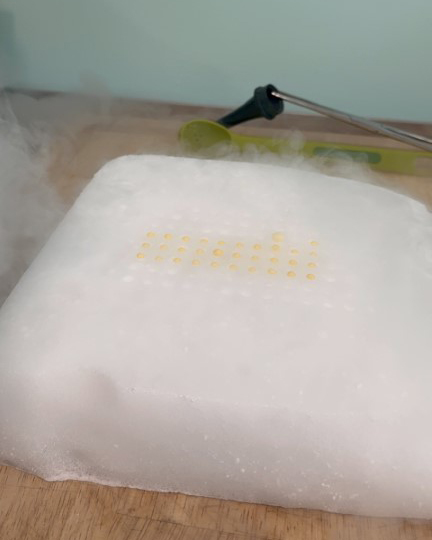
Vitrification is a process to freeze sperm quickly without forming ice crystals. Ice crystals can damage sperm cells during freezing. This damage lowers sperm quality and fertility. Achieving true vitrification is difficult with dog sperm. The process needs precise cooling rates and special chemicals. These chemicals can sometimes harm sperm or be toxic.
Thawing Success Rates
Thawing frozen dog sperm is tricky. Sperm cells can be damaged by temperature changes during thawing. Poor thawing methods reduce sperm motility and life span. This lowers the chance of successful fertilization. Success rates vary depending on freezing methods and sperm quality before freezing. Handling and storage conditions also impact thawing success.
Regulatory And Ethical Considerations
Many regions have rules for storing and using frozen dog sperm. These rules protect animal welfare and breeding practices. Ethical issues include consent from dog owners and proper use of genetic material. There are concerns about overuse of certain genetics. Breeders must follow laws and ethical guidelines carefully. This ensures responsible and fair breeding practices.
The Future Of Dog Sperm Freezing
The future of dog sperm freezing holds exciting possibilities that could change how breeders and veterinarians manage canine reproduction. Advances in technology are making the process more reliable, affordable, and accessible. But what does this mean for you and your dog’s breeding potential?
Emerging Technologies And Techniques
New methods are improving sperm preservation by enhancing cell survival during freezing and thawing. Techniques like vitrification, which rapidly freezes sperm to prevent ice crystal formation, show promise in maintaining quality better than traditional methods.
Additionally, researchers are experimenting with antioxidants and special cryoprotectants to reduce damage during storage. These innovations aim to keep sperm viable for longer periods, giving breeders more flexibility.
Increased Access To Frozen Sperm
As freezing technology advances, more breeders and pet owners gain access to frozen sperm services. This accessibility means you can breed dogs without geographic limits or timing constraints.
Imagine being able to use sperm from a champion dog on the other side of the world without transporting the animal itself. This opens doors to healthier gene pools and diverse breeding options.
Potential Implications For Human Medicine
Interestingly, improvements in dog sperm freezing also benefit human fertility treatments. The challenges faced in preserving canine sperm often mirror those in human sperm banking.
Could breakthroughs in dog sperm preservation lead to better human reproductive technologies? The crossover potential highlights how veterinary science and human medicine can learn from each other.
Frequently Asked Questions
Can You Freeze Dog Sperm Temporarily?
Freezing dog sperm is a temporary preservation method, allowing for long-term storage and transportation. This technique helps preserve fertility by slowing down the degeneration process. It’s a crucial step in artificial insemination and reproductive programs.
What Is The Process Of Freezing Dog Sperm?
The process involves collecting sperm, mixing it with a cryoprotectant, and then placing it in a cryogenic container. The container is then submerged in liquid nitrogen at -196°C, a temperature that prevents cellular damage. This process preserves the sperm’s viability for future use.
Is Freezing Dog Sperm 100% Successful?
While freezing dog sperm is a highly effective method, it’s not 100% successful. Factors like the quality of the sperm, freezing and thawing techniques, and storage conditions can impact the outcome. However, the success rate has improved significantly with advancements in technology and techniques.
Can You Freeze Dog Sperm From Any Breed?
Yes, freezing dog sperm is a breed-agnostic process. It can be done from any breed of dog, regardless of its size, coat type, or other characteristics. This allows for a wider range of genetic diversity and improves the chances of successful breeding programs.
Conclusion
Freezing dog sperm is a promising option for breeding purposes. This technique preserves genetic material for future use. It’s a valuable tool for breeders and conservation efforts. Preserving sperm quality is crucial for successful thawing and fertilization. Freezing dog sperm requires specialized equipment and expertise.
The process involves slow cooling and storage in liquid nitrogen. This method has shown high success rates in dog breeding. It’s a reliable way to preserve genetic diversity. Freezing dog sperm is a forward-thinking approach to breeding. It offers a range of benefits for dog breeders and owners.