Have you ever been captivated by the beauty of fresh flowers and wished you could preserve them forever? Imagine being able to capture that moment of vibrant color and fragrant delight anytime you desire.
You might be wondering, “Can you freeze flowers? ” It’s a fascinating question that many have pondered, and the answer might surprise you. We’re going to unravel the mystery behind freezing flowers and explore whether it’s a viable option for extending their beauty.
Get ready to discover the potential of keeping your favorite blooms looking fresh and fabulous, long after they’ve been plucked. Stay with us, and we’ll reveal everything you need to know about freezing flowers, with tips and tricks that you won’t want to miss.

Credit: gaiaflowers.com
Why Freeze Flowers
Freezing flowers might sound unusual, but it offers a smart way to keep their beauty and freshness longer. You might wonder why anyone would freeze flowers instead of just drying or pressing them. The answer lies in how freezing preserves the delicate structure and color, giving you more time to enjoy or use them later.
Benefits Of Freezing
Freezing flowers keeps their vibrant colors intact better than many other preservation methods. It slows down the natural decay process, which means you can hold on to memories or decorations for months.
You can also use frozen flowers for crafts, decorations, or even in recipes if they’re edible. Freezing gives you flexibility in timing, so you aren’t rushed to use flowers before they wilt.
Have you ever had a favorite bouquet fade too quickly? Freezing could be a game-changer by extending that floral joy without losing quality.
Types Of Flowers Suitable For Freezing
Not all flowers freeze well. Hardy flowers with thicker petals usually do better because they resist damage from ice crystals.
- Roses:Their dense petals handle freezing nicely, keeping shape and color.
- Hydrangeas:Their full blooms freeze well, perfect for arrangements later.
- Peonies:These freeze beautifully, maintaining their lush look.
- Lavender:Works well frozen, especially for scent preservation.
Delicate flowers like tulips or daffodils might not freeze as well because their petals are thin and prone to damage. Choosing the right flower for freezing ensures you get the best results for your projects or keepsakes.
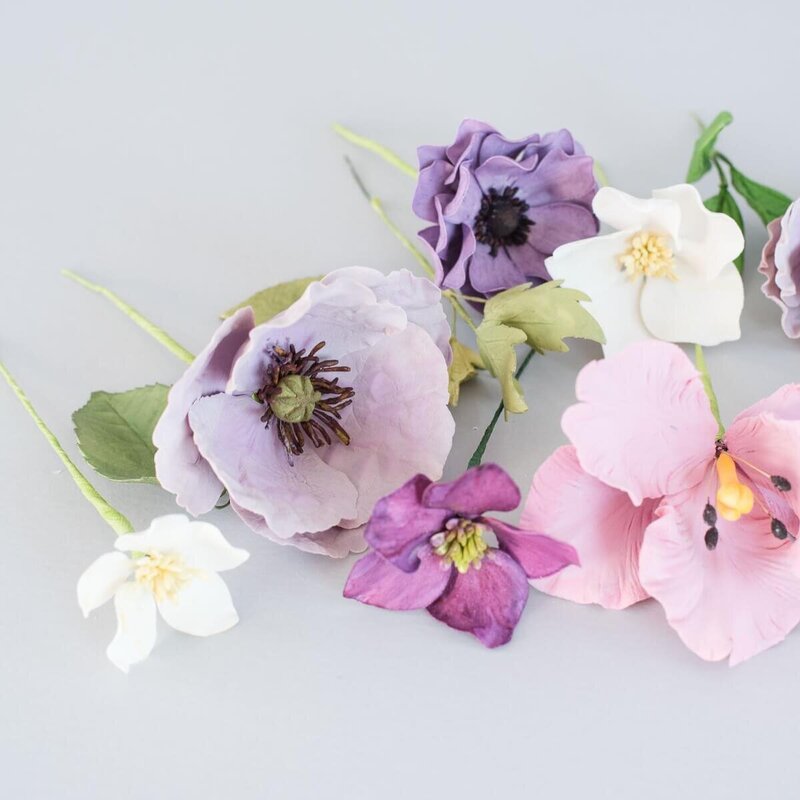
Credit: kelsiecakes.com
Preparing Flowers For Freezing
Preparing flowers for freezing requires careful steps to keep their beauty intact. Proper preparation helps preserve color and shape during freezing. Each stage matters to make sure flowers last longer and look fresh when thawed.
Selecting Fresh Blooms
Choose flowers that are healthy and vibrant. Avoid blooms with brown spots or wilting petals. Pick flowers just before they fully open for best results. Freshness at the start makes freezing more effective.
Cleaning And Trimming
Gently wash the flowers under cool water to remove dirt and bugs. Shake off excess water carefully. Trim the stems to the desired length with sharp scissors. Remove extra leaves that might freeze poorly or cause damage.
Choosing The Right Freezing Method
Decide on a freezing technique that suits the flower type. Options include flash freezing, freezing in ice, or using silica gel. Each method protects the flower differently to avoid ice crystals and color loss.
Freezing Techniques
Freezing flowers can be a fantastic way to preserve their beauty and extend their lifespan. However, the technique you choose can dramatically affect the flower’s texture, color, and overall appearance once thawed. Understanding different freezing techniques helps you pick the best method for your specific flowers and desired results.
Air Drying Vs Freezing
Air drying is a classic method where flowers are hung upside down in a dry, dark place until all moisture evaporates. It’s simple and requires no special equipment, but the flowers often become brittle and lose some vibrant colors.
Freezing, on the other hand, locks in moisture and color better, keeping flowers closer to their fresh state. Have you noticed how frozen flowers maintain their shape better than dried ones? This makes freezing a top choice if you want to keep a natural look.
Using Silica Gel
Silica gel is a drying agent often used to preserve flowers by absorbing moisture gently. Placing flowers in silica gel before freezing can protect delicate petals from freezer burn and ice crystals.
This method requires burying the flowers fully in silica gel crystals inside an airtight container before putting them in the freezer. It’s a great way to retain intricate details and vibrant colors without the flower becoming too fragile.
Flash Freezing With Liquid Nitrogen
Flash freezing with liquid nitrogen is a quick freeze method that prevents large ice crystals from forming inside the flower cells. This technique preserves the flower’s cellular structure and keeps petals looking fresh and lively.
While liquid nitrogen freezing is more advanced and requires special handling, it’s incredibly effective for professional florists or anyone wanting near-perfect preservation. Would you consider trying this method if you want the best results?
Freezing In Water Or Glycerin
Freezing flowers in water or glycerin helps maintain their shape and prevents dehydration during freezing. You can submerge the flowers in water or a glycerin solution in a sealed container and then freeze it.
This method creates a protective ice or gel layer around the flower, reducing damage from ice crystals and freezer burn. It’s a practical option if you want to keep flowers looking plump and fresh after thawing.
Storage Tips For Frozen Flowers
Proper storage is key to keeping frozen flowers fresh and beautiful. Follow these tips to protect your blooms during freezing. Careful handling helps maintain their color, shape, and scent. Good storage prevents damage and extends their life.
Packaging Options
Choose airtight containers or freezer bags to package flowers. Wrap delicate petals in tissue paper to avoid crushing. Remove excess air to reduce moisture buildup. Use rigid boxes for extra protection during storage and transport.
Temperature Control
Keep the freezer at a steady temperature, ideally below 0°F (-18°C). Avoid frequent opening of the freezer door to prevent temperature changes. Store flowers away from strong-smelling foods to keep their scent pure. Consistent cold preserves flower quality longer.
Avoiding Freezer Burn
Freezer burn dries out flowers and causes discoloration. Seal packaging tightly to limit air exposure. Use moisture-absorbing packets inside containers to reduce frost. Check flowers regularly and use them before signs of damage appear.
Thawing And Using Frozen Flowers
Thawing frozen flowers requires gentle care to keep their beauty intact. Proper thawing helps preserve the texture, color, and shape of the blooms. Using frozen flowers creatively can add a unique touch to your decor or crafts.
Safe Thawing Methods
Thaw flowers slowly at room temperature. Avoid hot water or direct sunlight. Place flowers in a cool, dry area to melt ice crystals naturally. Pat the petals lightly with a soft cloth to remove excess moisture. Keep flowers upright to prevent damage during thawing.
Maintaining Flower Integrity
Handle flowers with clean, dry hands to avoid bruising. Support stems gently to keep them firm. Avoid squeezing or bending petals. Use a spray bottle to mist flowers lightly if they look dry. Keep thawed flowers away from drafts and heat sources.
Creative Uses For Frozen Flowers
- Decorate cakes or desserts with thawed edible flowers.
- Create unique floral arrangements for tables or gifts.
- Press thawed flowers for art or crafts projects.
- Use petals in homemade potpourri or bath salts.
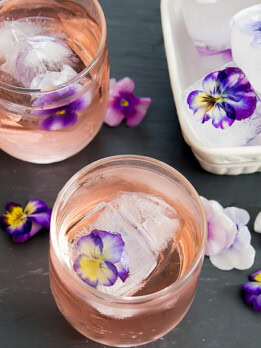
- Add flowers to ice cubes for special drinks or events.
Common Challenges And Solutions
Freezing flowers can be a fantastic way to preserve their beauty, but it comes with its own set of challenges. Understanding these common issues helps you keep your blooms looking fresh and vibrant even after freezing. Let’s look at some practical ways to tackle these problems.
Preventing Color Fading
One of the biggest frustrations with frozen flowers is color fading. Freezing can dull the vibrant hues you loved in fresh flowers.
To keep colors bright, try adding a small amount of sugar or glycerin to the water before freezing. These act as natural preservatives and help maintain pigment. Also, freeze flowers quickly to avoid ice crystals forming, which can damage petals and wash out color.
Have you noticed how some flowers hold their color better than others? Experiment with different types to see which freeze best in your conditions.
Handling Fragile Petals
Delicate petals are prone to tearing and bruising during freezing and thawing. Handling them gently is key.
Wrap fragile flowers in soft tissue paper or place them in airtight containers to avoid direct contact with ice. Avoid overcrowding, so petals don’t get crushed. When thawing, let them warm up slowly in the fridge rather than at room temperature to reduce shock.
Think about how you handle fresh flowers in your daily life and apply that same gentle touch during freezing.
Extending Shelf Life
Freezing extends the life of flowers but only if done correctly. Improper freezing can cause early deterioration.
Use airtight bags or vacuum sealers to keep moisture and air out, which cause decay. Label your packages with dates to track storage time and use frozen flowers within a few months for best results. Also, avoid refreezing thawed flowers as this weakens their structure.
Have you tried freezing flowers for special occasions? Planning ahead can keep your blooms fresh exactly when you need them.
Credit: kirbiecravings.com
Frequently Asked Questions
Can You Freeze Fresh Flowers For Later Use?
Yes, you can freeze fresh flowers to preserve them. Freezing slows down decay and maintains color and shape. Use a freezer-safe container and dry the flowers first to avoid damage.
How Do You Properly Freeze Flowers At Home?
To freeze flowers, dry them gently and place in an airtight container. Store the container in the freezer at a consistent temperature. Avoid moisture to prevent ice crystals forming on petals.
Will Freezing Flowers Affect Their Appearance?
Freezing flowers may slightly change their texture but generally preserves color. Proper freezing prevents wilting and browning. Handle flowers carefully after thawing to maintain their shape and freshness.
Can All Types Of Flowers Be Frozen?
Not all flowers freeze well. Hardy flowers like roses and carnations freeze better. Delicate flowers may lose shape or color. Test small batches to see which flowers freeze successfully.
Conclusion
Freezing flowers can help preserve their beauty for longer. It works best with certain types like edible or hardy flowers. Avoid freezing delicate blooms that may lose texture or color. Always prepare flowers properly before freezing to keep them fresh.
Try small batches first to see what suits your needs. This method offers a simple way to enjoy flowers beyond their season. Experiment and enjoy flowers anytime you want.