Have you ever found yourself with a surplus of fresh bok choy and wondered if you could preserve its crispness and nutrients for later use? You’re not alone.
Freezing fresh bok choy could be the perfect solution to extend its shelf life and ensure you always have this nutritious green on hand. Imagine saving time, reducing waste, and still enjoying the vibrant flavor of bok choy in your meals.
In this guide, we’ll explore whether you can freeze fresh bok choy, how to do it properly, and the benefits it brings to your kitchen routine. Dive in to discover how you can make the most of your bok choy, even when you’re short on time!

Credit: mycuratedtastes.com
Bok Choy Basics
Bok choy is a popular leafy green vegetable used in many dishes worldwide. It belongs to the cabbage family and has crisp white stalks with dark green leaves. This vegetable has a mild, slightly sweet flavor that complements various recipes. Understanding bok choy basics helps in choosing and using it properly.
Types Of Bok Choy
- Baby Bok Choy:Smaller size, tender leaves, and sweet taste.
- Shanghai Bok Choy:Light green stalks, softer texture, and milder flavor.
- Regular Bok Choy:Larger size, crunchy stalks, and stronger flavor.
Nutritional Benefits
Bok choy is rich in vitamins and minerals. It contains high levels of vitamin A, C, and K. It is also a good source of calcium and potassium. This vegetable supports bone health and boosts the immune system. Low in calories, bok choy fits well in healthy diets. Its antioxidants help protect the body from damage.
Why Freeze Bok Choy
Freezing bok choy helps keep it fresh for longer times. It stops the vegetable from spoiling quickly. This way, you can enjoy bok choy even after days or weeks. Freezing also saves money by reducing waste. It lets you store excess bok choy after shopping or harvesting. You get the chance to use it later in many dishes.
Extending Shelf Life
Bok choy usually stays fresh only for a few days. Freezing slows down decay and mold growth. It keeps the vegetable crisp and firm longer. You can freeze bok choy for several months without major quality loss. This is perfect for busy people who want ready-to-use veggies. It also helps during seasons when fresh bok choy is hard to find.
Maintaining Nutrient Quality
Bok choy is rich in vitamins and minerals. Freezing locks in these nutrients quickly after harvest. This prevents vitamin loss that happens during long storage. Frozen bok choy still offers many health benefits. It keeps antioxidants and fiber intact. Using frozen bok choy in meals adds good nutrition easily.
Preparation Steps
Freezing fresh bok choy keeps it fresh for longer. Proper preparation is key. It helps preserve taste, texture, and nutrients. Follow these steps carefully to prepare bok choy for freezing.
Cleaning And Trimming
Start by rinsing bok choy under cold water. Remove any dirt or sand between the leaves. Cut off the root end to separate the stalks. Trim away any yellow or damaged leaves. Chop the bok choy into bite-sized pieces. This makes it easier to use after freezing.
Blanching Process
Blanching stops enzyme activity that causes spoilage. Boil a large pot of water. Prepare a bowl of ice water nearby. Place bok choy pieces in boiling water for 1 to 2 minutes. Quickly transfer them to the ice water to cool. Drain well and pat dry. This step helps keep bok choy crisp and vibrant after freezing.
Freezing Techniques
Freezing fresh bok choy can extend its shelf life and keep it ready for your next stir-fry or soup. However, the way you freeze it matters a lot. Using the right freezing techniques helps maintain its crunch, color, and flavor.
Packaging Methods
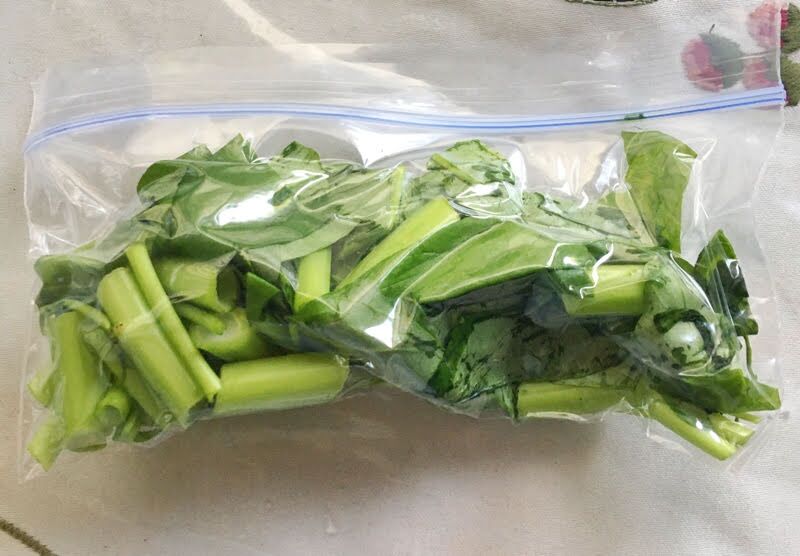
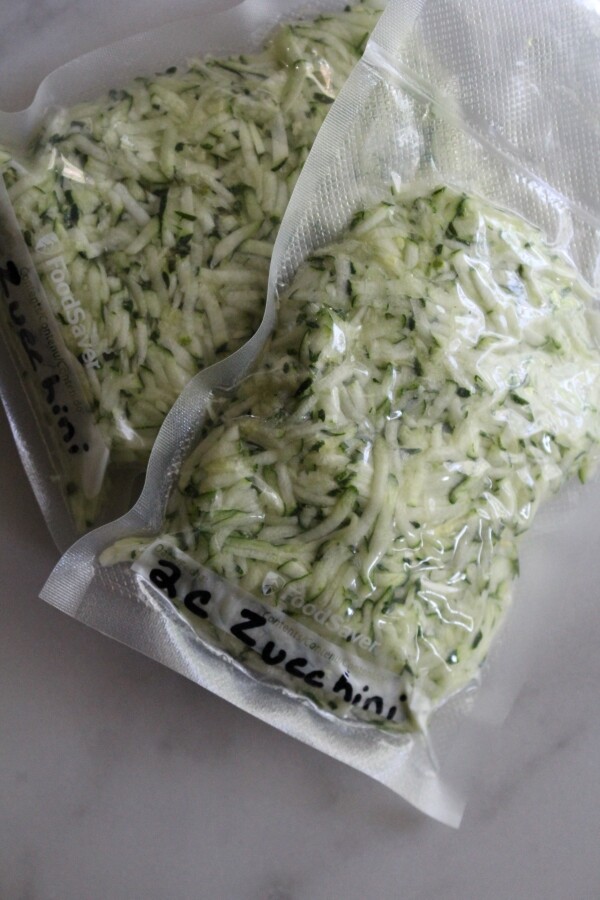
Proper packaging is key to preventing freezer burn and preserving freshness. Use airtight containers or heavy-duty freezer bags to keep moisture out. Remove as much air as possible before sealing to avoid ice crystals forming on your bok choy.
Another tip is to portion your bok choy before freezing. This way, you only thaw what you need, reducing waste. If you blanch bok choy first (which helps preserve texture), make sure to cool it quickly in ice water before packaging.
- Use vacuum-sealed bags for the best airtight protection.
- If you don’t have vacuum sealers, press out air manually in freezer bags.
- Consider wrapping bok choy in plastic wrap before placing it in a bag for extra protection.
Storage Tips
Label your packages with the date so you keep track of freshness. Bok choy is best used within 3 months of freezing for optimal taste. Store it in the coldest part of the freezer to maintain consistent temperature.
Try not to overload your freezer. Crowding can cause uneven freezing, which affects quality. Also, avoid thawing and refreezing bok choy repeatedly as it will lose texture and nutrients.
- Freeze bok choy flat in bags to save space and speed up freezing.
- Keep your freezer at 0°F (-18°C) or lower.
- Use frozen bok choy directly in cooked dishes without thawing to retain its crunch.
Have you ever noticed how some frozen veggies turn mushy? With these packaging and storage tips, you can avoid that disappointment and enjoy bok choy that tastes almost fresh. What’s your favorite dish to toss frozen bok choy into?
Thawing And Using Frozen Bok Choy
Knowing how to properly thaw and use frozen bok choy can make your cooking smoother and more enjoyable. The texture of bok choy changes after freezing, so handling it the right way ensures you still get great flavor and nutrition. Let’s look at safe ways to thaw your frozen bok choy and how to use it effectively in your meals.
Safe Thawing Methods
Thawing frozen bok choy safely preserves its quality and prevents any food safety risks. The best way is to move it from the freezer to the refrigerator and let it thaw slowly overnight. This gentle thaw keeps the leaves from becoming too soggy.
If you’re short on time, you can place the frozen bok choy in a sealed plastic bag and submerge it in cold water. Change the water every 30 minutes until it’s thawed. Avoid thawing at room temperature because it can encourage bacteria growth.
Have you ever noticed how some greens get mushy after thawing? That’s why quick and controlled thawing matters. It helps keep the bok choy’s texture firmer, making your dishes more enjoyable.
Cooking With Frozen Bok Choy
Frozen bok choy works best in cooked dishes rather than fresh salads. After thawing, you can squeeze out extra water to avoid sogginess in your recipes. This step improves the texture, especially in stir-fries and soups.
Try adding frozen bok choy straight into soups or stews without thawing. It wilts nicely and absorbs flavors well. When stir-frying, toss it in near the end to keep some crunch.
Have you tried blending frozen bok choy into smoothies or sauces? Its mild flavor blends well and adds a nutritional boost. Using frozen bok choy creatively can open up new meal ideas you might not have considered before.
Credit: practicalselfreliance.com
Common Mistakes To Avoid
Freezing fresh bok choy can be a great way to extend its shelf life, but many people make avoidable mistakes that affect the texture and flavor. Knowing what to steer clear of helps you keep bok choy fresh and tasty after freezing. Let’s look at some common pitfalls and how to avoid them.
Not Blanching Before Freezing
Skipping the blanching step is a frequent error. Blanching stops enzyme activity that causes spoilage and preserves the bright color and crunch of bok choy. Without blanching, your frozen bok choy may turn mushy and dull when thawed.
Freezing Bok Choy Wet
Freezing bok choy without drying it first leads to ice crystals forming, which damage the leaves. Always pat the bok choy dry with a clean towel after washing and blanching. This simple step keeps the texture firm and fresh.
Using Improper Storage Containers
Storing bok choy in containers that aren’t airtight exposes it to freezer burn. Use vacuum-sealed bags or airtight containers to lock out moisture and air. Clear labeling with the freezing date also helps you keep track of freshness.
Freezing Large, Whole Leaves
Freezing bok choy in big pieces or whole leaves makes it harder to thaw evenly. Chop or separate the leaves before freezing to speed up thawing and improve texture. Have you noticed how quickly smaller pieces thaw compared to whole leaves?
Ignoring Freezer Temperature Consistency
Frequent temperature changes in the freezer cause frost buildup and texture loss. Make sure your freezer stays at a steady 0°F (-18°C) or lower. This consistent cold keeps your bok choy in the best condition for longer storage.
Signs Of Spoiled Bok Choy
Bok choy is a fresh, crunchy vegetable loved in many dishes. Knowing when bok choy spoils helps avoid bad taste and food waste. Fresh bok choy looks crisp and bright. Spoiled bok choy shows clear signs that tell you it is no longer good to eat.
Check bok choy carefully before freezing or cooking. Spotting spoilage early keeps meals safe and tasty. Here are the common signs that bok choy has gone bad.
Discoloration And Dark Spots
Fresh bok choy has vibrant green leaves and white stalks. Leaves turning yellow or brown show spoilage. Dark spots on leaves or stems mean decay. Avoid bok choy with uneven color or black patches.
Soft And Slimy Texture
Firmness indicates freshness in bok choy. Soft or mushy leaves feel limp and weak. Slimy coating on leaves or stems is a bad sign. Texture changes mean the vegetable is starting to rot.
Unpleasant Odor
Fresh bok choy smells mild and fresh. A sour or rotten smell means spoilage. Bad odor comes from bacterial growth. Toss bok choy if the smell is strong or unpleasant.
Wilted Or Shriveled Leaves
Healthy bok choy leaves are crisp and full. Wilted leaves look droopy or dry. Shriveled leaves lose moisture and freshness. Wilt means bok choy is aging and losing quality.
Visible Mold Growth
Mold appears as fuzzy white, gray, or green patches. Mold shows bok choy is spoiled and unsafe. Mold can spread quickly on fresh produce. Always discard bok choy with mold spots.

Credit: mycuratedtastes.com
Frequently Asked Questions
Can You Freeze Fresh Bok Choy Directly?
Yes, you can freeze fresh bok choy but it’s best to blanch it first. Blanching preserves texture and nutrients. Simply boil for 1-2 minutes, cool in ice water, dry, then freeze in airtight bags.
How Long Does Frozen Bok Choy Last?
Frozen bok choy typically lasts 10-12 months in the freezer. For best quality, use it within this time. Always store in airtight containers to prevent freezer burn and maintain freshness.
Does Freezing Affect Bok Choy’s Texture?
Freezing can slightly soften bok choy’s texture. Blanching before freezing helps retain its firmness. It’s still great for cooked dishes like soups, stir-fries, or casseroles after freezing.
Should Bok Choy Be Washed Before Freezing?
Yes, wash bok choy thoroughly before freezing. Remove dirt and grit, then dry completely. Excess moisture can cause ice crystals and degrade quality during freezing.
Conclusion
Freezing fresh bok choy helps keep it longer and reduces waste. Wash and dry it well before freezing to avoid ice crystals. Blanching the leaves first keeps the color and taste better. Frozen bok choy works great in cooked dishes like soups and stir-fries.
It may lose some crunch but keeps its flavor. Store it in airtight bags to prevent freezer burn. Try freezing small portions for easy meal prep. This simple step saves money and keeps your meals fresh. Give freezing bok choy a try to enjoy it anytime.