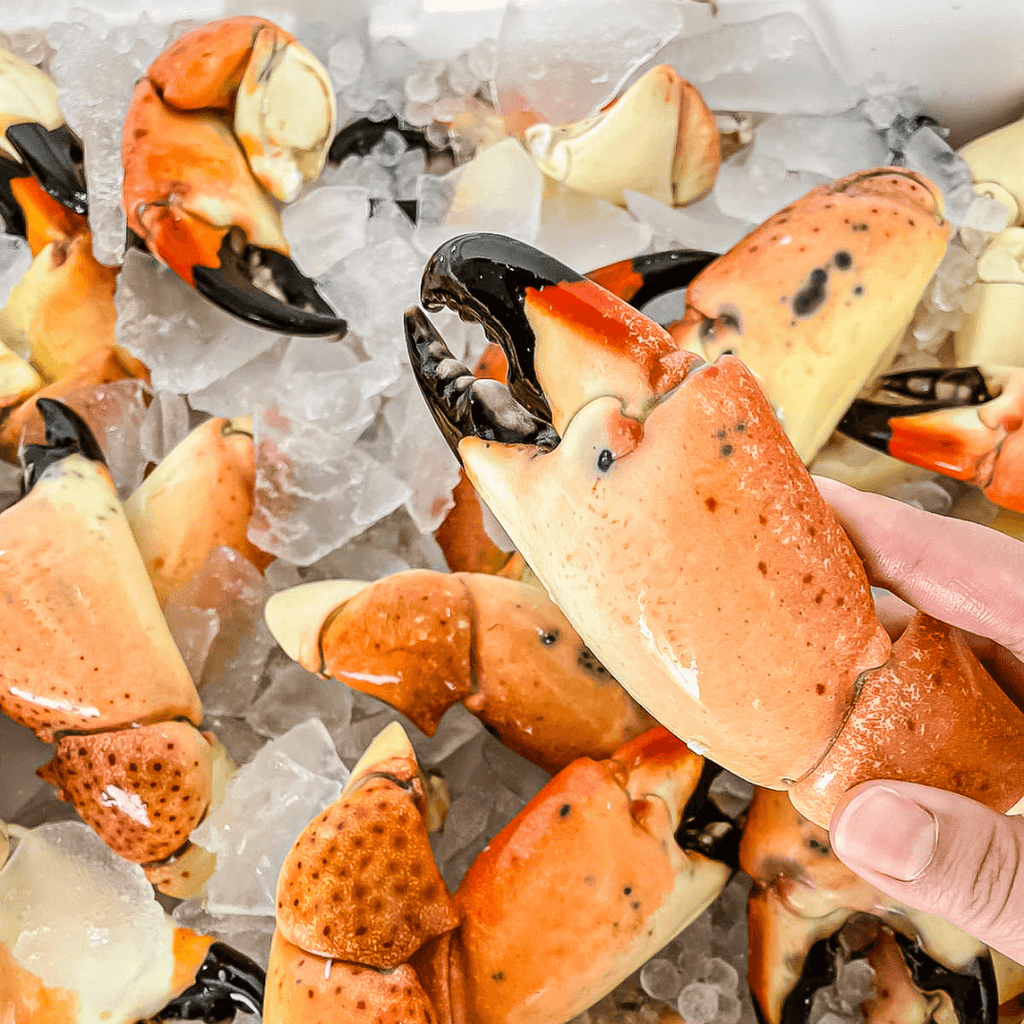
Crab is a seafood delicacy that many of us love to savor. But what if you find yourself with more fresh crab than you can eat?
Can you freeze fresh crab to enjoy later without losing its delicious flavor and texture? You’re not alone in wondering about this. In this guide, we’ll explore whether freezing fresh crab is a good idea and how to do it properly.
Imagine having your favorite crab dish ready to go at any time, without the stress of spoilage. Intrigued? Let’s dive in and find out how you can make the most of your fresh crab supply.
Choosing Fresh Crab
Choosing fresh crab is key to enjoying its sweet, delicate flavor even after freezing. The quality of the crab you pick directly affects how well it freezes and tastes later. Knowing what to look for can save you from disappointment and ensure your meals remain delicious.
Signs Of Freshness
Fresh crab should have a clean, ocean-like smell—never fishy or sour. Look for shells that are bright and moist, not dry or cracked.
Check the crab’s eyes; they should be shiny and clear. When you press the meat, it should feel firm and spring back quickly.
Live crabs are the freshest option. If buying cooked crab, make sure it’s been chilled promptly and stored properly.
Best Crab Varieties For Freezing
Some crab types freeze better than others due to their texture and moisture content.
- Blue Crab:Sweet and tender, blue crabs freeze well if cleaned and cooked properly before freezing.
- Dungeness Crab:Known for its meaty claws, it holds up nicely in the freezer and retains flavor.
- Snow Crab:Its firm meat freezes well, making it a popular choice for long-term storage.
- King Crab:Larger and meatier, king crab freezes beautifully but can be pricey.
Have you noticed a difference in taste between fresh and frozen crab varieties? Choosing the right type can make all the difference for your recipes and freezer meals.

Credit: www.alaskankingcrab.com
Preparing Crab For Freezing
Preparing crab for freezing is an important step to keep its sweet, delicate flavor intact. How you clean, cook, and package the crab will affect its texture and taste after thawing. Taking a little extra care now can save you from disappointing meals later.
Cleaning And Cooking Options
Start by rinsing the crab under cold water to remove sand and debris. Many people prefer to cook the crab before freezing because raw crab meat can become mushy after thawing. Steaming or boiling the crab for about 10-15 minutes until it turns bright orange is a reliable way to lock in flavor and texture.
Alternatively, if you plan to use the crab meat in recipes like crab cakes, you can remove the meat first and freeze it raw. Just make sure to pick out any shell fragments carefully. Have you ever noticed how pre-cooked crab feels firmer and easier to handle when frozen? That’s because cooking firms up the meat, making freezing more effective.
Portioning And Packaging
Portion the crab into meal-sized amounts before freezing. This way, you only thaw what you need, reducing waste. Use airtight containers or heavy-duty freezer bags to keep air out and prevent freezer burn.
- Wrap the crab meat in plastic wrap or parchment paper first.
- Place it inside a freezer bag, squeezing out as much air as possible.
- Label the package with the date and type of crab.
Have you ever forgotten what’s in your freezer because it wasn’t labeled? Proper packaging helps you keep track and maintain quality. Also, freezing crab flat in bags saves space and speeds up freezing, which preserves texture better.
Freezing Methods
Freezing fresh crab is a smart way to extend its shelf life, but the method you choose can impact taste and texture. Knowing the right freezing techniques helps you keep the crab as close to fresh as possible. Let’s look at some practical ways to freeze crab effectively and what works best for your needs.
Using Airtight Containers
Airtight containers are simple and widely available for freezing crab. They prevent air from reaching the crab, which slows down freezer burn and preserves flavor. Before sealing, dry the crab thoroughly and place it in the container without overcrowding to maintain its shape.
Label the container with the date to keep track of freshness. If you want to freeze crab legs or clusters, wrap them in plastic wrap first, then place them in the airtight container for an extra layer of protection.
Vacuum Sealing Benefits
Vacuum sealing removes all the air around the crab, which is a step up from airtight containers. This method dramatically reduces freezer burn and keeps the crab’s texture intact. It’s especially useful if you plan to store crab for several months.
By removing air, vacuum sealing also locks in the crab’s natural juices. Have you noticed how vacuum-sealed seafood tastes fresher even after weeks in the freezer? That’s the effect of this method, making it a favorite for seafood lovers.
Freezing Whole Crab Vs. Meat
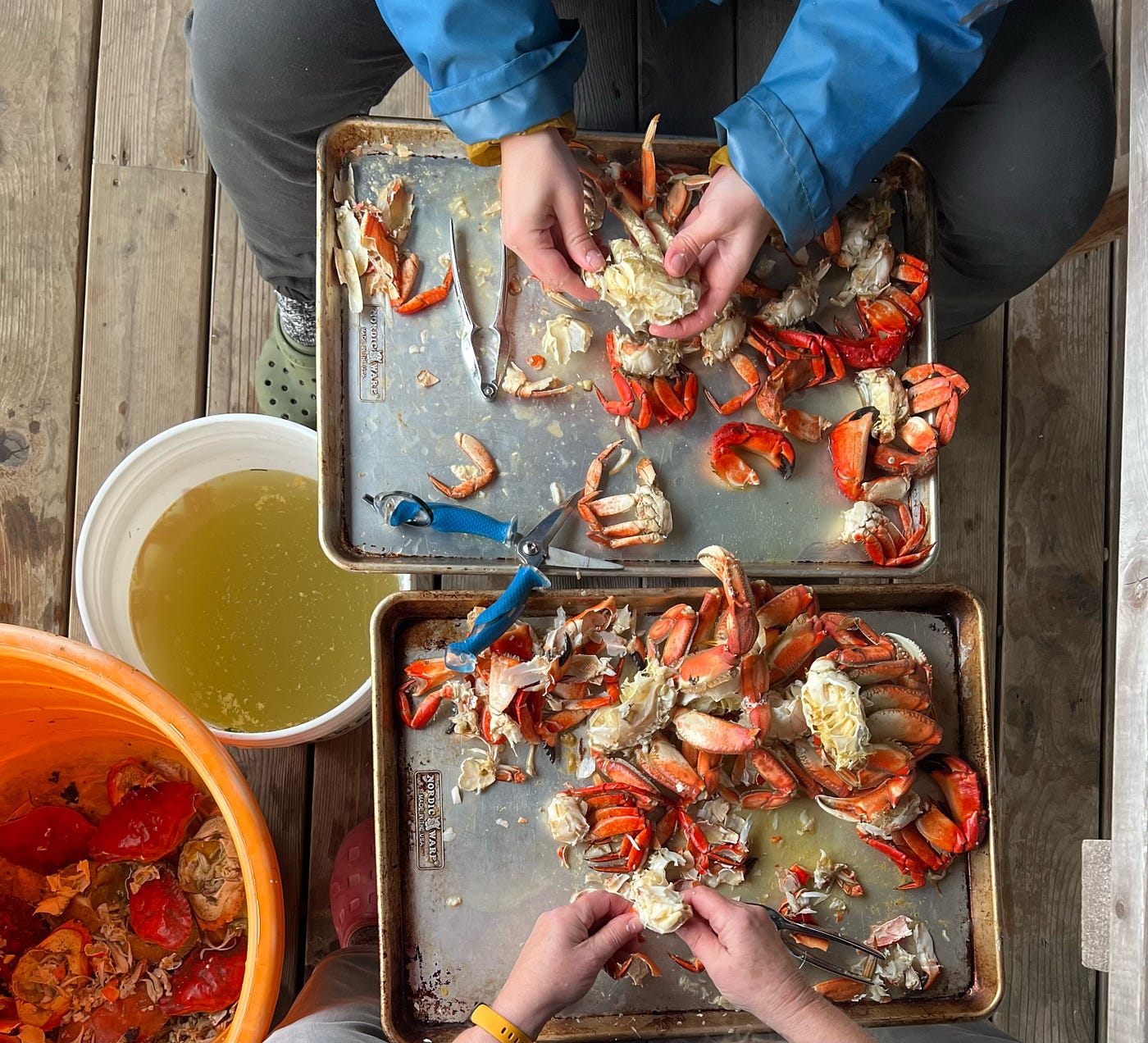
Deciding whether to freeze whole crab or just the meat depends on your future plans. Whole crabs take up more space and need more careful handling to freeze properly, but they retain flavor longer and can be cooked fresh after thawing.
Freezing only the meat saves space and makes it easier to use later. However, crab meat freezes best when packed tightly and sealed well to avoid drying out. Have you tried freezing crab meat in ice cube trays? It’s a neat trick to portion out small amounts for sauces or salads.
Credit: wdfw.medium.com
Storage Duration And Conditions
Proper storage duration and conditions keep fresh crab tasty and safe. Freezing crab slows down bacteria growth and preserves its flavor. Knowing how long and at what temperature to freeze helps maintain quality. Avoid freezer burn and loss of texture with correct storage.
Optimal Freezing Time
Fresh crab stays best in the freezer for up to 3 months. Beyond this, taste and texture may decline. For best results, freeze crab as soon as possible after purchase. Use airtight containers or vacuum-sealed bags to prevent moisture loss.
Ideal Freezer Temperature
Set the freezer temperature at 0°F (-18°C) or lower. This temperature halts bacteria growth and keeps crab fresh. Avoid frequent temperature changes by keeping the freezer door closed. Consistent cold preserves crab’s delicate texture and flavor.
Thawing Fresh Crab
Thawing fresh crab properly is key to enjoying its natural taste and texture. Incorrect thawing can lead to a loss of flavor or a mushy feel. Knowing how to thaw crab safely keeps it fresh and delicious for your meals.
Safe Thawing Techniques
Thaw crab in the refrigerator for best safety. Place the crab in a sealed container or plastic bag. Let it thaw slowly for 12 to 24 hours. This method keeps the crab at a safe temperature.
A quicker option is the cold water bath. Keep crab in a sealed bag. Submerge it in cold water, changing water every 30 minutes. Thawing usually takes 1 to 2 hours this way.
Avoid thawing crab at room temperature. This can cause bacteria to grow. Never use warm water or microwave to thaw fresh crab.
Maintaining Flavor And Texture
Handle crab gently after thawing to keep its texture firm. Avoid washing crab under running water. Pat it dry with paper towels instead.
Cook crab soon after thawing to preserve flavor. Delays can cause crab to lose its sweet taste. Store thawed crab in the refrigerator if not cooking immediately, but use within 24 hours.
Do not refreeze thawed crab. This damages texture and reduces quality. Fresh crab tastes best when cooked fresh or after proper thawing only.

Credit: wdfw.medium.com
Common Mistakes To Avoid
Freezing fresh crab seems straightforward, but many make mistakes that ruin its flavor and texture. Avoiding these common errors ensures your crab stays delicious and safe to eat. Let’s look at key pitfalls that can affect your crab during freezing.
Freezing Raw Vs. Cooked Crab
Choosing whether to freeze raw or cooked crab is crucial. Freezing raw crab can preserve freshness, but it requires quick freezing and proper handling to prevent bacteria growth.
Cooked crab freezes well and is more convenient to reheat later. However, freezing cooked crab too long can dry out the meat and make it rubbery. Have you tried freezing raw crab only to find it mushy after thawing? That’s often because it wasn’t cooked first.
Think about how you plan to use the crab after thawing. If you want ready-to-eat crab, cook it before freezing. If you prefer cooking it fresh, freeze raw but handle it carefully to avoid spoilage.
Improper Packaging Effects
Poor packaging is a common reason frozen crab loses quality. Air exposure causes freezer burn, which dries out the meat and dulls the flavor. Have you ever found your frozen crab tasting bland and tough? That’s likely from freezer burn.
Use airtight containers or vacuum-sealed bags to protect crab from air and moisture. Wrap the crab tightly in plastic wrap before sealing to add an extra barrier. Label your packages with the freezing date to keep track of freshness.
Also, avoid refreezing thawed crab—it accelerates texture loss. Proper packaging keeps your crab tasting fresh and maintains its texture, so take the time to seal it well before freezing.
Frequently Asked Questions
Can You Freeze Fresh Crab Safely?
Yes, you can freeze fresh crab safely. Clean and cook the crab first. Then, store it in an airtight container or vacuum-sealed bag. Freeze at 0°F (-18°C) to maintain quality and prevent spoilage. Consume within 3 months for best taste and texture.
How Long Can Fresh Crab Stay Frozen?
Fresh crab can stay frozen for up to 3 months. Beyond this, the quality and flavor may deteriorate. Always store crab at 0°F (-18°C) or below. Proper packaging prevents freezer burn and maintains freshness during freezing.
Should You Cook Crab Before Freezing?
Cooking crab before freezing is recommended. Cooked crab freezes better and retains texture and flavor. Raw crab can be frozen, but cooking first reduces bacteria risk. Reheat cooked crab gently to avoid overcooking after thawing.
How To Thaw Frozen Fresh Crab?
Thaw frozen crab in the refrigerator overnight. Avoid thawing at room temperature to prevent bacteria growth. For quicker thawing, place crab in a sealed bag and submerge in cold water. Cook immediately after thawing for best quality.
Conclusion
Freezing fresh crab keeps it safe and tasty for later. Wrap it tightly to avoid freezer burn. Use it within three months for best flavor. Thaw crab slowly in the fridge for best results. Do not refreeze crab once thawed.
Enjoy your crab in soups, salads, or pasta dishes. Freezing helps reduce waste and saves money. Try it and enjoy crab any time you want. Simple steps make freezing crab easy and effective.