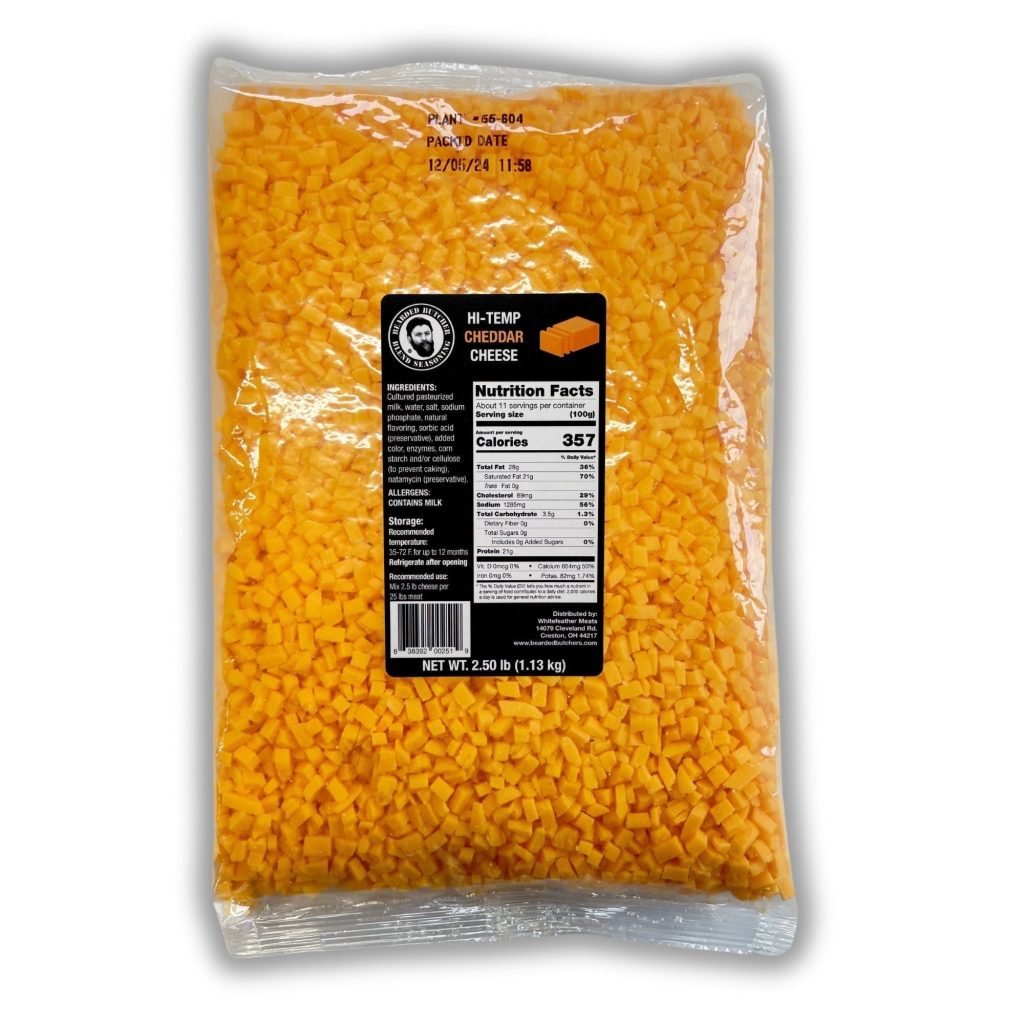
Have you ever found yourself with extra high temp cheese and wondered if you can freeze it? You’re not alone.
Many cheese enthusiasts face this dilemma, especially after a big purchase or a cooking spree. Understanding how to store high temp cheese properly can save you money and reduce waste. But is freezing really a good option? In this blog post, we’ll delve into the ins and outs of freezing high temp cheese, so you can make the best decision for your kitchen.
Stick around to discover the surprising truth about preserving your favorite cheesy delights.
Freezing High Temp Cheese
Freezing high temp cheese can be a practical way to extend its shelf life, but it’s not always straightforward. High temp cheeses, often designed to withstand heat without melting completely, have unique properties that affect how well they freeze. Understanding which types freeze well and what changes to expect will help you make the best choice for your kitchen.
Types Suitable For Freezing
Some high temp cheeses freeze better than others. Cheeses like halloumi and paneer, known for holding their shape under heat, usually freeze well. Their firm texture means they don’t break down easily when thawed.
- Halloumi:Maintains texture and flavor after freezing, ideal for grilling later.
- Paneer:Freezes without significant changes, perfect for curries after thawing.
- Queso fresco:Can be frozen but may become crumbly; still usable in cooked dishes.
Have you ever tried freezing these cheeses and noticed how they behave? Your experience might guide what to keep in your freezer.
Cheeses To Avoid
Not all high temp cheeses are freezer-friendly. Soft, creamy varieties like ricotta or mascarpone lose their texture and become watery when thawed. These cheeses have high moisture content, which causes ice crystals to form and damage their structure.
- Ricotta:Becomes grainy and watery after freezing.
- Mascarpone:Loses creaminess and separates once thawed.
- Fresh mozzarella:Often turns rubbery and less flavorful.
Would you rather use these cheeses fresh or experiment with freezing small amounts to see if they still work for your recipes?
Effects On Texture And Flavor
Freezing can change both texture and flavor of high temp cheeses, even those that freeze well. Texture might become crumbly or slightly grainy, especially if frozen for too long.
Flavor can mellow out, losing some of the sharpness or saltiness you expect. This means frozen cheese might be better suited for cooking rather than eating fresh.
Try freezing a small piece first to test how your favorite cheese holds up. This saves you from wasting a whole block if it doesn’t meet your taste or texture standards.

Credit: beardedbutchers.com
Preparation Before Freezing
Freezing high temp cheese requires careful preparation to keep its flavor and texture intact. Proper steps before freezing help avoid freezer burn and preserve quality. Follow these tips to prepare cheese correctly.
Proper Wrapping Techniques
Wrap cheese tightly to prevent air exposure. Use plastic wrap or wax paper first. Then, cover with aluminum foil or place in an airtight freezer bag. Remove as much air as possible. This prevents moisture loss and freezer odors.
Portioning For Convenience
Cut cheese into small, usable pieces before freezing. Freeze in portions you will use at one time. This avoids thawing and refreezing, which damages cheese. Small pieces freeze faster and thaw evenly.
Labeling And Storage Tips
Label each package with the cheese type and freezing date. Use a permanent marker on the wrapper or bag. Store cheese in the coldest part of the freezer. Use it within 2 to 3 months for best taste and texture.
Freezing Process And Duration
Freezing high temperature cheese requires care to keep its texture and flavor intact. The freezing process slows bacterial growth and preserves the cheese for future use. Proper storage duration ensures the cheese remains safe and tasty.
Preparing the cheese well before freezing helps maintain quality. Wrap it tightly in plastic wrap or foil to prevent freezer burn. Place the wrapped cheese in an airtight container or freezer bag for extra protection. Label the package with the date to track storage time.
Optimal Freezer Settings
Set the freezer temperature to 0°F (-18°C) or below. This keeps the cheese frozen solid and safe. Avoid fluctuating temperatures as they cause ice crystals and texture changes. A stable cold environment preserves the cheese’s flavor and structure better.
Recommended Storage Times
- Hard cheeses can last up to 6 months in the freezer.
- Semi-hard cheeses are best used within 3 months.
- Soft cheeses usually do not freeze well and should be consumed fresh.
Using cheese within these time frames ensures good taste and safety. Longer storage may cause dryness or crumbly texture.
Signs Of Frozen Cheese Spoilage
- Visible mold that wasn’t there before freezing.
- Unpleasant sour or off smell after thawing.
- Discoloration or dark spots on the cheese surface.
- Excessive dryness or crumbly texture.
Discard cheese showing these signs to avoid foodborne illness. Always check frozen cheese carefully before use.

Credit: beardedbutchers.com
Thawing And Using Frozen Cheese
Thawing and using frozen high temp cheese requires care to keep its taste and texture. Proper thawing ensures cheese does not become too watery or crumbly. Using the right methods helps maintain the cheese’s quality for cooking or eating.
Best Thawing Methods
Thaw cheese slowly in the refrigerator. Keep it wrapped to avoid moisture loss. This may take 12 to 24 hours. Avoid thawing at room temperature to prevent bacteria growth.
You can also thaw cheese in cold water. Keep cheese sealed in a waterproof bag. Change water every 30 minutes. This method is faster but requires more attention.
Restoring Texture And Flavor
After thawing, cheese may feel dry or crumbly. Wrap it in a damp cloth for a few hours to add moisture. Use cheese soon to enjoy better flavor.
Grate or crumble cheese if texture is too changed. This helps spread its flavor evenly in dishes. Avoid freezing cheese multiple times to keep taste intact.
Cooking With Thawed Cheese
Thawed high temp cheese works well in cooked recipes. Melt it for sauces, casseroles, or pizzas. It may not be ideal for fresh salads or sandwiches.
Use thawed cheese quickly to prevent spoilage. Cooked dishes mask slight texture changes. This keeps meals tasty and enjoyable.
Expert Tips To Preserve Flavor
Preserving the flavor of high temp cheese during freezing requires care. Follow expert tips to keep its taste fresh and texture intact. Proper handling before freezing makes a big difference in quality after thawing.
Avoiding Moisture Loss
Moisture loss changes the texture and flavor of cheese. Wrap the cheese tightly with plastic wrap or aluminum foil. Place it in an airtight freezer bag to block air and moisture. Remove as much air as possible to prevent freezer burn. Freeze cheese in small portions to thaw only what you need.
Combining With Other Ingredients
Freezing cheese with other ingredients can protect its flavor. Mix cheese with a bit of cream or butter to keep it creamy. Use cheese in cooked dishes before freezing, like casseroles or sauces. This method locks in flavor and prevents dryness.
Alternative Preservation Methods
Freezing is not the only way to preserve cheese. Store high temp cheese in a cool, dry place wrapped in wax paper. Vacuum sealing extends freshness without freezing. Refrigerate cheese in a cheese paper or special container to maintain humidity. These methods keep flavor and texture better for short-term use.

Credit: www.amazon.com
Frequently Asked Questions
Can High Temp Cheese Be Frozen Without Losing Quality?
Yes, you can freeze high temp cheese, but texture may change. Freezing is best for cooking purposes, not fresh eating.
How To Freeze High Temp Cheese Properly?
Wrap cheese tightly in plastic wrap, then place in an airtight container. Freeze quickly to maintain flavor and texture.
Does Freezing Affect The Taste Of High Temp Cheese?
Freezing can slightly alter the taste, making it less sharp. However, it remains suitable for recipes and cooked dishes.
How Long Can High Temp Cheese Stay Frozen?
High temp cheese can be frozen for up to 3 months. After that, quality and flavor may start to decline.
Conclusion
Freezing high temp cheese can work but with care. Texture may change, becoming crumbly or less creamy. Wrap cheese tightly to avoid freezer burn and odors. Thaw it slowly in the fridge for best results. Use frozen cheese mainly for cooking, not for fresh eating.
Keep portions small to freeze only what you need. This way, you reduce waste and enjoy your cheese longer. Remember, not all cheeses freeze well, so choose wisely. Simple steps help keep your high temp cheese tasty and fresh.