
Are you battling a stubborn lice infestation and wondering if freezing them is the secret weapon you’ve been searching for? You’re not alone.
Many people find themselves asking this very question in the quest for a lice-free life. It’s frustrating, isn’t it? The constant itching, the endless treatments, and the worry of spreading it to loved ones. You just want a solution that works, and you want it now.
But can you really freeze lice and nits to death? We’ll delve into the science behind freezing as a method for killing these pesky parasites and whether it holds up as an effective remedy. Stick around, because understanding this could be the game-changer you’ve been hoping for in your fight against lice.
Lice And Nits Basics
Understanding lice and nits is key before figuring out if freezing them can actually kill them. These tiny pests have adapted well to survive on human heads, making treatment tricky. Knowing how they live and how their eggs survive can help you decide the best way to get rid of them.
Life Cycle Of Lice
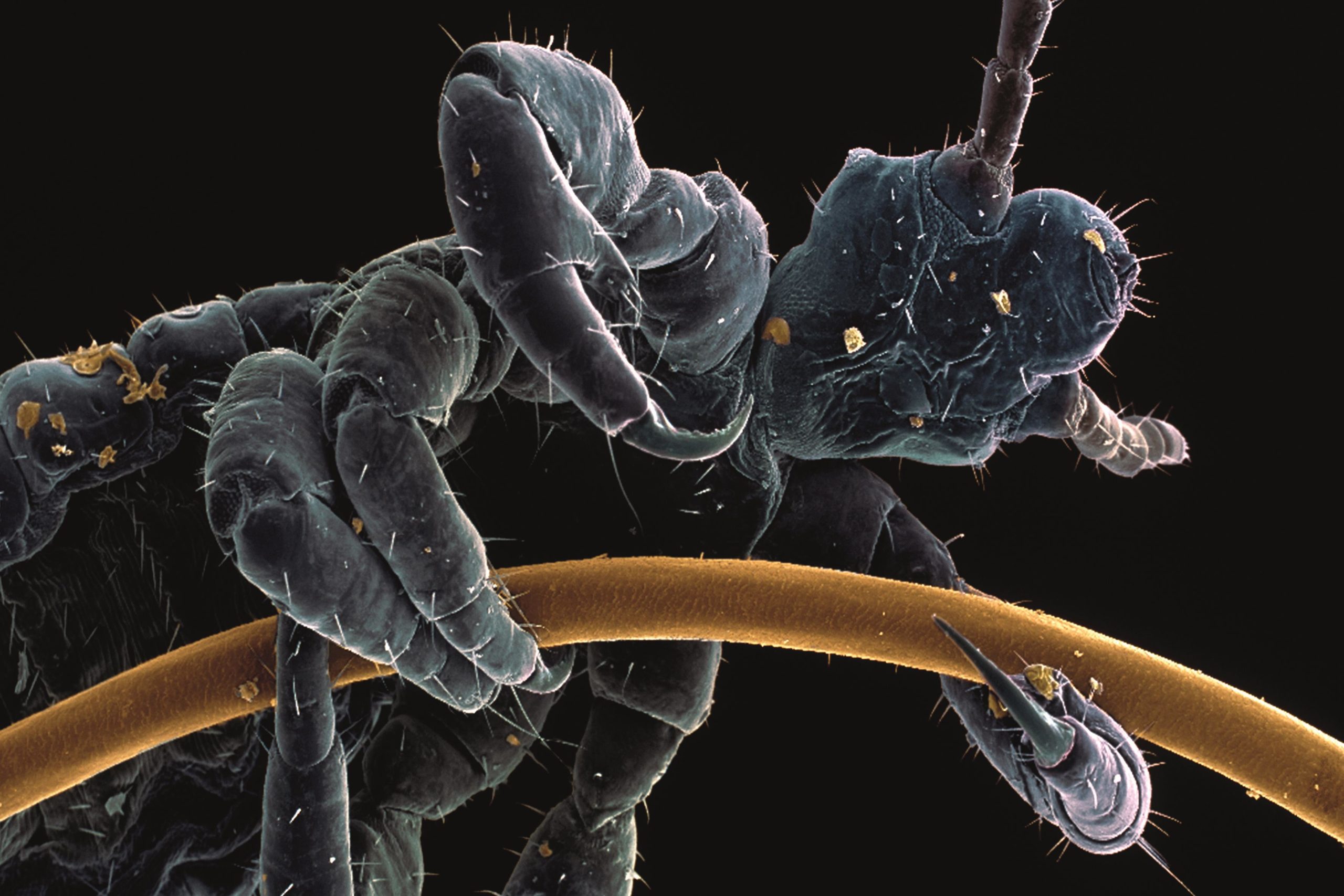
Lice go through three main stages: the egg (nit), the nymph, and the adult. The eggs are glued to hair shafts close to the scalp, where they stay warm until they hatch in about 7 to 10 days.
Once hatched, nymphs look like small adults but aren’t able to reproduce yet. They mature in roughly 7 days. Adults live for about 30 days and can lay up to 10 eggs each day.
This quick cycle means lice populations can grow fast if not treated effectively. Have you noticed how fast lice can come back after some treatments? That’s because the eggs are tough to kill.
How Nits Survive
Nits survive by sticking tightly to hair with a strong glue-like substance. This makes them hard to remove or kill by simply washing or combing.
They also need warmth and humidity from the scalp to develop properly. When removed from the scalp, nits can survive for up to a week if conditions are right.
Freezing might seem like a good idea to kill them off, but nits are more resilient than you’d think. They can survive low temperatures for some time, so freezing alone often isn’t enough to kill them all.
Freezing As A Method
Freezing lice and nits as a way to get rid of them might sound like a simple solution. After all, cold can stop many living things from surviving. But does freezing really kill lice and their eggs, or is it just a myth? Let’s look closer at how freezing affects these tiny pests.
Temperature Requirements To Kill Lice
Lice are tough little creatures, but they are sensitive to extreme temperatures. To effectively kill lice, temperatures must drop below -20°C (-4°F) and stay that cold for several hours. Most household freezers reach around -18°C (0°F), which might not be cold enough or consistent enough to guarantee their death.
Even if you put an item like a hat or pillowcase in the freezer, it needs to stay there for at least 12 hours to have a chance of killing lice. Short freezing times or warmer freezer settings often allow lice to survive. Have you ever tried freezing something to get rid of pests only to find them still around? It’s frustrating but shows that precise conditions are crucial.
Effect Of Freezing On Nits
Nits, or lice eggs, are even harder to kill than adult lice. Their shells protect the developing lice inside from many dangers, including cold. Freezing may slow down the growth inside the eggs but rarely kills them outright.
This means that even if freezing kills adult lice on a comb or clothing, the nits can hatch later and cause the problem to come back. You might notice that freezing alone doesn’t stop the lice from returning because the eggs survive. To fully control lice, you need to combine freezing with other treatments that remove or kill nits.
Scientific Studies On Freezing
Freezing lice and their eggs, or nits, is a common question for those seeking quick and chemical-free treatment options. But does the science back up the idea that cold temperatures can kill these tiny pests? Let’s take a closer look at what scientific studies reveal about freezing lice and nits.
Laboratory Findings
In controlled lab settings, freezing has shown some promise in killing lice. Studies indicate that exposing lice to temperatures below -20°C (-4°F) for several hours can be lethal to both adult lice and nits.
However, the timing is crucial. Short exposure to cold may only stun the lice temporarily without killing them. Nits, in particular, are more resistant due to their protective shells.
Scientists have tested freezing lice on hair samples and found that complete eradication requires maintaining low temperatures for at least 8-12 hours. Anything less often results in survival or hatching after thawing.
Real-world Applications
Applying freezing methods in everyday life is trickier than lab results suggest. Your home freezer might not reach or sustain the required temperatures evenly, especially in thicker hair or bundled clothing.
Many people try freezing combs, hats, or hairbrushes to kill lice. This works better because these items can be exposed directly to cold air for long periods. Still, freezing hair on your head isn’t practical or safe for extended durations.
Have you ever wondered why freezing lice shampoos or sprays aren’t common? It’s because temperature alone isn’t reliable for treatment. Combining physical removal with proven treatments offers better results.
- Freezing items like hats and bedding for 24-48 hours can help reduce lice spread.
- Freezing hair directly is not a guaranteed lice killer due to uneven cooling and short exposure.
- Using freezing alongside combing and topical treatments is the best strategy.

Credit: atmwigs.com
Common Myths About Freezing Lice
Many people believe that freezing lice and nits can effectively kill them. This idea has spread widely, often leading to attempts at freezing personal items like hats or pillows to get rid of these pests. But is freezing lice really a reliable way to handle an infestation? Let’s look closer at some common myths about freezing lice and what the facts say.
Misconceptions And Facts
A common misconception is that placing items in the freezer will kill lice and their eggs instantly. In reality, lice can survive freezing temperatures for a short time because they have adapted to withstand harsh environments. Nits, or lice eggs, are even tougher and can remain viable despite cold conditions.
Scientific studies show that freezing needs to be extremely cold and last for several days to have any effect. Even then, it’s not guaranteed to eliminate all lice or nits. This makes freezing an unreliable method compared to proven treatments like medicated shampoos or combing.
Why Myths Persist
Why do these myths stick around despite evidence? One reason is that freezing seems like a simple, chemical-free solution. People want quick fixes that don’t involve harsh treatments, so freezing appears appealing.
Also, the idea of “killing bugs by freezing” works for some insects, so it’s easy to assume it applies to lice too. Have you ever tried freezing a jacket or stuffed toy, hoping to solve a lice problem? Many do, only to find the infestation persists.
Understanding why these myths exist helps you avoid wasting time and effort on ineffective methods. Instead, focus on approaches proven to work, protecting your time and peace of mind.
Alternative Lice Treatments
Dealing with lice can be frustrating, especially when you’re unsure about the best way to get rid of them. Beyond freezing lice and nits, there are several alternative treatments that can help you tackle the problem effectively. These options range from chemical solutions to natural remedies, plus preventive steps you can take to keep lice away for good.
Chemical Treatments
Chemical treatments are often the go-to choice for many because they promise quick results. Products containing permethrin or pyrethrin are common and widely available in pharmacies. However, you should be aware that lice can develop resistance, making some treatments less effective over time.
Always follow the instructions carefully, and don’t use chemical treatments more than recommended. If the first treatment doesn’t work, consult a healthcare professional before trying another product. Have you ever tried a lice shampoo only to find the lice returning? This resistance issue might be why.
Natural Remedies
Natural remedies appeal to those who prefer to avoid harsh chemicals, especially for children. Essential oils like tea tree, lavender, and eucalyptus have insect-repelling properties. Applying these oils mixed with carrier oils can help suffocate lice and may disrupt their life cycle.
Some people also use wet combing with conditioner to physically remove lice and nits. This method requires patience but can be very effective when done consistently every few days. Would you consider spending more time on prevention rather than relying solely on treatments?
Preventive Measures
Stopping lice before they start is often easier than treating an infestation. Simple habits like avoiding head-to-head contact and not sharing hats or combs can reduce your risk. Regularly washing bedding and cleaning hair accessories also helps eliminate any lice or nits that might be lingering.
Educate your family and children about lice transmission to encourage vigilance. Prevention isn’t just about cleaning—it’s about being aware of your environment and habits. How proactive are you in teaching your kids about avoiding lice?
Credit: pharmaceutical-journal.com
Practical Tips For Handling Infested Items
Dealing with lice and nits can feel overwhelming, especially when you’re worried about contaminated items. Handling these objects carefully is essential to stop the spread and get rid of the problem. Here are practical tips to help you manage infested belongings effectively and safely.
Washing And Drying Clothes
Clothes, hats, and scarves that have come into contact with lice need thorough cleaning. Use hot water—ideally above 130°F (54°C)—to wash these items. The heat helps kill both lice and their eggs.
After washing, dry the clothes on the highest heat setting allowed for the fabric. High heat in the dryer is one of the most reliable ways to eliminate lice and nits. If you don’t have access to a dryer, hanging items in direct sunlight for several hours can also reduce lice survival.
Think about the last time you didn’t wash a hat or jacket after an outbreak—did you notice the problem lingering? This shows how critical proper washing and drying are to break the cycle.
Safe Storage Methods
Some items can’t be washed or dried easily, such as stuffed animals, pillows, or delicate fabrics. For these, safe storage is key. Place infested items in sealed plastic bags to cut off air supply.
Keep these bags sealed for at least two weeks. Lice and nits can’t survive long without feeding on a human host, so this waiting period ensures they die naturally. Label the bags to avoid confusion and prevent accidental use.
Do you have items that you rarely use but worry about them harboring lice? Putting them in airtight bags is a simple step that could save you from re-infestation down the road.

Credit: atmwigs.com
Frequently Asked Questions
Can Freezing Kill Lice And Nits Effectively?
Freezing can kill lice and nits but requires extreme cold for several days. Household freezers may not always reach the necessary temperature. It is a slower method and not always reliable for complete eradication.
How Long Do Lice Survive In Freezing Conditions?
Lice can survive for up to 48 hours in freezing temperatures. Nits are more resilient and may survive longer. Freezing for at least 7 days is recommended to ensure lice and nits die.
Is Freezing Clothes Enough To Remove Lice?
Freezing clothes can help kill lice and nits but might not be enough alone. Washing clothes in hot water is more effective. Combining freezing with washing ensures better lice removal.
Can Freezing Replace Traditional Lice Treatments?
Freezing is not a substitute for traditional lice treatments. It may complement treatments but should not be the only method used. Medicated shampoos and combing remain the most effective.
Conclusion
Freezing lice and nits does not kill them effectively. Lice can survive cold temperatures for a short time. Nits are even harder to destroy this way. Treating with proper lice shampoos works best. Cleaning combs and bedding helps stop re-infestation.
Check hair regularly to catch lice early. Acting quickly prevents the problem from spreading. Use proven methods for safe and fast results. Don’t rely on freezing as the only solution. Stay consistent to fully remove lice and nits.