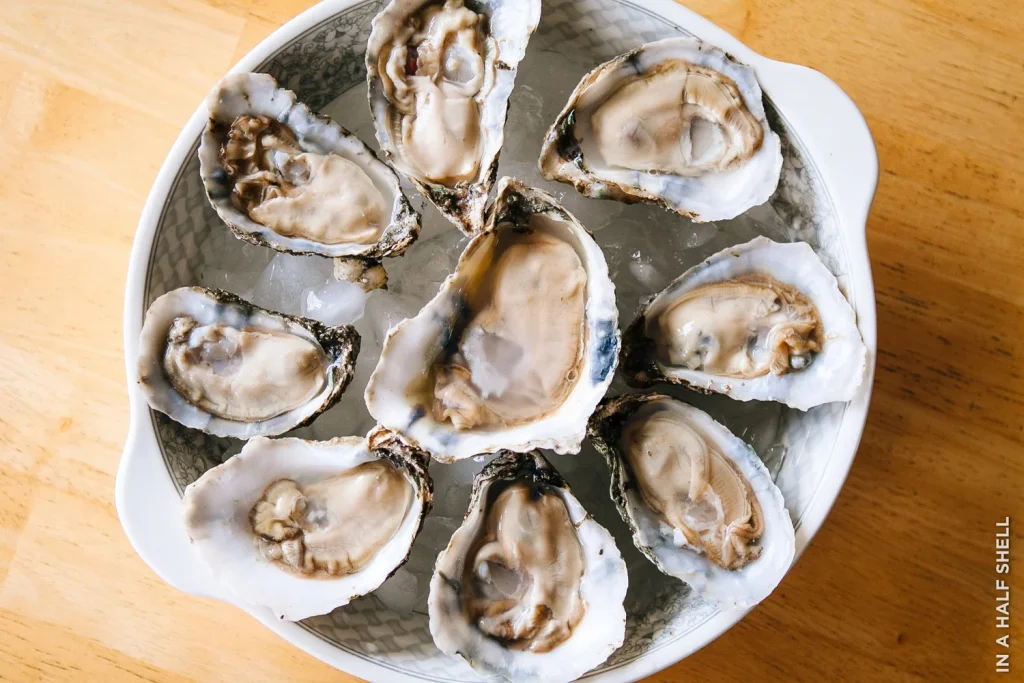
Ever found yourself staring at a fresh batch of live oysters, wondering if you can freeze them for later? You’re not alone.
Many seafood lovers grapple with this exact question. The answer isn’t just a simple yes or no; it involves understanding the delicate nature of oysters and how freezing affects them. Imagine savoring the taste of fresh oysters even after weeks of storage.
Sounds tempting, right? But there’s a catch—you need to know the right way to do it. Stick around, and you’ll discover whether freezing live oysters is a culinary dream come true or a seafood faux pas. Dive into the details, and ensure your next seafood feast is as fresh and delightful as the day you got your oysters.

Credit: www.accio.com
Freezing Live Oysters Safely
Freezing live oysters can be tricky but done right, it helps you enjoy their fresh taste later. The key is to handle them carefully before freezing to maintain quality and safety. Let’s look at how you can prepare your oysters properly for freezing.
Choosing Fresh Oysters
Start with oysters that are very fresh and alive. Look for tightly closed shells or ones that close when tapped. Avoid oysters with cracked shells or any that stay open, as they may be dead and unsafe to freeze.
Smell the oysters—fresh ones should have a clean, ocean-like scent. If they smell fishy or off, skip them. Remember, freezing won’t fix bad quality; it only preserves what you start with.
Preparing Oysters For Freezing
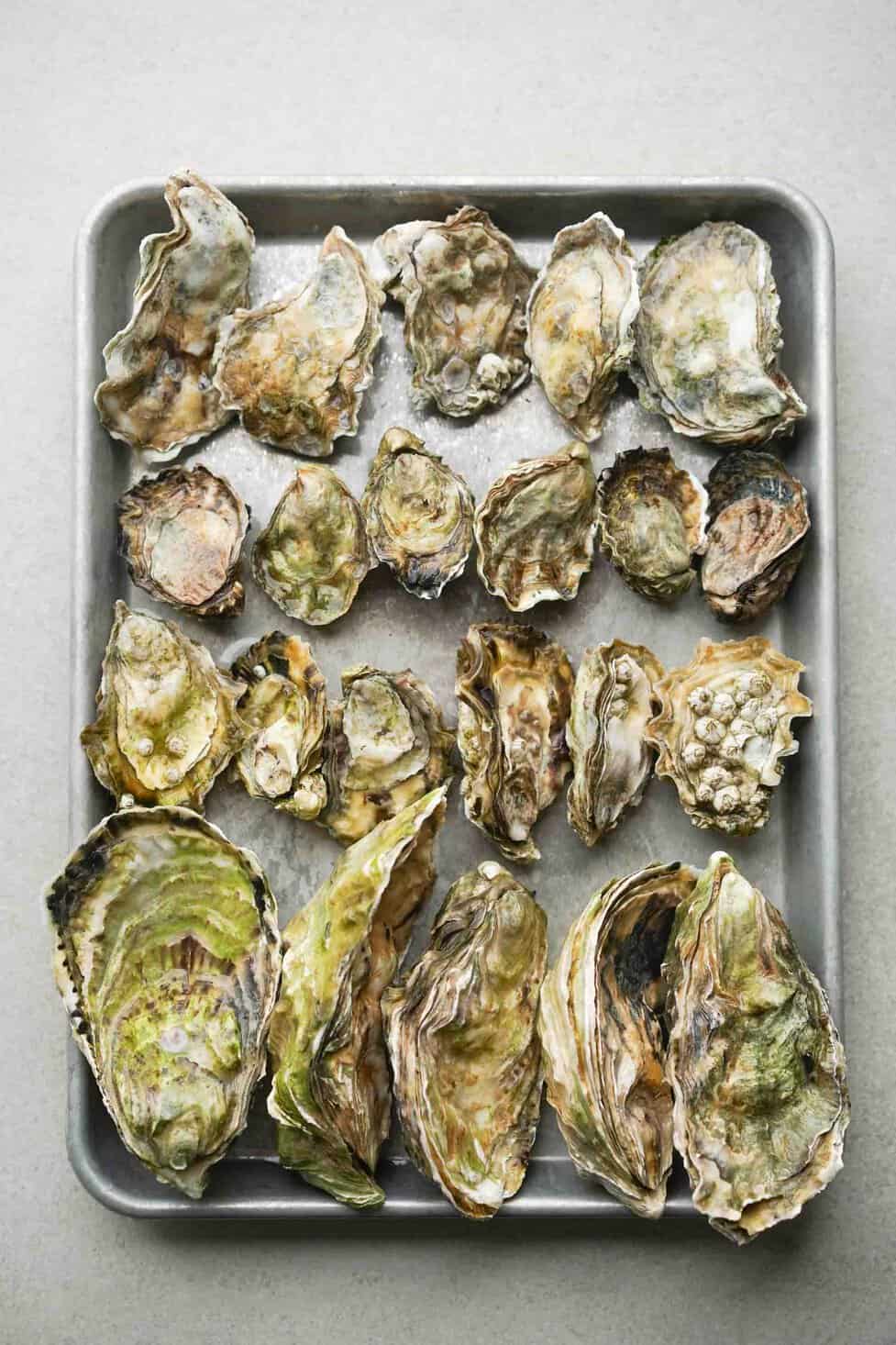
Before freezing, gently scrub the oyster shells with a brush under cold water to remove dirt and debris. Don’t open the oysters before freezing; keep them in their shells to protect the meat inside.
Place the oysters in a single layer on a tray and freeze until firm. Then, transfer them to an airtight container or heavy-duty freezer bag. This prevents freezer burn and keeps them safe for longer storage.
Some people add a bit of seawater or saltwater in the container to keep oysters moist, but be sure not to add too much liquid as it can cause ice crystals to form. Have you noticed how a little extra care before freezing can make a big difference when you thaw your oysters?
Credit: www.hungryhuy.com
Freezing Methods
Freezing live oysters can help preserve their freshness for future use. Choosing the right freezing method affects the texture and taste. Some methods work better depending on whether oysters are in their shells or already shucked. Proper freezing also prevents freezer burn and retains flavor.
Freezing In Shell
Freezing oysters in their shells is possible but tricky. First, scrub the shells clean under cold water. Place oysters in a single layer on a tray to freeze quickly. After they are solid, transfer them to an airtight container or freezer bag. This method helps protect the oyster meat inside. Avoid freezing oysters that are already open or dead.
Freezing Shucked Oysters
Shucked oysters freeze more evenly and are easier to use later. Drain excess liquid from the oysters before freezing. Place the oysters in a freezer-safe container, covering them with their liquor or a bit of salt water. Seal the container tightly to avoid freezer burn. Label with the date and use within 3 months for best quality.
Using Vacuum Sealing
Vacuum sealing removes air and extends oyster storage life. Place oysters in a vacuum bag with a small amount of oyster liquor. Seal the bag tightly using a vacuum sealer machine. This method reduces ice crystal formation and keeps oysters fresh longer. Freeze the sealed bags flat to save space and allow quick thawing.
Storage Duration And Conditions
Storing live oysters properly is key to maintaining their freshness and flavor. The right freezing conditions can extend their shelf life without sacrificing quality. Understanding the ideal temperature, freezing duration, and how to spot freezer damage helps you make the most of your oysters.
Optimal Freezer Temperature
Keeping oysters at the right temperature is crucial. Your freezer should be set at or below 0°F (-18°C)to ensure the oysters stay frozen solid. Temperatures above this can cause partial thawing, leading to texture and flavor loss.
Consistent temperature is just as important as the number on the dial. Avoid frequent door openings that raise the freezer’s internal temperature. Have you noticed how a quick freezer check can sometimes leave food less fresh? The same applies to oysters.
Recommended Freezing Time
Oysters can be frozen, but only for a limited period to keep them safe and tasty. Aim to consume frozen oysters within 3 monthsfor the best quality. Beyond this, they risk becoming rubbery and losing their natural briny taste.
Freezing doesn’t kill bacteria, so longer storage increases health risks. If you’ve ever eaten seafood that tasted off after long freezing, you know why timing matters. Plan your meals and freeze oysters only when you’re ready to use them soon.
Signs Of Freezer Burn
Freezer burn is a common problem that damages oysters’ texture and flavor. Look for dry, white patches or icy crystals on the shell or meat. These are signs that moisture has escaped, leaving the oysters tough and tasteless.
If you notice an unusual odor or shriveled appearance, it’s best to discard the oysters. Have you ever tried to save freezer-burned food? It rarely works well, especially with delicate seafood like oysters.

Credit: buy.taylorshellfishfarms.com
Thawing Live Oysters
Thawing live oysters requires care to keep them safe and tasty. Proper thawing preserves their freshness and texture. Incorrect thawing risks spoilage and food poisoning. Follow simple steps for the best results.
Safe Thawing Techniques
- Place oysters in the refrigerator. Keep temperature below 40°F (4°C).
- Allow oysters to thaw slowly for 12 to 24 hours.
- Keep oysters in a bowl covered with a damp cloth to maintain moisture.
- Do not thaw oysters at room temperature. This can cause spoilage.
- Use a sealed plastic bag if thawing under cold water. Change water every 30 minutes.
Avoiding Bacterial Growth
- Keep oysters cold during thawing. Warm temperatures allow bacteria to grow quickly.
- Do not refreeze oysters once thawed. This weakens their quality.
- Consume thawed oysters within 24 hours for best safety.
- Discard oysters that have an off smell or slimy texture.
- Wash hands and utensils before and after handling oysters.
Quality And Taste After Freezing
Freezing live oysters can be tempting if you want to save them for later, but how does this affect their quality and taste? Understanding what happens to oysters after freezing can help you decide if this method fits your needs. Let’s take a closer look at the changes in texture and how you can keep as much flavor as possible.
Texture Changes
Freezing causes the water inside oysters to form ice crystals, which can damage their delicate cell structure. This often leads to a softer, sometimes mushy texture once they thaw. If you’ve ever bitten into a frozen-and-thawed oyster, you might have noticed it lacks the firm bite fresh oysters have.
However, the extent of texture change depends on how quickly the oysters are frozen and thawed. Rapid freezing helps reduce ice crystal size, preserving texture better. Slow thawing in the refrigerator also minimizes damage compared to thawing at room temperature.
Flavor Preservation Tips
Keeping oyster flavor intact after freezing is a challenge, but some simple steps can help. Before freezing, rinse oysters gently to remove surface dirt without losing natural juices that carry flavor. Then, store them in an airtight container or vacuum-sealed bag to prevent freezer burn and flavor loss.
Adding a splash of saltwater before freezing can also help maintain the oyster’s briny taste. When thawing, do it slowly in the fridge and avoid refreezing, which further deteriorates flavor. Have you tried seasoning thawed oysters lightly with lemon or hot sauce? These additions can brighten flavors that may have dulled during freezing.
Alternatives To Freezing
Freezing live oysters is not always the best choice since it can affect their texture and flavor. Luckily, there are practical alternatives to freezing that help you keep oysters fresh and delicious without compromising their quality. Understanding these options can enhance your oyster experience and reduce waste.
Refrigeration Best Practices
Storing oysters properly in the fridge can keep them alive and fresh for several days. Keep them in a breathable container, like a mesh bag or a bowl covered with a damp cloth. Avoid sealing them in airtight containers or plastic bags, as oysters need to breathe.
Place the oysters in the coldest part of your refrigerator, ideally between 35°F and 40°F (1.5°C to 4.5°C). Adding a layer of crushed ice on top, replenished daily, helps maintain moisture and temperature. Have you checked if your fridge’s temperature is consistent enough to keep seafood fresh?
Using Oysters Immediately
The best way to enjoy oysters is to use them as soon as possible after purchase. Freshly shucked oysters taste sweeter and have a better texture than those stored for too long. Planning your meal around fresh oyster delivery or market visits can make a big difference.
If you’re hosting a dinner or special occasion, consider buying oysters the day of or the day before. This approach eliminates the need for freezing or long storage. What’s your favorite dish that highlights the fresh briny flavor of oysters?
Frequently Asked Questions
Can You Freeze Live Oysters Safely?
Yes, you can freeze live oysters, but it may affect their texture. Proper shucking and sealing are essential before freezing. Use airtight containers to maintain freshness and consume within three months for best quality.
How Long Can Live Oysters Stay Frozen?
Live oysters can be frozen for up to three months. Beyond this period, their taste and texture may degrade. Always label and date the package for optimal storage and quality control.
Should You Shuck Oysters Before Freezing?
It is best to shuck oysters before freezing. This prevents shell damage and makes thawing easier. Store the oyster meat in an airtight container with its liquor to retain flavor.
How Do You Thaw Frozen Live Oysters?
Thaw frozen oysters slowly in the refrigerator overnight. Avoid using warm water or microwaves, as they can harm the oysters’ texture and safety. Consume immediately after thawing for the best taste.
Conclusion
Freezing live oysters can affect their taste and texture. They may lose some freshness after freezing. Always clean and prepare oysters before freezing them. Use airtight containers to prevent freezer burn. Thaw oysters slowly in the refrigerator for best results.
Eating oysters fresh is always safer and tastier. Frozen oysters work well in cooked dishes. Remember, frozen oysters are not good for raw eating. Careful handling keeps oysters safe and enjoyable. Choose the best method to match your cooking needs.