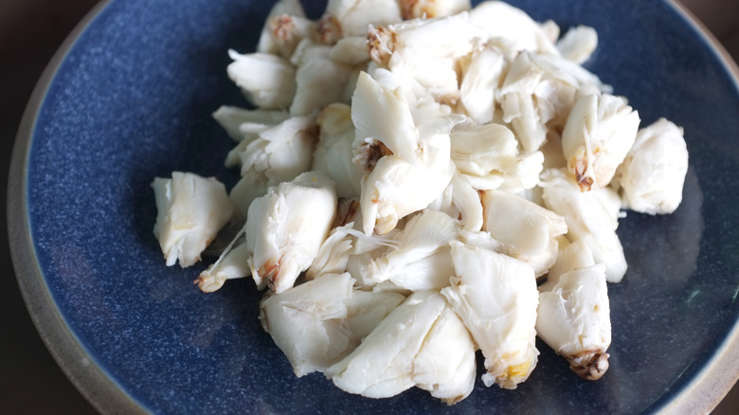
Are you wondering if you can freeze lump crab without losing its fresh taste and texture? Whether you’ve bought more than you can eat or want to save leftovers, knowing the right way to freeze lump crab is a game-changer.
Freezing it the wrong way can turn your delicious crab into a rubbery, flavorless mess. But don’t worry—this guide will show you exactly how to keep your lump crab fresh and tasty for longer. Keep reading to discover simple tips that will protect your crab’s quality and make every meal feel like a special treat.

Credit: fisk.com.sg
Freezing Lump Crab Basics
Lump crab can be frozen to keep it fresh longer. Pack it tightly in an airtight container or freezer bag to prevent freezer burn. Use frozen lump crab within three months for the best taste and texture.
Freezing lump crab can be a lifesaver for seafood lovers looking to extend the life of this delicacy. It’s not just about tossing it in the freezer; understanding the fundamentals can make all the difference. Whether you’re prepping for a special occasion or simply trying to make the most out of a great seafood deal, knowing the right way to freeze lump crab is essential.Best Types For Freezing
Not all crab varieties are created equal when it comes to freezing. Blue crabs and Dungeness crabs are often touted as the best options due to their texture and flavor retention. If you have these types at hand, you’re in luck—they tend to maintain their quality even after being frozen. Choosing the right type of crab is crucial. If you’ve ever defrosted a seafood dish only to find it mushy, you know how disappointing it can be. Opt for crab varieties known for their durability in the freezer to avoid this common pitfall.Ideal Freshness Before Freezing
Freezing lump crab at peak freshness ensures the best taste and texture when thawed. Aim to freeze your crab within 24 hours of purchase or catch. This timeline helps preserve the natural sweetness and firm texture that make lump crab so desirable. You might wonder if a day or two makes a difference. Trust me, it does. Freshness is key to maintaining the vibrant flavor and texture that makes lump crab a favorite among seafood enthusiasts. Next time you find yourself with extra lump crab, remember these basics to enjoy a delicious meal later. What are your favorite ways to enjoy crab once it’s thawed?Preparing Crab For Freezing
Preparing lump crab for freezing is important to keep its flavor and texture. Proper preparation helps avoid freezer burn and spoilage. It also makes thawing easier and faster. Follow simple steps for the best results.
Cleaning And Sorting
Start by rinsing the crab meat under cold water. Remove any shell fragments or cartilage carefully. Check for any dark or discolored pieces and discard them. Sorting the crab meat ensures only fresh, clean pieces go into the freezer. Dry the crab meat gently with paper towels to remove excess moisture.
Portioning Tips
Divide the crab meat into small, usable portions before freezing. Use airtight containers or freezer bags to keep the crab fresh. Flatten bags to save space and help quick freezing. Label each package with the date to track freshness. Smaller portions reduce waste and make thawing simple.
Freezing Methods
Freezing lump crab is a smart way to keep its fresh taste and texture longer. Choosing the right freezing method affects how well the crab holds up when thawed. Let’s look at practical ways you can freeze lump crab to keep it delicious and ready for your next meal.
Using Freezer Bags
Freezer bags are a simple and budget-friendly option. Start by patting the lump crab dry to remove excess moisture. Place the crab meat in the bag, then press out as much air as possible before sealing.
Label the bag with the date so you can track freshness. This method works well for short-term storage and is easy to stack in your freezer. Have you ever noticed how removing air prevents freezer burn? That’s why squeezing out air is key here.
Vacuum Sealing
Vacuum sealing is the best way to preserve lump crab for longer periods. It removes all air, which slows down oxidation and freezer burn. If you want your crab to taste almost fresh after thawing, this method is worth considering.
Use a vacuum sealer to tightly pack the crab meat in special bags. This technique also saves space in your freezer. If you don’t have a vacuum sealer, some stores offer sealing services—have you tried that before?
Ice Pack Storage
Ice pack storage is less common but useful if you plan to freeze crab for a short time and want easy access. Place lump crab in a sealed container, then surround it with ice packs inside your freezer. This helps maintain a consistent cold temperature.
This method can prevent temperature fluctuations that damage delicate crab meat. It’s a good choice if you don’t want the hassle of bags or sealers. Would using ice packs change how often you check your frozen seafood?
Credit: healthecooks.com
Storage Duration And Conditions
Storing lump crab properly is key to keeping its delicate flavor and texture intact. The right conditions can make a big difference in how long your crab stays fresh and safe to eat. Let’s break down exactly what you need to know about storage duration and conditions.
Optimal Freezer Temperature
Freezing lump crab at the correct temperature helps preserve its taste and prevents spoilage. Aim to keep your freezer at 0°F (-18°C) or lower. This temperature slows down bacterial growth and maintains the crab’s quality.
Did you know that fluctuating freezer temperatures can cause freezer burn? To avoid this, keep your crab tightly wrapped in airtight packaging or vacuum-sealed bags. This also prevents the crab from absorbing other strong odors in the freezer.
How Long Crab Remains Fresh
Properly stored lump crab can stay fresh in the freezer for up to 3 to 6 months. Beyond this time, the texture might change and the flavor can fade, even if it’s still safe to eat.
If you’re unsure how long your crab has been frozen, trust your senses—smell and appearance matter. Does it smell off or look discolored? These are signs it’s time to discard it.
Have you ever thawed crab only to find it rubbery or bland? That’s often a sign it was kept too long or not stored correctly. Keeping track of storage times can save you from disappointing meals.
Thawing Lump Crab Safely
Thawing lump crab safely is crucial to preserving its delicate texture and fresh flavor. Improper thawing can lead to soggy meat or, worse, foodborne illness. Let’s look at reliable ways you can thaw your lump crab without compromising quality or safety.
Refrigerator Thawing
Thawing lump crab in the refrigerator is the safest and most effective method. Simply place the frozen crab in a sealed container or bag and leave it in the fridge for 8 to 12 hours. This slow thaw keeps the crab at a safe temperature, preventing bacterial growth.
You might find it takes longer than expected, but patience pays off. Have you ever rushed thawing seafood only to end up with a watery mess? This method avoids that problem entirely.
Cold Water Method
If you need the crab thawed faster, submerging it in cold water works well. Keep the crab sealed in an airtight bag and change the water every 30 minutes to keep it cold. This method usually takes 1 to 2 hours depending on the crab’s size.
One time, I used this method before a last-minute dinner party, and the crab stayed firm and tasty. The key is maintaining cold water, so the crab doesn’t enter the danger zone of temperatures.
Avoiding Microwave Thawing
Microwaving lump crab to thaw is tempting, but it often ruins the texture. The uneven heat can cook parts of the crab, making it rubbery or dry. Plus, you risk losing that fresh, sweet flavor.
Have you noticed how microwaved seafood sometimes feels tough or overcooked? Steering clear of this method helps you enjoy crab meat as it was meant to be—succulent and tender.
Maintaining Flavor And Texture
Keeping lump crab’s flavor and texture intact after freezing can be tricky. The delicate meat tends to lose its natural sweetness and can become mushy if not handled properly. You want every bite to taste fresh and maintain that satisfying firmness.
Tips To Prevent Freezer Burn
Freezer burn is the enemy of good crab meat. It dries out the crab and leaves off flavors. To avoid this, wrap your lump crab tightly in plastic wrap or aluminum foil first.
Next, place the wrapped crab inside an airtight container or a heavy-duty freezer bag. Squeeze out as much air as possible before sealing. Label the package with the date to keep track of how long it’s been frozen.
Think about freezing crab in small portions. This way, you only thaw what you need, reducing exposure to air each time. Have you tried vacuum sealing? It’s one of the best ways to lock in moisture and flavor.
Preserving Natural Sweetness
The natural sweetness of lump crab can fade quickly in the freezer. To protect it, freeze the crab as soon as possible after purchase or cooking. The fresher it goes in, the better it comes out.
Before freezing, pat the crab meat dry with a paper towel. Excess moisture forms ice crystals, which damage texture and taste. You might even sprinkle a little lemon juice on the crab to help maintain its flavor during freezing.
When thawing, avoid microwaving or leaving the crab out at room temperature. Instead, thaw it slowly in the refrigerator overnight. This gentle thawing keeps the meat firm and retains its sweet, delicate flavor. Have you noticed how slow thawing changes the texture compared to quick defrosting?
Common Mistakes To Avoid
Freezing lump crab is a great way to keep it fresh longer. Mistakes during freezing can spoil the taste and texture. Avoiding these errors helps maintain quality and safety.
Knowing what not to do saves money and prevents food waste. Here are common mistakes to avoid when freezing lump crab.
Freezing Already Spoiled Crab
Never freeze crab that smells bad or looks slimy. Freezing does not kill bacteria or toxins already present. Spoiled crab will stay unsafe and taste bad after freezing.
Always check freshness before freezing. Use crab within two days after buying for best results. If unsure about quality, cook or discard it instead of freezing.
Repeated Freezing And Refreezing
Avoid thawing crab and freezing it again. Each freeze-thaw cycle damages texture and flavor. Repeated freezing increases bacteria growth and food safety risks.
Freeze crab in small portions to use all at once. Thaw only the amount needed to keep crab fresh and tasty. Proper storage prevents the need for refreezing.

Credit: www.numberanalytics.com
Frequently Asked Questions
Can Lump Crab Meat Be Frozen Safely?
Yes, lump crab meat can be frozen safely. Use airtight containers or vacuum-sealed bags. Freeze within 1-2 days of purchase for best freshness and taste.
How Long Can You Freeze Lump Crab Meat?
Frozen lump crab meat can last 2 to 3 months. Beyond this, quality and flavor may decline. Always label with the freezing date for reference.
Does Freezing Affect Lump Crab Meat Texture?
Freezing may slightly change lump crab’s texture. Thaw gently in the refrigerator to maintain quality. Avoid refreezing to prevent mushiness and flavor loss.
What Is The Best Way To Thaw Lump Crab?
Thaw lump crab meat in the refrigerator overnight. This method preserves texture and flavor. Avoid thawing at room temperature to reduce bacterial risk.
Conclusion
Freezing lump crab helps keep it fresh for longer. Wrap it tightly to avoid freezer burn. Use within three months for the best taste. Thaw slowly in the fridge to keep texture. Cook crab fully after thawing for safety. Enjoy crab dishes anytime with this simple method.
Save leftovers easily and reduce food waste. A smart way to enjoy crab without rushing. Try freezing next time you buy lump crab.