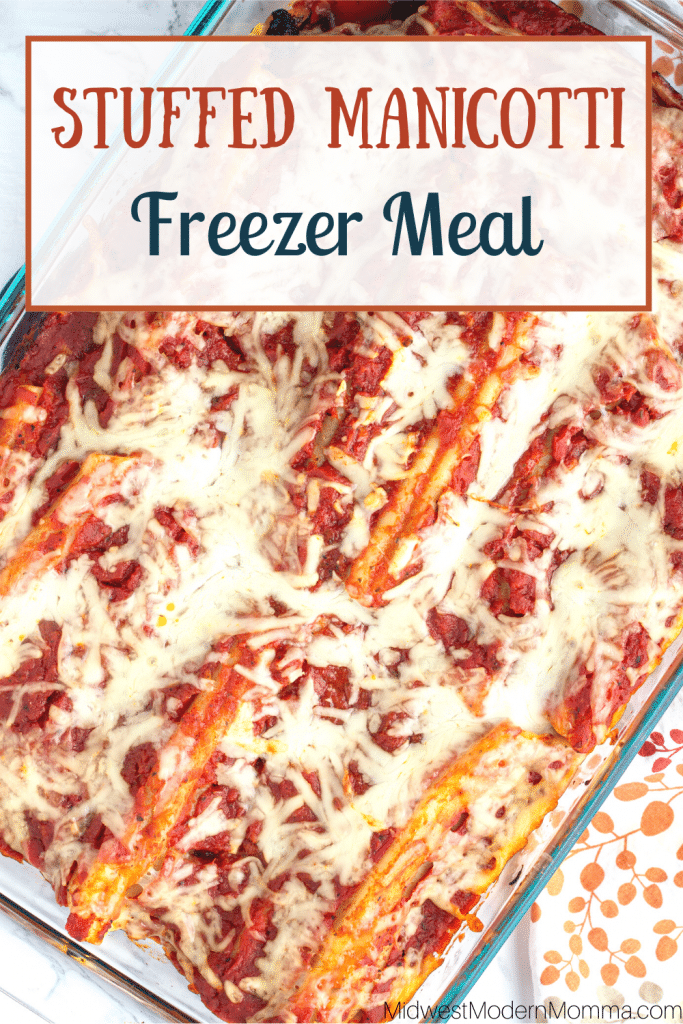
Have you ever found yourself with leftover manicotti after a delightful family dinner or a cozy gathering with friends? You might be wondering if you can freeze those cheesy, saucy leftovers after baking them.
Imagine being able to enjoy that same deliciousness days or even weeks later with minimal effort. It’s like having a secret stash of homemade comfort food ready whenever you need it. But is it possible to maintain that perfect texture and flavor after freezing?
We’ll explore whether you can freeze manicotti after baking and share tips to ensure it tastes just as delicious when you reheat it. Stick around to discover how you can make the most of your culinary creations and enjoy stress-free meals in the future.
Freezing Manicotti Basics
Freezing manicotti after baking is a practical way to enjoy this delicious dish later without compromising taste or texture. Understanding the basics of freezing can help you keep your manicotti fresh and flavorful. Let’s look at how freezing affects baked manicotti and the best conditions to preserve its quality.
What Happens When You Freeze Baked Manicotti
Freezing slows down the growth of bacteria and preserves the food for a longer time. However, the texture of baked manicotti can change slightly after freezing. The pasta might become a bit softer or the cheese may separate during reheating.
Freezing can also affect the sauce, sometimes causing it to become watery when thawed. This happens because ice crystals form inside the food, breaking down the structure of ingredients. But with the right approach, these changes can be minimized, keeping your manicotti tasty.
Ideal Conditions For Freezing
Freeze your manicotti only after it has cooled to room temperature. Wrapping it tightly helps prevent freezer burn and preserves moisture. Use airtight containers or heavy-duty freezer bags to keep out air and odors.
- Divide manicotti into single or family-sized portions for easy thawing.
- Label each package with the date to track freshness.
- Freeze at 0°F (-18°C) or lower for best results.
Do you have a favorite sauce or cheese blend? Freezing manicotti with a thicker sauce may give better results, as thin sauces can separate more easily. Experiment with what works best for your taste and storage needs.

Credit: www.goodeatsblog.com
Preparing Manicotti For Freezing
Preparing manicotti for freezing ensures it stays fresh and tasty. Proper preparation helps maintain texture and flavor after thawing. Follow key steps to get the best results.
Cooling Down Properly
Let baked manicotti cool completely before freezing. Hot food creates moisture, which causes freezer burn. Place the dish on a wire rack to cool faster. Avoid covering it while hot to prevent condensation.
Packaging Techniques
Use airtight containers or heavy-duty freezer bags to protect manicotti. Wrap tightly with plastic wrap or aluminum foil first. Label packages with the date to track freshness. Removing air prevents freezer odors and ice crystals.
Portioning For Convenience
Divide manicotti into meal-sized portions before freezing. Smaller portions thaw faster and reduce waste. Use separate containers or bags for each portion. This way, you only defrost what you need for one meal.
Freezing Methods
Freezing baked manicotti is a smart way to save time and enjoy a homemade meal later. Choosing the right freezing method can make all the difference in preserving flavor and texture. Let’s look at some practical ways to freeze your manicotti effectively.
Using Freezer-safe Containers
One of the easiest ways to freeze baked manicotti is by placing it in a freezer-safe container. These containers protect your food from freezer burn and keep moisture locked in. Make sure to let the manicotti cool completely before transferring it to avoid condensation inside the container.
Glass or BPA-free plastic containers with tight-fitting lids work best. You can stack them neatly in your freezer, saving space and keeping your kitchen organized. Have you ever tried freezing leftovers in containers only to find them soggy later? Choosing the right container can prevent that.
Wrapping With Foil And Plastic Wrap
Wrapping manicotti with foil and plastic wrap is a classic method to protect your dish from air exposure. Start by wrapping the manicotti tightly with plastic wrap to seal in moisture. Then cover it with a layer of heavy-duty aluminum foil to block out light and odors.
This double wrapping method creates a strong barrier that helps maintain the texture and flavor. It’s especially useful if you don’t have freezer-safe containers on hand. Have you considered how much air exposure affects the taste of frozen foods? This method addresses that problem directly.
Vacuum Sealing Benefits
Vacuum sealing removes air completely before freezing, which is a game-changer for manicotti preservation. This method prevents freezer burn and keeps your dish fresh for months. It’s perfect if you want to store manicotti for an extended period without losing quality.
Using a vacuum sealer might seem like extra work, but the payoff is worth it. Not only does it maintain the flavor, but it also helps save space by compressing the food. Have you ever noticed how vacuum-sealed foods often taste fresher than those wrapped traditionally? That’s the power of removing air.

Credit: www.cook2eatwell.com
Storage Duration And Safety
Knowing how long you can safely store baked manicotti in the freezer is key to keeping your meal delicious and safe to eat. Storage duration affects both taste and texture, and ignoring safety guidelines can lead to foodborne illness. Let’s talk about the best freezer times, how to spot freezer burn, and simple tips to keep your manicotti fresh and safe.
Optimal Freezer Time
Baked manicotti stays at its best quality for about 2 to 3 months in the freezer. Beyond this period, the texture and flavor start to decline, even if the food remains safe to eat. Label your container with the freezing date to avoid guessing later.
If you freeze manicotti properly, using airtight containers or heavy-duty freezer bags, you can enjoy it later without losing much taste. Eating it within this window ensures the cheese stays creamy and the pasta doesn’t dry out.
Signs Of Freezer Burn
Freezer burn appears as dry, white or grayish patches on the surface of your manicotti. These spots happen when air reaches the food, causing dehydration and affecting flavor. If you notice these signs, the texture will be tougher and the taste bland.
While freezer-burned manicotti is safe to eat, it won’t be enjoyable. To prevent this, make sure to wrap your dish tightly and remove as much air as possible before freezing.
Food Safety Tips
- Cool Before Freezing:Let your manicotti cool completely before freezing to avoid ice crystals forming and soggy pasta.
- Use Proper Containers:Choose airtight, freezer-safe containers or heavy-duty freezer bags to keep moisture and air out.
- Label Clearly:Write the freezing date on the container to keep track and avoid eating it past optimal time.
- Thaw Safely:Thaw manicotti in the refrigerator overnight, not on the counter, to prevent bacteria growth.
- Reheat Thoroughly:Make sure it’s heated all the way through before eating, reaching an internal temperature of 165°F (74°C).
Have you ever found leftovers in your freezer months later and wondered if they were still good? Paying attention to these simple storage tips keeps your meals safe and tasty, so you can enjoy every bite without worry.
Thawing And Reheating
Thawing and reheating baked manicotti properly keeps its taste and texture. Careful handling prevents sogginess and uneven heating. Following safe steps ensures a delicious meal every time.
Safe Thawing Techniques
Thaw manicotti in the refrigerator overnight. This slow thaw keeps it safe from bacteria. Avoid thawing at room temperature to prevent foodborne illness.
For quick thawing, use a microwave on the defrost setting. Check often to avoid cooking edges. Do not leave manicotti in water to thaw. It can become soggy and lose flavor.
Oven Reheating Tips
Preheat the oven to 350°F (175°C). Cover manicotti with foil to keep moisture in. Heat for 20-30 minutes until hot inside. Remove foil for the last 5 minutes to crisp the top.
Use a baking dish to hold any sauce. This stops drying out during reheating. Check temperature with a food thermometer; it should reach 165°F (74°C).
Microwave Reheating Guidelines
Place manicotti on a microwave-safe plate. Cover with a microwave-safe lid or damp paper towel. Heat on medium power to avoid overcooking.
- Start with 2-3 minutes for one serving.
- Stir or rotate halfway through if possible.
- Check temperature and add more time if needed.
Rest for 1-2 minutes after microwaving. This helps heat spread evenly and improves texture.

Credit: savorthebest.com
Maintaining Flavor And Texture
Maintaining the flavor and texture of manicotti after baking and freezing takes some care. Proper handling keeps the dish tasty and enjoyable. Paying attention to moisture and heat during storage and reheating prevents common problems. These tips help keep your manicotti close to fresh.
Preventing Sogginess
Sogginess ruins the texture of baked manicotti. Avoid this by cooling the dish completely before freezing. Wrap it tightly with plastic wrap and aluminum foil to block air and moisture. Use airtight containers or freezer bags for extra protection.
Drain excess sauce from the manicotti before freezing. Too much liquid creates soggy pasta. Freeze the sauce separately if possible. This keeps the pasta firm and prevents it from soaking in too much moisture.
Reheating Without Drying Out
Reheating manicotti requires gentle heat to keep it moist. Use a low oven temperature around 325°F (160°C). Cover the dish with foil to trap steam and prevent drying.
Add a small splash of water or sauce on top before reheating. This keeps the pasta soft and flavorful. Heat the manicotti slowly until warmed through, usually about 20-30 minutes.
Avoid microwaving directly without covering. Microwaves can dry out the pasta quickly. Instead, reheat in the oven or use the microwave with a damp paper towel over the dish.
Common Mistakes To Avoid
Freezing manicotti after baking can save time and reduce food waste. Avoid common mistakes that spoil taste and texture. Proper freezing ensures your manicotti stays fresh and delicious. Small errors can cause freezer burn, soggy pasta, or uneven reheating.
Freezing While Hot
Placing hot manicotti directly in the freezer causes ice crystals to form. These crystals damage texture and flavor. Always let manicotti cool to room temperature first. Cooling prevents soggy pasta and watery sauce after thawing.
Using Improper Containers
Using containers not meant for freezing leads to freezer burn. Avoid thin plastic wraps or paper containers. Choose airtight, freezer-safe containers or heavy-duty foil pans. Seal containers tightly to keep moisture and odors out.
Ignoring Thawing Instructions
Thawing manicotti incorrectly affects taste and texture. Avoid thawing at room temperature for long periods. Thaw in the refrigerator overnight for best results. This keeps pasta firm and sauce creamy without becoming watery.
Alternatives To Freezing After Baking
Freezing manicotti after baking is common, but other options exist. These alternatives keep your dish fresh and tasty without freezing it post-baking. They fit well if you want to prepare ahead or store leftovers safely.
Freezing Before Baking
Freezing manicotti before baking helps keep its texture and flavor intact. Assemble the manicotti with filling and sauce, then freeze in an airtight container. When ready to eat, bake directly from frozen. This method saves time and avoids sogginess from freezing after cooking.
- Prepare manicotti as usual but do not bake.
- Place manicotti in a freezer-safe dish and cover tightly.
- Freeze for up to 2 months for best quality.
- Bake straight from the freezer, adding extra cooking time.
Storing In Refrigerator Instead
Storing baked manicotti in the refrigerator is a good choice for short-term use. Cool the dish completely before covering it tightly with plastic wrap or foil. Consume within 3 to 4 days to enjoy fresh taste and texture. Reheat gently in the oven or microwave.
- Let manicotti cool to room temperature.
- Cover dish tightly with plastic wrap or foil.
- Keep in fridge at or below 40°F (4°C).
- Reheat in oven at 350°F (175°C) until warmed through.
Frequently Asked Questions
Can You Freeze Manicotti After It’s Baked?
Yes, you can freeze baked manicotti. Let it cool completely, then wrap tightly in foil or plastic wrap. Store in an airtight container for up to 3 months. Reheat thoroughly before serving to maintain taste and texture.
How To Freeze Baked Manicotti Properly?
Cool the manicotti fully before freezing. Wrap each portion with plastic wrap and aluminum foil. Place in an airtight container or freezer bag. Label with the date to track freshness. Freeze for up to 3 months for best quality.
Will Freezing Affect Manicotti’s Texture And Taste?
Freezing may slightly soften the pasta but generally preserves flavor well. Proper wrapping prevents freezer burn and moisture loss. Reheat gently to maintain texture. The taste remains close to freshly baked when frozen correctly.
How To Reheat Frozen Baked Manicotti?
Thaw frozen manicotti overnight in the fridge for best results. Reheat in an oven at 350°F (175°C) covered with foil to avoid drying. Heat until warmed through, about 20-30 minutes. Avoid microwaving to keep pasta texture intact.
Conclusion
Freezing baked manicotti works well to save extra meals. Let it cool completely before wrapping tightly to avoid freezer burn. Use airtight containers or foil for best results. Thaw in the fridge overnight for even heating. Reheat gently to keep the pasta soft and sauce tasty.
This method helps reduce food waste and saves cooking time later. Enjoy your delicious manicotti anytime with simple freezing steps.