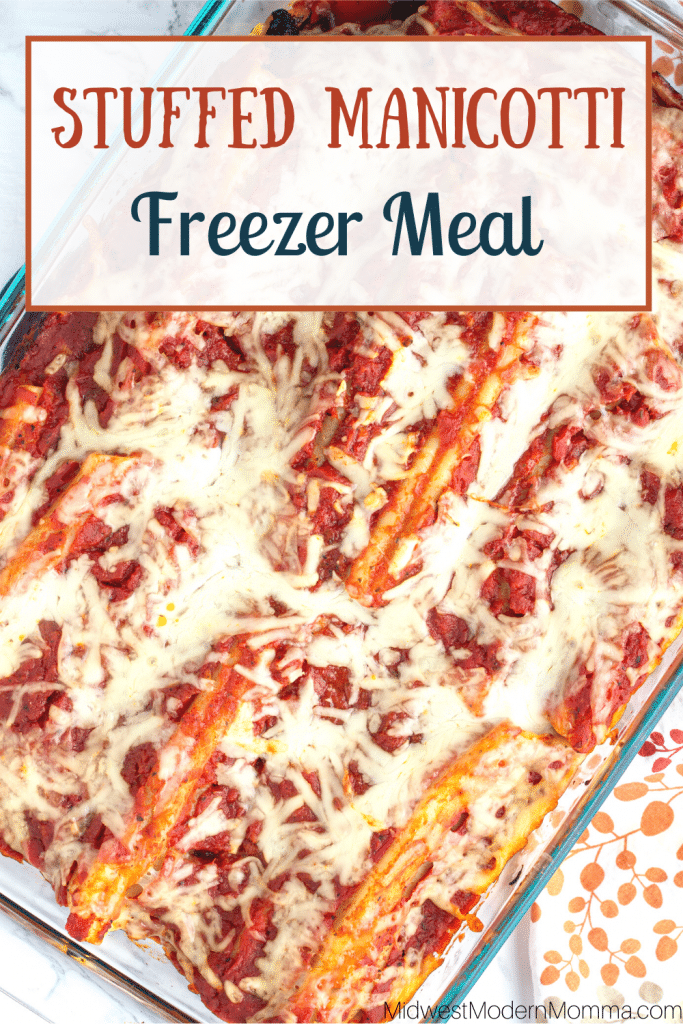
Are you a fan of delicious, cheesy pasta dishes? If so, you might find yourself wondering, “Can you freeze manicotti?”
It’s a common question for those who want to enjoy this Italian favorite without the pressure of eating it all in one sitting. Imagine the joy of opening your freezer and finding a ready-to-bake manicotti waiting to delight your taste buds.
Whether you’re planning meals for a busy week or looking to preserve leftovers, understanding the ins and outs of freezing manicotti could be a game-changer. Stick around, and you’ll discover the secrets to keeping your manicotti fresh and flavorful, making it a go-to meal for any occasion.
Freezing Manicotti Basics
Freezing manicotti is a great way to save time and enjoy this delicious Italian dish whenever you want. Understanding the basics of freezing manicotti can help you maintain its flavor and texture. Let’s look at what types freeze best and the ideal timing for freezing your manicotti.
Best Manicotti Types For Freezing
Not all manicotti are created equal when it comes to freezing. Manicotti stuffed with ricotta and spinach tend to freeze very well. The creamy filling holds up nicely without becoming watery after thawing.
Cheese-only manicotti also freeze well because they don’t contain ingredients that release too much moisture. Avoid freezing manicotti with delicate vegetables like zucchini or mushrooms, as they can become soggy. Meat-filled manicotti can freeze if the meat is fully cooked and well-drained before filling.
When To Freeze Manicotti
Timing your freezing is key to preserving quality. Freeze manicotti immediately after assembling but before baking for best results. This way, the pasta won’t overcook or dry out during reheating.
You can also freeze leftovers after baking, but be sure to cool them completely first. Have you ever frozen pasta dishes only to find them mushy later? Freezing before baking helps avoid that.
Keep your manicotti tightly wrapped in foil or plastic wrap and place it in an airtight container to prevent freezer burn. Proper storage can extend freezer life up to 2-3 months.
Preparation Before Freezing
Proper preparation before freezing manicotti is essential for preserving its taste and texture. Careful steps taken at this stage ensure the dish stays fresh and delicious after thawing. This section covers key tips on cooking, cooling, and wrapping to help you freeze manicotti successfully.
Cooking And Cooling Tips
Cook manicotti just until al dente. Overcooking leads to mushy pasta after freezing. Cool the manicotti completely before freezing to prevent ice crystals. Place the cooked pasta on a wire rack or baking sheet. Allow air to circulate around each piece for even cooling. Avoid stacking the pieces while cooling to maintain shape and texture.
Proper Wrapping Techniques
Wrap manicotti tightly to avoid freezer burn. Use plastic wrap or aluminum foil to cover each piece individually. Place the wrapped pieces in an airtight container or freezer bag. Remove as much air as possible before sealing. Label the package with the date for easy tracking. Proper wrapping locks in moisture and flavor during freezing.
Freezing Methods
Freezing manicotti helps save time and reduce food waste. Proper freezing keeps its taste and texture intact. Different methods suit cooked and uncooked manicotti. Choosing the right container also matters. These tips guide you through each freezing option for best results.
Freezing Cooked Manicotti
Cool cooked manicotti to room temperature before freezing. Wrap each piece tightly with plastic wrap. Place wrapped pieces in a freezer bag or airtight container. Label with the freezing date for easy tracking. Freeze for up to three months to keep freshness. Thaw in the refrigerator overnight before reheating.
Freezing Uncooked Manicotti
Fill uncooked manicotti with your desired filling first. Arrange them in a single layer on a baking sheet. Freeze until solid, about two hours. Transfer frozen pieces to a freezer bag or container. This prevents sticking and preserves shape. Cook directly from frozen, adding extra baking time.
Using Freezer-safe Containers
Choose containers designed for freezer use to avoid freezer burn. Glass or BPA-free plastic containers with tight lids work well. Use containers that fit manicotti without crowding. Leave space for expansion during freezing. Label containers clearly with contents and date. Proper containers maintain flavor and texture better.
Thawing Manicotti
Thawing manicotti correctly keeps its flavor and texture. Improper thawing can lead to soggy pasta or uneven heating. Knowing the best way to thaw helps preserve your dish’s quality and taste.
Safe Thawing Practices
Thaw manicotti in the refrigerator. Place it in a covered container or wrap it tightly. Let it thaw slowly for 8 to 12 hours. This prevents bacteria growth and keeps it safe to eat.
For quicker thawing, use the microwave’s defrost setting. Check every few minutes to avoid overheating. Never thaw manicotti at room temperature as it can cause bacteria to multiply.
Avoiding Texture Loss
To keep manicotti’s texture firm, avoid thawing it in water. Water can make pasta mushy and ruin the filling. Thaw in the fridge or microwave only.
After thawing, reheat gently in the oven. Cover with foil to lock moisture. This stops the pasta from drying out or becoming tough.
Reheating Tips
Reheating frozen manicotti requires care to keep its texture and flavor intact. Proper reheating helps avoid dryness and keeps the cheese melty. Use the right method to enjoy a delicious meal that tastes fresh.
Oven Reheating
Preheat the oven to 350°F (175°C). Cover the manicotti with foil to keep moisture inside. Bake for 20 to 25 minutes until heated through. Remove the foil in the last 5 minutes for a slightly crispy top. Check if it’s hot in the center before serving.
Microwave Tips
Place manicotti on a microwave-safe dish. Cover it with a microwave-safe lid or damp paper towel. Heat on medium power for 2 to 3 minutes. Stir or rotate the dish halfway through. Let it sit for a minute to evenly spread the heat.
Maintaining Sauce Quality
Keep sauce separate if possible. Reheat sauce gently on low heat, stirring often. Add a splash of water or milk to loosen the sauce. Pour warm sauce over manicotti after reheating. This keeps the sauce creamy and flavorful.
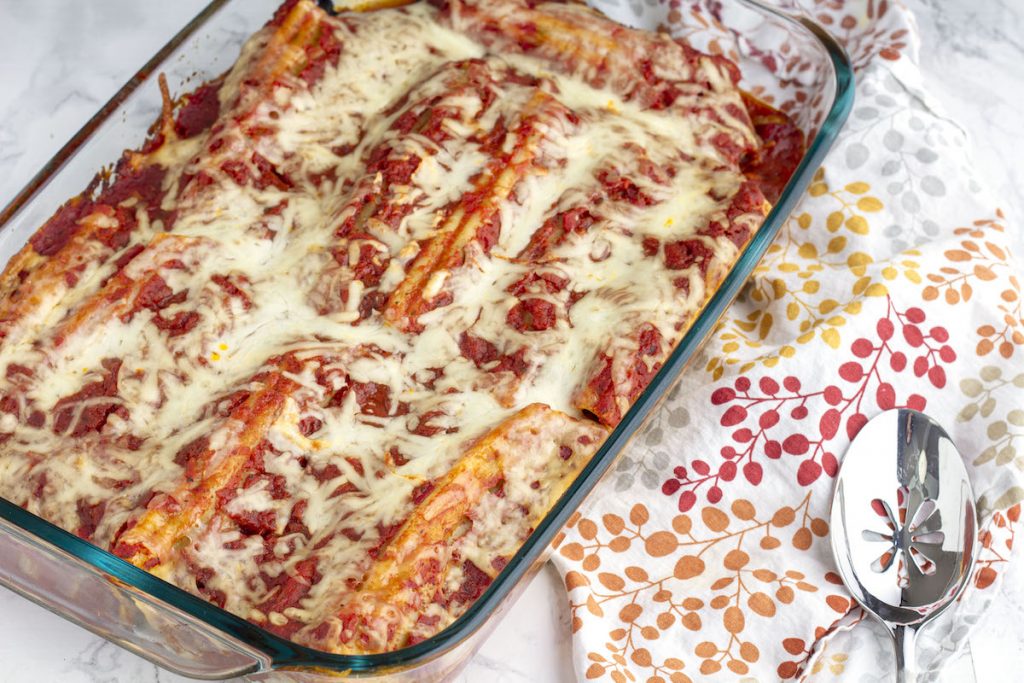
Credit: midwestmodernmomma.com
Flavor And Texture Preservation
Preserving the flavor and texture of manicotti during freezing is essential. Freezing can affect the pasta’s softness and the richness of the filling. Proper techniques help keep the taste fresh and the texture enjoyable. Careful handling before freezing makes a big difference.
Avoiding Freezer Burn
Freezer burn damages manicotti’s flavor and texture. It happens when air reaches the food during freezing. Use airtight containers or heavy-duty freezer bags to protect the manicotti. Remove as much air as possible to prevent ice crystals. Wrapping manicotti tightly in plastic wrap before placing it in a bag adds extra protection. Label the package with the freezing date to track freshness.
Enhancing Freshness After Freezing
Thaw manicotti slowly in the refrigerator for best results. Quick thawing can make the pasta mushy. Reheat manicotti covered with foil to keep moisture in. Adding a little sauce before reheating keeps the filling creamy and flavorful. Avoid overcooking during reheating to maintain the pasta’s texture. Serve immediately after warming for the best taste experience.
Common Mistakes To Avoid
Freezing manicotti can save time and reduce food waste. Yet, several common mistakes can spoil its texture and flavor. Avoiding these errors keeps your dish tasty and fresh after thawing.
Freezing Too Long
Manicotti should not stay in the freezer for more than 2 to 3 months. Over time, the pasta can become dry and crumbly. The sauce might lose its rich taste and turn watery. Freeze manicotti in small portions to use within the recommended time.
Improper Storage
Air exposure causes freezer burn and flavor loss. Use airtight containers or heavy-duty freezer bags to store manicotti. Remove as much air as possible before sealing. Label the package with the freezing date to track freshness. Avoid stacking heavy items on top to prevent crushing.
Reheating Errors
Reheating manicotti too fast can lead to uneven heating. The pasta may become mushy while the center stays cold. Warm it slowly in the oven or microwave using medium heat. Cover with foil or a microwave-safe lid to keep moisture. Stir or rotate halfway through reheating for even heat distribution.

Credit: midwestmodernmomma.com
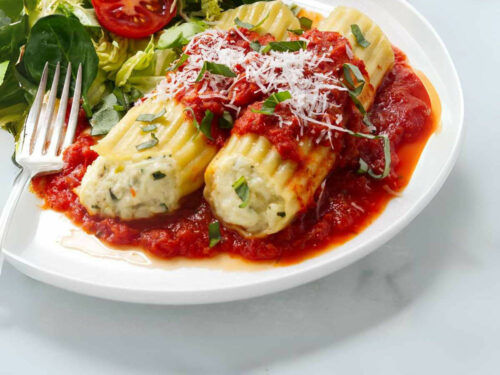
Credit: savorthebest.com
Frequently Asked Questions
Can You Freeze Cooked Manicotti Safely?
Yes, you can freeze cooked manicotti safely. Wrap it tightly with foil or plastic wrap and place it in an airtight container. Freeze for up to 2-3 months for best quality and thaw in the refrigerator before reheating.
How To Freeze Uncooked Manicotti Pasta?
To freeze uncooked manicotti, assemble it with filling but don’t bake. Place in a freezer-safe dish, cover tightly with plastic wrap and foil. Freeze for up to 2 months. Bake directly from frozen, adding extra cooking time.
Does Freezing Affect Manicotti’s Texture?
Freezing can slightly change manicotti’s texture, making pasta a bit softer. Proper wrapping prevents freezer burn and moisture loss. Reheating gently helps maintain its taste and texture, keeping it enjoyable after freezing.
How Long Can Manicotti Stay In The Freezer?
Manicotti can be stored in the freezer for up to 2-3 months. Beyond this, quality may decline, but it remains safe to eat if kept frozen continuously.
Conclusion
Freezing manicotti saves time and reduces food waste. Make sure to wrap it tightly before freezing. Thaw it slowly in the fridge for best taste. Reheat gently to keep the texture soft and creamy. This way, you can enjoy your favorite dish anytime.
Simple steps make freezing easy and effective. Try freezing manicotti for quick, delicious meals later.