
Ever found yourself with a surplus of microgreens and wondered if you could freeze them for later use? You’re not alone.
These nutrient-packed greens are a fantastic addition to any diet, but their short shelf life can be a challenge. The idea of preserving their freshness and flavor for future meals is tempting, isn’t it? We’re diving into whether you can freeze microgreens without sacrificing their taste and nutritional value.
Keep reading, because what you discover here might just transform how you manage your kitchen stock and ensure you enjoy these tiny powerhouses whenever you want.
Benefits Of Freezing Microgreens
Freezing microgreens can be a game-changer for anyone who loves fresh, nutrient-packed greens but struggles with their short shelf life. The benefits go beyond just keeping them longer. Freezing helps you make the most out of your harvest or purchases without wasting these delicate greens.
Extending Shelf Life
Microgreens are highly perishable and usually last only a few days in the fridge. Freezing them immediately after harvesting or buying locks in their freshness and prevents spoilage.
This means you can enjoy microgreens weeks or even months later without worrying about them going bad. Have you ever thrown away a bunch of microgreens because they wilted too fast? Freezing can save you from that frustration.
Nutrient Retention
Microgreens are packed with vitamins and antioxidants, but these nutrients start to degrade quickly after harvesting. Freezing slows down this process significantly.
Studies show that freezing can preserve most of the vitamins and minerals, sometimes even better than refrigeration. So you get to keep the powerful health benefits intact when you freeze your microgreens.
Convenience For Meal Prep
Freezing microgreens means you always have a ready supply on hand for your meals. This is especially useful if you enjoy adding them to smoothies, sandwiches, or salads.
You can portion them out in small bags or containers and grab exactly what you need without thawing a whole bunch. This saves time and helps you avoid last-minute grocery runs.

Credit: microgreensworld.com
Best Microgreens For Freezing
Freezing microgreens can be a great way to preserve their freshness and nutrients for later use. However, not all microgreens freeze equally well. Choosing the right varieties can make a big difference in texture, flavor, and overall enjoyment after thawing.
Leafy Varieties
Leafy microgreens like spinach, kale, and Swiss chard are excellent candidates for freezing. Their sturdy leaves tend to hold up well and retain much of their flavor after thawing.
These greens work perfectly in smoothies, soups, or cooked dishes where texture is less critical. Have you ever tried adding frozen kale microgreens directly to your morning smoothie? It’s a quick way to boost your nutrients without worrying about spoilage.
Herbs And Spicy Greens
Herbs such as basil, cilantro, and spicy microgreens like arugula freeze well too. Their strong flavors often intensify when frozen, making them great for sauces and dressings.
Try freezing these microgreens in ice cube trays with a bit of water or olive oil. This technique locks in flavor and makes it easy to add a burst of freshness to your cooking anytime.
Microgreens To Avoid
Delicate varieties like pea shoots, sunflower, and radish microgreens don’t freeze well. They tend to become mushy and lose their crispness after thawing.
If texture matters to you, it’s best to consume these fresh. Think about how often you cook with these specific greens—if you rely on their crunch, freezing might not be the best option.
Preparing Microgreens For Freezing
Preparing microgreens for freezing is an essential step to maintain their fresh taste and nutritional value. Proper preparation helps prevent sogginess and freezer burn, ensuring your microgreens stay vibrant and flavorful after thawing. How you clean, blanch, and package them can make all the difference in the final quality.
Cleaning And Drying
Start by gently rinsing your microgreens under cold water to remove any dirt or bugs. Avoid using harsh sprays or soaking them for too long, as microgreens are delicate and can wilt easily.
After rinsing, dry them thoroughly using a salad spinner or by patting them gently with a clean towel. Excess moisture is the enemy when freezing, as it can cause ice crystals and mushiness later. Have you ever thawed frozen greens only to find them soggy and unappetizing? Drying well helps you avoid that disappointment.
Blanching Techniques
Blanching microgreens briefly in boiling water helps preserve their color, texture, and nutrients during freezing. However, because microgreens are very tender, the blanching time should be short—usually 10 to 15 seconds.
After blanching, immediately plunge them into ice-cold water to stop the cooking process. This quick cool-down locks in freshness and prevents overcooking. Skipping blanching might save time, but it often results in dull and limp greens after freezing. Would you want your microgreens to look tired before you even start cooking?
Portioning And Packaging
Divide your microgreens into usable portions before freezing. This helps you thaw only what you need and reduces waste.
Use airtight containers or freezer bags, pressing out as much air as possible to avoid freezer burn. Label each package with the date so you can keep track of freshness. Have you ever found a forgotten bag of frozen greens at the bottom of your freezer? Proper packaging saves your efforts and your taste buds.
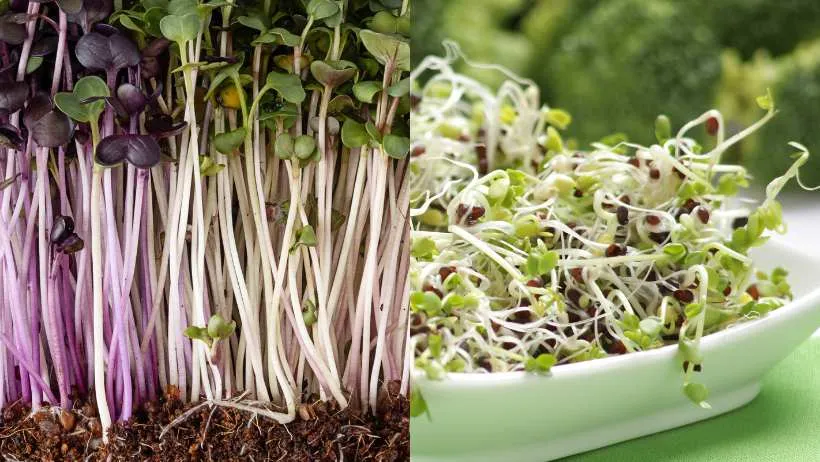
Credit: www.farmfreshchoice.com
Freezing Methods
Freezing microgreens preserves their freshness and nutrients for longer use. Choosing the right freezing method helps maintain their texture and flavor. Proper freezing also reduces ice crystal formation, which can damage delicate leaves. Here are some effective freezing methods for microgreens.
Flash Freezing
Flash freezing stops microgreens from clumping together. Spread the greens evenly on a baking sheet. Place the sheet in the freezer for 1 to 2 hours. Once frozen, transfer the microgreens to storage bags or containers. This method keeps the greens separate and easy to use.
Using Airtight Containers
Airtight containers protect microgreens from moisture and freezer burn. Choose containers that fit your freezer space well. Fill them loosely to avoid crushing the leaves. Seal the containers tightly to keep air out. Label with the date to track freshness.
Vacuum Sealing Benefits
Vacuum sealing removes air around microgreens, extending their freezer life. It helps keep the leaves crisp and flavorful. Use a vacuum sealer with suitable bags or pouches. This method also reduces freezer burn and dehydration. Vacuum sealed microgreens stay fresh for months.
Thawing And Using Frozen Microgreens
Thawing and using frozen microgreens requires care to keep their taste and nutrition intact. Frozen microgreens need gentle handling during thawing. How you use them after thawing affects their texture and flavor.
Best Practices For Thawing
- Place frozen microgreens in the fridge to thaw slowly.
- Avoid thawing at room temperature to keep freshness.
- Use a sealed container to prevent moisture loss.
- Thaw just before use for best results.
- Do not refreeze thawed microgreens to maintain quality.
Incorporating Into Recipes
Thawed microgreens work well in cooked dishes. Add them to soups, stews, and sauces near the end of cooking. Use them in smoothies for a fresh, green boost. Mix into scrambled eggs or omelets for extra nutrition. They also blend well in dips and spreads.
Texture And Flavor Changes
Freezing can soften microgreens’ texture. They lose some crispness but keep most nutrients. Flavor may become milder after freezing. Use thawed microgreens in dishes where texture is less important. Fresh microgreens suit salads better than frozen ones.
Common Mistakes To Avoid
Freezing microgreens might seem like a quick way to keep them fresh, but many people make mistakes that ruin their texture and flavor. Avoiding these common errors can make a big difference in how well your microgreens hold up in the freezer. Here are some key pitfalls to watch out for.
Freezing Wet Microgreens
Freezing microgreens without drying them properly leads to soggy, mushy results. Ice crystals form on wet leaves, breaking down their delicate structure when thawed. Always pat your microgreens dry with a paper towel or use a salad spinner before freezing to keep their crispness intact.
Have you ever opened a freezer bag only to find your microgreens stuck together in a frozen clump? That’s often because of excess moisture. Taking the time to remove water before freezing makes a noticeable difference in texture and taste later.
Overpacking Containers
Stuffing too many microgreens into a single container restricts airflow and increases the chance of freezer burn. It’s tempting to save space, but overcrowding reduces the quality of your frozen greens. Use shallow containers or spread your microgreens out on a tray to freeze them individually before transferring to bags.
Think about how often you’ll use your microgreens. Packing in large amounts can lead to repeated thawing and refreezing, which damages them. Portion your microgreens into smaller servings so you only thaw what you need.
Ignoring Storage Times
Microgreens don’t stay good in the freezer forever. Leaving them frozen for too long causes flavor loss and texture degradation. Label your containers with the freezing date and aim to use them within 1 to 2 months for the best taste.
Do you really know how long your microgreens have been in the freezer? If not, it’s time to start tracking. Freshness matters, even in the freezer.
Alternatives To Freezing
Freezing microgreens isn’t always the best choice since it can affect their texture and flavor. Luckily, there are other ways to keep your microgreens fresh and usable for longer periods. These alternatives can help you enjoy the vibrant taste and nutrition without losing quality.
Refrigeration Tips
Storing microgreens in the fridge can extend their freshness for up to a week. Place them in a breathable container or a plastic bag with small holes to avoid moisture buildup. Avoid washing them before storage; instead, rinse just before use to prevent sogginess.
Keep your fridge temperature between 32°F and 40°F (0°C to 4°C) for optimal results. You might want to add a paper towel inside the container to absorb excess moisture. Have you noticed how this simple trick helps keep leaves crisp?
Dehydrating Microgreens
Drying microgreens is a smart way to preserve them for months. Use a food dehydrator or an oven on low heat to slowly remove moisture. This process keeps their nutrients intact while making them easy to store.
Once dried, crumble the microgreens and store them in an airtight container. They work great as a topping for soups, salads, or even smoothies. Would you try dried microgreens as a crunchy seasoning?
Using Microgreen Powders
Grinding dried microgreens into powder is another excellent preservation method. You can sprinkle the powder into sauces, dressings, or shakes to boost flavor and nutrition. This form takes up very little space and lasts longer than fresh greens.
Invest in a small coffee grinder or blender to create your own microgreen powder at home. Have you ever thought about adding a nutrient punch to your meals with just a pinch of powder?

Credit: ponchacreekgardens.com
Frequently Asked Questions
Can You Freeze Microgreens To Preserve Freshness?
Yes, you can freeze microgreens to extend their shelf life. Blanch them briefly, dry thoroughly, then freeze in airtight bags to maintain freshness.
How Does Freezing Affect Microgreens’ Texture And Flavor?
Freezing microgreens may cause some texture loss, making them softer. Their flavor can slightly diminish but remains usable for smoothies or cooked dishes.
What Is The Best Method To Freeze Microgreens?
Blanch microgreens for 10-15 seconds, cool quickly in ice water, dry well, then store in freezer-safe bags to prevent freezer burn.
Can Frozen Microgreens Be Eaten Raw After Thawing?
It’s best to use frozen microgreens in cooked recipes. Thawing often makes them limp and less safe to eat raw due to moisture loss.
Conclusion
Freezing microgreens can help you keep them longer. They stay fresh but may lose some crunch. Use frozen microgreens soon for best taste. Thaw them gently before adding to dishes. Remember, freezing works best for cooked meals. Fresh microgreens still offer the best flavor and texture.
Try freezing small amounts to see what suits you. Enjoy your greens in many ways, fresh or frozen.