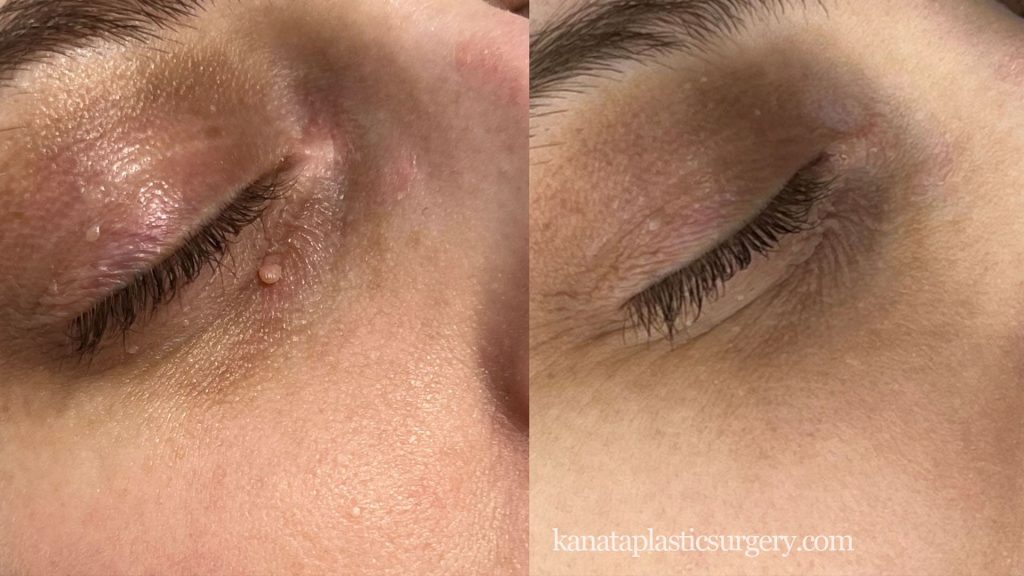
Have you ever caught a glimpse of those pesky age spots in the mirror and wondered if there’s an easy way to make them vanish? If you’re like many people, you might be curious about whether freezing them off is a viable option.
The idea of a quick, effective solution is tempting, isn’t it? Age spots, also known as liver spots, can be stubborn and often seem to multiply over time. But what if there was a straightforward method to tackle them? You’ll uncover the truth about freezing off age spots, explore how it works, and find out if it’s the right choice for you.
Keep reading to learn more about this intriguing treatment and discover if it might be the key to achieving the clear, youthful skin you desire.

Credit: www.drgerhardvanniekerk.com
What Are Age Spots
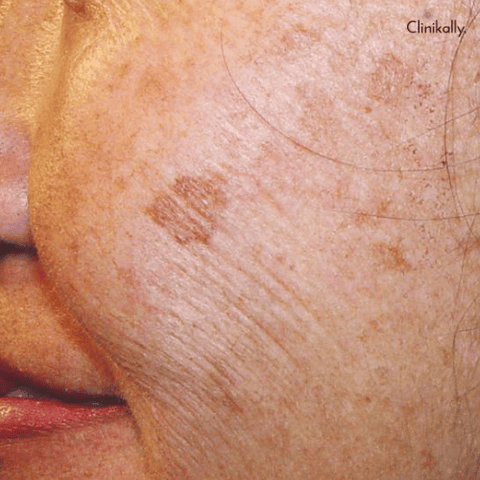
Age spots, often called liver spots or sun spots, are flat, darkened areas on your skin. They usually appear as you get older and are a common sign of aging. These spots are harmless but can be a cosmetic concern for many.
Causes Of Age Spots
Age spots form due to excess melanin, the pigment that gives your skin color. This happens when your skin is exposed to ultraviolet (UV) light from the sun or tanning beds over time. The UV light speeds up melanin production, causing these dark patches to develop.
Other factors that contribute include:
- Natural aging process
- Genetic predisposition
- Skin type and color (lighter skin is more prone)
Have you noticed your spots getting darker after spending time outdoors? That’s your skin reacting to UV exposure.
Common Areas Affected
Age spots typically show up on skin areas frequently exposed to the sun. These include:
- Face
- Hands
- Shoulders
- Arms
- Upper back
These spots rarely appear on skin that is usually covered. Think about it—where do you usually get the most sun exposure during your day? Those are the spots most at risk.

Credit: www.reddit.com
Freezing Age Spots Explained
Freezing age spots is a common skin treatment used to reduce dark spots caused by sun damage or aging. This method targets specific areas of the skin to remove unwanted pigmentation. Understanding how freezing works helps explain why it can be effective and what to expect during the process.
Cryotherapy Basics
Cryotherapy uses extreme cold to treat skin problems. A doctor applies liquid nitrogen to the age spot. This freezes the skin cells, causing them to die and fall off.
The procedure is quick and usually done in a clinic. It is less invasive than surgery and requires little recovery time. Cryotherapy can treat various skin issues, including warts and some skin cancers.
How Freezing Works On Skin
The cold temperature causes ice crystals to form inside the skin cells. These crystals break the cells apart. The body then removes the damaged cells naturally.
After freezing, the treated area may turn red or blister. The skin heals over days or weeks, revealing new, clearer skin underneath. Multiple treatments might be needed for best results.
Effectiveness Of Freezing Age Spots
Freezing age spots, often done through cryotherapy, is a popular method for reducing their appearance. But how effective is this treatment really? Understanding its success and risks can help you decide if it’s the right choice for your skin.
Success Rates
Cryotherapy for age spots generally shows good results. Many people notice a visible lightening or complete removal after just one or two sessions. However, the success can vary based on factors like spot size, depth, and your skin type.
Smaller, shallower spots tend to respond best. Some users have shared their stories about how their spots faded significantly within weeks, boosting their confidence. Yet, others might need additional treatments to see the same effect.
Potential Side Effects
Freezing age spots isn’t without risks. Common side effects include redness, swelling, and temporary skin irritation at the treated area. You might also experience slight blistering or peeling as your skin heals.
In rare cases, there’s a risk of scarring or changes in skin color, especially if your skin is darker. It’s crucial to follow aftercare advice closely and consult a dermatologist if you notice anything unusual. Would you be comfortable managing these side effects for clearer skin?
At-home Freezing Methods
At-home freezing methods for age spots have gained popularity as a convenient alternative to professional treatments. These methods aim to freeze and remove the pigment that causes age spots using products you can buy without a prescription. However, understanding the options and how to use them safely is crucial to avoid skin damage.
Available Products
You can find several over-the-counter freezing kits designed specifically for skin blemishes, including age spots. These kits often contain a small applicator filled with a freezing agent like dimethyl ether or propane. Brands like Compound W and Dr. Scholl’s offer these products, which are simple to apply at home and usually cost less than a professional cryotherapy session.
Many users appreciate the quick application and visible results within a few weeks. However, effectiveness can vary depending on the size and depth of the age spot. Have you considered whether a small spot or a larger patch might respond differently to these treatments?
Safety Tips
Using at-home freezing kits requires caution to prevent burns or scarring. Always follow the instructions precisely and avoid applying the freezing agent to healthy skin. Protecting the surrounding area with petroleum jelly or a barrier cream can help reduce accidental contact.
Keep in mind that repeated applications might be necessary, but overdoing it can harm your skin. If you notice excessive redness, blistering, or pain, stop immediately and consult a dermatologist. Your skin’s reaction is a signal—are you listening to it carefully enough?
Professional Treatments For Age Spots
Professional treatments for age spots offer effective solutions to reduce their appearance. These treatments target the pigmentation and help restore your skin’s natural tone. Many options exist, each with different techniques and recovery times. Consulting a dermatologist can help find the best treatment for your skin type and condition.
Dermatologist Options
Dermatologists use various treatments to remove or lighten age spots. Common options include:
- Cryotherapy:Freezing spots with liquid nitrogen to destroy pigmented cells.
- Laser Therapy:Using focused light beams to break down pigment.
- Chemical Peels:Applying acids to peel off the top skin layer.
- Microdermabrasion:Gently sanding the skin to remove damaged cells.
- Topical Treatments:Prescription creams that lighten spots over time.
Each method targets pigmentation differently. The choice depends on spot size, skin type, and personal preference.
Cost And Recovery
Costs vary widely based on treatment type and location. Cryotherapy and chemical peels usually cost less. Laser treatments and microdermabrasion are more expensive.
| Treatment | Average Cost | Recovery Time |
|---|---|---|
| Cryotherapy | $100 – $300 | Few days with possible redness |
| Laser Therapy | $200 – $1000 | 1 to 2 weeks |
| Chemical Peels | $150 – $600 | 1 to 10 days, depending on depth |
| Microdermabrasion | $75 – $200 per session | Minimal, usually same day |
| Topical Treatments | $50 – $200 | Weeks to months |
Recovery times vary by treatment intensity. Follow care instructions to avoid complications.
Alternative Treatments To Consider
If freezing off age spots isn’t the right choice for you, there are other treatments worth considering. These alternatives offer various benefits depending on your skin type, budget, and how quickly you want to see results.
Trying different options can help you find what works best for your skin without the discomfort some procedures cause. Have you thought about how gentle or aggressive you want the treatment to be?
Topical Creams
Topical creams are a popular choice for fading age spots over time. Many contain ingredients like hydroquinone, retinoids, or vitamin C, which help to lighten pigmentation gradually.
These creams are easy to use and can be applied at home, making them convenient for your daily routine. However, patience is key as results usually appear after several weeks.
Keep in mind that some creams may cause irritation or increased sensitivity to sunlight, so always use sunscreen during the day.
Laser Therapy
Laser therapy targets age spots by breaking down the pigment with focused light energy. This method is fast, often requiring just a few sessions to see visible improvement.
Many people report smoother skin and a more even tone after treatment, but it can be pricey and may cause temporary redness or swelling.
Before choosing laser therapy, consider your skin’s sensitivity and consult a dermatologist to ensure it’s suitable for you.
Natural Remedies
Natural remedies offer a gentle approach to managing age spots, appealing to those who prefer minimal chemical exposure. Ingredients like aloe vera, lemon juice, and green tea extract have been used to lighten spots.
While these remedies are affordable and easy to try at home, their effectiveness varies and often takes longer to show noticeable results.
Have you experimented with any natural treatments before? Sharing your experience might help others decide if this path is worth exploring.
Preventing Future Age Spots
Preventing future age spots is just as important as treating the ones you already have. Taking proactive steps can keep your skin looking even and healthy for longer. It’s about daily habits that protect your skin from damage and support its natural repair process.
Sun Protection Tips
Sun exposure is the leading cause of age spots. You might think a quick walk outside won’t harm, but even short periods in the sun add up over time.
- Use broad-spectrum sunscreenwith at least SPF 30 every day, even on cloudy days.
- Wear hats and sunglassesto shield your face and eyes from direct sunlight.
- Seek shadeduring peak sun hours, usually between 10 a.m. and 4 p.m.
- Reapply sunscreenevery two hours, especially if you’re sweating or swimming.
Have you noticed your skin darkening more after a day outdoors without protection? That’s a clear sign your skin is accumulating damage.
Skincare Routine
What you put on your skin can either help prevent age spots or make them worse. A simple, consistent routine works best.
- Cleanse gentlytwice a day to remove dirt and pollutants without stripping your skin’s natural oils.
- Add antioxidantslike vitamin C serum in the morning to fight free radicals caused by sun exposure.
- Use moisturizerswith ingredients such as niacinamide, which can even out skin tone and reduce pigmentation.
- Exfoliate weeklywith mild acids like glycolic acid to remove dead skin cells and promote cell renewal.
Think about your current skincare products. Are they supporting your skin’s defense or leaving it vulnerable? Adjusting your routine can be a game-changer in preventing new age spots.
Credit: www.clinikally.com
Frequently Asked Questions
Can Age Spots Be Frozen Off Safely At Home?
Freezing age spots at home is not recommended. Professional treatments ensure safety and effectiveness. Incorrect freezing may cause skin damage or scarring. Always consult a dermatologist for proper assessment and treatment options.
How Does Cryotherapy Remove Age Spots?
Cryotherapy uses liquid nitrogen to freeze age spots. This causes the skin cells to die and peel off. New, healthy skin replaces the treated area. It’s a quick, minimally invasive method commonly used by dermatologists.
Are There Side Effects Of Freezing Age Spots?
Side effects may include redness, swelling, blistering, or temporary discomfort. Most side effects heal within a few days. Proper aftercare reduces risks. Consult your dermatologist if symptoms persist or worsen.
How Many Sessions Are Needed To Freeze Off Age Spots?
The number of sessions varies by spot size and depth. Typically, one to three sessions achieve desired results. Your dermatologist will recommend a personalized treatment plan based on your skin condition.
Conclusion
Freezing off age spots can be an effective way to reduce their appearance. The procedure is quick and usually safe when done by a professional. Some mild side effects like redness or swelling may occur but often go away fast.
Not all spots respond the same, so results can vary. Always talk to a dermatologist before trying this treatment. They can guide you on the best care for your skin. Taking care of your skin daily also helps prevent new spots.
Clearer skin is possible with the right approach and patience.