Have you ever found yourself wondering what to do with those extra onions and peppers in your kitchen? You’re not alone.
Many of us face this dilemma, especially when we’ve bought in bulk or stumbled upon a great sale. The big question is: can you freeze onions and peppers? Imagine the convenience of having these kitchen staples ready to go, saving you time and reducing food waste.
You’ll discover the secrets of freezing these versatile veggies, ensuring they maintain their flavor and texture. Stick around and learn how to make your cooking life easier and more efficient.
Credit: almostretiredlife.com
Freezing Onions
Freezing onions is a smart way to save time and reduce waste in the kitchen. If you often find yourself reaching for onions to add flavor to your meals, having frozen onions ready to go can be a game-changer. But not all onions freeze equally well, and how you prepare and store them makes a big difference in taste and texture after thawing.
Best Onion Types For Freezing
Some onions handle freezing better than others. Yellow onions are the most versatile and hold up well in cooked dishes after freezing. Sweet onions, like Vidalia, can be frozen but may become softer and lose some flavor.
Red onions work, too, especially if you plan to use them in cooked recipes. Avoid freezing raw onions that you want to eat fresh, as freezing changes their texture significantly.
Preparation Steps
Start by peeling and chopping your onions into the size you use most often—diced, sliced, or chopped. You can freeze them raw or lightly sauté them to preserve flavor and texture.
Blanching onions before freezing is optional but can help reduce strong odors and preserve color. Pat the pieces dry to avoid ice crystals forming, which can affect texture.
Storage Methods
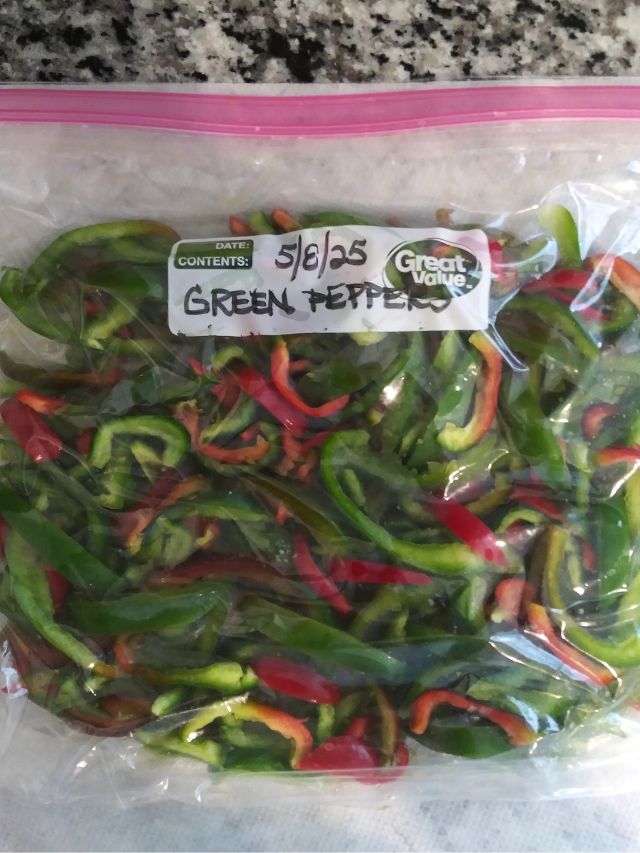
Use airtight containers or heavy-duty freezer bags for storing onions. Remove as much air as possible to prevent freezer burn. Label the containers with the date and onion type.
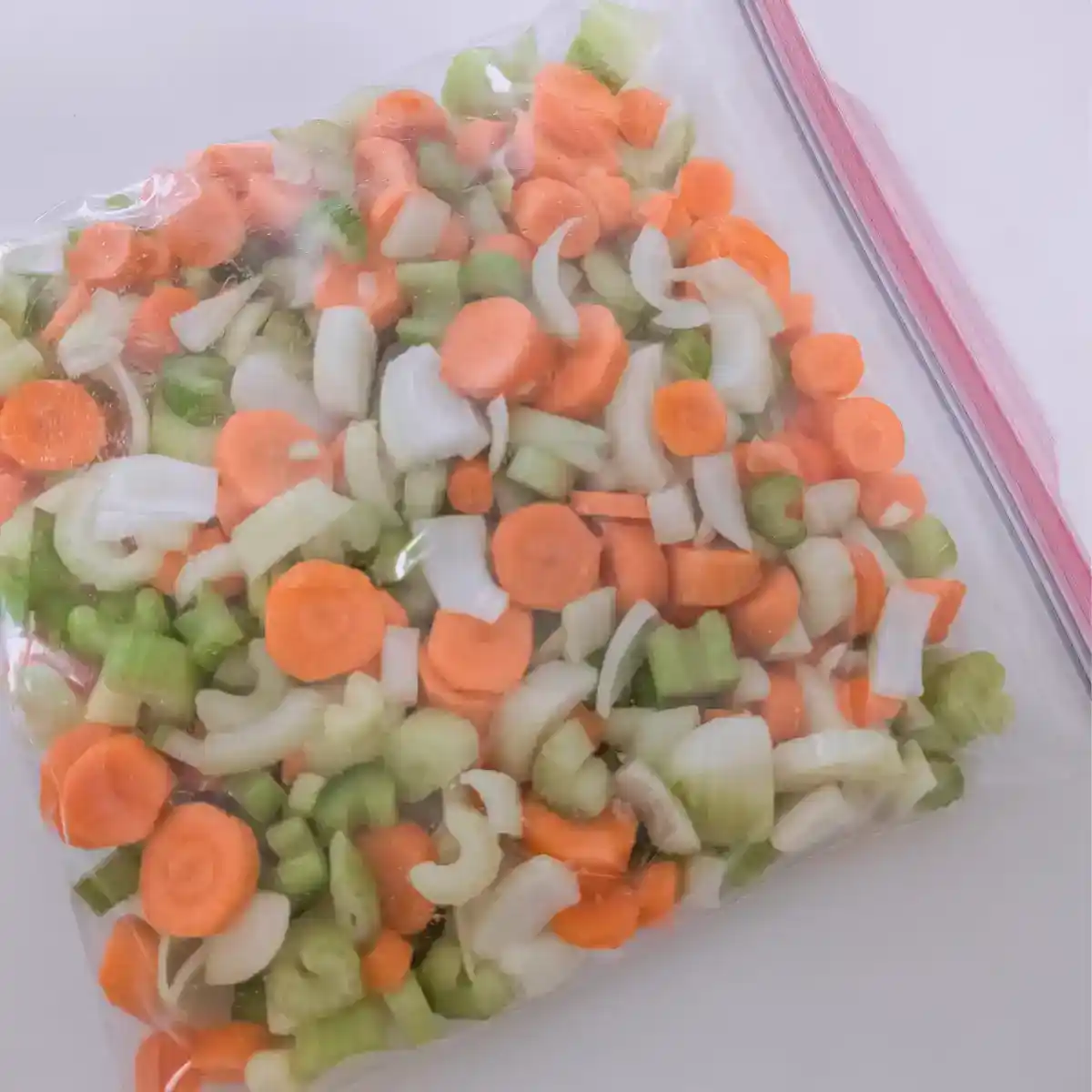
Flattening bags before sealing helps save space and speeds up freezing time. You can also portion the onions based on typical recipe needs, so you only thaw what you need.
Shelf Life In Freezer
Frozen onions stay good for about 6 to 8 months. After that, their flavor and texture may start to decline. Keeping your freezer at 0°F (-18°C) or lower ensures the best quality over time.
Have you ever noticed a change in your dishes when using old frozen onions? Using them within this timeframe keeps your meals tasting fresh and vibrant.
Freezing Peppers
Freezing peppers is a fantastic way to keep these colorful veggies fresh and ready for your meals. Whether you have a surplus from your garden or want to save money by buying in bulk, freezing peppers can save you time and reduce waste. Let’s dive into how to select, prepare, and freeze peppers so they stay tasty and convenient.
Choosing Peppers To Freeze
Pick peppers that are firm, vibrant, and free of blemishes. Bell peppers, jalapeños, and other sweet or hot varieties freeze well. Avoid peppers that are soft, wrinkled, or bruised because freezing won’t improve their texture.
Have you noticed how fresher peppers taste better even after freezing? Choosing quality peppers upfront makes a huge difference in the final flavor.
Preparation And Cutting Tips
Wash peppers thoroughly under cold water to remove any dirt or pesticides. Then, dry them well to prevent ice crystals from forming during freezing. Remove the stem, seeds, and membranes before slicing or dicing based on how you plan to use them later.
Cutting peppers into uniform sizes helps them freeze evenly and makes cooking easier. You can slice them into strips for fajitas or dice them for soups and stews.
Freezing Techniques
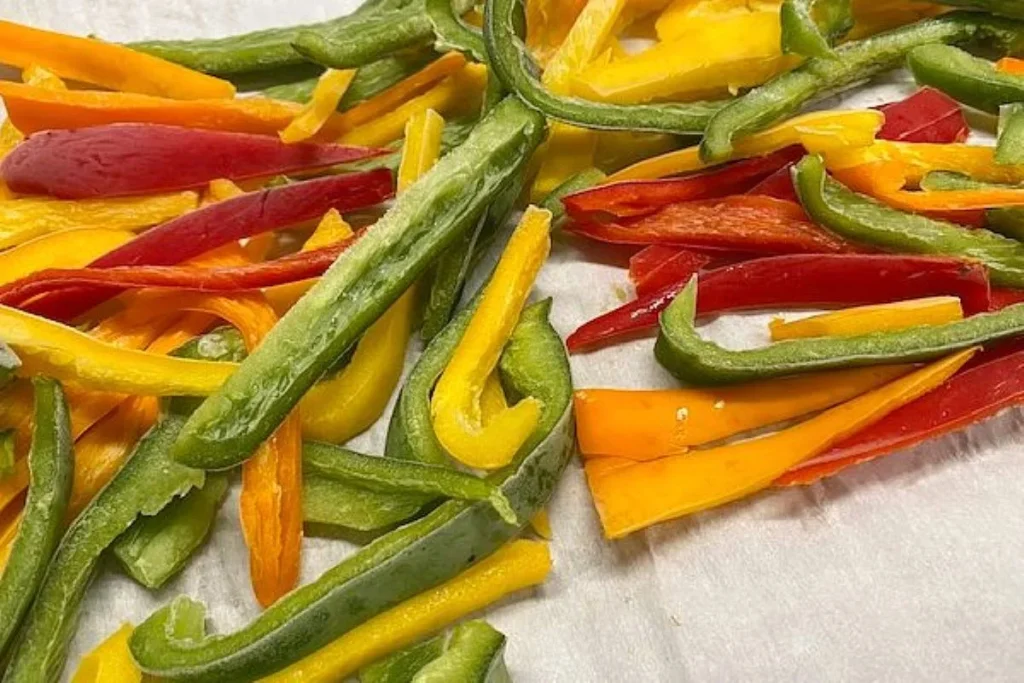
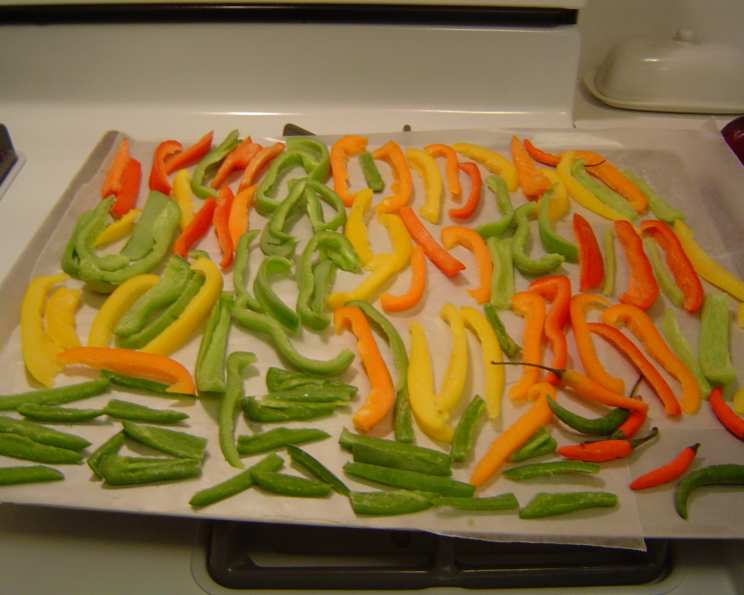
Lay the cut peppers in a single layer on a baking sheet and freeze until solid. This step prevents the pieces from sticking together in one big clump. Once frozen, transfer the peppers to airtight freezer bags or containers, squeezing out as much air as possible to avoid freezer burn.
Label the bags with the date to keep track of freshness. Would you rather freeze whole peppers? Blanching them first can help maintain their texture, but it’s not necessary for sliced or diced peppers.
How Long They Last
Frozen peppers maintain their best quality for about 10 to 12 months. Beyond that, they may start to lose flavor and texture but are still safe to eat. Keep an eye on your freezer storage and try to use them within this timeframe for the best cooking results.
What dishes can you make with frozen peppers? They’re perfect for stir-fries, casseroles, and even omelets—adding a burst of color and flavor without extra prep time.
Maintaining Freshness
Keeping onions and peppers fresh after freezing can be tricky, but it’s not impossible. The key lies in how you handle them before and after freezing. Small changes in your freezing routine can make a big difference in taste, texture, and overall quality.
Preventing Freezer Burn
Freezer burn happens when your veggies lose moisture and get exposed to air. This leads to dry spots and off-flavors that ruin the freshness. To avoid this, make sure your onions and peppers are sealed tightly.
- Use airtight containers or heavy-duty freezer bags.
- Press out as much air as possible before sealing.
- Label and freeze quickly to minimize exposure to air.
Have you noticed how freezer burn changes the flavor? It’s often subtle at first but can spoil an entire dish.
Packaging Tips
Good packaging keeps your frozen veggies fresh and easy to use. Before freezing, chop your onions and peppers into the sizes you’ll use most. This way, you won’t have to thaw and refreeze leftovers.
- Consider portioning into small batches for quick meals.
- Use freezer-safe bags or containers with tight lids.
- Label each package with the date and contents for easy tracking.
One trick I use is placing parchment paper between layers to prevent sticking. It saves time when you need just a few pieces.
Thawing And Using Frozen Veggies
How you thaw frozen onions and peppers impacts their freshness too. For most recipes, you can add them directly to your cooking without thawing. This keeps them from becoming mushy.
- For salads or raw uses, thaw them in the fridge to reduce moisture.
- Pat them dry with a paper towel if they seem watery.
- Use frozen veggies within 6 months for best flavor and texture.
Have you tried tossing frozen peppers straight into a stir-fry? It’s a time-saver that keeps flavors vibrant without extra prep.
Common Mistakes To Avoid
Freezing onions and peppers can save time and reduce waste. Mistakes during freezing can ruin texture and taste. Avoid these common errors to keep your veggies fresh and tasty. Simple steps make a big difference in the freezer.
Freezing Whole Vs. Chopped
Freezing whole onions and peppers is tempting but not ideal. Whole vegetables freeze unevenly and take longer to thaw. Chopped pieces freeze faster and cook more evenly later. Cut your veggies into small, uniform pieces for best results.
Ignoring Moisture Removal
Extra moisture causes ice crystals, which damage texture. Wet onions or peppers freeze into a mushy mess. Always dry your vegetables thoroughly before freezing. Use paper towels or a clean cloth to remove water.
Improper Storage Containers
Using the wrong containers lets air in, causing freezer burn. Avoid thin plastic bags or containers without airtight seals. Use freezer bags with zippers or airtight containers. Remove as much air as possible before sealing to protect flavor.
Creative Uses For Frozen Onions And Peppers
Frozen onions and peppers are versatile ingredients that save time and reduce food waste. They keep well and fit many recipes. Using them creatively can enhance your meals without extra effort.
Cooking Ideas
Frozen onions and peppers work well in soups, stews, and casseroles. They add flavor without needing fresh chopping. Toss them into stir-fries or pasta sauces for quick meals. Use frozen veggies in omelets or scrambled eggs for a tasty breakfast. They blend nicely into homemade salsa or dips.
Meal Prep Benefits
Freezing onions and peppers helps with fast meal prep. Keep pre-chopped veggies ready to cook or add to dishes. It cuts down cooking time and kitchen mess. Having frozen veggies on hand means fewer trips to the store. It also helps control portion sizes for healthier eating.
Flavor Retention Tips
Freeze onions and peppers shortly after chopping for best taste. Use airtight containers or freezer bags to avoid freezer burn. Blanch peppers before freezing to keep color and texture. Avoid thawing and refreezing to maintain flavor. Cook directly from frozen to preserve freshness and nutrients.
Credit: centsforcookery.com
Credit: www.food.com
Frequently Asked Questions
Can You Freeze Raw Onions And Peppers Together?
Yes, you can freeze raw onions and peppers together. Chop them, spread on a tray, freeze until firm, then store in airtight bags. This method prevents clumping and keeps flavors fresh for up to six months.
How Should I Prepare Onions And Peppers For Freezing?
To prepare onions and peppers for freezing, peel and chop them evenly. Blanching is optional but helps preserve texture. Dry thoroughly before freezing to avoid ice crystals and maintain quality.
Do Frozen Onions And Peppers Lose Flavor?
Frozen onions and peppers retain most of their flavor if properly stored. Freezing slows down enzyme activity, preserving taste. However, texture may soften after thawing, making them ideal for cooked dishes.
Can Frozen Onions And Peppers Be Used Directly In Cooking?
Yes, you can use frozen onions and peppers directly in cooking. No need to thaw, especially for soups, stews, or sautés. They cook quickly and add convenient flavor to your dishes.
Conclusion
Freezing onions and peppers keeps them fresh longer. It saves time and reduces food waste. Chop or slice before freezing for best results. Use frozen vegetables in cooked dishes for great taste. Keep them in airtight bags to avoid freezer burn.
Remember, frozen onions and peppers work well but may lose some crunch. This simple method helps you enjoy these veggies anytime. Try freezing today and see how easy it is.