
Can you freeze pastry cream? It’s a question that might have popped into your mind, especially if you’re a fan of making desserts or finding yourself with leftover cream.
Imagine having this luscious, creamy delight ready to go whenever you need it, right from your freezer. Sounds convenient, doesn’t it? Before you proceed, let’s explore the ins and outs of freezing pastry cream. Understanding the process can save you from potential mishaps and ensure your cream stays as delicious as ever.
Stick around, because what you learn today could transform how you approach dessert-making in your kitchen.
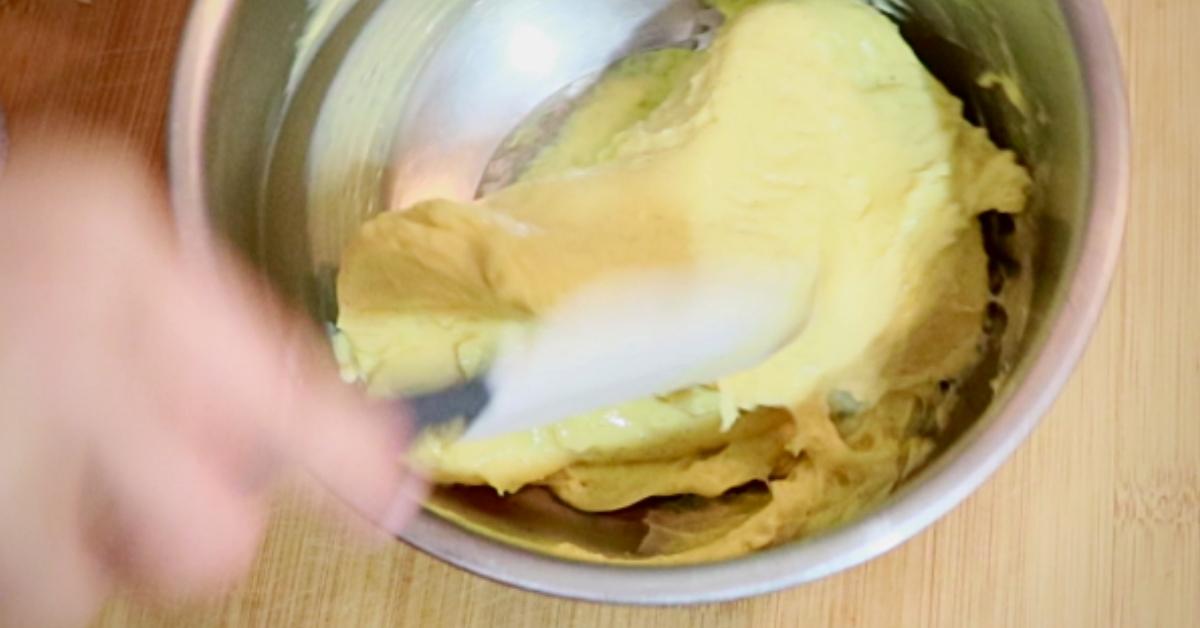
Credit: pastryliving.com
Freezing Pastry Cream Basics
Freezing pastry cream can save time and reduce waste in the kitchen. Understanding the basics helps keep its texture and taste intact. This section explains what pastry cream is and why freezing it might be useful for you.
What Is Pastry Cream
Pastry cream is a thick, smooth custard made from milk, sugar, eggs, and starch. It is used as a filling in cakes, tarts, and pastries. The texture is creamy and rich, adding flavor and moisture to desserts.
It cooks on the stove until thick and then cools before use. Fresh pastry cream is delicate and can spoil quickly if not stored properly.
Why Freeze Pastry Cream
Freezing pastry cream helps extend its shelf life beyond a few days. It allows you to prepare in advance and use it later without making it fresh each time. This is handy for busy bakers and large batches.
Freezing also reduces waste by saving leftover cream. You can keep it for up to one month in the freezer. Thaw it slowly in the fridge before using to keep its creamy texture.

Credit: bakabee.com
Preparing Pastry Cream For Freezing
Preparing pastry cream for freezing requires careful steps to keep its smooth texture. Proper preparation helps preserve flavor and prevents ice crystals. Follow simple guidelines to freeze pastry cream safely and maintain its quality.
Cooling Pastry Cream Properly
Cool pastry cream quickly after cooking to avoid bacteria growth. Pour the cream into a shallow container to speed up cooling. Stir the cream occasionally to release heat evenly. Cover the surface with plastic wrap to stop a skin from forming. Chill the cream in the refrigerator until it is completely cold before freezing.
Choosing The Right Containers
Select containers that seal tightly to prevent freezer burn. Use small, shallow containers or freezer-safe bags for faster freezing. Leave space at the top of containers for the cream to expand. Label containers with the date to track freshness. Avoid containers that easily break or leak to protect your pastry cream.
Freezing Techniques
Freezing pastry cream can save you time and reduce waste, but doing it right is essential to keep its smooth texture and rich flavor. The key lies in how you prepare and store the cream before freezing. Taking a few extra minutes with proper techniques makes thawing and using your pastry cream much easier and more effective.
Portioning For Convenience
Think about how you usually use pastry cream. Do you bake often with small amounts, or do you need larger batches for recipes? Portioning your cream into smaller servings before freezing helps you grab just what you need without thawing the entire batch.
Use ice cube trays or small airtight containers to divide the cream. This way, you can thaw only what fits your recipe, preventing waste and preserving freshness. I once froze a large batch whole, only to find half of it went bad before I could use it. Portioning saved me from repeating that mistake.
Sealing And Labeling
Proper sealing is crucial to protect pastry cream from freezer burn and unwanted odors. Use airtight containers or heavy-duty freezer bags, squeezing out as much air as possible. Double-bagging can add an extra layer of protection if your freezer tends to be crowded.
Label each portion with the date and contents clearly. This simple step saves you from digging through the freezer and guessing how old the cream is. Have you ever found mystery containers in your freezer? Clear labeling keeps your kitchen organized and your ingredients fresh.
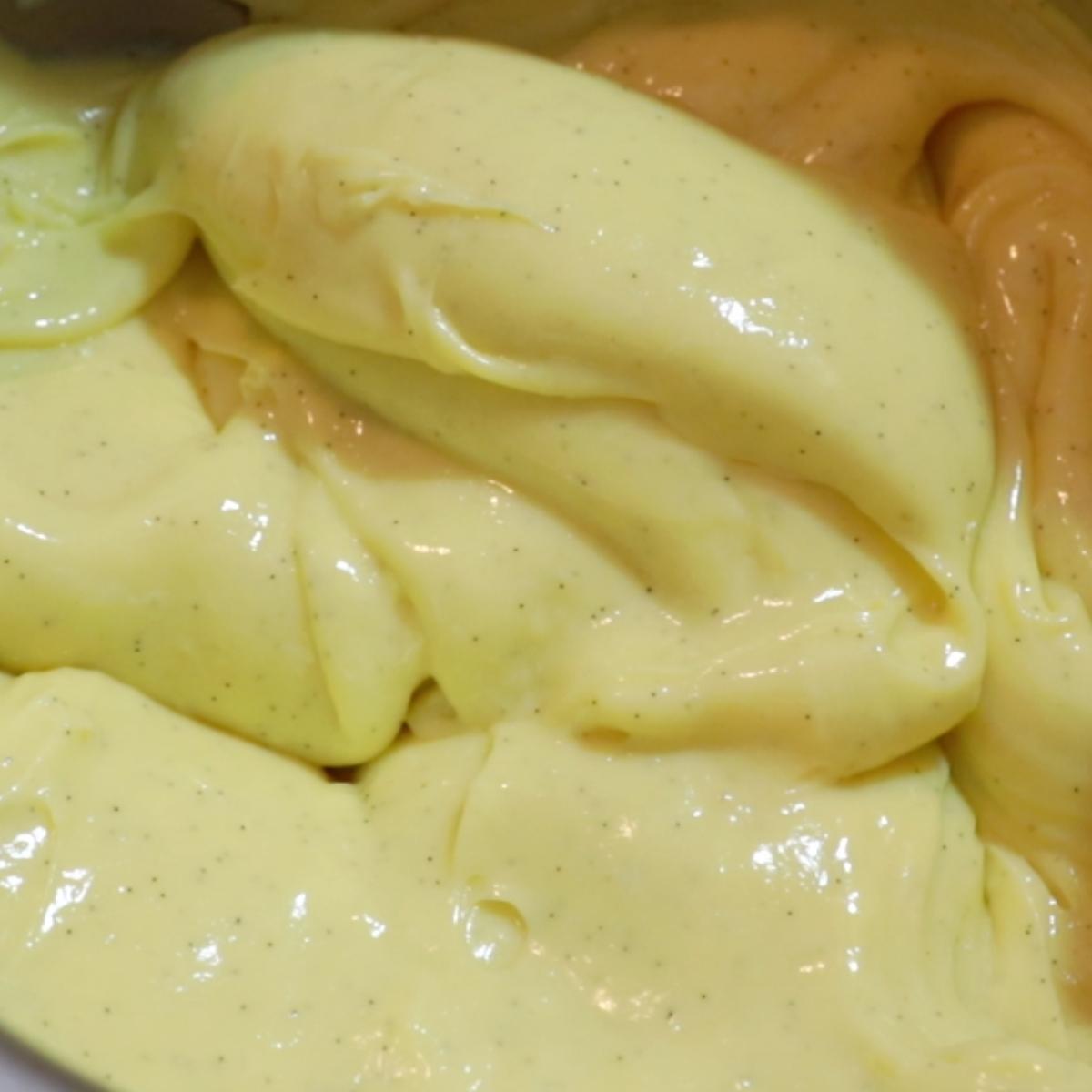
Credit: pastryliving.com
Thawing Pastry Cream Safely
Thawing pastry cream safely is key to keeping its rich flavor and smooth texture. Proper thawing helps avoid spoilage and texture problems. It also preserves the cream’s delicate taste and consistency. Follow simple steps for best results.
Best Thawing Methods
Place frozen pastry cream in the refrigerator. Let it thaw slowly overnight or for at least 8 hours. Slow thawing keeps the cream fresh and safe to eat.
For quicker thawing, place the container in a bowl of cold water. Change the water every 30 minutes. Avoid warm or hot water to prevent bacteria growth.
Never thaw pastry cream at room temperature. It can cause harmful bacteria to grow.
Avoiding Texture Changes
After thawing, the cream may look a bit separated or watery. Stir gently to bring back its smooth texture. Use a whisk or hand mixer on low speed.
Do not overbeat. Overmixing can make the cream too thin or runny.
If the texture is still off, chill the cream for a few hours before using. This helps it firm up again.
Reviving Frozen Pastry Cream
Reviving frozen pastry cream can feel tricky, but it’s completely doable with the right approach. Freezing can change the texture, sometimes making it grainy or separated after thawing. However, with careful stirring and reheating, you can bring it back to a creamy, smooth state perfect for your desserts.
Stirring And Reheating Tips
After thawing your pastry cream in the fridge overnight, give it a gentle stir before reheating. This helps redistribute any liquid that may have separated during freezing. Avoid vigorous mixing at this stage, as it can create bubbles or break down the texture further.
Reheat the cream slowly over low heat in a saucepan, stirring constantly. Use a wooden spoon or silicone spatula to scrape the bottom and sides to prevent scorching. Heating too quickly can cause curdling, so patience is key here.
If the cream feels too thick after reheating, add a tablespoon of milk or cream gradually to loosen it. Stir well and heat just until the desired consistency is reached. Have you ever noticed how a little extra liquid can restore that perfect spreadable texture?
When To Whisk Or Add Fresh Ingredients
If your pastry cream seems a bit lumpy or grainy, whisking it vigorously after reheating can help smooth it out. A hand whisk or even an electric mixer on low speed works well to bring back the silkiness. Just be careful not to over-whisk, which might incorporate unwanted air bubbles.
Sometimes, adding fresh ingredients like a small knob of butter or a splash of vanilla extract after reheating can refresh the flavor and improve texture. Butter adds richness and helps with smoothness, while vanilla boosts aroma and taste. Have you tried this little trick to make your pastry cream taste freshly made?
If you plan to fold the cream into other batters or fillings, ensure it’s completely cool after reheating and whisking. This prevents unwanted melting or separation in your final dessert. Taking these extra steps can make a big difference in the quality of your pastry dishes.
Common Mistakes To Avoid
Freezing pastry cream can be a great way to save time and reduce waste. Still, many make mistakes that affect its texture and taste. Knowing what to avoid helps keep the cream smooth and fresh after thawing.
Freezing Too Hot
Never freeze pastry cream while it is still warm. Hot cream causes ice crystals to form quickly. This damages the texture and makes it grainy. Let the cream cool completely before placing it in the freezer. Using shallow containers helps it cool faster and freeze evenly.
Ignoring Storage Time Limits
Pastry cream does not last forever in the freezer. Keeping it too long causes flavor loss and texture changes. Use the cream within 1 to 2 months for best results. Label containers with the freezing date to track storage time easily.
Alternatives To Freezing
Freezing pastry cream can change its texture and taste. Many bakers prefer fresh cream for the best results. There are easy alternatives that keep your pastry cream smooth and tasty. These options help avoid the risks that come with freezing.
Using Pastry Cream Fresh
Pastry cream tastes best when fresh. It stays creamy and smooth without freezing. Use it within two days for top flavor. Keep it covered in the fridge to stop it from drying out. Fresh cream blends well into desserts and pastries. It adds a rich, velvety texture that frozen cream might lose.
Making Smaller Batches
Making smaller batches helps reduce leftover cream. Prepare only what you need for each recipe. This way, there is less waste and no need to freeze. Smaller amounts are easier to store in the fridge. This method keeps the cream fresh and ready to use. It saves time and keeps your desserts perfect every time.
Frequently Asked Questions
Can You Freeze Pastry Cream Safely?
Yes, you can freeze pastry cream safely. Use an airtight container to prevent freezer burn. Thaw it slowly in the refrigerator before use. Texture may slightly change but remains usable for most recipes.
How Long Can Pastry Cream Stay Frozen?
Pastry cream can be frozen for up to 2 months. Beyond this, quality and texture may decline. Label the container with the date to keep track. Always thaw in the fridge for best results.
Does Freezing Affect Pastry Cream Texture?
Freezing can slightly alter pastry cream’s texture. It may become a bit grainy or watery after thawing. Whisking or blending after thawing helps restore its smoothness. It remains suitable for filling pastries and desserts.
What Is The Best Way To Thaw Frozen Pastry Cream?
Thaw frozen pastry cream overnight in the refrigerator. Avoid microwaving to prevent curdling or uneven heating. After thawing, stir well to regain a smooth consistency before using.
Conclusion
Freezing pastry cream can save time and reduce waste. It keeps well if stored properly in an airtight container. Thaw it slowly in the fridge for best results. Stir gently after thawing to regain smooth texture. Avoid freezing for too long to keep taste fresh.
This method helps you enjoy pastry cream anytime. Simple, practical, and convenient for busy kitchens. Try freezing next time you make extra cream. It’s a smart way to extend your dessert options.