
Have you ever wondered if you can freeze peanut oil to make it last longer? If you’re like many who love cooking with peanut oil, you might hesitate to toss out a half-used bottle.
Freezing sounds like a smart way to save money and avoid waste—but does it really work? Keep reading to discover the surprising truth about freezing peanut oil and how you can store it the right way. Your kitchen and wallet will thank you!
Peanut Oil Basics
Peanut oil is a popular cooking oil with a rich, nutty flavor. It is commonly used in many kitchens worldwide. Understanding its basics helps in choosing the right type for your cooking needs. Knowing about its properties can also guide proper storage and usage.
Types And Uses
Peanut oil comes in refined and unrefined forms. Refined peanut oil is clear and has a mild taste. It suits frying, sautéing, and baking. Unrefined peanut oil has a stronger flavor and is ideal for dressings and dips. This oil works well in Asian cuisine, stir-fries, and deep frying.
Smoke Point And Stability
Peanut oil has a high smoke point, usually around 450°F (232°C). This makes it stable for high-heat cooking. It resists breaking down and producing harmful compounds. The oil’s stability ensures food cooks evenly and retains flavor. It also has a long shelf life when stored properly.
Freezing Peanut Oil
Freezing peanut oil might sound unusual, but it’s a question many home cooks and food lovers ask. You might wonder if freezing can extend its shelf life or if it’s even safe to do so. Understanding how peanut oil reacts to freezing can help you decide if this storage method suits your kitchen habits.
Is It Possible?
Yes, you can freeze peanut oil. Peanut oil has a high smoke point and stable fat content, which means it holds up well under various conditions. However, freezing is not a common practice because peanut oil naturally stays liquid at typical freezer temperatures.
Most oils, including peanut oil, will become cloudy or semi-solid in the freezer but will return to their normal state once thawed. This temporary change doesn’t harm the oil. Have you ever noticed your peanut oil looking cloudy after refrigeration? That’s a similar effect.
Effects On Quality And Texture
Freezing peanut oil doesn’t significantly affect its quality or texture if done correctly. When thawed slowly at room temperature, the oil regains its clear, smooth consistency without losing flavor. But rapid temperature changes or repeated freezing and thawing cycles can degrade the oil’s taste and aroma.
It’s important to store the oil in an airtight container to avoid absorption of odors from the freezer. Also, freezing might slightly alter the oil’s viscosity, making it thicker temporarily, but this won’t affect cooking performance.
- Freezing can extend shelf life by preventing oxidation.
- Prolonged freezing or poor storage can lead to off-flavors.
- Thawed oil should be used within a short period for best results.
Would you freeze peanut oil if it means keeping it fresh longer, or do you prefer buying smaller bottles more frequently? Your choice depends on how often you use it and your kitchen storage space.
Proper Storage Techniques
Proper storage techniques are essential if you want to keep your peanut oil fresh and usable after freezing. Storing it the right way preserves its flavor, prevents spoilage, and extends its shelf life. Let’s break down the key points you should know to store peanut oil effectively.
Ideal Containers
Choose containers that seal tightly to prevent air from getting in. Glass jars with airtight lids work best because they don’t react with the oil. Avoid plastic containers as they can absorb the oil’s smell and flavor over time.
Make sure the container is clean and dry before adding the oil. Leaving moisture inside can cause the oil to spoil faster. A good tip is to use smaller containers to freeze portions you’ll use quickly, reducing the need to repeatedly open and close the container.
Temperature Guidelines
Freeze peanut oil at a consistent temperature of 0°F (-18°C) or lower to maintain its quality. Sudden temperature changes can cause the oil to develop off-flavors or cloudiness. Have you ever noticed oil looking cloudy after freezing? That’s usually due to temperature fluctuations.
Once frozen, try to use the oil within 6 months. Although it can last longer, the flavor and nutritional quality might start to degrade. Keep your freezer organized so you can easily track how long the oil has been stored.
Avoiding Contamination
Contamination can ruin peanut oil quickly. Always use a clean utensil to scoop or pour the oil, and never dip food directly into the container. This prevents introducing bacteria or food particles that cause spoilage.
Label your containers with the date you froze the oil. This simple step helps you avoid using old, potentially spoiled oil. Are you monitoring the freshness of your stored oils regularly? It’s a habit that saves you from unpleasant surprises in the kitchen.

Credit: www.youtube.com
Shelf Life Comparison
Understanding how to store peanut oil can extend its shelf life. Comparing different storage methods helps determine the most effective way. This section breaks down the shelf life of peanut oil under various conditions.
Room Temperature Vs Refrigeration
Storing peanut oil at room temperature is common. It keeps well in a cool, dark place. Under these conditions, it can last for up to six months. But, exposure to light and heat reduces its lifespan. Refrigeration offers a longer shelf life. In the fridge, peanut oil can last about a year. The cooler environment slows down spoilage. Yet, the oil might become cloudy in the fridge. This cloudiness does not affect the quality. Once back at room temperature, it clears up again.
Freezing Vs Other Methods
Freezing peanut oil is another option. It greatly extends its shelf life. Frozen peanut oil can last indefinitely. This method prevents spoilage and maintains quality. Freezing is ideal for long-term storage. Other methods, like vacuum sealing, also help. Vacuum sealing reduces oxygen exposure. This method extends the shelf life, too. But freezing remains the best for longevity.
Thawing And Using Frozen Peanut Oil
Thawing and using frozen peanut oil properly ensures you get the best quality and flavor out of your oil every time. Mishandling can lead to changes in texture and taste, which might affect your cooking. Let’s look at how you can thaw peanut oil safely and maintain its performance in your kitchen.
Safe Thawing Methods
Thaw peanut oil by moving it from the freezer to the refrigerator. This slow process prevents sudden temperature changes that could harm the oil’s quality.
If you need it faster, place the sealed container in a bowl of warm water. Avoid using a microwave or direct heat, as this can break down the oil’s structure.
Always keep the container tightly closed to avoid moisture or contaminants getting in during thawing. Have you noticed any unusual smells or cloudiness after thawing? If so, it’s best not to use the oil.
Maintaining Flavor And Performance
Once thawed, give the peanut oil a gentle stir. This helps to mix any separated components back together and restores a smooth texture.
Use the oil within a week after thawing to enjoy its full flavor and frying power. Storing it properly in a cool, dark place will extend its usability.
Do you usually save leftover oil for later? Keep in mind that repeated freezing and thawing can degrade the flavor and smoke point, so try to freeze only what you plan to use within a short period.
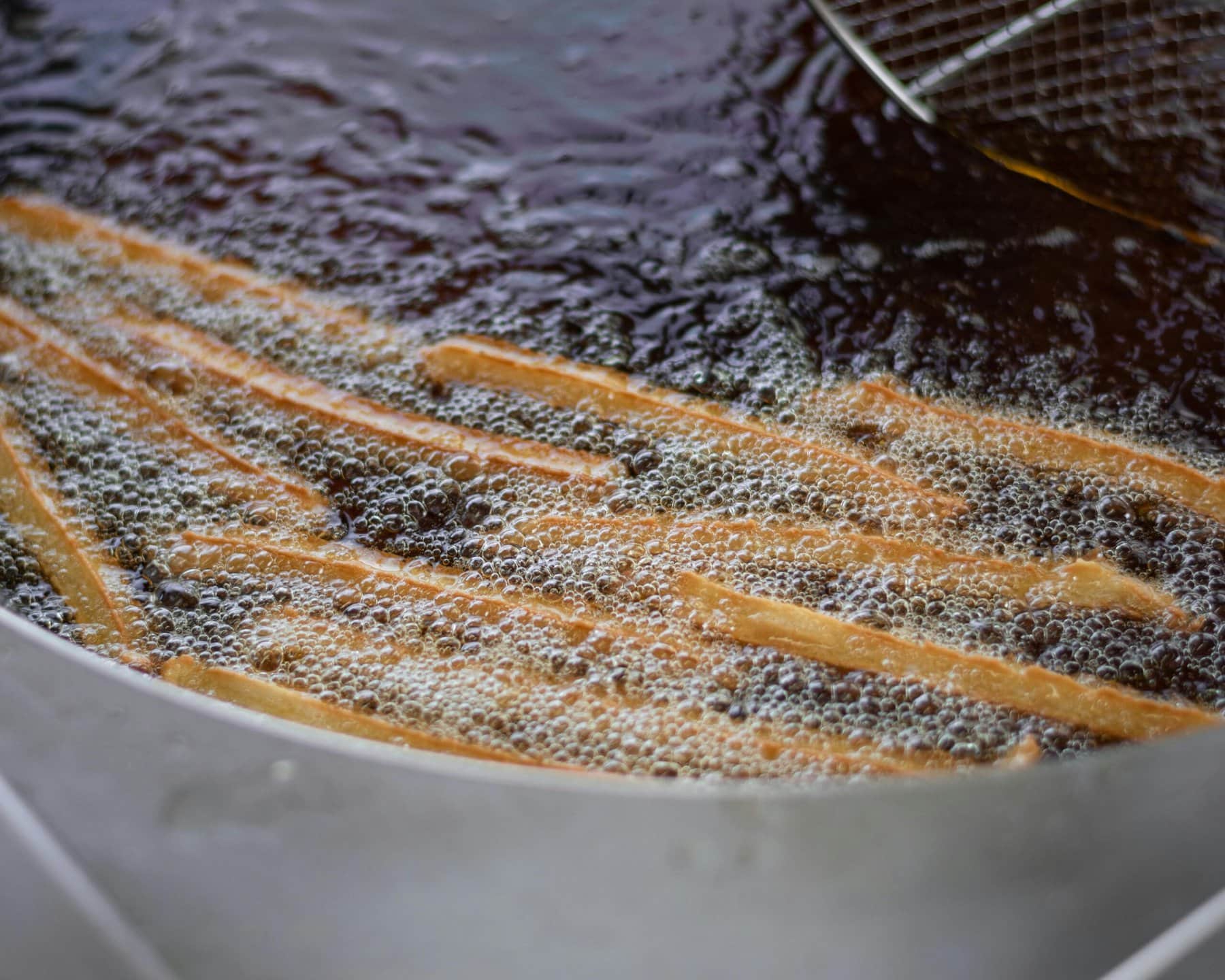
Credit: desertislanddishes.co
Signs Of Spoiled Peanut Oil
Peanut oil can spoil over time, especially if not stored properly. Knowing the signs of spoiled peanut oil helps avoid using rancid oil in cooking. Spoiled oil can affect flavor and may cause digestive issues. Below are clear signs to check before using peanut oil.
Visual Changes
- Oil becomes cloudy or hazy instead of clear.
- Darkening of the oil color from light yellow to brownish.
- Presence of sediment or particles at the bottom of the bottle.
- Oil appears thick or sticky rather than smooth and fluid.
Smell And Taste Indicators
- Oil smells sour, musty, or like paint thinner.
- Loss of the nutty aroma typical of fresh peanut oil.
- Bitter or unpleasant taste when tested in small amounts.
- Burning sensation in the throat after tasting.
Tips To Extend Freshness
Extending the freshness of peanut oil helps keep its flavor and quality intact. Proper care ensures the oil lasts longer without going rancid. Simple tips can make a big difference in preserving peanut oil.
Storage Environment
Keep peanut oil in a cool, dark place away from sunlight. Light and heat speed up oil spoilage. Use airtight containers to limit air exposure. Glass bottles with tight lids work best. Avoid storing oil near the stove or oven. A pantry or cupboard is ideal. If freezing, use freezer-safe containers that seal well.
Handling Practices
Always use clean utensils when handling peanut oil. Avoid dipping food directly into the oil container. This prevents contamination and bacteria growth. Close the container tightly after each use. Keep the oil dry to prevent moisture from spoiling it. Label containers with the date to track freshness. Rotate older oil to the front and use it first.

Credit: ask-ayurveda.com
Frequently Asked Questions
Can Peanut Oil Be Frozen Safely At Home?
Yes, peanut oil can be frozen safely. Use an airtight container and leave space for expansion. Thaw it slowly in the fridge before use to maintain quality and flavor.
Does Freezing Affect Peanut Oil’s Quality?
Freezing peanut oil may slightly change its texture but won’t harm its quality. The oil remains safe and retains its taste when properly stored.
How Long Can Peanut Oil Stay Frozen?
Frozen peanut oil can last up to 6 months. Proper sealing and consistent freezing temperature help maintain its freshness and prevent spoilage.
Should Peanut Oil Be Refrigerated Or Frozen?
Refrigeration is enough to extend peanut oil’s shelf life. Freezing is optional and useful for long-term storage beyond several months.
Conclusion
Freezing peanut oil is possible and can extend its shelf life. Keep the oil in a clean, airtight container to avoid moisture. The oil might become cloudy or thick but will clear when warmed. Use frozen peanut oil within six months for best taste and quality.
Always check the smell and look before use. Freezing helps keep your peanut oil fresh and ready for cooking. Simple steps can save your oil and reduce waste. Easy and smart storage makes a big difference.