
Have you ever found yourself with leftover pork belly and wondered if you can freeze it for later? The thought of wasting such a delicious cut of meat can be frustrating, especially when you could enjoy it again with the right storage method.
Imagine being able to savor the rich, succulent taste of pork belly whenever you want, without the pressure of cooking it all at once. We’ll uncover the secrets of freezing pork belly safely and effectively. We’ll guide you step-by-step, ensuring that you preserve its flavor and texture.
Stay with us to discover how you can make the most of your pork belly and transform your cooking routine.
Freezing Pork Belly Basics
Freezing pork belly is a practical way to keep it fresh longer. Proper freezing preserves flavor and texture. Knowing the basics helps maintain quality and safety.
Ideal Pork Belly Cuts For Freezing
Choose cuts with even fat and meat layers. Thick slabs freeze better than thin slices. Large pieces stay juicy and tender after thawing. Avoid cuts with bones; they freeze unevenly. Trim excess skin if you want easier portioning later.
Choosing Fresh Pork Belly
Select pork belly with a pink color and firm texture. Avoid meat with dark spots or unpleasant smell. Fresh pork belly should feel slightly moist but not wet. Check the sell-by date for freshness assurance. Fresh meat freezes better and tastes best after thawing.
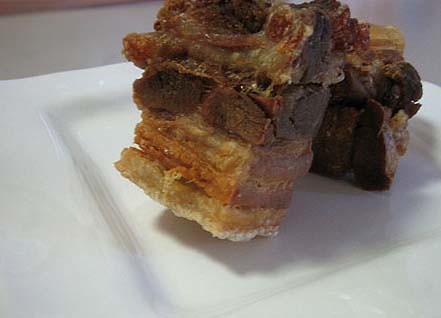
Credit: www.writingwithmymouthfull.com
Preparation Before Freezing
Preparing pork belly properly before freezing helps keep its flavor and texture. Proper preparation reduces freezer burn and preserves freshness. Taking time to trim and wrap the meat correctly makes a big difference.
Trimming And Portioning
Trim excess fat and any tough skin from the pork belly. This prevents a greasy or chewy texture after thawing. Cutting the pork belly into portions suits your future cooking needs. Smaller pieces freeze faster and thaw evenly. Portioning also avoids waste by allowing you to thaw only what you need.
Wrapping Techniques To Prevent Freezer Burn
Wrap pork belly tightly to stop air from touching the meat. Use plastic wrap or butcher paper directly on the surface. Then place the wrapped meat inside a heavy-duty freezer bag. Squeeze out as much air as possible before sealing.
- Double wrap for extra protection.
- Label each package with the date.
- Store flat in the freezer for even freezing.
Proper wrapping keeps moisture in and prevents dry spots. This ensures pork belly stays juicy and tender after freezing.
Freezing Methods
Freezing pork belly properly keeps it fresh and tasty for longer. The right freezing method prevents freezer burn and maintains quality. Using airtight containers, vacuum sealing, and proper labeling help in storing pork belly effectively. These methods ensure your pork belly stays safe and delicious until you cook it.
Using Airtight Containers
Airtight containers block air and moisture from entering. They stop freezer burn and keep the pork belly moist. Choose containers that fit the pork belly well to reduce extra air space. Plastic or glass containers with tight lids work best. Before sealing, press out excess air to protect the meat.
Vacuum Sealing Benefits
Vacuum sealing removes all air from the package. This slows down freezer burn and extends shelf life. It keeps the pork belly fresh longer than regular plastic wrap. Vacuum-sealed pork belly also saves space in the freezer. The tight seal helps lock in flavor and texture.
Labeling And Dating Packages
Labeling frozen pork belly helps track storage time. Use a permanent marker or label stickers. Write the date you froze the pork belly clearly. This prevents keeping it too long and risking spoilage. Proper labeling helps you use the oldest meat first, reducing waste.
Storage Duration And Safety
Proper storage of pork belly is crucial to maintain its flavor and safety. Freezing is a common way to keep pork belly fresh for longer periods. Knowing how long you can freeze it and how to spot spoilage helps prevent food waste and foodborne illness.
Freezing slows down bacteria growth but does not stop it completely. Safe storage times depend on how well the pork belly is wrapped and kept at a constant freezing temperature. Always keep your freezer at 0°F (-18°C) or below for best results.
Recommended Freezing Times
- Fresh pork belly can be frozen for 4 to 6 months.
- Cooked pork belly lasts 2 to 3 months in the freezer.
- Wrap pork belly tightly in plastic wrap, then place in a freezer bag.
- Label with the date to track storage time easily.
Signs Of Spoiled Frozen Pork Belly
- An off or sour smell after thawing indicates spoilage.
- Discoloration, such as gray or green spots, is a bad sign.
- Ice crystals inside the packaging suggest freezer burn.
- A slimy or sticky texture after thawing means it is unsafe to eat.
Thawing Pork Belly Properly
Thawing pork belly properly is important to keep it safe and tasty. Thawing at the right speed stops bacteria from growing. It also helps keep the pork belly’s texture and flavor fresh. Careful thawing ensures the meat cooks well and stays juicy.
Safe Thawing Techniques
- Place the pork belly in the fridge for 24 to 48 hours.
- Use a bowl or plate to catch any drips.
- Thaw in cold water by sealing the pork belly in a plastic bag.
- Change the water every 30 minutes to keep it cold.
- Avoid thawing pork belly at room temperature.
- Microwave thawing is fast but cook the meat immediately after.
Avoiding Texture And Flavor Loss
Thaw slowly to keep the pork belly tender. Quick thawing can make the meat dry and tough. Keep the meat wrapped to stop moisture loss. Do not refreeze thawed pork belly, as it damages texture and taste. Pat the meat dry before cooking to get a nice crust.

Credit: www.askchefdennis.com
Cooking Frozen Pork Belly
Cooking frozen pork belly requires some care to keep its rich flavor and tender texture. You cannot cook it the same way as fresh pork belly. Frozen meat takes longer to cook and needs gentle heat. This ensures the inside cooks thoroughly without drying out the outside. Planning ahead makes the process easier and safer.
Adjusting Cooking Times
Frozen pork belly needs extra cooking time. It usually takes 50% longer than fresh pork belly. Start by thawing it in the fridge overnight for best results. If cooking from frozen, use lower heat and cook slowly.
Check the internal temperature to ensure it reaches 145°F (63°C). Use a meat thermometer to avoid undercooking. Avoid high heat to prevent tough meat and burnt skin.
Best Recipes For Frozen Pork Belly
Some recipes work better with frozen pork belly than others. Slow-cooked dishes and stews are ideal. They allow the meat to become tender over time.
- Slow-roasted pork belly with herbs
- Pork belly stew with vegetables
- Braised pork belly in soy sauce
- Slow cooker pork belly with garlic and spices
These recipes need longer cooking times but deliver rich flavors. They also help break down the fat and connective tissues. This makes the pork belly soft and delicious.
Common Mistakes To Avoid
Freezing pork belly can save time and reduce waste. Avoid common errors that spoil its quality. These mistakes affect taste, texture, and safety.
Freezing Without Proper Packaging
Air exposure causes freezer burn and dry spots on pork belly. Use airtight packaging to block air and moisture.
- Wrap pork belly tightly in plastic wrap or aluminum foil.
- Place wrapped meat inside a freezer bag or vacuum-sealed bag.
- Remove as much air as possible before sealing.
- Label the package with the freezing date.
Proper packaging keeps pork belly fresh and flavorful longer.
Refreezing Thawed Pork Belly
Do not refreeze pork belly after thawing. Refreezing damages texture and flavor.
Thawed meat can grow harmful bacteria if left too long. Freeze only fresh or fully cooked pork belly.
Plan meals to use thawed pork belly promptly. Store leftovers in the fridge and eat within two days.

Credit: tiffycooks.com
Frequently Asked Questions
Can You Freeze Raw Pork Belly Safely?
Yes, raw pork belly freezes well. Wrap it tightly in plastic wrap and place it in a freezer bag. Use within 3 to 6 months for best quality and avoid freezer burn.
How Long Can Pork Belly Stay Frozen?
Frozen pork belly maintains quality for about 3 to 6 months. Beyond that, texture and flavor may decline, but it remains safe if stored continuously below 0°F (-18°C).
Should Pork Belly Be Thawed Before Cooking?
Yes, thaw pork belly in the refrigerator for 24 hours before cooking. Avoid thawing at room temperature to prevent bacterial growth and ensure even cooking.
Can Cooked Pork Belly Be Frozen Again?
Cooked pork belly can be frozen once more if stored properly. Cool it quickly, wrap tightly, and freeze within 2 hours of cooking. Consume within 2 to 3 months.
Conclusion
Freezing pork belly keeps it fresh for longer. Wrap it tightly to avoid freezer burn. Thaw it slowly in the fridge for best results. Use frozen pork belly within a few months. This method saves money and reduces food waste.
Enjoy delicious meals anytime by freezing pork belly. Simple steps make storage easy and safe. Try freezing next time you buy extra pork belly.