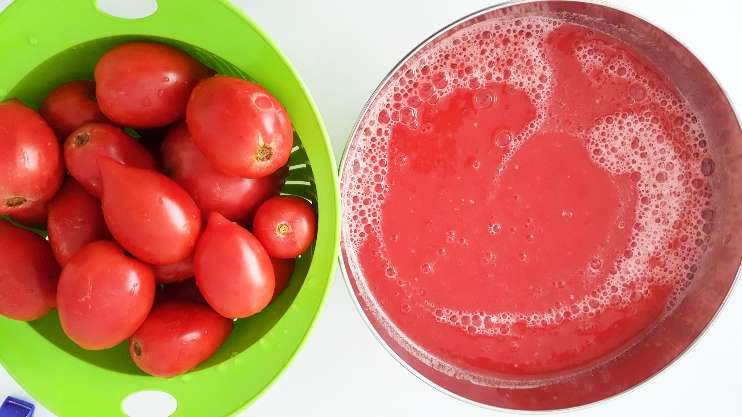
Have you ever found yourself with a surplus of ripe tomatoes, wondering what to do with them all? Pureeing them might seem like a great solution, but what if you can’t use them up quickly enough?
You’re probably asking yourself, “Can you freeze pureed tomatoes? ” This is a common question for home cooks and garden enthusiasts alike. Imagine the convenience of having fresh-tasting, homemade tomato puree on hand any time you need it, without the worry of spoilage.
We’re diving into whether freezing pureed tomatoes is the key to preserving their flavor and freshness. Stick around, and you’ll discover tips and tricks that could change the way you think about food storage forever.

Credit: m.youtube.com
Benefits Of Freezing Pureed Tomatoes
Freezing pureed tomatoes offers several benefits for your kitchen and meals. It helps keep fresh flavors and nutrients intact. You can save extra tomatoes instead of throwing them away. It also makes cooking faster and easier later on. Here are some key benefits of freezing pureed tomatoes.
Preserving Flavor And Nutrients
Freezing pureed tomatoes locks in their natural taste. The cold temperature slows down the loss of vitamins. This means you get almost the same fresh flavor. Nutrients like vitamin C and lycopene stay well preserved. The texture remains smooth and ready for cooking.
Reducing Food Waste
Pureeing and freezing extra tomatoes stops spoilage. Leftover tomatoes do not go to waste. You can freeze small portions to use bit by bit. This saves money and reduces trash. It also helps you use all your harvest or grocery buys.
Convenience For Future Use
Frozen pureed tomatoes are easy to store and use. They save time in meal prep on busy days. Just thaw or add directly to soups, sauces, or stews. You always have fresh tomato flavor without extra work. This makes cooking fast and stress-free.
Preparing Tomatoes For Freezing
Preparing tomatoes for freezing ensures they keep their fresh taste and texture. Proper preparation helps preserve flavor and nutrients. It also makes pureeing easier and faster.
Selecting Ripe Tomatoes
Choose tomatoes that are fully ripe and firm. Avoid tomatoes with bruises or soft spots. Ripe tomatoes have a deep red color and a sweet aroma. These qualities give the best flavor to your puree.
Washing And Peeling
Wash tomatoes under cold running water to remove dirt and chemicals. To peel easily, score the skin with a small “X” on the bottom. Blanch tomatoes in boiling water for 30 seconds. Then, transfer them to ice water. The skins will slip off quickly and cleanly.
Pureeing Techniques
Cut peeled tomatoes into chunks before pureeing. Use a blender or food processor for a smooth texture. Pulse in short bursts to avoid over-processing. For a chunkier puree, blend less. Seasoning is optional; freeze plain for best storage.
Freezing Methods For Pureed Tomatoes
Freezing pureed tomatoes preserves their fresh taste and nutrients. Choosing the right freezing method helps keep the texture and flavor intact. Different methods suit different needs and storage spaces. Here are some simple ways to freeze pureed tomatoes effectively.
Using Ice Cube Trays
Ice cube trays allow freezing pureed tomatoes in small portions. Scoop the puree into each compartment. Leave some space for expansion. Cover the tray with plastic wrap or place it in a freezer bag. Once frozen, pop out the cubes and store them in a sealed bag. This method is perfect for adding small amounts to recipes.
Freezing In Containers
Use airtight containers for larger portions of pureed tomatoes. Choose containers made for freezing to avoid cracking. Fill the container, leaving about one inch of space at the top. Seal tightly to prevent freezer burn. Label with the date for easy tracking. This option works well for meal prep and larger quantities.
Vacuum Sealing Options
Vacuum sealing removes air, extending the freezer life of pureed tomatoes. Place the puree in vacuum seal bags, then seal with a vacuum sealer. This method reduces freezer burn and keeps flavors fresh. It also saves space by compressing the puree. Vacuum sealing is ideal for long-term storage.
Credit: www.redgoldtomatoes.com
Storage Tips To Maintain Freshness
Keeping your pureed tomatoes fresh after freezing depends largely on how you store them. Simple storage tips can make a big difference in taste and texture when you thaw your tomatoes later. Let’s look at key steps to keep your puree as vibrant as the day you made it.
Labeling And Dating
Always label your containers with the date you froze the pureed tomatoes. This helps you keep track of how long they’ve been in the freezer and avoid guessing games. You might think it’s a small detail, but I once found a container buried in the back of my freezer and realized it had been there for over a year!
Use waterproof markers or labels that won’t fade or peel off in the cold. Write down the date and contents clearly so you can grab what you need without opening every container.
Optimal Freezing Temperature
Your freezer should be at or below 0°F (-18°C) to keep pureed tomatoes fresh and safe. Temperatures higher than this can cause the puree to spoil faster or lose flavor. Check your freezer’s temperature regularly with an appliance thermometer to be sure it’s consistent.
Have you ever noticed your frozen food tasting off? It might be because the temperature fluctuated too much. Keeping a steady cold temperature prevents ice crystals from forming inside your puree, which can ruin the texture.
Avoiding Freezer Burn
Freezer burn happens when air reaches your pureed tomatoes and dries them out. To prevent this, use airtight containers or heavy-duty freezer bags. Press out as much air as you can before sealing.
Another tip is to portion your puree into smaller amounts before freezing. This way, you only thaw what you need, reducing the risk of repeated exposure to air. Have you ever tasted freezer-burned tomatoes? It’s a sharp, unpleasant flavor you definitely want to avoid.
Thawing And Using Frozen Pureed Tomatoes
Thawing and using frozen pureed tomatoes is straightforward, but knowing the right steps can make your cooking smoother and tastier. Proper thawing preserves the tomato’s fresh flavor and texture, while smart cooking choices help you get the most from your frozen puree. Let’s dive into how you can handle thawed pureed tomatoes effectively in your kitchen.
Safe Thawing Practices
Thaw pureed tomatoes safely to avoid any risk of spoilage. The best way is to transfer the frozen puree to the refrigerator and let it thaw overnight. This slow thaw keeps the puree fresh and prevents bacterial growth.
If you’re in a hurry, place the sealed container in a bowl of cold water. Change the water every 30 minutes until thawed. Avoid thawing at room temperature to reduce the chance of harmful bacteria developing.
Cooking With Thawed Tomatoes
Once your pureed tomatoes are thawed, you can treat them just like fresh puree in recipes. Give the puree a quick stir to blend any separated juices back together. You’ll notice a slight texture change, but it won’t affect the taste.
Thawed pureed tomatoes work great in soups, stews, and sauces. Heat them gently, and add seasonings as you normally would. Have you ever tried simmering thawed tomato puree with fresh herbs? It instantly brightens the flavor.
Recipe Ideas
- Homemade Tomato Soup:Combine thawed puree with broth, garlic, and cream for a cozy meal.
- Simple Pasta Sauce:Sauté onions and garlic, add thawed puree, and finish with fresh basil.
- Shakshuka:Use thawed puree as a base, then poach eggs right in the sauce.
Have you ever experimented by adding thawed pureed tomatoes to chili or curry? It’s a great way to boost depth and acidity without extra prep. Try freezing small portions next time to keep your cooking flexible and fresh.
Common Mistakes To Avoid
Freezing pureed tomatoes is simple, but mistakes can spoil the result. Avoiding common errors helps keep flavor and texture intact. These tips save time and reduce waste.
Freezing Without Cooling
Putting hot puree directly into the freezer harms quality. Heat raises freezer temperature, causing other foods to thaw. Always cool the puree to room temperature first. This keeps your freezer stable and food safe.
Using Improper Containers
Choosing the wrong container leads to freezer burn and leaks. Use airtight, freezer-safe containers or heavy-duty freezer bags. Avoid thin plastic or regular containers that crack or let air in. Label containers with the date for easy tracking.
Refreezing Thawed Tomatoes
Never refreeze pureed tomatoes once thawed. Refreezing breaks down texture and can cause spoilage. Instead, thaw only the amount needed for one use. Store leftovers in the refrigerator and use quickly.

Credit: www.express.co.uk
Frequently Asked Questions
Can You Freeze Pureed Tomatoes Safely?
Yes, pureed tomatoes freeze well. Use airtight containers or freezer bags to prevent freezer burn. Label with date and use within 3-4 months for best quality.
How Long Do Frozen Pureed Tomatoes Last?
Frozen pureed tomatoes stay good for 3 to 4 months. After this, flavor and texture may decline. Always check for signs of spoilage before use.
Should You Blanch Tomatoes Before Pureeing And Freezing?
Blanching tomatoes before pureeing helps preserve flavor and color. It also removes skins easily, improving texture. Blanch for 30-60 seconds, then cool before pureeing and freezing.
Can Frozen Pureed Tomatoes Be Used In Cooking?
Absolutely! Frozen pureed tomatoes work well in soups, sauces, and stews. Thaw in the fridge or add directly to hot dishes while cooking.
Conclusion
Freezing pureed tomatoes keeps them fresh for months. Store in airtight containers or freezer bags to avoid freezer burn. Thaw slowly in the fridge for best taste and texture. Use frozen puree in soups, sauces, or stews without losing flavor.
It saves time and reduces food waste. Easy and practical for busy kitchens. Try freezing your pureed tomatoes to enjoy their rich taste anytime. Simple, smart, and useful.