Have you ever found yourself wondering if you can freeze reconstituted peptides? You’re not alone.
Many people are curious about the best ways to store these valuable compounds to ensure they remain effective. Understanding how to properly store peptides can make a significant difference in their longevity and efficiency. In this blog post, we’ll explore whether freezing is a viable option for your reconstituted peptides and what you need to know to make informed decisions.
Keep reading to discover the secrets that could enhance your peptide storage practices, potentially saving you time and money in the long run.

Credit: peptideessence.com
Basics Of Peptide Reconstitution
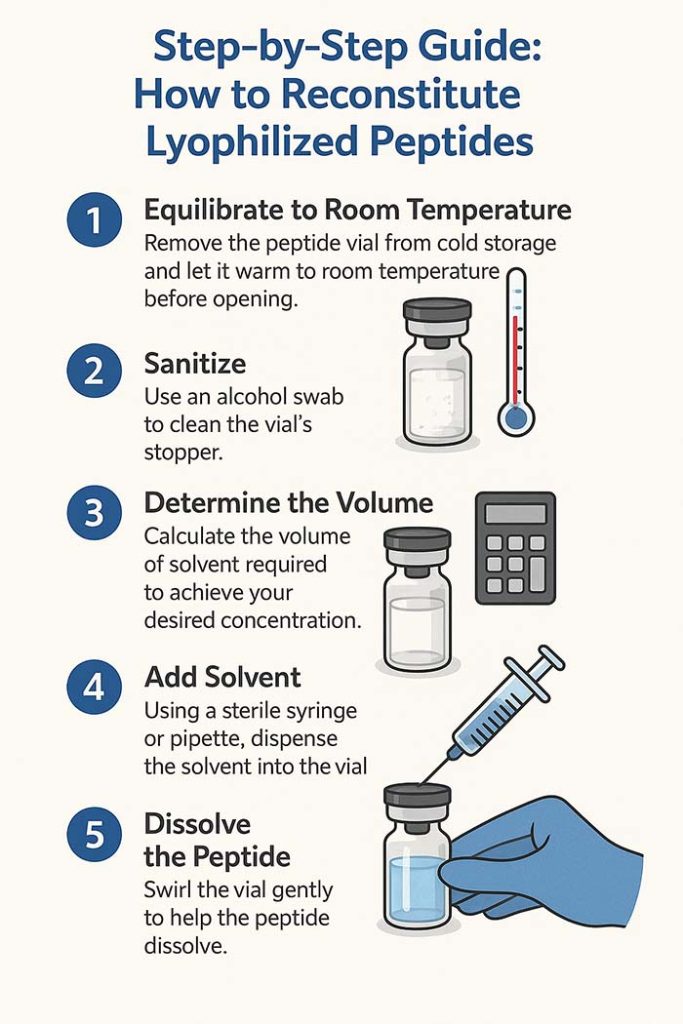
Understanding the basics of peptide reconstitution is key before freezing reconstituted peptides. Peptides are often supplied as dry powders. Reconstitution means dissolving these powders in a liquid to prepare them for use. This process requires care to maintain peptide stability and activity. Knowing what solvents to use and how peptides behave during reconstitution helps in proper handling.
What Are Reconstituted Peptides
Reconstituted peptides are peptides dissolved in a liquid solvent. This change from powder to liquid allows peptides to be used in experiments or treatments. The quality of reconstitution affects peptide performance. Properly reconstituted peptides remain stable and effective. Poor technique can cause degradation or loss of function.
Common Solvents Used
Peptides dissolve in different solvents depending on their type and purpose. The choice of solvent affects peptide stability and solubility. Common solvents include:
- Water (usually sterile or distilled)
- Acetic acid (diluted)
- Dimethyl sulfoxide (DMSO)
- Alcohols like ethanol or isopropanol
- Buffers such as phosphate-buffered saline (PBS)
Water is the most common solvent for reconstitution. Acidic solvents help dissolve peptides with low solubility in water. DMSO is used for peptides that do not dissolve easily in water or acids. Each solvent choice depends on peptide properties and intended use.
Freezing And Storage Fundamentals
Freezing and storing reconstituted peptides correctly can make a big difference in preserving their quality and effectiveness. You might wonder if freezing peptides is safe or if it could damage their structure. Understanding the basics of freezing and storage will help you make better decisions and avoid wasting expensive peptides.
Impact Of Freezing On Peptide Stability
Freezing can slow down the breakdown of peptides by stopping most chemical reactions. However, some peptides may change shape or clump together when frozen, which can reduce their activity.
Have you ever noticed peptides becoming cloudy or forming lumps after freezing? This is a sign of instability caused by ice crystal formation or changes in the solution’s pH during freezing. To prevent this, adding stabilizers or adjusting the buffer before freezing can help maintain peptide integrity.
Optimal Storage Temperatures
Peptides generally store best at very low temperatures to keep them stable over time. Most reconstituted peptides should be kept at -20°C or colder, with -80°C being ideal for long-term storage.
Repeated thawing and refreezing can harm peptides, so it’s best to store them in small aliquots. This way, you only thaw what you need, keeping the rest safe and stable. Do you have a system to track your aliquots and avoid unnecessary temperature changes?
Freezing Reconstituted Peptides
Freezing reconstituted peptides can help extend their shelf life. Proper storage keeps the peptides stable and effective for future use. Understanding how freezing affects peptides is essential for maintaining their quality.
Is Freezing Recommended
Freezing reconstituted peptides is generally safe if done correctly. Peptides can degrade if stored at improper temperatures. Freezing slows down this degradation by reducing molecular activity. However, frequent freeze-thaw cycles can damage peptide structure. It is best to freeze peptides only once after reconstitution.
Some peptides are more sensitive to freezing than others. Always check peptide-specific guidelines for storage recommendations. Avoid freezing peptides dissolved in certain solvents that may expand or crystallize.
Best Practices For Freezing
- Use small aliquots to avoid repeated freeze-thaw cycles.
- Freeze peptides quickly at -20°C or lower for better stability.
- Label each vial with the date of reconstitution and freezing.
- Store peptides in tightly sealed containers to prevent moisture entry.
- Thaw peptides slowly in a refrigerator or on ice to protect structure.
- Do not refreeze peptides after thawing to avoid loss of potency.
- Use sterile techniques to prevent contamination during handling.
Thawing And Handling Tips
Proper thawing and handling of reconstituted peptides is crucial to maintain their quality and effectiveness. Incorrect methods can lead to degradation, reducing the peptide’s potency. Follow these tips to preserve your peptides safely and extend their usability.
Safe Thawing Techniques
Thaw peptides slowly to avoid damage. Rapid temperature changes can cause peptide breakdown. The best method is to place the vial in a refrigerator for several hours. This gentle thawing protects the structure and activity of peptides.
After refrigeration, allow the vial to reach room temperature before opening. Avoid using heat sources like microwaves or warm water. These can degrade the peptides and reduce their effectiveness.
Avoiding Degradation During Handling
Minimize the peptide’s exposure to air and light. Oxygen and UV light can break down peptides quickly. Always keep the vial tightly sealed when not in use.
Use clean, sterile tools for handling to prevent contamination. Avoid repeated freeze-thaw cycles as they damage peptides. Instead, aliquot the reconstituted peptide into small portions before freezing.
Common Mistakes To Avoid
Freezing reconstituted peptides might seem like a straightforward way to extend their shelf life, but many people make avoidable errors that can degrade the peptide’s quality. Understanding these common mistakes helps you preserve the peptide’s potency and ensures reliable results in your experiments or personal use.
Repeated Freeze-thaw Cycles
One of the biggest mistakes is subjecting peptides to repeated freeze-thaw cycles. Each time you thaw and refreeze, the peptide’s structure can break down, reducing its effectiveness. Have you ever noticed a drop in your peptide’s activity after using it multiple times? That’s usually the culprit.
To avoid this, aliquot your peptide solution into small portions right after reconstitution. This way, you only thaw what you need, keeping the rest safely frozen and untouched. Think of it as protecting each dose for maximum stability.
Incorrect Solvent Choices
Choosing the wrong solvent for reconstitution can also cause problems when freezing peptides. Some solvents don’t freeze well or may cause the peptide to precipitate or degrade during storage. Have you ever seen a cloudy or separated peptide solution after thawing? That often signals an unsuitable solvent was used.
Water or sterile saline are usually safe bets, but always check your peptide’s specific instructions. Avoid solvents with high salt or organic content unless explicitly recommended. Using the right solvent ensures your peptide remains stable and ready for use after freezing.
Extending Peptide Shelf Life
Extending the shelf life of reconstituted peptides is crucial if you want to maintain their effectiveness over time. Proper storage and handling can prevent degradation and preserve their potency for longer periods. Let’s dive into some practical ways you can protect your peptides and get the most out of every vial.
Use Of Additives And Stabilizers
Adding certain substances can help keep peptides stable after reconstitution. Common stabilizers like glycerol or mannitol create a protective environment that slows down breakdown.
These additives reduce the risk of oxidation and microbial growth, which are common causes of peptide degradation. Have you ever noticed your peptides losing potency after just a few days? Adding stabilizers could make a big difference.
Always check compatibility before mixing additives with your specific peptide, as some may interfere with activity or solubility.
Proper Aliquoting Methods
Dividing your peptide solution into smaller portions is a smart way to avoid repeated freeze-thaw cycles. Each thaw can damage the peptide structure, reducing effectiveness.
Use sterile, labeled vials to aliquot peptides immediately after reconstitution. This keeps each portion fresh and limits exposure to air and contaminants.
Think about how often you use your peptides—smaller aliquots mean you only thaw what you need, preserving the rest for future use without loss in quality.
Real-life Experiences And Case Studies
Real-life experiences and case studies provide valuable insight into freezing reconstituted peptides. They reveal practical outcomes beyond theoretical knowledge. Scientists and lab technicians often share their results and challenges. Such shared knowledge helps others avoid common mistakes.
These real examples highlight how freezing affects peptide stability and activity. Some peptides handle freezing well, while others lose effectiveness. Understanding these differences is crucial for proper storage and use in research or therapy.
Researcher Insights
Researchers report varied results on freezing reconstituted peptides. Many note that freezing can cause peptide degradation if not done carefully. Freeze-thaw cycles often reduce peptide potency. Some peptides remain stable for months if stored at -80°C. Others degrade after just one freeze-thaw cycle.
Scientists recommend aliquoting peptides into small portions before freezing. This limits freeze-thaw cycles and preserves peptide integrity. Adding stabilizing agents like glycerol or trehalose also helps. Some researchers suggest avoiding freezing altogether for highly sensitive peptides.
Lab Protocol Examples
| Peptide Type | Storage Temperature | Freeze-Thaw Cycles Allowed | Additional Notes |
|---|---|---|---|
| Insulin-like peptides | -80°C | 1-2 | Aliquoted in small volumes to avoid multiple cycles |
| Cyclic peptides | -20°C | 0-1 | Prefer fresh use; freezing reduces activity |
| Linear peptides | -80°C | Up to 3 | Use stabilizing agents for longer storage |
Labs often test peptide activity after freezing to confirm stability. This ensures reliable experimental results. Sharing protocol details helps others replicate success and avoid failures.

Credit: ignitepeptides.com

Credit: ignitepeptides.com
Frequently Asked Questions
Can Reconstituted Peptides Be Safely Frozen?
Yes, reconstituted peptides can be safely frozen to preserve stability. Use sterile containers and avoid repeated freeze-thaw cycles to maintain potency.
How Does Freezing Affect Peptide Stability?
Freezing slows down degradation and bacterial growth, preserving peptide integrity. However, improper freezing may cause peptide precipitation or loss of activity.
What Is The Best Way To Freeze Reconstituted Peptides?
Freeze peptides in aliquots using sterile vials. Store them at -20°C or colder to maintain effectiveness and avoid contamination.
How Long Can Frozen Reconstituted Peptides Be Stored?
Frozen peptides generally remain stable for 3 to 6 months. Always check specific peptide guidelines for accurate storage duration.
Conclusion
Freezing reconstituted peptides can affect their quality and strength. Always check specific peptide instructions before freezing. Use small amounts to avoid repeated freeze-thaw cycles. Keep the peptides in tightly sealed containers to prevent damage. Store them at the right temperature for best results.
Handle peptides gently to keep them stable and effective. Proper storage helps maintain peptide performance over time. Understanding these basics can save you time and resources. Simple care goes a long way in preserving peptides’ usefulness.