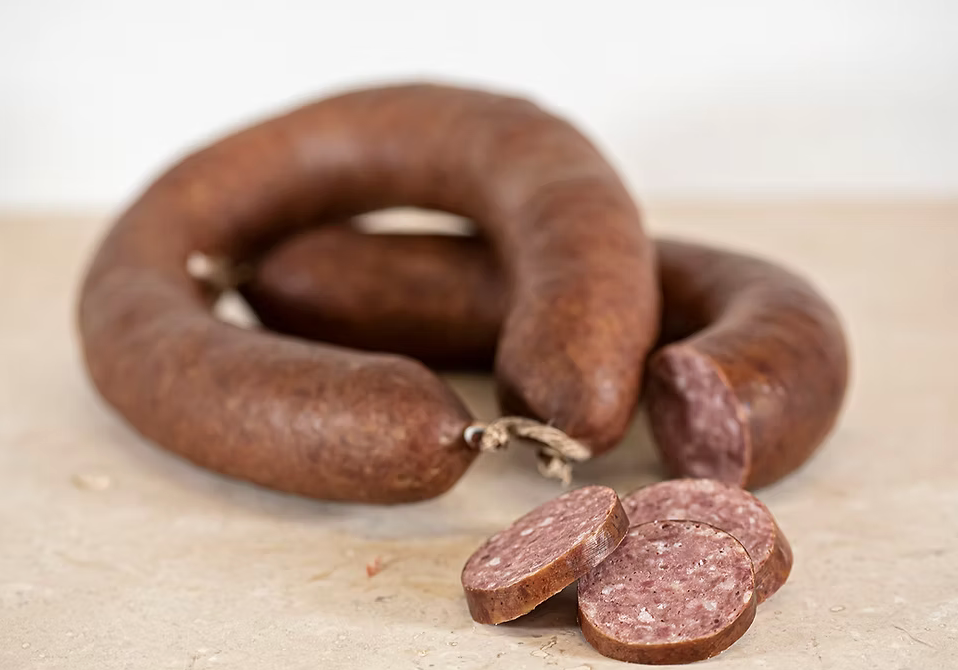
Have you ever found yourself gazing at a package of ring bologna in your fridge, wondering if you could extend its shelf life by freezing it? You’re not alone.
This common question pops up in many kitchens, especially when you’ve bought a bit more than you can chew. Imagine the convenience of having your favorite bologna ready to go whenever you crave it, without worrying about it spoiling. We’ll unravel the mystery of freezing ring bologna, providing you with practical tips and insights that might just change the way you think about preserving this delicious treat.
Keep reading to discover whether your freezer can become the perfect partner for your ring bologna adventures.
Freezing Basics For Ring Bologna
Freezing ring bologna helps keep it fresh for longer periods. Proper freezing prevents loss of flavor and texture. Knowing the basics ensures your bologna stays tasty after thawing.
Ideal Freezing Conditions
Freeze ring bologna at 0°F (-18°C) or lower. Maintain a steady temperature to avoid thawing cycles. Keep the freezer clean and organized for best results. Avoid placing bologna near the freezer door to prevent temperature changes.
Packaging Techniques
Use airtight packaging to protect ring bologna from freezer burn. Wrap it tightly in plastic wrap or aluminum foil. Place the wrapped bologna in a freezer bag and remove excess air. Label the package with the freezing date for easy tracking.
Shelf Life In Freezer
Ring bologna stays good for about 1 to 2 months in the freezer. After this, quality starts to decline but it remains safe to eat. Use older packages first to enjoy the best flavor and texture.
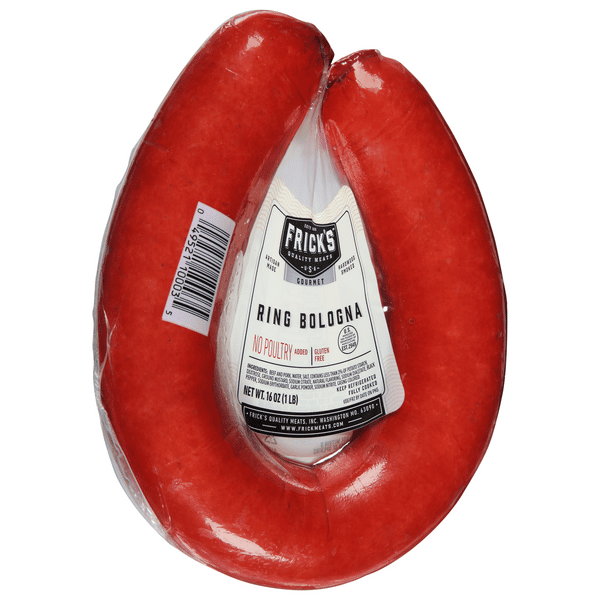
Credit: www.hy-vee.com
Thawing Ring Bologna Safely
Thawing ring bologna safely is key to enjoying its rich flavor without risking your health. Improper thawing can lead to bacterial growth, spoiling your meat and causing foodborne illnesses. Knowing how to thaw it right helps preserve its texture and taste, making your meals both delicious and safe.
Best Thawing Methods
Thaw ring bologna in the refrigerator for the safest and most even thawing. This method usually takes about 24 hours for a typical ring, but it keeps the meat at a safe temperature throughout.
If you’re in a hurry, place the sealed bologna in a leak-proof plastic bag and submerge it in cold water. Change the water every 30 minutes to keep it cold. This can thaw the bologna within a few hours without letting bacteria multiply.
Microwave thawing is possible but tricky. Use the defrost setting and watch the bologna closely to avoid cooking the edges. After microwaving, cook or refrigerate the meat immediately to prevent bacteria growth.
Avoiding Bacterial Growth
Never thaw ring bologna at room temperature. Leaving it out can allow bacteria to multiply rapidly, increasing the risk of food poisoning.
Keep thawed bologna refrigerated and consume it within 3 to 5 days. If you don’t plan to eat it soon, refreeze it only if it was thawed in the refrigerator and hasn’t been left out.
Always wash your hands, utensils, and surfaces after handling thawed bologna. Cross-contamination is a common way bacteria spread in your kitchen.
Have you ever noticed an odd smell or slimy texture after thawing? These are signs the meat has spoiled and should be discarded immediately. Trust your senses to keep your food safe.
Maintaining Flavor And Texture
Freezing ring bologna is a handy way to extend its shelf life, but it can affect both flavor and texture if not done carefully. Understanding how freezing impacts these qualities helps you keep your bologna tasting fresh and feeling just right. Let’s explore what happens to the taste and texture during freezing and how you can protect them.
Effects Of Freezing On Taste
Freezing can dull the bold, smoky flavor that makes ring bologna so appealing. Ice crystals formed during freezing may cause moisture loss, leading to a slight change in taste. If your bologna isn’t wrapped tightly, it might also absorb odors from your freezer, which can alter its original flavor.
Have you noticed your frozen meats tasting a bit off sometimes? That’s often due to freezer burn or exposure to air. To avoid this, use airtight packaging or vacuum-seal your bologna before freezing. Doing so locks in the flavor and keeps your meat tasting fresh when thawed.
Tips To Preserve Texture
The texture of ring bologna can become crumbly or dry after freezing if moisture escapes. This happens because water inside the meat turns to ice and expands, breaking down the meat fibers. When thawed, the texture might feel less firm or slightly rubbery.
- Wrap your bologna tightly in plastic wrap, then place it in a freezer bag to reduce air exposure.
- Freeze bologna in smaller portions to thaw only what you need, preventing repeated freezing.
- Thaw slowly in the refrigerator rather than at room temperature to help the meat retain moisture.
Think about the last time you thawed frozen meat quickly—did it feel mushy or dry? Slower thawing preserves moisture better, maintaining the texture you enjoy. Paying attention to these small steps can make a big difference in keeping your ring bologna delicious and satisfying.

Credit: shop.winndixie.com
Common Mistakes To Avoid
Freezing ring bologna can be a smart way to extend its shelf life, but many people make avoidable mistakes that affect taste and texture. Understanding these pitfalls helps you keep your bologna fresh and delicious. Let’s look at the common errors you should watch out for when freezing this deli favorite.
Freezing Without Proper Packaging
One of the biggest mistakes is freezing ring bologna without wrapping it tightly. Air exposure leads to freezer burn, which dries out the meat and creates off-flavors. You want to use airtight packaging like vacuum-sealed bags or heavy-duty freezer wrap.
Think about it like this: if you just toss the bologna in a plastic bag and seal it loosely, moisture escapes and ice crystals form. These crystals damage the texture, leaving the meat tough and unpleasant once thawed. Have you ever noticed freezer-burned meat tasting bland or chalky? That’s why proper packaging is a must.
Refreezing Risks
Refreezing bologna after it’s been thawed is another common trap. Each freeze-thaw cycle breaks down the meat fibers and encourages bacterial growth if not handled correctly. This causes a decline in quality and can even pose health risks.
To avoid this, only thaw the amount you plan to use immediately. If you find yourself needing to refreeze, make sure the bologna has been kept cold and hasn’t sat out at room temperature. Have you ever wondered why leftovers sometimes taste off after being frozen multiple times? That’s the reason.
Alternative Storage Options
Freezing is one way to store ring bologna, but it is not the only option. Alternative storage methods can keep your bologna fresh and tasty for longer periods. These methods help maintain flavor and texture without the need for freezing.
Refrigeration Tips
Keep ring bologna in its original packaging if unopened. Store it in the coldest part of the fridge, usually the back. Once opened, wrap it tightly in plastic wrap or aluminum foil. Use airtight containers to prevent air exposure and moisture loss. Consume within one to two weeks for best quality.
Using Vacuum Sealers
Vacuum sealing removes air, reducing spoilage and freezer burn. Seal the bologna in vacuum bags to extend fridge or freezer life. This method preserves flavor and texture better than regular wraps. Label the bags with dates to track freshness easily. Vacuum-sealed bologna can last several weeks in the fridge or months in the freezer.
Credit: www.huntingpa.com
Frequently Asked Questions
Can You Freeze Ring Bologna Safely At Home?
Yes, you can safely freeze ring bologna at home. Wrap it tightly in plastic wrap or foil, then place it in an airtight freezer bag to prevent freezer burn.
How Long Does Frozen Ring Bologna Last?
Frozen ring bologna lasts up to 1-2 months for best quality. After that, it may lose flavor and texture but remains safe if stored properly.
Should You Thaw Ring Bologna Before Use?
It’s best to thaw ring bologna in the refrigerator overnight. Thawing slowly helps maintain flavor and texture, reducing the risk of bacterial growth.
Can Freezing Affect The Texture Of Ring Bologna?
Freezing may slightly change the texture of ring bologna. It can become a bit drier or crumbly but remains safe and tasty when cooked properly.
Conclusion
Freezing ring bologna helps keep it fresh for longer. Wrap it tightly to avoid freezer burn. Thaw it slowly in the fridge for best taste. Use frozen bologna within one to two months. This way, you enjoy good flavor and texture.
Freezing is a simple way to reduce food waste. Now you can save your bologna without worry. Give it a try and see the difference.