
Have you ever found yourself staring at a jar of salmon roe, wondering if you can freeze it to savor later? You’re not alone.
This little dilemma is more common than you might think. Whether you’ve stumbled upon a great deal at the market, or you’ve simply got more roe than you can handle, freezing seems like the perfect solution. But is it really that simple?
Before you make a move, it’s crucial to understand what happens when you freeze salmon roe. Stick around, because you’ll discover everything you need to know about freezing this delicate delicacy, ensuring you enjoy its rich taste and texture whenever you please.
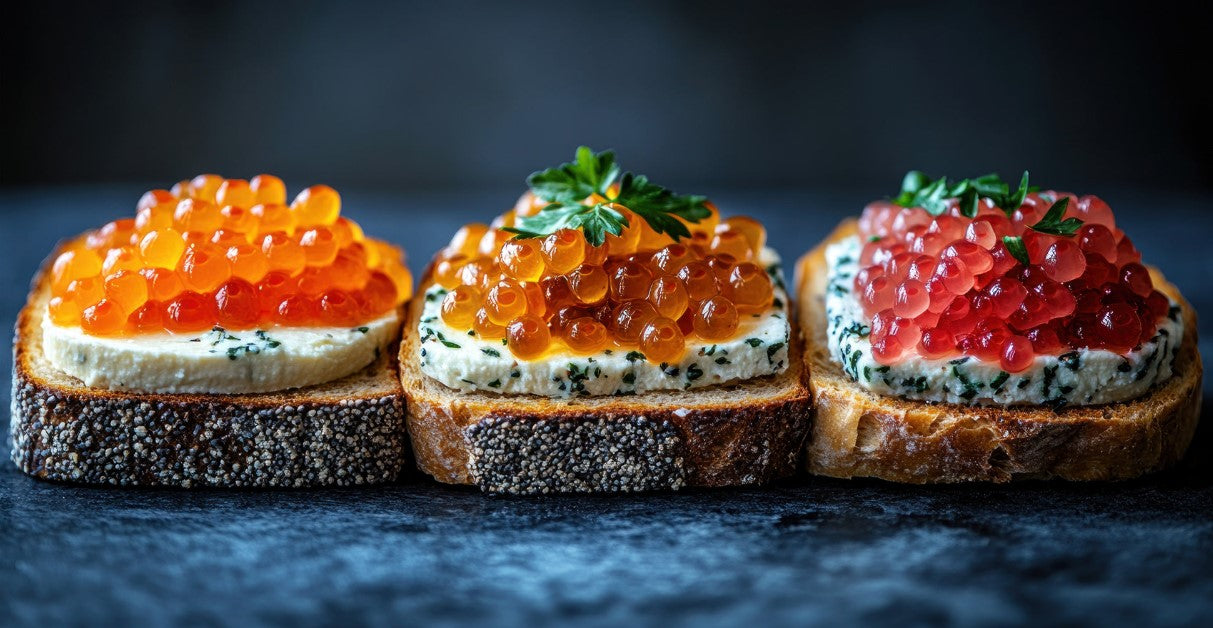
Credit: bestercaviarstore.com
Salmon Roe Basics
Salmon roe is a prized ingredient in many cuisines worldwide. It offers a unique texture and rich flavor that seafood lovers appreciate. Understanding the basics of salmon roe helps in knowing how to handle and store it properly. This section covers what salmon roe is and its nutritional benefits.
What Is Salmon Roe
Salmon roe consists of the eggs of the salmon fish. These small, orange spheres are also called salmon caviar. They come from female salmon during spawning season. The eggs have a delicate, slightly salty taste. Salmon roe is often eaten raw or used as a garnish. It adds color and flavor to various dishes. The texture is firm but bursts easily in the mouth.
Nutritional Benefits
Salmon roe is rich in nutrients that support good health. It contains omega-3 fatty acids, which help brain and heart health. The roe is a good source of protein and vitamins A, D, and E. It also provides minerals like iodine and selenium. These nutrients help boost the immune system. Eating salmon roe supports healthy skin and vision. It is low in calories but nutrient-dense, making it a smart choice for a healthy diet.

Credit: bestercaviarstore.com
Freezing Salmon Roe
Freezing salmon roe can be a great way to extend its shelf life while preserving its delicate flavor. However, freezing fish eggs requires care to maintain their texture and taste. You might wonder if freezing salmon roe is really worth it or if it will lose its signature pop and freshness.
Is Freezing Possible
Yes, you can freeze salmon roe. The key is understanding that roe is delicate and prone to texture changes if frozen improperly. Freezing can slightly alter the eggs’ firmness, but with the right approach, you can keep them enjoyable for weeks or even months.
Have you ever thawed frozen roe that turned mushy? This often happens because the roe was frozen too quickly or thawed too harshly. Knowing whether your salmon roe is fresh and how it was processed helps you decide if freezing is a good option.
Best Freezing Methods
To freeze salmon roe effectively, start by using airtight containers or vacuum-sealed bags. This prevents freezer burn and keeps unwanted odors away. Avoid freezing large portions; instead, freeze in small batches so you only thaw what you need.
- Place the roe in a single layer on a baking sheet and freeze until firm. This prevents the eggs from clumping together.
- Transfer the frozen roe into airtight containers or vacuum-sealed bags.
- Label with the date to keep track of freshness.
When thawing, do it slowly in the refrigerator overnight. Fast thawing can cause the eggs to burst or become watery. Have you tried thawing roe in warm water? It usually ruins the texture quickly.
From my experience, freezing salmon roe this way keeps the flavor surprisingly intact. The eggs might be a touch softer than fresh, but still great for sushi, spreads, or garnishes. Would you risk wasting a whole batch by freezing without this care?
Preparing Roe For Freezing
Preparing salmon roe for freezing ensures it keeps fresh and tasty. Proper preparation protects the delicate eggs from damage and freezer burn. This process includes cleaning the roe and packing it carefully. Following simple steps helps maintain the best flavor and texture.
Cleaning And Sorting
Rinse the roe gently under cold water. Avoid using hot water or harsh scrubbing. Use your fingers to separate the eggs from any membrane or debris. Sort the eggs by removing any discolored or broken ones. Clean roe freezes better and stays fresher longer.
Packaging Tips
Use airtight containers or freezer bags for packaging. Remove as much air as possible to prevent freezer burn. Divide the roe into small portions for easy thawing. Label each package with the date before freezing. Store the roe flat to avoid crushing the eggs.

Credit: globalseafoods.com
Thawing Salmon Roe
Thawing salmon roe properly is key to enjoying its delicate flavor and texture. Rushing the process or using the wrong method can ruin the quality and make the roe less appetizing. You want to handle it gently to preserve those tiny, flavorful eggs just as fresh as when you first got them.
Safe Thawing Techniques
Start by moving the salmon roe from the freezer to the refrigerator. Let it thaw slowly over 12 to 24 hours. This gradual thaw helps keep bacteria at bay and prevents the eggs from becoming mushy.
If you’re short on time, place the sealed roe package in a bowl of cold water for about 30 to 60 minutes. Make sure the packaging is airtight to avoid water seeping in and damaging the roe.
Avoid thawing salmon roe at room temperature or using warm water. These methods can encourage bacterial growth and spoil the roe quickly. Have you ever noticed a change in smell or texture when thawing seafood too fast? That’s a warning sign you want to avoid.
Maintaining Texture And Flavor
Once thawed, handle the roe carefully. Use a spoon instead of your hands to prevent breaking the delicate eggs. Keep the roe cold until serving to maintain its burst-in-your-mouth texture.
Do not refreeze salmon roe after thawing. The repeated freeze-thaw cycle breaks down the eggs and diminishes flavor. Instead, plan your portions wisely to use the roe soon after thawing.
To keep the flavor fresh, try storing thawed roe in a bowl covered with plastic wrap in the fridge. This minimizes exposure to air and helps retain its natural taste. Have you noticed how even slight changes in storage can alter the taste of seafood? It’s worth the attention.
Storage Duration And Quality
Understanding how long you can freeze salmon roe without losing its quality is crucial. Proper storage duration impacts not just taste but also texture and safety. Let’s dive into how freezing affects your salmon roe and what to watch for to keep it fresh.
How Long To Freeze
Salmon roe can be frozen, but the key is timing. Ideally, freeze it within 24 hours of purchase to lock in freshness.
For best quality, keep it frozen for no more than 2 to 3 months. Beyond this, the delicate texture may start to break down, and flavor can become muted.
Use airtight, freezer-safe containers or vacuum-seal the roe to prevent freezer burn. Label the packaging with the date so you can track how long it’s been stored.
Signs Of Spoilage
How can you tell if frozen salmon roe has gone bad? Start by checking its appearance. Fresh roe should look shiny and intact; dullness or discoloration is a red flag.
Smell also tells a lot. If the roe emits a strong, sour, or ammonia-like odor after thawing, it’s best to discard it.
Texture changes are another warning sign. If the eggs feel mushy or break apart easily instead of popping gently, spoilage is likely.
Have you ever frozen salmon roe and noticed a difference in taste or texture? Paying attention to these signs helps avoid wasting your food and ensures every bite is enjoyable.
Alternative Preservation Methods
Salmon roe is delicate and perishable. Freezing is common, but other ways keep its flavor and texture fresh. Alternative preservation methods help maintain the quality of salmon roe for short or medium storage times. These methods are easy to do at home and use simple ingredients or tools.
Refrigeration Tips
Keep salmon roe cold to slow spoilage. Store it in an airtight container to avoid odor absorption. Use the coldest part of the fridge, usually near the back. Place the container on a bed of crushed ice if possible. Check the roe daily for any changes in smell or color. Consume within two to three days for best taste and safety.
Curing And Salting
Curing with salt draws out moisture and prevents bacteria growth. Use fine salt and gently mix it with the roe. Let the roe sit in the salt for a few hours or overnight in the fridge. Rinse lightly if needed to remove excess salt. This method enhances flavor and extends shelf life up to several weeks. Store cured roe in a sealed jar or container in the refrigerator.
Frequently Asked Questions
Can Salmon Roe Be Frozen Without Losing Quality?
Yes, salmon roe can be frozen to maintain freshness. Properly seal it in an airtight container to prevent freezer burn and preserve texture and flavor.
How Long Can You Freeze Salmon Roe Safely?
Salmon roe can be frozen safely for up to six months. Beyond this, its taste and texture may degrade, so consume within this timeframe.
What Is The Best Way To Thaw Frozen Salmon Roe?
Thaw frozen salmon roe slowly in the refrigerator overnight. Avoid room temperature thawing to maintain its delicate texture and prevent bacterial growth.
Does Freezing Affect The Taste Of Salmon Roe?
Freezing can slightly alter salmon roe’s texture but generally preserves its flavor when stored correctly. Use airtight packaging to minimize any taste changes.
Conclusion
Freezing salmon roe can help keep it fresh longer. Store it properly in an airtight container. Avoid freezing and thawing many times to keep quality. Thaw slowly in the fridge for best taste. Enjoy your salmon roe in various dishes after freezing.
Simple steps make freezing easy and safe. Preserve flavor and texture well with care. Try freezing to reduce waste and save money. Keep these tips in mind for fresh roe anytime.