
Have you ever found yourself with a pot full of delicious seafood chowder and wondered if you could save some for later? You’re not alone.
Freezing can be a fantastic solution, but there are a few things you should know before you stash that chowder away. Understanding the do’s and don’ts can make the difference between a future meal that’s just as delightful as the first and one that’s, well, less than appetizing.
Dive into this guide to discover whether you can freeze seafood chowder without compromising its rich flavors and creamy texture. Keep reading to unlock the secrets that ensure your chowder remains a comforting bowl of goodness, whenever you choose to enjoy it.
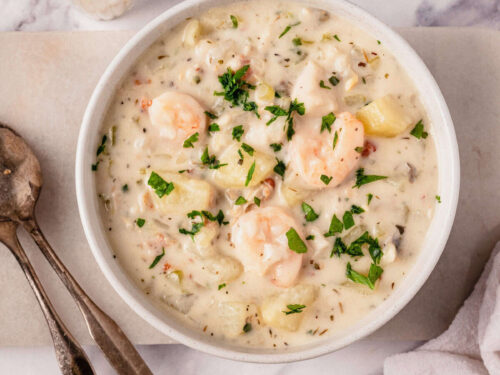
Credit: www.foodfaithfitness.com
Freezing Seafood Chowder Basics
Freezing seafood chowder can be a real time-saver, but it’s important to know the basics before you stash that pot in the freezer. Not all seafood chowders freeze equally well, and understanding how freezing changes the dish can help you enjoy it later without disappointment.
Think about your last batch of chowder—did the texture stay creamy, or did it turn watery after reheating? Freezing impacts both flavor and texture, so knowing what to expect helps you plan better meals. Let’s break down what types freeze best and what happens to your chowder in the freezer.
Best Seafood Chowder Types To Freeze
Seafood chowders with firm, hearty ingredients freeze better than those loaded with delicate seafood. Chowders that include clams, crab, or chunks of white fish tend to hold up well.
- Clam chowder with potatoes and bacon freezes nicely because the potatoes absorb some liquid, keeping the texture stable.
- Crab or lobster chowders with creamy bases often freeze well, but avoid too much cream to prevent separation.
- Avoid chowders with delicate shellfish like shrimp or scallops—they can become rubbery after freezing and reheating.
Seafood chunks that are too small or very tender may break down and lose their fresh texture, leaving you with a less satisfying meal.
How Freezing Affects Flavor And Texture
Freezing can dull some flavors, especially the subtle briny notes of seafood. You might notice your chowder tastes a bit muted after thawing. Adding a splash of fresh lemon juice or a pinch of herbs when reheating can revive the flavors.
Texture changes are more noticeable. Creamy bases often separate or become grainy. This happens because the fat and water in cream don’t freeze well together.
Potatoes and other starchy vegetables may become mushy after freezing. To keep your chowder balanced, try slightly undercooking these ingredients before freezing.
Have you ever wondered why reheated chowder sometimes loses its charm? It’s often the freezing process altering the structure of your ingredients. Knowing this, you can tweak your recipe or reheating method to keep your chowder tasting as close to fresh as possible.
Preparation Before Freezing
Freezing seafood chowder can save you time and reduce waste, but how you prepare it before freezing makes all the difference. Proper preparation helps maintain the flavor, texture, and safety of your chowder. Taking a few simple steps ensures your chowder tastes just as good when reheated.
Cooling And Portioning
Never freeze seafood chowder while it’s still hot. Hot food can raise the freezer’s temperature, risking other stored items and affecting quality. Let your chowder cool at room temperature for about 30 minutes, then move it to the fridge until fully chilled.
Portion your chowder into meal-sized servings before freezing. This way, you only thaw what you need, preventing waste and preserving freshness. Think about how many people you usually serve or if you want leftovers for a quick lunch.
Choosing Suitable Containers
Select containers that protect your chowder from freezer burn and are easy to stack. Airtight, freezer-safe containers or heavy-duty freezer bags work best. If using bags, remove as much air as possible to keep the chowder fresh.
Label each container with the date and contents. This simple step helps you keep track of how long the chowder has been frozen. Do you want to risk guessing and ending up with freezer mystery meals later?
Freezing Methods And Storage
Freezing seafood chowder preserves its flavors and texture for later enjoyment. Proper freezing methods and storage help maintain quality and prevent freezer burn. Choosing the right container and labeling your chowder correctly ensures easy storage and quick use.
Using Freezer-safe Bags Vs. Containers
Freezer-safe bags save space and allow flat stacking in the freezer. Remove as much air as possible before sealing to avoid ice crystals. These bags are flexible and easy to portion for single servings.
Containers offer more protection from spills and crushing. Choose airtight, freezer-safe plastic or glass containers. Leave some room at the top for chowder expansion during freezing.
Both options work well. Bags are best for saving space, containers for better protection.
Labeling And Dating Tips
Label each package clearly with the contents and freezing date. Use a permanent marker or freezer labels that won’t fade. This helps track freshness and avoid keeping chowder too long.
Write the date in a simple format like MM/DD/YYYY. Place the label where it is easy to see. Proper labeling reduces food waste and keeps your freezer organized.
Thawing Seafood Chowder
Thawing seafood chowder properly is key to keeping its fresh taste and good texture. Improper thawing can cause the soup to lose flavor or become watery. Taking care during thawing helps preserve the creamy texture and seafood flavor.
Seafood chowder contains delicate ingredients that need gentle handling. Thawing slowly and safely keeps the soup tasty and healthy. Follow simple techniques to avoid texture changes and maintain quality.
Safe Thawing Techniques
- Place frozen chowder in the refrigerator overnight. This lets it thaw slowly and safely.
- Use a sealed container to avoid spills and contamination.
- Thawing in the fridge keeps the soup at a safe temperature below 40°F (4°C).
- For quick thawing, place the sealed container in cold water. Change water every 30 minutes.
- Avoid thawing at room temperature. This can allow bacteria to grow.
Avoiding Texture Changes
- Stir the chowder gently after thawing to mix separated liquids.
- Heat the soup slowly on low heat to prevent curdling.
- Add a splash of cream or milk while reheating to restore creaminess.
- Avoid refreezing thawed seafood chowder, as this harms texture and taste.
- Use the thawed chowder within 2 days for best quality.
Reheating For Best Flavor
Reheating seafood chowder properly is key to preserving its rich flavors and creamy texture. If not done right, the chowder can turn rubbery or lose its fresh taste. Let’s look at how to bring your frozen chowder back to life so it tastes like it was just made.
Stovetop Reheating Tips
Using the stovetop is the best way to gently reheat seafood chowder without overcooking the seafood. Start by thawing the chowder in the fridge overnight for even heating. Pour it into a saucepan and heat on low to medium heat.
Stir frequently to prevent the chowder from sticking to the pan or burning. Keep an eye on the temperature—avoid boiling, as it can make the seafood tough. Adding a splash of milk or cream can help restore the creamy consistency if it looks too thick.
Adjusting Seasoning After Reheating
Seafood chowder often needs a flavor boost after reheating because freezing can dull the spices. Taste your chowder once it’s hot and decide what it needs.
- Add a pinch of salt or pepper if it tastes flat.
- Fresh herbs like dill or parsley can brighten the flavor immediately.
- A squeeze of lemon juice can enhance the seafood’s natural taste.
Have you ever noticed how a little seasoning adjustment can completely transform leftovers? Don’t hesitate to tweak the flavors until your chowder feels fresh and satisfying again.

Credit: healingfamilyeats.com
Common Mistakes To Avoid
Freezing seafood chowder can be a great way to save leftovers or prepare meals ahead of time. However, there are common mistakes that can ruin the texture and flavor of your chowder. Avoiding these pitfalls will help you enjoy your soup just as much after thawing as when it was freshly made.
Freezing Chowder With Dairy
Seafood chowder often contains cream, milk, or cheese, which can separate and become grainy after freezing. Freezing chowder with dairy intact can lead to a curdled texture when reheated.
To prevent this, consider freezing your chowder without the dairy. Add cream or milk fresh when you reheat it. This simple step keeps the chowder smooth and creamy.
Have you ever been disappointed by a watery or separated soup after freezing? Adjusting when you add dairy could be the key to avoiding that problem.
Overfreezing And Freezer Burn
Leaving chowder in the freezer for too long or not sealing it properly exposes it to freezer burn. This results in dry spots, off-flavors, and a less appetizing meal.
Use airtight containers or heavy-duty freezer bags and try to consume frozen chowder within 2 to 3 months. Label your containers with the freezing date to keep track easily.
Think about the last time you found freezer-burned food. Could better storage have saved it? Taking care during freezing preserves the fresh taste and texture you want.

Credit: www.fannetasticfood.com
Frequently Asked Questions
Can You Freeze Seafood Chowder Safely?
Yes, you can freeze seafood chowder safely. Use airtight containers or heavy-duty freezer bags. Freeze within two days of cooking for best quality.
How Long Does Frozen Seafood Chowder Last?
Frozen seafood chowder lasts up to 2-3 months. Beyond that, taste and texture may decline. Always label with the freezing date.
Does Freezing Affect Seafood Chowder Texture?
Freezing can slightly change the chowder’s texture. Creamy soups may separate or become grainy. Stir well and reheat gently to improve consistency.
How To Reheat Frozen Seafood Chowder Properly?
Thaw chowder overnight in the fridge. Reheat slowly on low heat, stirring often. Avoid boiling to prevent seafood from becoming tough.
Conclusion
Seafood chowder freezes well but needs careful handling. Cool it completely before freezing in airtight containers. Avoid freezing chowder with cream to keep texture good. Reheat gently on low heat to prevent curdling. Frozen chowder tastes best within two months.
Enjoy homemade seafood chowder anytime with these simple tips. Save time and reduce waste by freezing leftovers properly. A tasty, convenient meal ready when you want.