Can you freeze steamed lobster? If you’ve ever found yourself with leftover lobster after a delightful seafood feast, you might wonder what to do with it.
You know how precious and delicious lobster can be, and wasting it is simply not an option. That’s where freezing comes in as a potential solution. But is it really possible to freeze steamed lobster without losing its flavor and texture?
Imagine being able to enjoy that luxurious taste again, without the worry of spoilage. You’ll discover the ins and outs of freezing steamed lobster and learn how to preserve its quality. Stay with us to uncover the secrets that could save your leftovers and delight your taste buds long after your seafood dinner.

Credit: lobsteranywhere.com
Freezing Steamed Lobster Basics
Freezing steamed lobster might seem tricky, but it’s a practical way to save leftovers or prepare meals ahead. Knowing the basics helps you keep the lobster’s texture and flavor intact after freezing. Let’s break down why you might want to freeze it and which parts freeze best.
Why Freeze Steamed Lobster
Freezing steamed lobster gives you flexibility. Maybe you bought more than you could eat or want to enjoy lobster later without rushing to finish it. It’s also a smart way to reduce waste and save money by stretching your seafood budget.
Have you ever wondered if freezing affects the lobster’s taste or texture? Proper freezing can keep it nearly as fresh as the day you steamed it. The key lies in how you freeze and store it.
Best Lobster Parts To Freeze
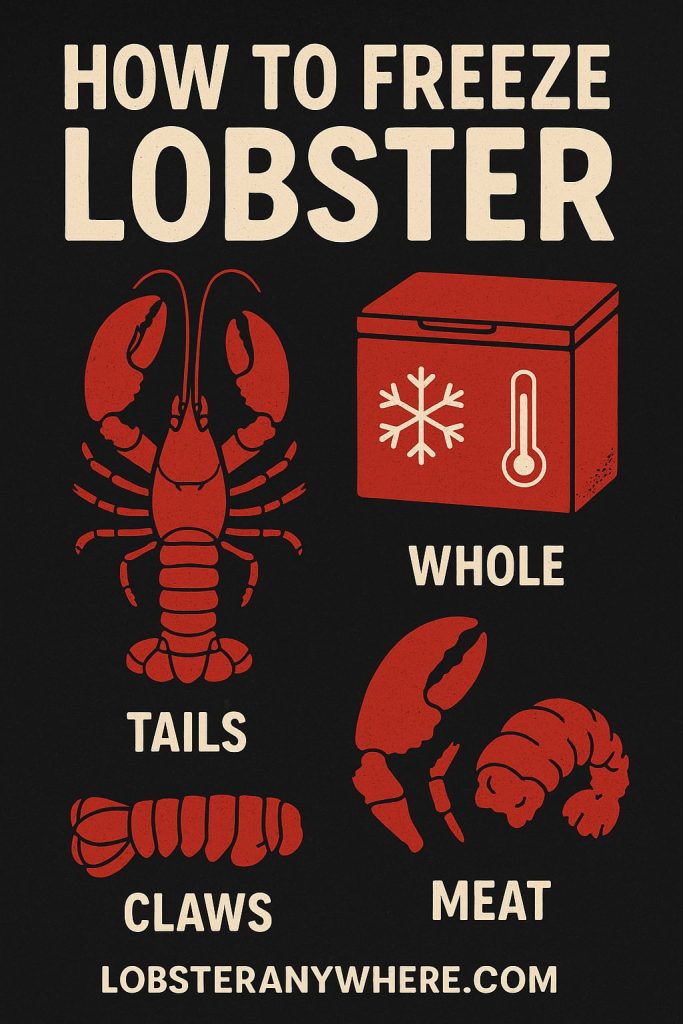
Not all lobster parts freeze equally well. The tail and claws are the prime candidates because they hold most of the meat and maintain texture better after freezing.
- Tail meat:Firm and meaty, it freezes well and thaws without becoming mushy.
- Claw meat:Rich and tender, it also withstands freezing nicely.
- Knuckle meat:Smaller but flavorful, it freezes well if packed carefully.
On the other hand, delicate leg meat tends to lose texture and flavor more quickly. So, if you want the best quality after freezing, focus on the tail, claws, and knuckles. Have you tried freezing different parts before? You might notice a difference in taste and texture based on what you saved.
Credit: lobsteranywhere.com
Preparing Lobster For Freezing
Preparing lobster for freezing is a crucial step to keep its flavor and texture intact. You want to handle it carefully right after steaming to avoid any loss of quality. Taking a few extra moments now can save you from a disappointing meal later.
Cooling And Cleaning Steps
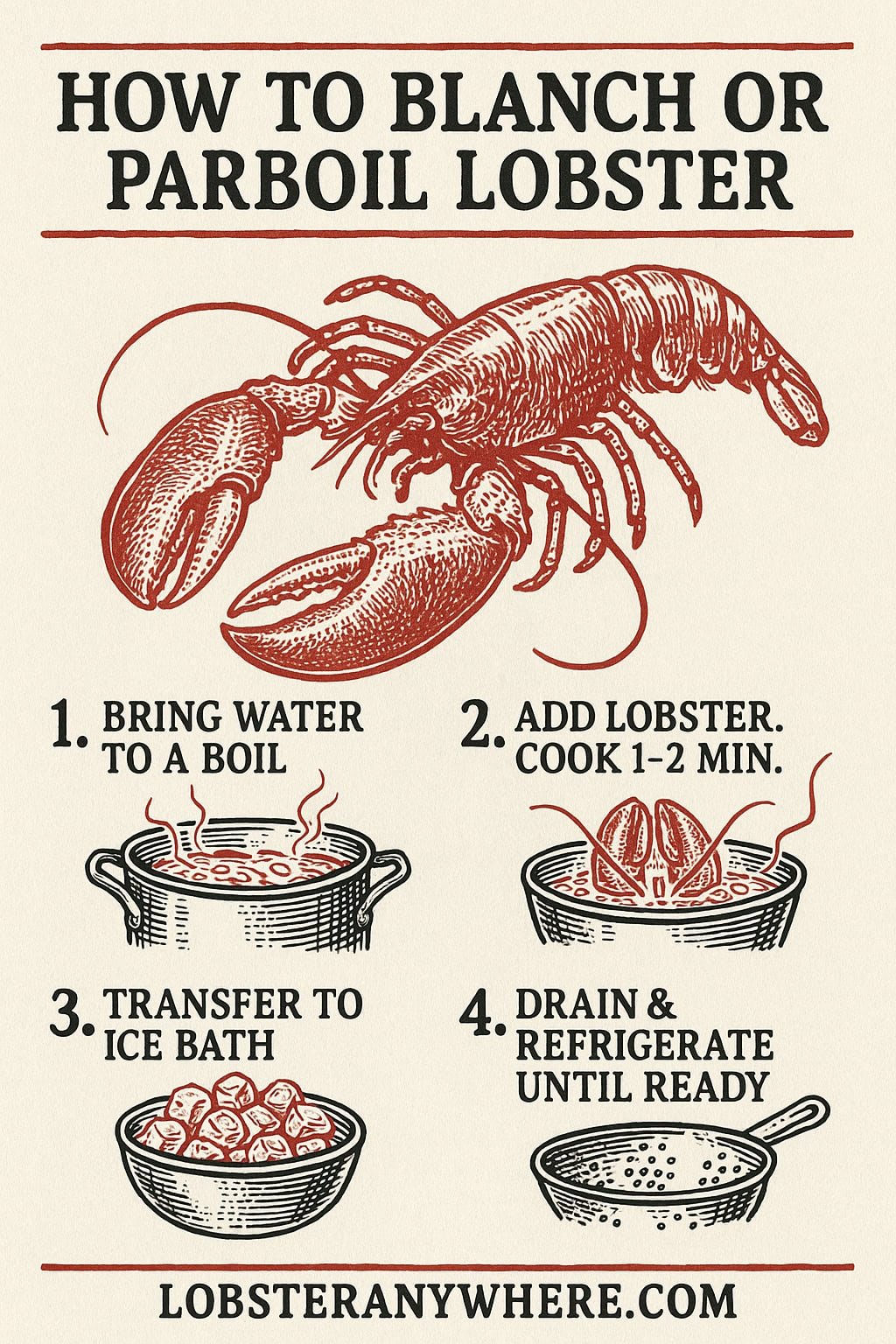
After steaming, cool your lobster quickly by placing it in an ice bath or under cold running water. This stops the cooking process immediately and helps preserve the meat’s tenderness. Avoid letting the lobster sit out at room temperature as it can spoil or become mushy.
Once cooled, clean the lobster by removing any debris or residue on the shell. If you prefer, take out the tomalley (the green liver) and any roe, unless you plan to eat them later. This step ensures the lobster tastes fresh and prevents any unwanted flavors from developing during freezing.
Portioning And Packaging Tips
Think about how you’ll use the lobster before freezing. Do you want whole tails, claws, or bite-sized chunks? Portioning the meat now makes it easier to thaw only what you need and reduces waste.
Use airtight containers or heavy-duty freezer bags to package your lobster. Remove as much air as possible to prevent freezer burn. Label each package with the date so you can keep track of freshness.
- Wrap portions tightly in plastic wrap before placing them in bags for extra protection.
- Consider vacuum sealing if you want to extend storage time and maintain texture.
- Freeze lobster pieces flat to save space and speed up freezing.
Have you ever thawed frozen lobster only to find it dry or rubbery? Proper packaging is your best defense against that. Take the time to package carefully, and your future self will thank you with a delicious seafood feast.
Freezing Methods
Freezing steamed lobster properly keeps its flavor and texture fresh. Choosing the right freezing method helps protect the lobster from damage. Proper storage prevents moisture loss and freezer burn. Below are effective methods to freeze steamed lobster safely and maintain its quality.
Using Airtight Containers
Airtight containers block air from reaching the lobster. They keep moisture locked inside and prevent freezer odors from affecting taste. Use containers made of plastic or glass with tight-fitting lids. Avoid overfilling to allow some space for expansion as the lobster freezes.
Before sealing, cool the lobster completely. Wrap the lobster pieces in plastic wrap or foil to add a layer of protection. Label containers with the freezing date for easy tracking.
Vacuum Sealing Benefits
Vacuum sealing removes air completely around the lobster. This slows down oxidation and freezer burn significantly. It also preserves the lobster’s fresh texture and flavor longer than regular containers.
Vacuum-sealed bags are compact and save freezer space. Use a vacuum sealer machine for best results. Ensure the lobster is dry before sealing to prevent ice crystals.
Avoiding Freezer Burn
Freezer burn happens when air dries out the lobster surface. It causes tough texture and off-flavors. Prevent this by minimizing air exposure and moisture loss.
- Use airtight or vacuum-sealed packaging.
- Remove as much air as possible before sealing.
- Freeze lobster quickly to reduce ice crystal formation.
- Store lobster at consistent freezing temperatures below 0°F (-18°C).
Check frozen lobster regularly for signs of freezer burn. Proper packaging and storage extend lobster’s shelf life and maintain quality.
Storage Duration And Conditions
Knowing how long steamed lobster stays fresh in the freezer and under what conditions is key to enjoying its flavor and texture later. Proper storage can prevent freezer burn and preserve the lobster’s delicate sweetness. Let’s break down the best freezer settings and ideal storage time to keep your lobster tasting its best.
Optimal Freezer Temperature
Keep your freezer at or below 0°F (-18°C). This temperature halts bacterial growth and slows down enzymatic changes that spoil seafood.
Make sure your freezer temperature is consistent. Fluctuations cause ice crystals to form, which can ruin the lobster’s texture.
Have you checked your freezer thermometer lately? Even a small rise in temperature can reduce the lobster’s shelf life.
Recommended Storage Time
Steamed lobster is best eaten within 2 to 3 monthsof freezing.
After this period, the meat may become dry or develop off-flavors, even if kept frozen.
Label your lobster packages with the freezing date. This simple step helps you avoid guessing and wasting good food.
- Wrap lobster tightly in plastic wrap or aluminum foil.
- Place wrapped lobster in an airtight freezer bag or container.
- Remove as much air as possible to prevent freezer burn.
How often do you lose track of frozen seafood and find it questionable later? Proper labeling and timely consumption keep your meals safe and delicious.
Thawing Steamed Lobster
Thawing steamed lobster properly keeps its flavor and texture fresh. It prevents bacteria growth and keeps the lobster safe to eat. Careful thawing helps the meat stay tender and juicy.
Safe Thawing Techniques
- Place the lobster in the refrigerator for 12 to 24 hours.
- Keep it in a sealed container to avoid contamination.
- For quicker thawing, put the lobster in a sealed bag and submerge in cold water.
- Change the water every 30 minutes to keep it cold.
- Never thaw lobster at room temperature to avoid bacteria growth.
Avoiding Texture Loss
Thaw lobster slowly to keep the meat firm and tasty. Fast thawing can make the meat rubbery or mushy. Avoid microwaving as it cooks unevenly and damages texture.
After thawing, gently pat the lobster dry before reheating or serving. This step helps keep the meat flavorful and prevents it from becoming watery.
Credit: www.dadcooksdinner.com
Reheating Tips
Reheating steamed lobster needs care to keep its sweet, tender taste. Doing it wrong can make the meat dry and tough. Use gentle heat and avoid long cooking times. This keeps the lobster juicy and flavorful. Follow simple tips for best results.
Methods To Retain Flavor
Heat lobster slowly to keep its natural juices. Cover it with foil or a damp cloth to hold moisture. Use a low oven temperature or steam it again gently. Avoid microwaving without protection; it can dry out the meat fast. Adding a little butter or lemon juice can bring back some fresh taste.
Avoiding Overcooking
Overcooking lobster makes it rubbery and hard to enjoy. Heat only until warm, about 5 to 7 minutes in the oven at 250°F (120°C). If steaming, check every few minutes. Remove from heat as soon as it feels hot. Let it rest covered for a minute before serving to spread heat evenly.
Common Mistakes To Avoid
Freezing steamed lobster can keep it fresh longer. Yet, mistakes can ruin its taste and texture. Avoid these common errors to enjoy your lobster later.
Freezing Lobster While Hot
Never freeze lobster while it is still hot. Heat causes ice crystals to form inside the meat. These crystals break down the texture, making lobster mushy. Let the lobster cool completely before freezing. Cooling prevents moisture loss and keeps the meat firm.
Using Improper Packaging
Using the wrong packaging lets air reach the lobster. Air causes freezer burn, drying out the meat and changing flavor. Use airtight containers or vacuum-sealed bags. Wrap lobster tightly with plastic wrap or foil first. Proper packaging locks in moisture and freshness for better taste.
Frequently Asked Questions
Can You Freeze Steamed Lobster Meat Safely?
Yes, you can freeze steamed lobster meat safely. Wrap it tightly in airtight packaging to prevent freezer burn. Consume within 2-3 months for best flavor and texture.
How Long Does Steamed Lobster Last In The Freezer?
Steamed lobster lasts up to 3 months in the freezer. Beyond this, quality and taste may deteriorate. Proper packaging helps maintain freshness longer.
Should You Freeze Whole Steamed Lobster Or Just Meat?
It is best to freeze just the steamed lobster meat. Whole lobster can lose texture and flavor when frozen. Meat freezes more evenly and thaws faster.
How To Thaw Frozen Steamed Lobster Properly?
Thaw frozen steamed lobster in the refrigerator overnight. Avoid quick thawing methods that can affect texture. Eat promptly after thawing for best taste.
Conclusion
Freezing steamed lobster keeps it fresh for later meals. Wrap it well to avoid freezer burn and loss of flavor. Thaw slowly in the fridge for best texture. Avoid refreezing once thawed to keep quality high. Enjoy your lobster without waste or stress.
Simple steps help you save time and money. Now you know how to freeze steamed lobster safely. Ready for your next seafood feast anytime.